

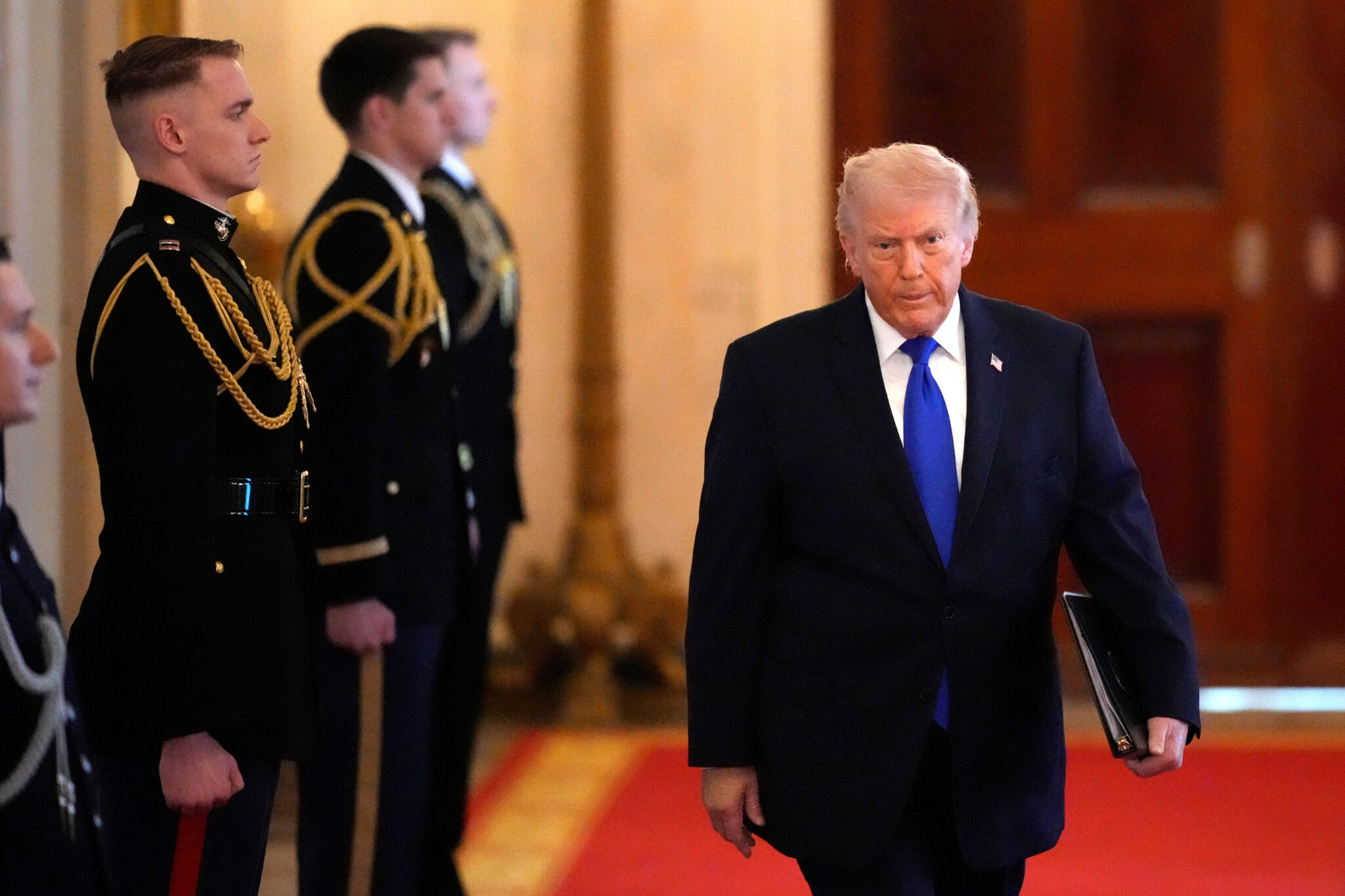
5 Top Questions Heading into Trump’s State of the Union Address/ Newslooks/ WASHINGTON/ J. Mansour/ Morning Edition/ President Donald Trump returns to Congress facing low approval ratings and mounting political challenges. The Supreme Court’s tariff ruling, foreign policy tensions and economic anxiety loom over the speech. Here are five major questions shaping expectations ahead of the State of the Union.
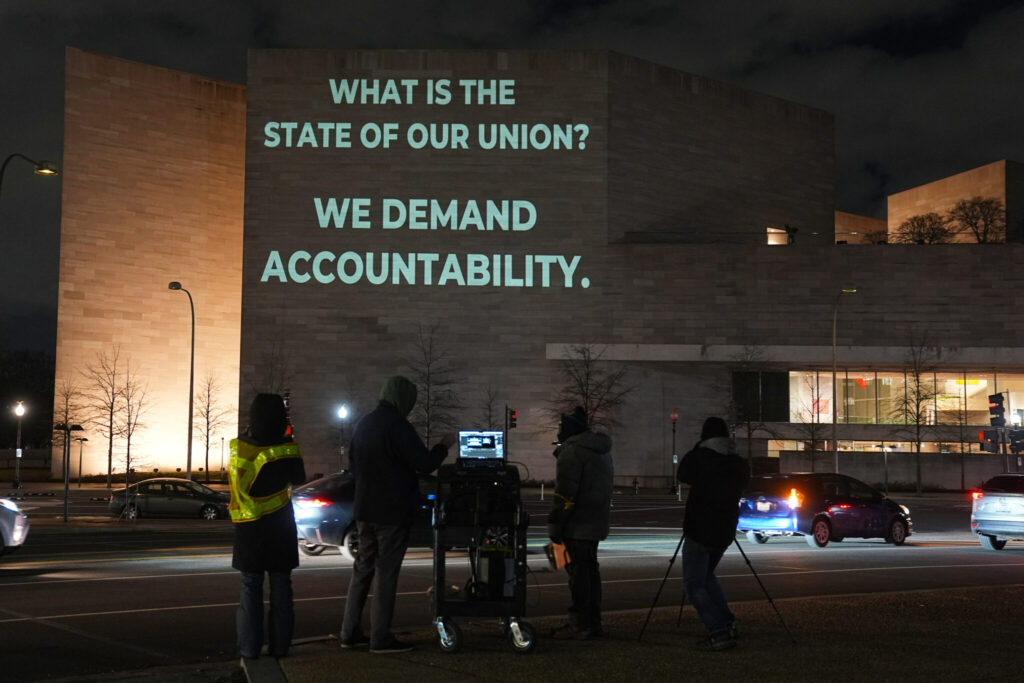

Five Big Questions Before Trump’s State of the Union – Quick Looks
- Will Trump confront Supreme Court justices directly?
- How will Democrats respond inside and outside the chamber?
- Can he reassure voters on affordability and immigration?
- What tone will he take on Iran, Ukraine and Venezuela?
- Will he deliver another marathon-length address?
Deep Look: 5 Top Questions Heading into Trump’s State of the Union Address


President Donald Trump says he has “a lot to talk about” as he returns to Capitol Hill for his State of the Union address. He does so at a pivotal moment in his second term — facing sagging approval ratings, internal party tensions and mounting global crises.
With Republicans holding only a narrow majority in Congress and midterm elections approaching, Tuesday night’s speech represents more than a ceremonial address. It is an opportunity for Trump to reassert control of his narrative and outline a path forward.
Here are five major questions shaping expectations ahead of the speech.
1. Will Trump Confront the Supreme Court?
Last week, the Supreme Court of the United States struck down Trump’s sweeping tariff policy, declaring that he exceeded his authority under a 1977 emergency law. The decision undercut one of the central pillars of his second-term agenda.
Trump responded angrily, calling the justices who ruled against him an “embarrassment to their families,” including two conservative justices he appointed.
Now, some of those justices are expected to sit in the House chamber as he speaks. Will Trump criticize them directly? Or will he temper his rhetoric in a rare display of restraint?
Presidents have used the State of the Union to challenge the Court before. In 2010, President Barack Obama rebuked the Court’s Citizens United ruling during his address, drawing visible reactions from Justice Samuel Alito. Since then, some justices have skipped the speech to avoid political crossfire.
Whether the Court shows up in force — and how Trump addresses its ruling — could produce one of the evening’s most tense moments.
2. How Will Democrats Respond?
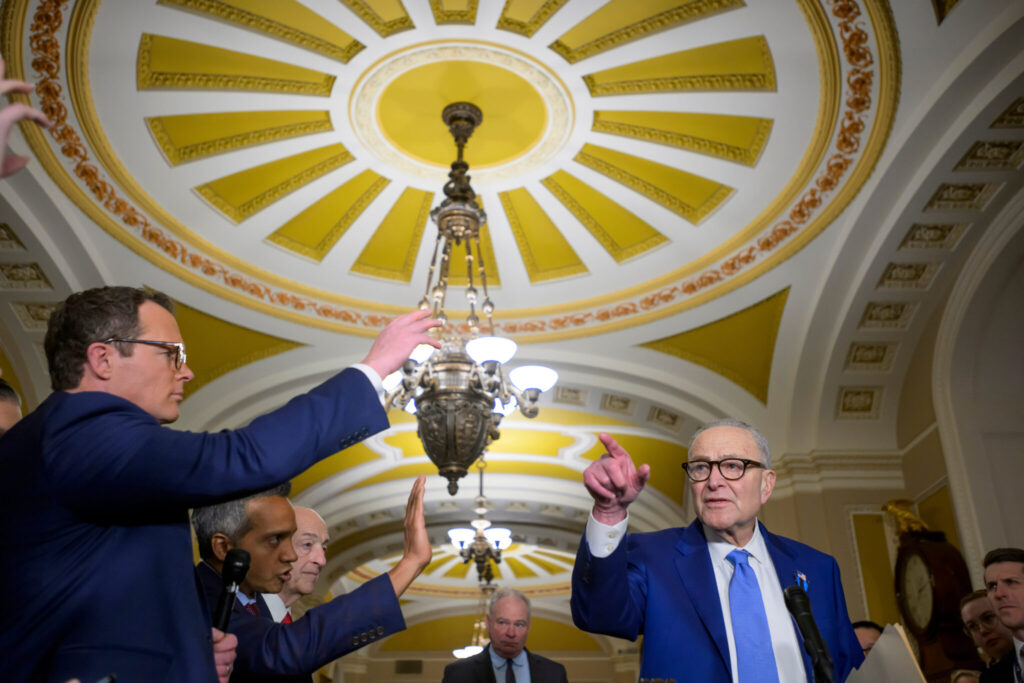
Democrats are still refining their strategy for countering Trump’s expansive use of executive power.
During last year’s joint address, some Democratic lawmakers held protest signs reading “Save Medicaid” and “False.” Rep. Al Green heckled the president and was escorted from the chamber. The theatrics were widely criticized as ineffective.
This year, Democratic leaders are seeking a more disciplined response. Some lawmakers plan to boycott the speech entirely, while others will attend quietly. Virginia Gov. Abigail Spanberger is set to deliver the official Democratic rebuttal.
The challenge for Democrats is balancing protest with presenting a coherent alternative vision — particularly as voters express frustration with both parties.
3. Can Trump Address Affordability and Immigration?
Economic anxiety remains a top voter concern. Many Americans continue to feel squeezed by high prices and stagnant wages.
The White House insists progress has been made, but Trump often veers off message. During a recent trip intended to spotlight economic issues, he focused instead on election claims and voter ID proposals.
Immigration may also command attention. After two U.S. citizens were killed during an aggressive federal immigration enforcement operation in Minneapolis, Republicans found themselves defending their policies. Trump has maintained hardline rhetoric, though his administration has reportedly scaled back enforcement in certain areas.
How he frames affordability and border security — particularly in a midterm election year — will be closely watched by voters and lawmakers alike.
4. What Will He Say About Foreign Policy?
Trump campaigned on promises to quickly resolve global conflicts. One year into his second term, those challenges remain unresolved.
Russia’s war in Ukraine continues despite Trump’s vow to broker peace swiftly. President Vladimir Putin has maintained tough demands, while Ukrainian President Volodymyr Zelenskyy resists territorial concessions.
Meanwhile, Trump is threatening possible military action against Iran if nuclear talks fail. He has expanded the U.S. military presence in the Middle East and warned Tehran that “bad things will happen” without a deal.
Trump is also expected to tout the capture of Venezuelan leader Nicolas Maduro, which he has framed as a triumph for American strength in the Western Hemisphere.
The question is whether voters see these actions as decisive leadership — or as signs of overreach inconsistent with his “America First” message.
5. How Long Will He Go?
Trump’s speeches are known for their length. Last year’s joint address to Congress lasted nearly one hour and 40 minutes — the longest of its kind.
On Monday, Trump suggested this address may rival that mark. “It’s going to be a long speech because we have so much to talk about,” he said.
Given the breadth of issues — tariffs, the Supreme Court, immigration, Ukraine, Iran, Venezuela and the economy — the president may once again test the stamina of lawmakers and viewers alike.
A Defining Night
The State of the Union provides Trump with a rare primetime platform to unify supporters, rally his party and confront critics. With approval ratings near historic lows and midterm campaigns looming, the stakes are high.
Whether the address reshapes public opinion or simply underscores America’s political divisions will become clear in the days that follow. For now, all eyes are on the House chamber as Trump prepares to outline his vision for the year ahead.



You must Register or Login to post a comment.