US and UK Agree Zero-Tariff Deal on Pharmaceuticals/ Newslooks/ WASHINGTON/ J. Mansour/ Morning Edition/ The U.K. has agreed to raise NHS drug spending by 25% after pressure from the Trump administration, in exchange for tariff-free access to U.S. markets. The deal raises NICE thresholds and caps NHS rebates from drugmakers to favor U.S. pharmaceutical companies. Critics call the move a “shakedown” and demand parliamentary approval amid growing political backlash.
Quick Look:
- Date: December 1, 2025
- U.S. Win: Trump administration pressures U.K. into raising NHS drug cost thresholds
- 25% Increase: NICE cost-effectiveness threshold raised from £20K to £25K–£35K per QALY
- Rebate Cap Cut: NHS clawback on pharma revenues limited to 15%
- Tariff Exemption: U.K. pharma exports to U.S. remain duty-free through Trump’s term
- Criticism: Liberal Democrats and others call deal a blow to the NHS, demand a vote
- Broader Context: Part of wider U.S.-U.K. economic alignment under Economic Prosperity Deal
U.K. Secures Zero-Tariff Deal on Pharma Exports to U.S. in Exchange for NHS Drug Spending Boost
LONDON — December 1, 2025 (AP) —
In a landmark trade development, the United Kingdom has secured a 0% tariff rate on all U.K.-made pharmaceuticals exported to the United States for the next three years. The deal, confirmed by officials Monday, marks a major breakthrough in U.S.–U.K. trade relations, particularly for the life sciences and pharmaceutical sectors.
Key Highlights:
- U.S. agrees to zero import taxes on U.K. pharmaceuticals, medical tech, and ingredients
- NHS to increase spending on new medicines by 25% — the first major increase in over 20 years
- U.K. firms commit to expanded U.S. investments and job creation
- More access for cutting-edge treatments like cancer therapies and rare disease drugs
A Historic Win for U.K. Pharma and Patients
As part of the agreement, U.K. pharmaceutical exports — including finished drugs, raw ingredients, and medical technologies — will enter the U.S. market tariff-free until at least 2028. British officials hailed the zero-duty rate as the lowest offered to any foreign partner in the U.S. pharmaceutical sector.
In return, the U.K. government has pledged to increase National Health Service (NHS) spending on new medicines by approximately 25%, paving the way for broader access to innovative and costlier treatments that may have previously been denied based on budget constraints.
“This vital deal will ensure U.K. patients get the cutting-edge medicines they need sooner,” said Science and Technology Secretary Liz Kendall. “It also ensures our world-leading U.K. life sciences industry can continue to grow and innovate.”
What This Means for Healthcare and Industry
The increase in NHS drug spending is expected to accelerate the approval of breakthrough cancer treatments, gene therapies, and specialty drugs for rare diseases — medications that are often delayed or rejected due to high costs.
Health authorities say the new funding flexibility will allow for quicker access to life-saving treatments, directly benefiting patients across the U.K.
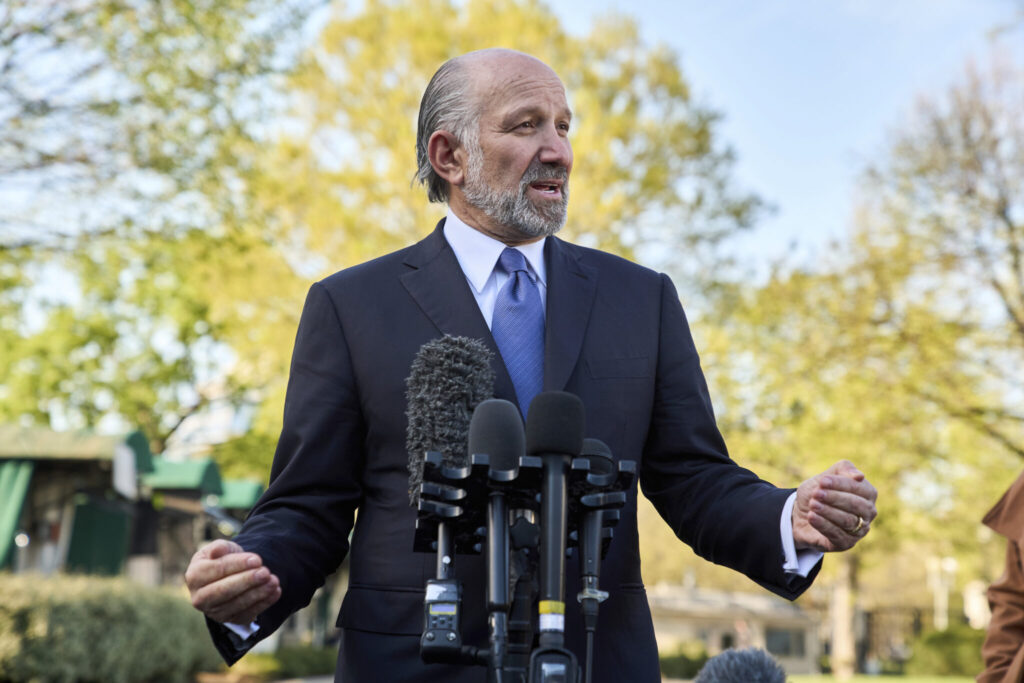
Meanwhile, U.S. Commerce Secretary Howard Lutnick said the agreement was “a major win for American workers and our innovation economy,” citing new commitments from U.K.-based drugmakers to invest more in U.S. manufacturing and R&D, boosting job creation.
Industry Reaction
The Association of the British Pharmaceutical Industry (ABPI) praised the deal as a key step forward for global competitiveness and patient outcomes.
“This agreement is an important step toward ensuring patients can access innovative medicines that improve NHS outcomes,” said ABPI CEO Richard Torbett. “It also strengthens the U.K.’s ability to attract global life sciences investment.”
The deal may also help reverse a trend of declining pharmaceutical investment in the U.K. — with companies like AstraZeneca recently pausing or canceling plans amid regulatory and funding uncertainty.
U.S. Officials Emphasize Balanced Trade
U.S. Health Secretary Robert F. Kennedy Jr. called the agreement “a long-overdue rebalancing of pharmaceutical trade between the U.K. and U.S.” He added that it reinforces a global environment that supports innovation and equitable drug access.
The announcement comes after mounting pressure from U.S. officials and businesses, with U.S. Ambassador Warren Stephens warning that failure to reform U.K. healthcare procurement could threaten future investment.
Broader Trade Context
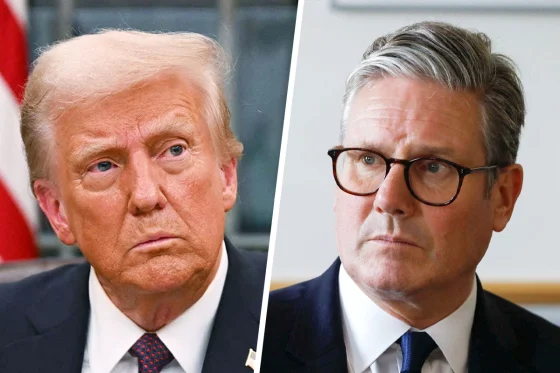
The pharmaceutical agreement builds on a wider U.S.–U.K. economic pact forged earlier this year between President Donald Trump and Prime Minister Keir Starmer. That framework includes:
- Reduced tariffs on British steel, aluminum, and cars
- Expanded U.S. access to the U.K. market for beef, ethanol, and other agricultural goods
Quick Facts
| Feature | Details |
|---|---|
| Tariff Status | 0% on U.K. pharma exports to U.S. |
| Duration | 3 years minimum |
| NHS Spending | +25% on new drugs |
| Investment Commitments | U.K. firms to expand in U.S. |
| Notable Sectors Affected | Cancer treatment, rare disease therapies, life sciences R&D |
| Next Review Date | Post-2028 (pending renewal) |