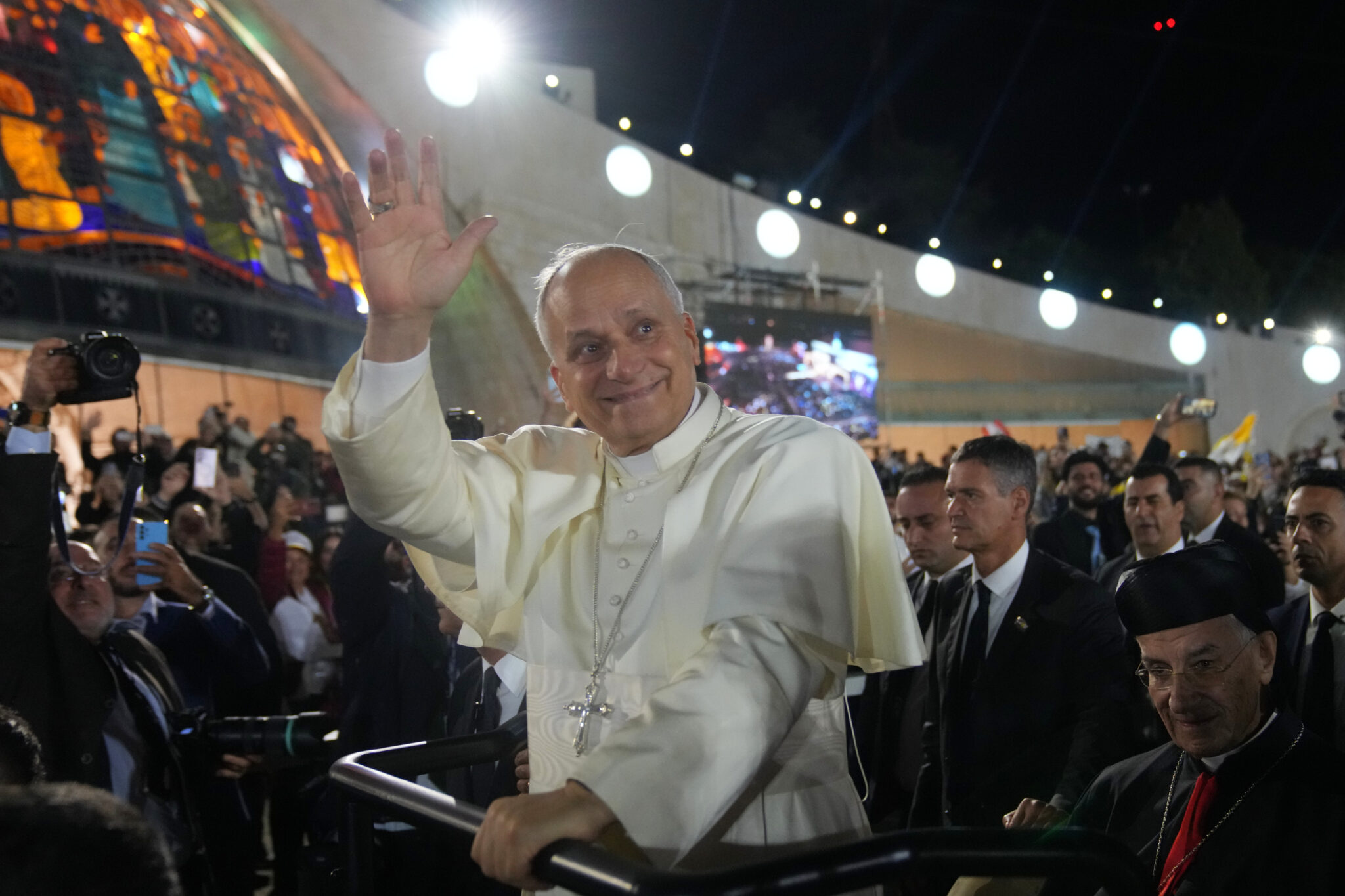
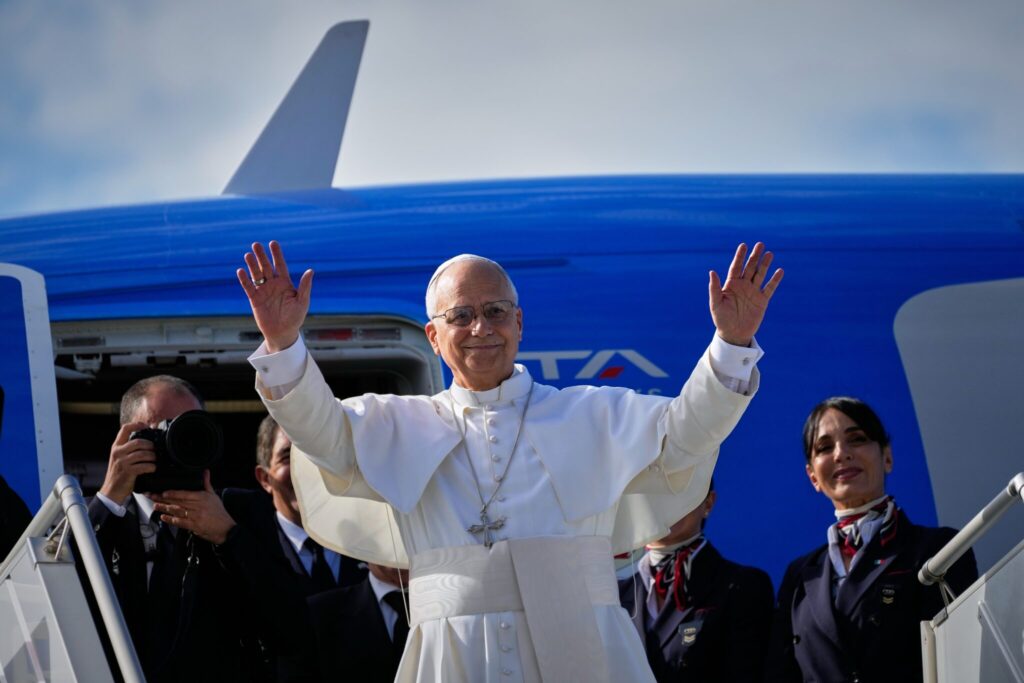
Pope Leo XIV Ends Lebanon Trip With Peace Appeal/ Newslooks/ WASHINGTON/ J. Mansour/ Morning Edition/ Pope Leo XIV concluded his first overseas trip with a powerful message of justice and peace for Lebanon, visiting the 2020 Beirut blast site and calling for accountability. He offered support to southern Lebanon, still reeling from past conflict, and urged national unity. His visit brought emotional moments and renewed hope amid widespread hardship.

Pope’s Lebanon Visit: Quick Looks
- Pope Leo XIV visited the Beirut port blast site, praying for victims and justice.
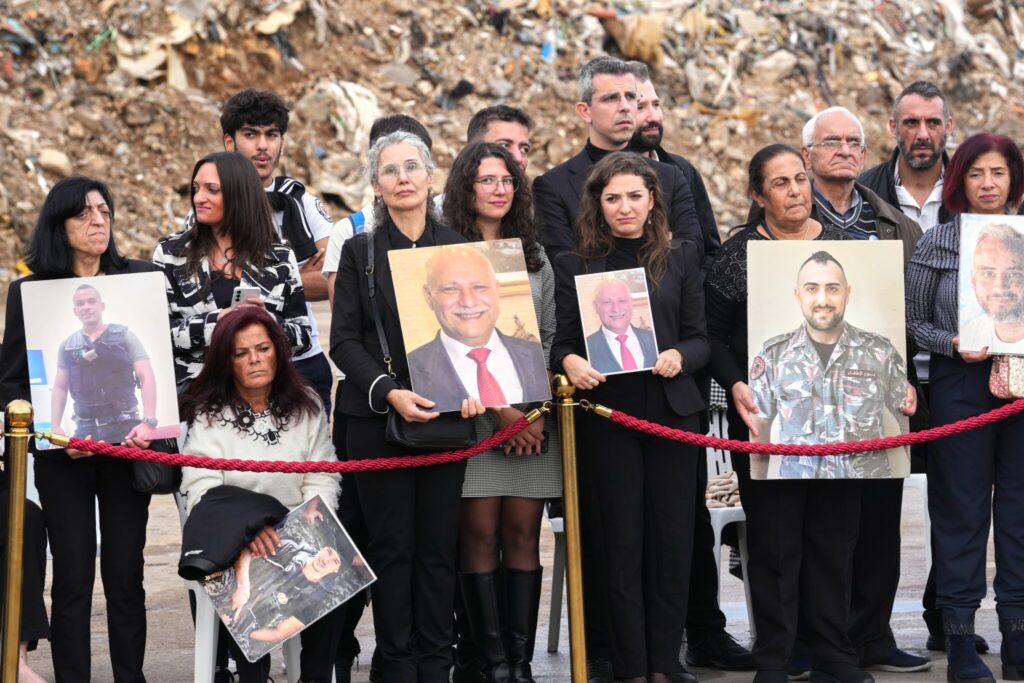
- Families of the 218 victims welcomed the pope, demanding accountability.
- Leo celebrated Mass before 150,000 worshippers, calling for national unity.
- He condemned political and ethnic divisions and urged peace in the region.
- At De La Croix hospital, the pope comforted vulnerable and mentally ill patients.
- In his farewell, Leo addressed southern Lebanon, still facing conflict.
- He referenced biblical cities Tyre and Sidon, calling for peace and dialogue.
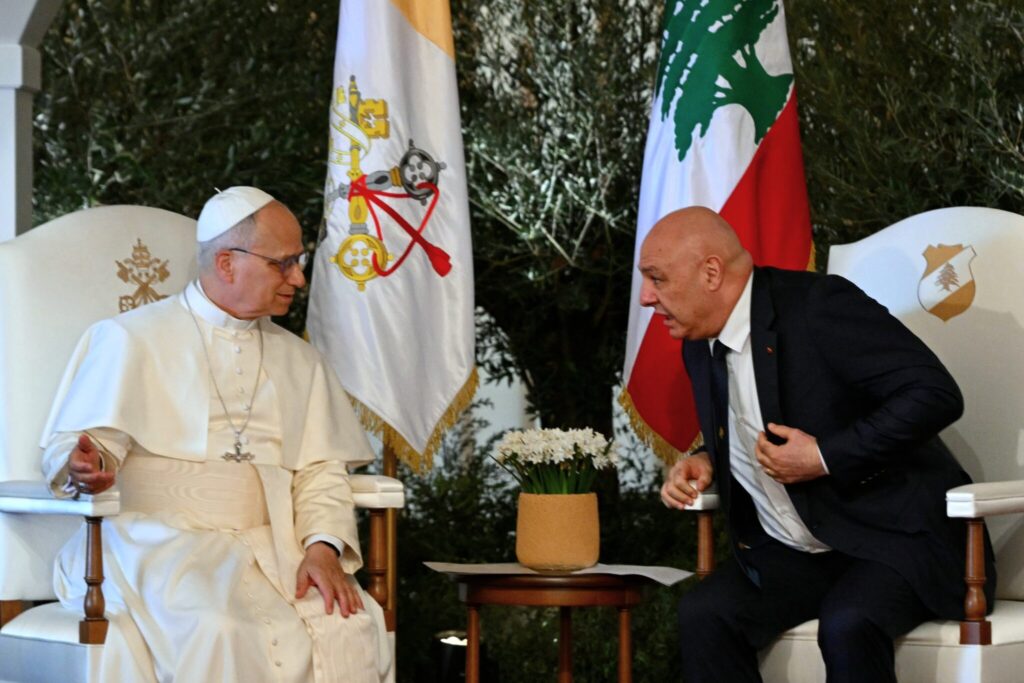
- Lebanese leaders thanked the pope for his visit and his message of hope.
- An Israeli drone appeared over Beirut shortly after Leo’s departure.
- Families of blast victims continue to fight for justice and truth.

Pope Leo XIV Ends Lebanon Trip With Peace Appeal
Deep Look
Pope Leo XIV concluded his landmark first foreign trip on Tuesday with a powerful series of gestures aimed at healing a wounded Lebanon — spiritually, politically, and emotionally. His visit ended with a heartfelt appeal for justice and unity at the site of the catastrophic 2020 Beirut port explosion, a national trauma that continues to haunt the country.
Under the shadow of the still-standing grain silo, the lone remnant of the August 4, 2020, blast that killed 218 people and injured thousands, Pope Leo stood in solemn silence. Before him, grieving families held photos of their lost loved ones — each picture a demand for truth, accountability, and recognition.
This visit, emotional and symbolic, marked the pope’s clearest stand on Lebanon’s unresolved crisis of justice. The explosion, caused by the detonation of hundreds of tons of stored ammonium nitrate, caused billions in damages and became a symbol of deep governmental neglect. Yet five years later, no one has been held responsible. The official investigation remains stalled, blocked by political interference and judicial resistance.
“The visit clearly sends the message that the explosion was a crime,” said Cecile Roukoz, who lost her brother Joseph in the blast. Her words reflected the pain of thousands of families who feel abandoned by a system plagued by impunity.
Leo’s call for justice was clear. “Let us cast off the armor of our ethnic and political divisions,” he proclaimed in a homily before a crowd of 150,000 gathered at the Beirut waterfront for his final Mass. “Lebanon, stand up! Be a home of justice and fraternity!”
His speech emphasized hope and resilience but anchored it in truth and responsibility — a challenge to Lebanon’s political class. “We must reawaken the dream of a united Lebanon,” he said, urging the nation’s fractured confessions and communities to come together.
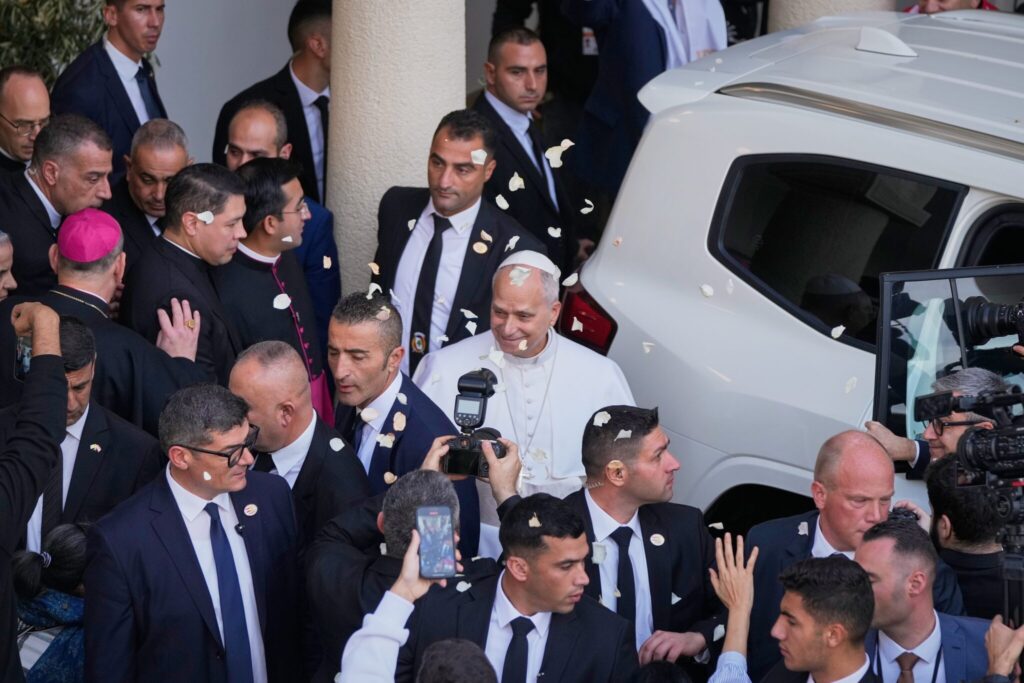
Earlier in the day, Pope Leo visited De La Croix hospital, a facility caring for people with mental health challenges. He was greeted by children dressed as Swiss Guards and clergy — a touch of joy and levity amid the somber tone of the day. Mother Marie Makhlouf, who leads the hospital, called her patients “forgotten souls burdened by loneliness.” The pope responded with compassion, stressing the importance of caring for the most vulnerable.
“We cannot forget those who are most fragile,” he said. “We cannot conceive of a society racing ahead while ignoring so many situations of poverty and vulnerability.”
Pilgrims like Maggie Claudine found hope in his words. “For Lebanon, this means a lot,” she said. “We hope that peace will prevail.”
Leo’s message was especially poignant for the families who still seek justice for the port tragedy. Among them was Mireille Khoury, who lost her 15-year-old son Elias in the explosion. She pointed to the apartment building where Elias died, only meters from the blast site.
“Our children were killed in their homes,” she said. “Justice is the foundation of any country.”
Khoury, like many others, believes that while the pope’s presence brings comfort, justice remains the only true path to healing. “This anger won’t fully disappear,” she admitted. “But this visit brings some peace — until justice is served.”
Pope Leo also addressed Lebanon’s continuing conflict in the south, an area still recovering from last year’s war between Israel and Hezbollah. In his farewell address at Beirut airport, he sent words of solidarity to regions he could not visit, including Tripoli, the Beqaa Valley, and the south.
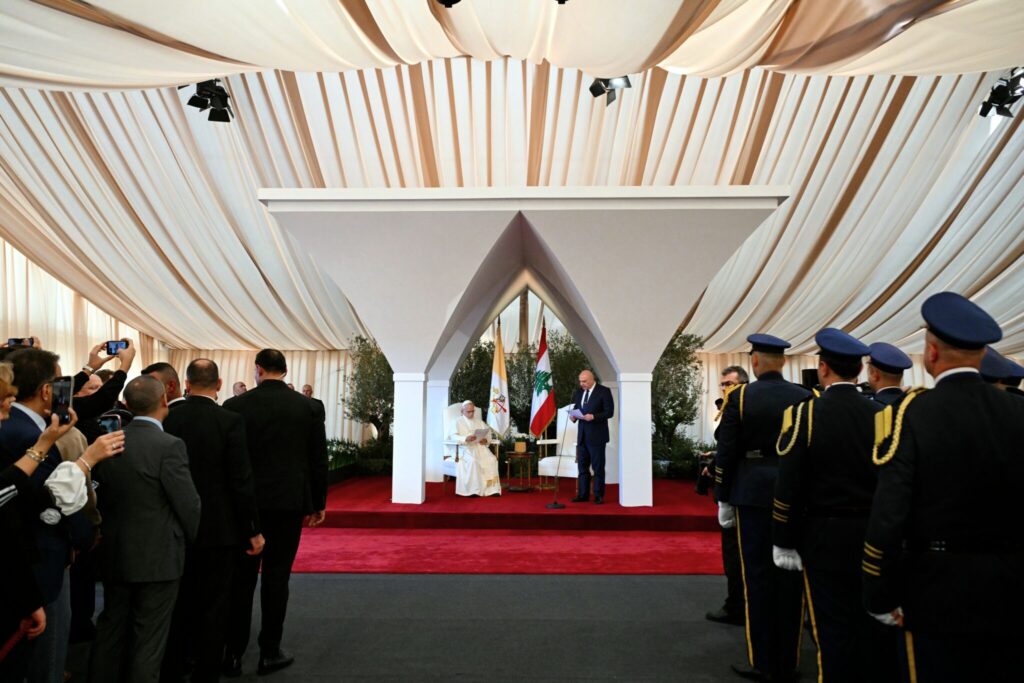
“I greet all the regions of Lebanon that I was unable to visit,” he said. “May the attacks and hostilities cease. Armed struggle brings no benefit. Dialogue is the only constructive path.”
The southern areas of Sidon and Tyre — both biblical cities — remain under tension, frequently targeted by Israeli airstrikes intended to disrupt Hezbollah infrastructure. Residents had hoped for a visit from the pope but expressed gratitude for his acknowledgment and prayers.
The farewell moment was not without tension. Shortly after the pope’s departure, an Israeli drone was spotted hovering over Beirut, a reminder of the fragile security situation in the country.
Lebanese President Joseph Aoun thanked the pope on behalf of the nation. “We do not only part with an honored guest,” he said. “We part with a father who brought us comfort and reminded us that the world has not forgotten Lebanon.”
Throughout his three-day visit, Pope Leo XIV stood as a beacon of peace and moral authority. His presence brought hope to a nation grappling with overlapping crises — economic collapse, war recovery, and political paralysis. But more than symbolic gestures, his words called for action: an end to impunity, a healing of divisions, and a renewal of faith in justice.