Putin Blames Europe for Undermining Ukraine Peace Talks/ Newslooks/ WASHINGTON/ J. Mansour/ Morning Edition/ Russian President Vladimir Putin accused European allies of derailing U.S.-led peace efforts in Ukraine, claiming they inserted unacceptable terms. His remarks came ahead of high-level talks in Moscow with U.S. envoy Steve Witkoff and Jared Kushner. Meanwhile, President Zelenskyy pushed for clarity and warned of Russian disinformation.


Ukraine Peace Talks Stalled: Quick Looks
- Putin accuses European countries of obstructing peace with “unacceptable” demands.
- Russian leader speaks ahead of meeting with U.S. envoys in Moscow.
- U.S. delegation includes Steve Witkoff and Jared Kushner.
- Talks follow Sunday’s Florida negotiations between U.S. and Ukrainian officials.
- Zelenskyy says outcome of talks will determine next diplomatic steps.
- Ukraine insists Europe must be fully involved in peace decisions.
- China’s role remains minimal; Europe grows concerned over marginalization.
- Ukrainian officials deny Russian claims of capturing Pokrovsk.
- Zelenskyy faces growing pressure amid battlefield and political challenges.
- Macron and other European leaders urge broader diplomatic coordination.
Putin Blames Europe for Undermining Ukraine Peace Talks
Deep Look
Tensions escalated in ongoing Ukraine peace negotiations on Tuesday as Russian President Vladimir Putin openly accused European nations of sabotaging U.S.-led diplomatic efforts, claiming their actions were deliberately blocking progress toward ending the nearly four-year-old war.
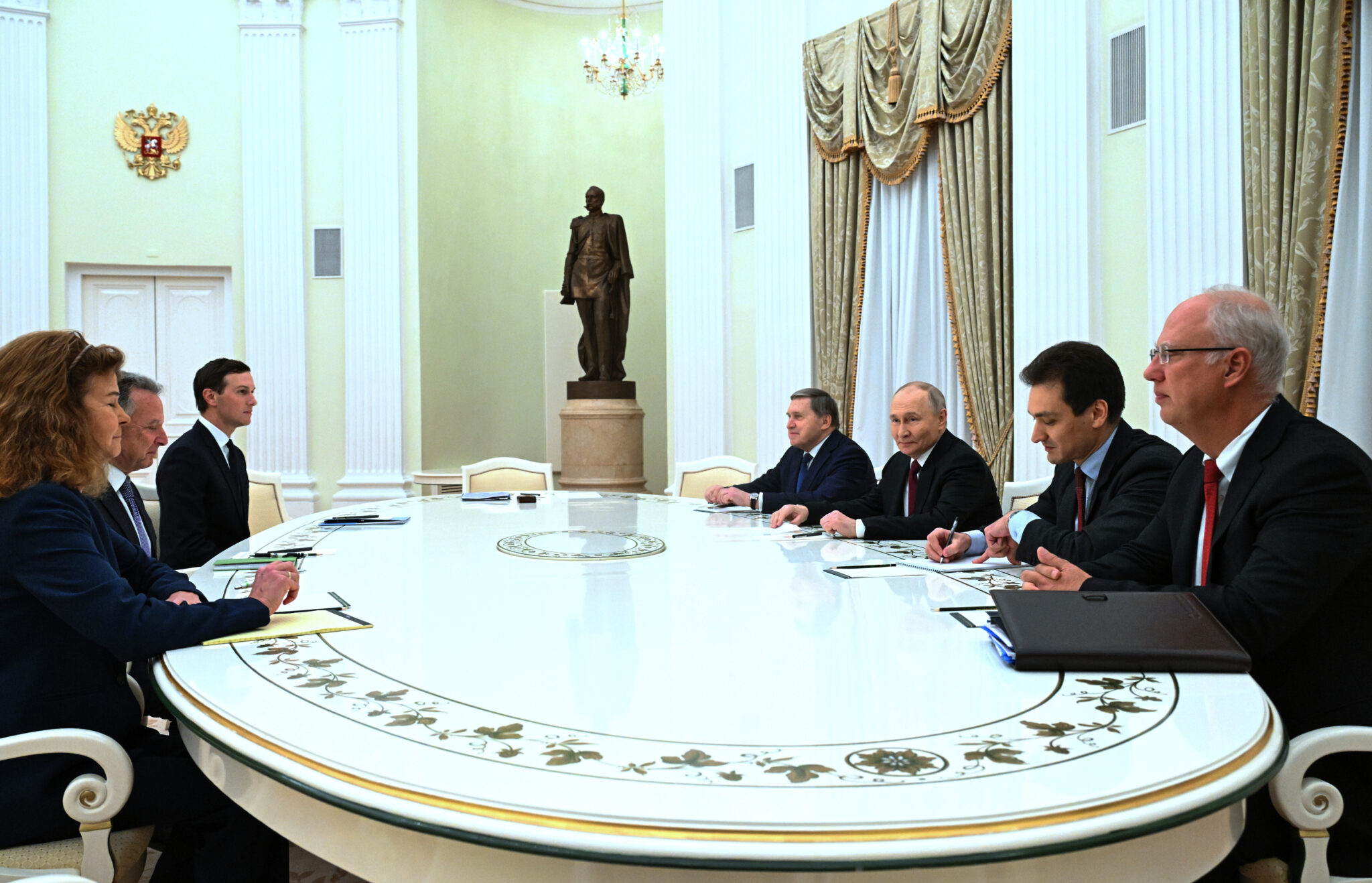
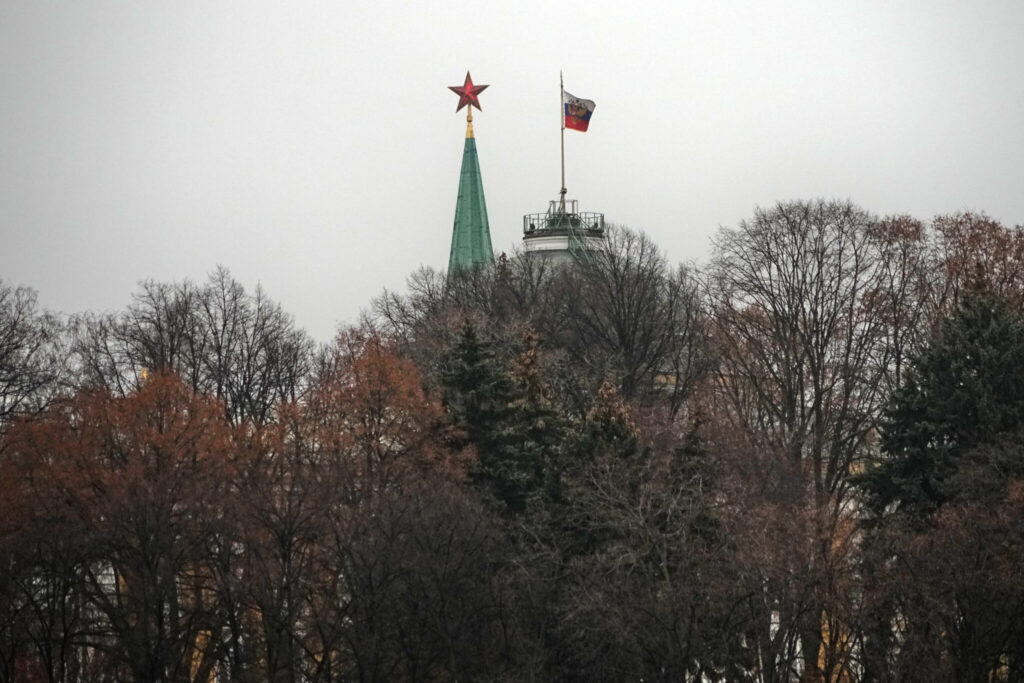
“They don’t have a peace agenda, they’re on the side of the war,” Putin told reporters in Moscow, moments before meeting with U.S. special envoy Steve Witkoff and Jared Kushner, son-in-law of former President Donald Trump. The remarks appeared strategically timed to drive a wedge between the U.S. and its European allies and to deflect blame for stalled talks.
He accused Europe of amending peace proposals with “demands that are absolutely unacceptable to Russia,” thus “blocking the entire peace process,” only to blame Russia for it.
“That’s their goal,” Putin said.
He reiterated his long-held position that Russia has no plans to attack Europe — a concern regularly voiced by some European countries.
“But if Europe suddenly wants to wage a war with us and starts it, we are ready right away. There can be no doubt about that,” Putin said.
Washington and Moscow Hold Critical Talks
The latest diplomatic push comes as Witkoff and Kushner arrived in Moscow for face-to-face talks with the Kremlin. Kremlin spokesperson Dmitry Peskov confirmed that the closed-door meeting would include only the two Americans and an interpreter from the U.S. side. “These talks will take as long as needed,” he said.
The visit follows earlier negotiations held in Florida, where U.S. Secretary of State Marco Rubio met with Ukrainian officials. According to Zelenskyy, the original 28-point peace framework proposed by the Trump administration has now been narrowed to 20 actionable items. Both sides reportedly made progress, though disagreements remain.
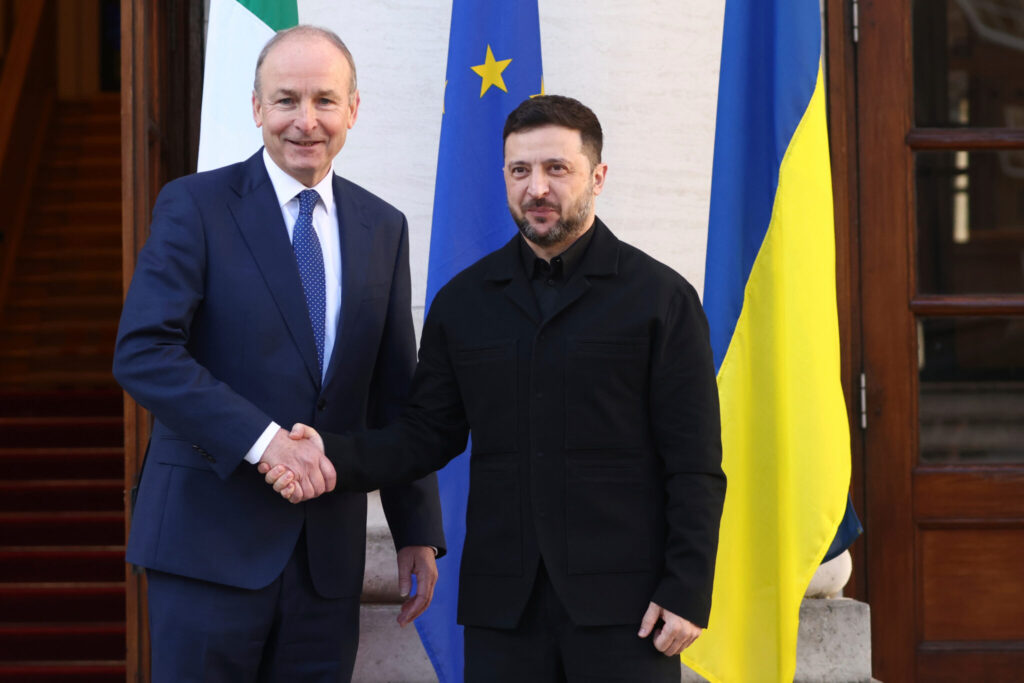
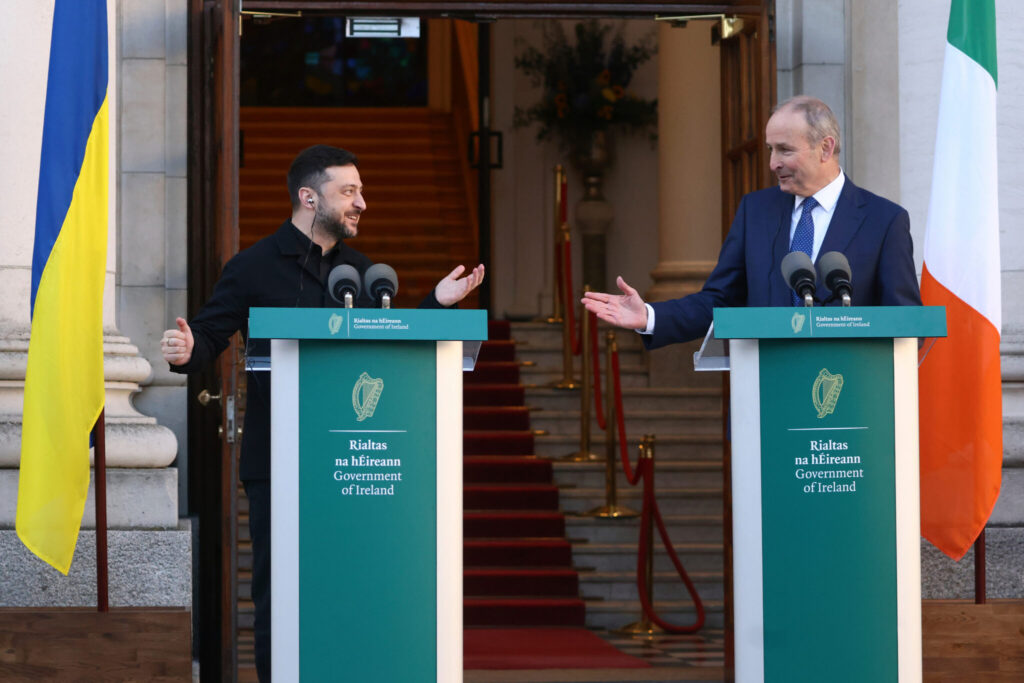
“I expect a report from the U.S. team later today,” President Volodymyr Zelenskyy said during a news conference in Dublin, where he met with Irish Prime Minister Micheál Martin. “If we receive signals of fairness and cooperation, we may soon meet with the American delegation directly.”
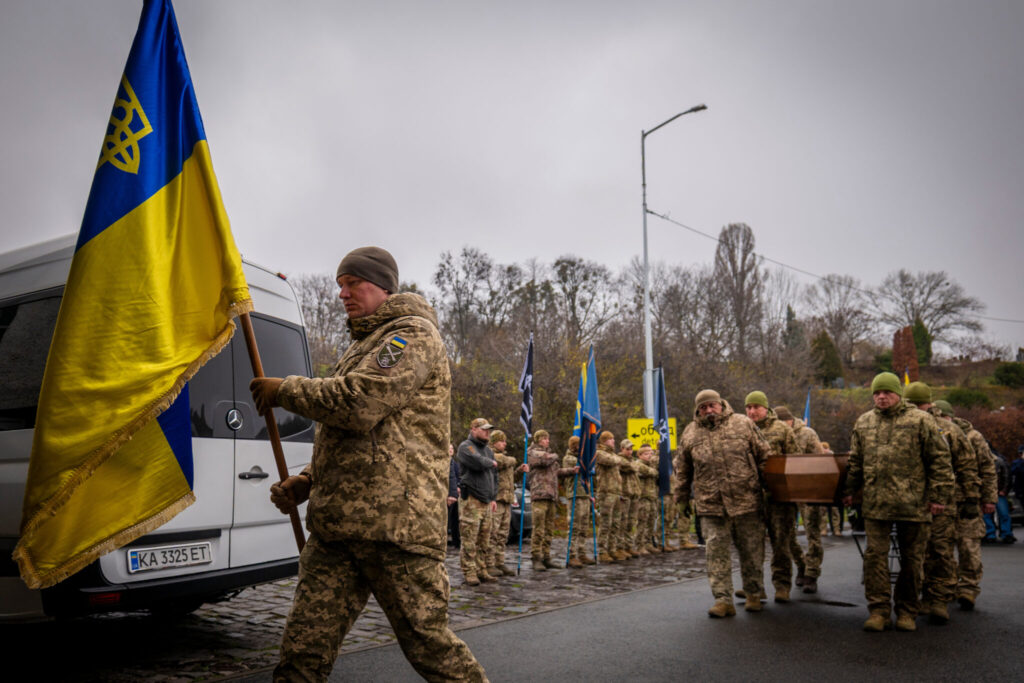
Zelenskyy emphasized urgency. “Our people are dying every day. We need results, not just dialogue,” he said. He also signaled readiness to meet Trump personally if talks progress constructively.
European Leaders Demand a Seat at the Table
European leaders, however, are increasingly vocal about their exclusion from core talks, even as their countries continue to provide critical military and financial support to Ukraine. Many officials fear the West is moving toward a resolution that could ignore European security concerns or force unwanted territorial compromises.
Zelenskyy echoed those concerns in a statement posted to Telegram, stating that Ukrainian diplomats are working to keep European allies deeply engaged in the process. He warned of a Russian disinformation campaign aimed at fracturing allied support and pressuring decision-makers into lifting sanctions or delaying future support packages.
“Ukrainian intelligence will provide partners with all available information about Russia’s real goals,” Zelenskyy stated. “They’re using diplomacy as a tool to ease pressure — not to achieve peace.”
Zelenskyy’s European tour this week included a stop in Paris, where he and French President Emmanuel Macron held joint calls with Witkoff and other European leaders. Macron called the next several days “crucial” for defining the future direction of diplomacy. Discussions also included NATO Secretary-General Mark Rutte and leaders from eight EU countries.
Unresolved Challenges Cloud Negotiations
Despite ongoing diplomatic activity, core differences between Ukraine and Russia remain unresolved. The biggest roadblocks include the question of territorial control, particularly in eastern Ukraine and Crimea, and future security guarantees for Ukraine in the event of a ceasefire or peace agreement.
Many Western officials remain wary of Russian intentions, citing Putin’s broader ambitions in the region and skepticism about whether any agreement could be durable.
Zelenskyy Faces Mounting Domestic Pressure
While pursuing international diplomacy, Zelenskyy faces growing internal pressure. Ukraine’s economy remains fragile, military resources are strained, and a recent corruption scandal has hit the upper levels of government. These domestic challenges, combined with Russian advances on the battlefield, are intensifying scrutiny of his leadership.
On Monday night, the Kremlin claimed that Russian forces had captured Pokrovsk, a key city in the eastern Donetsk region. Zelenskyy, speaking in Paris, denied the claim, insisting that fighting in Pokrovsk was still ongoing. On Tuesday, Ukraine’s military general staff echoed this, calling the Russian announcement a “propaganda stunt” and confirming that resupply routes were still operational in the area.
Conclusion: Delicate Diplomacy at a Critical Juncture
The fate of the Ukraine peace process now appears to hinge on how the next few days unfold. U.S. officials are attempting to mediate between Kyiv and Moscow, while Europe pushes for a greater say in a deal that could reshape the continent’s security landscape.
Putin’s attempt to sideline Europe while accusing it of stalling peace reflects the high-stakes geopolitical maneuvering surrounding these talks. With the war nearing its four-year mark, the global community is watching closely to see whether this latest diplomatic push results in a breakthrough — or another impasse.