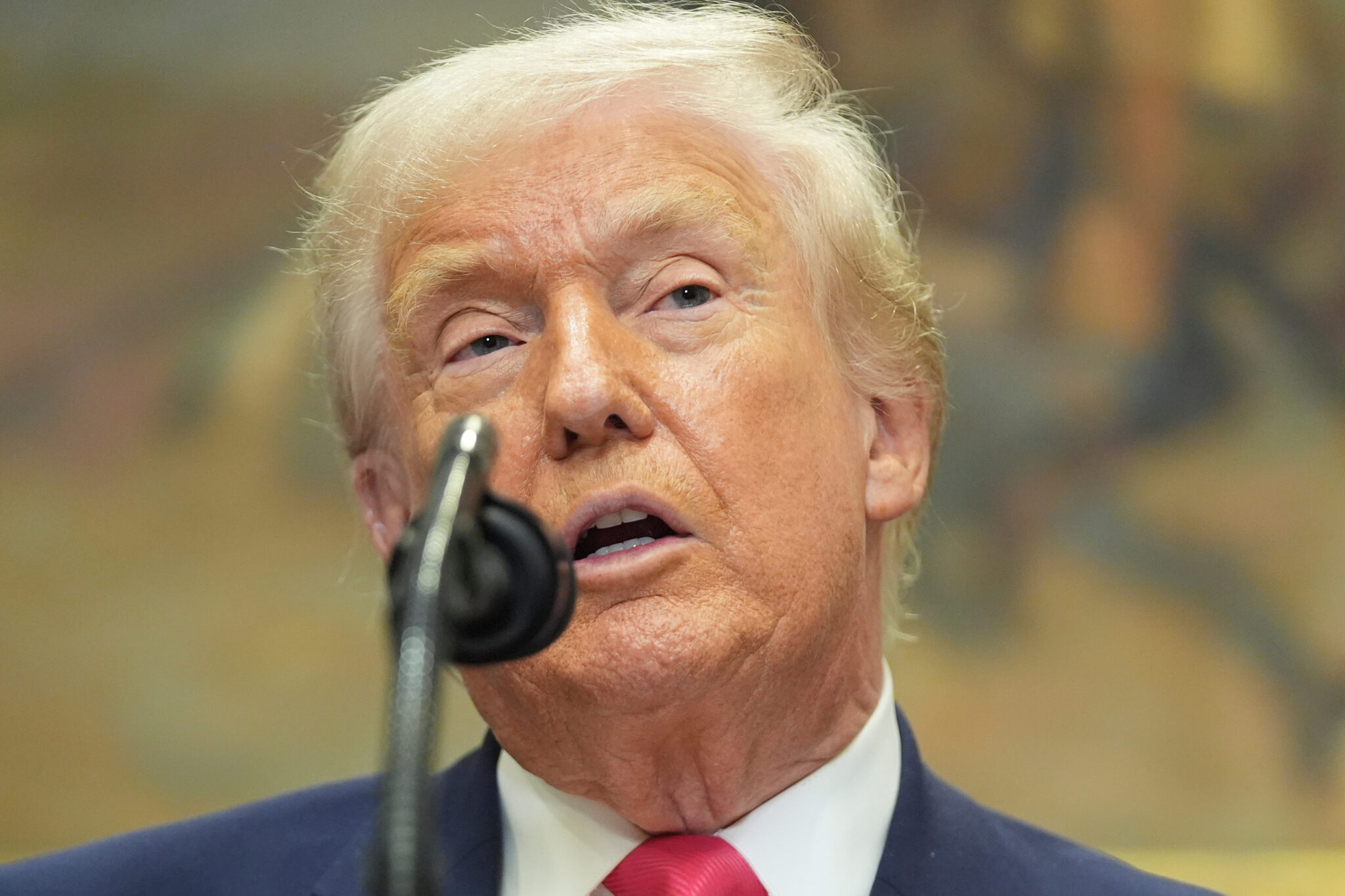
Trump Targets Gas Mileage Rules in Regulatory Rollback/ Newslooks/ WASHINGTON/ J. Mansour/ Morning Edition/ President Donald Trump plans to roll back federal vehicle mileage standards, easing emissions regulations for gasoline-powered cars through 2031. The White House argues the move improves affordability and consumer choice, while environmental advocates say it undermines climate goals. Automakers have praised the shift, while critics warn it deepens U.S. reliance on oil.
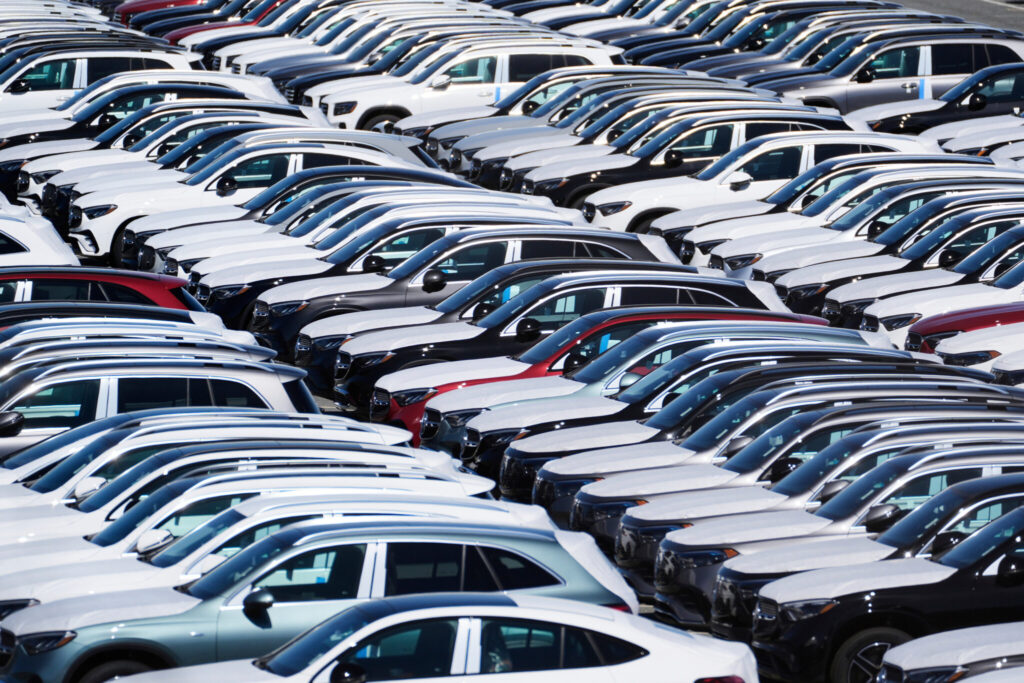
Fuel Standards Rollback Quick Looks
- Trump to propose weakened fuel economy standards through 2031
- New plan significantly reduces Biden-era emissions and mileage targets
- Proposal to be announced at a White House event with auto CEOs
- Ford and Stellantis praise the rollback as “common sense” and “realignment”
- Environmentalists blast the plan, citing oil dependence and climate risks
- Current fuel economy rules require 50 mpg by 2031; Trump to lower target
- EV incentives, emissions fines previously rolled back under Trump
- No federal EV mandate exists; Biden set a non-binding 50% sales target
- California’s 2035 zero-emission rule blocked earlier by GOP lawmakers
- Transportation Secretary Duffy cites legal flaws in Biden mileage calculations
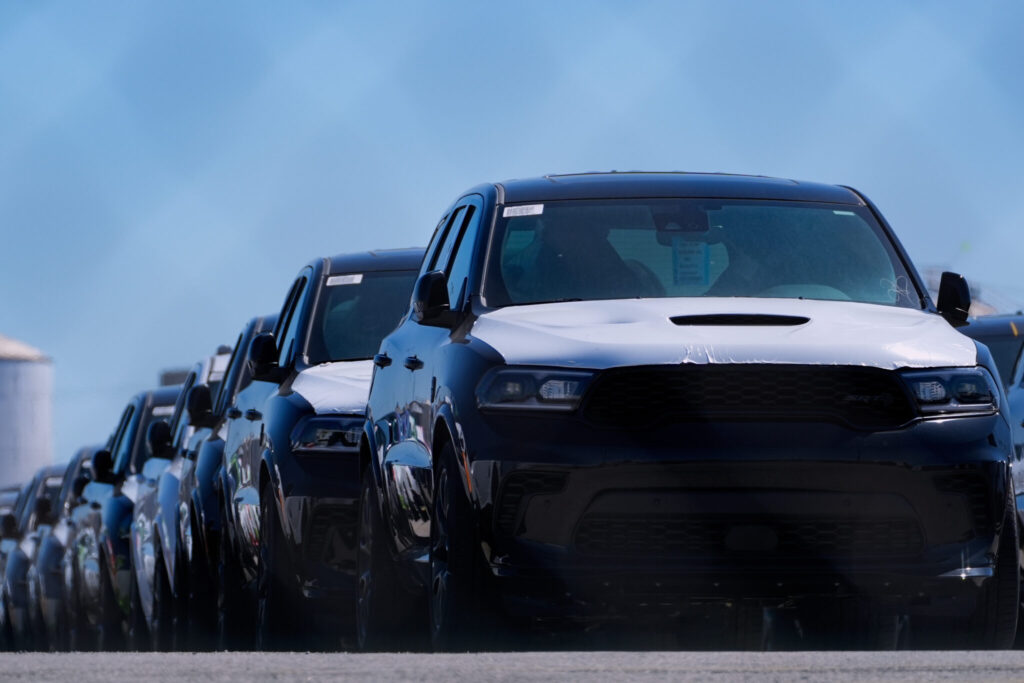
Deep Look: Trump’s Fuel Economy Rollback Draws Praise from Automakers, Anger from Climate Advocates
WASHINGTON — President Donald Trump is preparing to unveil a major rollback of vehicle fuel economy standards, significantly weakening environmental rules that were designed to reduce pollution from gasoline-powered vehicles and encourage the transition to electric cars.
According to several people briefed on the proposal, the White House will announce the plan Wednesday afternoon, with a formal announcement scheduled at 2:30 p.m. EST. Trump is expected to host top executives from major automakers, including Ford and Stellantis, who have welcomed the changes.
What the New Rule Does
The revised proposal would reduce fuel economy requirements for automakers through the 2031 model year, departing sharply from standards established under President Biden, which aimed to push the industry toward higher efficiency and lower emissions.
Currently, federal rules call for passenger cars to average about 50 miles per gallon by 2031. Trump’s plan will scale that figure down, although exact numbers have not been made public yet.
According to a White House official and others familiar with the policy, the administration believes that loosening the standards will provide greater flexibility for carmakers and restore consumer access to affordable gasoline-powered vehicles.
In defending the move, the administration claims that previous standards were unrealistic and unfairly penalized consumers by promoting expensive EVs.
Automaker Response: A ‘Win for Customers’
Ford CEO Jim Farley praised the rollback in a statement released Wednesday, calling it a “win for customers and common sense.”
“As America’s largest auto producer, we appreciate President Trump’s leadership in aligning fuel economy standards with market realities,” Farley said. “We can make real progress on carbon emissions and energy efficiency while still giving customers choice and affordability.”
Stellantis CEO Antonio Filosa also applauded the move, saying it would “realign standards” with consumer and market demands.
The announcement follows earlier Trump administration decisions to:
- Terminate consumer EV tax credits of up to $7,500
- Repeal fines for automakers who miss fuel efficiency targets
- Relax tailpipe emissions standards
Environmental Advocates Sound Alarm
Not everyone supports the plan. Environmental organizations and clean-energy advocates have sharply criticized the rollback.
“In one stroke, Trump is worsening three of our biggest problems: our thirst for oil, high gas prices, and climate change,” said Dan Becker, director of the Safe Climate Transport Campaign at the Center for Biological Diversity.
“Trump’s action will deepen America’s addiction to oil while hurting our ability to compete with China and Europe in clean tech,” Becker added.
The burning of gasoline in vehicles is one of the leading sources of U.S. greenhouse gas emissions, and climate advocates warn that the rollback undermines decades of progress.
Misleading Claims About an EV ‘Mandate’
Trump has frequently claimed he is ending what he calls a “mandate” for electric vehicles, though no such federal requirement exists. President Joe Biden’s EV goal is a non-binding target: aiming for 50% of new car sales to be electric by 2030.
In contrast, California and a few other states have passed laws requiring all new vehicles sold after 2035 to be zero-emission, including EVs. Congressional Republicans, with Trump’s support, blocked those state rules earlier this year.
EVs made up about 8% of new car sales in 2024, according to Cox Automotive.
Transportation Secretary Pushes for Rollback
Transportation Secretary Sean Duffy, a Trump appointee, pushed for the rollback soon after taking office. He has argued that the Biden-era mileage rules were illegal because they factored in electric vehicles, which use no gasoline and distort average fuel economy calculations.
After a policy revision in June, the National Highway Traffic Safety Administration (NHTSA) was empowered to rewrite the rules — and this week’s announcement is the result.
Industry Frustration with Biden-Era Rules
Under the previous administration, automakers were required to improve fuel efficiency by 2% each year for light-duty vehicles from 2027 to 2031, and by the same percentage for light trucks starting in 2029.
Automakers said these standards were too ambitious and costly to meet, especially as the market remains mixed between gasoline, hybrid, and electric vehicle demand.
A Long History of Mileage Standards
The federal fuel economy program, known as CAFE (Corporate Average Fuel Economy), was created during the 1970s energy crisis to reduce oil consumption. Over time, the rules have become a critical tool for tackling both air pollution and climate change.
Trump’s latest move may mark a significant turning point, reducing pressure on automakers to invest in fuel-saving technologies — and possibly stalling the shift to electric mobility.