New York Times Sues Pentagon Over Media Ban/ Newslooks/ WASHINGTON/ J. Mansour/ Morning Edition/ The New York Times has filed a lawsuit against the Pentagon over new media restrictions imposed by Defense Secretary Pete Hegseth. The suit argues the rules violate press freedoms and give unchecked authority to blacklist reporters. Mainstream outlets have been shut out as conservative media gain exclusive access.

Pentagon Press Ban Quick Looks
- NYT sues Pentagon over new restrictive media policy
- Lawsuit claims violations of free speech, due process
- Rules allow Hegseth to unilaterally ban reporters
- Mainstream media excluded, conservative outlets dominate briefings
- Denied access hampers reporting on defense issues
- Pentagon defends policy as “common sense” security move
- Press secretary calls legacy media “propagandists”
- Times seeks court ruling to overturn unconstitutional restrictions
Deep Look:
New York Times Sues Pentagon Over Press Restrictions Imposed by Defense Secretary Pete Hegseth
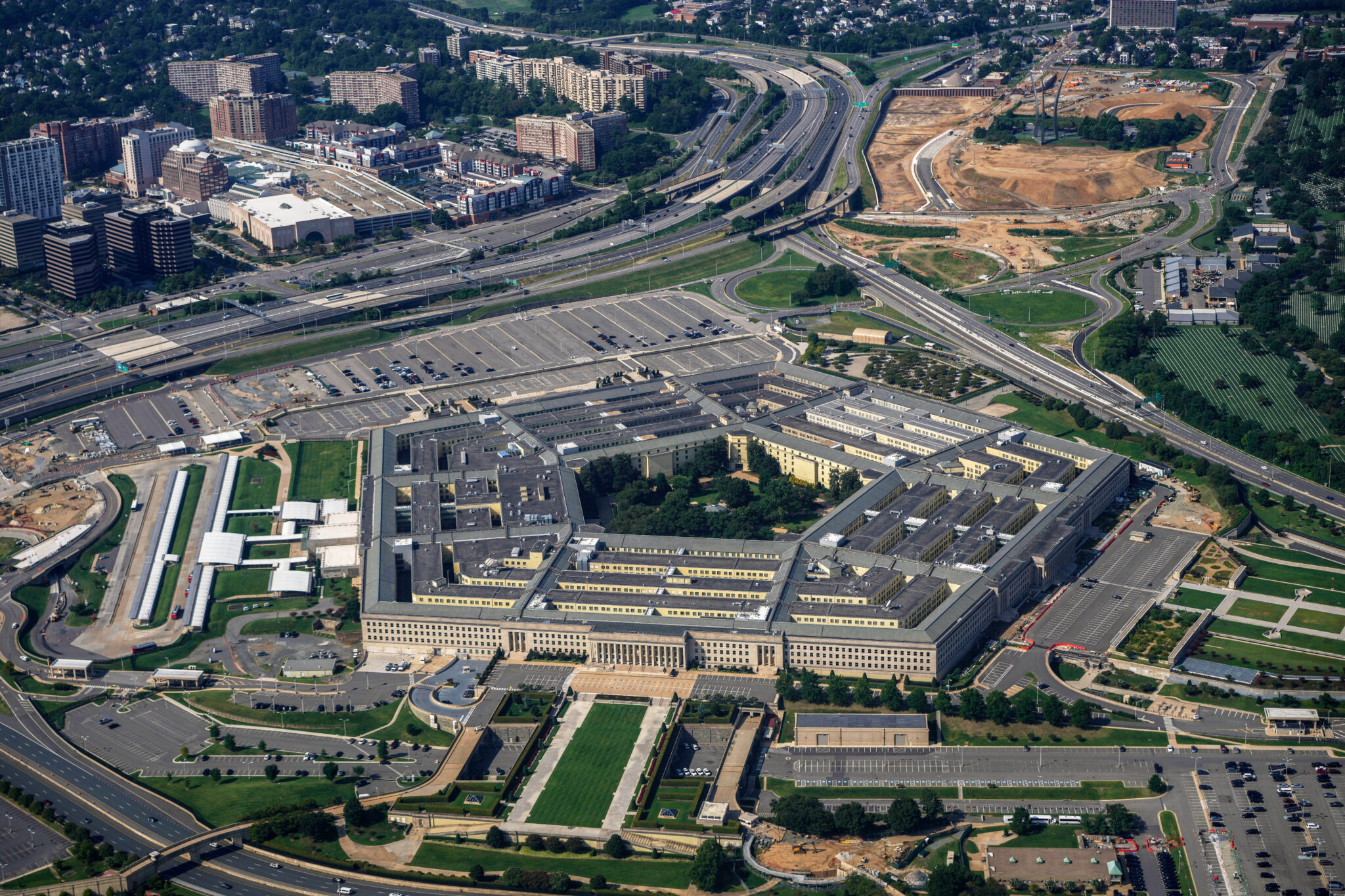
NEW YORK — The New York Times has filed a federal lawsuit against the Department of Defense, challenging new media access restrictions enforced by Defense Secretary Pete Hegseth that have effectively locked out most mainstream news organizations from the Pentagon.
Filed Thursday in U.S. District Court in Washington, D.C., the lawsuit argues that the rules violate the First Amendment’s protections for freedom of the press and the constitutional right to due process. The newspaper contends the policy gives Defense Secretary Hegseth unchecked power to decide which journalists are allowed access, enabling him to bar coverage he finds unfavorable.
“The policy is an attempt to exert control over reporting the government dislikes,” said Charles Stadtlander, a spokesman for The New York Times.
The controversial policy has resulted in major outlets such as The New York Times, The Washington Post, CNN, and the Associated Press losing their Pentagon press credentials. These organizations have refused to accept the new rules, choosing instead to report from outside the building rather than comply with what they see as unconstitutional limitations.
Media Excluded, Conservative Outlets Welcomed
The new guidelines have reshaped the Pentagon’s press room, now largely populated by conservative-leaning media outlets that agreed to the Hegseth policy. These select outlets were present during a Tuesday briefing by Pentagon press secretary Kingsley Wilson, which excluded legacy media organizations.
Despite being denied credentials, those outlets have continued to report extensively on defense matters. In recent days, they’ve led coverage on stories questioning Hegseth’s involvement in military strikes on alleged drug smuggling boats — including reports that a second strike was ordered even after survivors were spotted in the water.
Still, The Times says that lack of direct access limits journalists’ ability to report thoroughly and fairly. In court filings, the paper argued that even if classified information isn’t involved, allowing the defense secretary to revoke credentials based on story content has a chilling effect on press freedom.
Media advocates and Times attorneys warn the implications extend beyond the Pentagon. If upheld, similar restrictions could be adopted across other federal agencies, potentially undermining the press’s ability to hold power to account.
Pentagon Defends the Policy
The Department of Defense argues the new policy is intended to safeguard military operations and prevent leaks that could endanger U.S. personnel. Speaking at the briefing on Tuesday, Pentagon press secretary Kingsley Wilson dismissed criticism from barred outlets.
“The American people don’t trust these propagandists because they stopped telling the truth,” Wilson said. “So, we’re not going to beg these old gatekeepers to come back and we’re not rebuilding a broken model just to appease them.”
Wilson’s comments, particularly the use of the word “propagandists,” are central to the Times’ case. The paper claims this language provides clear evidence of viewpoint discrimination — a core issue in its legal argument. The same allegation is at the heart of a separate lawsuit filed by the Associated Press, which accuses the Trump administration of restricting access to Oval Office events and Air Force One flights.
While AP reporters still have general access to the White House, the Times points out that its reporters are now completely barred from entering the Pentagon, making its legal position more urgent.
Press Freedom and Due Process at Stake
The Times is suing on behalf of both the newspaper and national security correspondent Julian E. Barnes. The named defendants include Defense Secretary Pete Hegseth, Pentagon spokesperson Sean Parnell, and the Department of Defense itself.
The lawsuit challenges the constitutionality of allowing any government official — especially the Secretary of Defense — to unilaterally determine which reporters may cover the Pentagon. Legal experts note that such unchecked authority over press access could establish a dangerous precedent if not struck down.
While the Times is moving forward with the lawsuit independently to avoid delays, it has expressed openness to collaboration with other news outlets that have been similarly impacted. Many have spoken out against the restrictions, but none have yet joined the legal challenge.
Access Denied to Millions of News Consumers
The Pentagon’s decision to bar several of the nation’s most influential news organizations — including The Times, the Associated Press, CNN, and The Washington Post — significantly limits the information available to the American public. These outlets collectively reach tens of millions of people and are widely regarded as credible, fact-based sources of national security coverage.
On Tuesday, all four requested access to Wilson’s Pentagon press briefing and were rejected. The Pentagon’s press office cited the credentialing policy, restricting participation to pre-approved media organizations.
Media law analysts say the case could become a defining moment in the fight over government transparency, press freedoms, and political interference in journalism.
For now, The New York Times is seeking a court order to reverse the Pentagon’s policy, restore its press access, and reestablish a precedent that guards against politically motivated credentialing decisions.