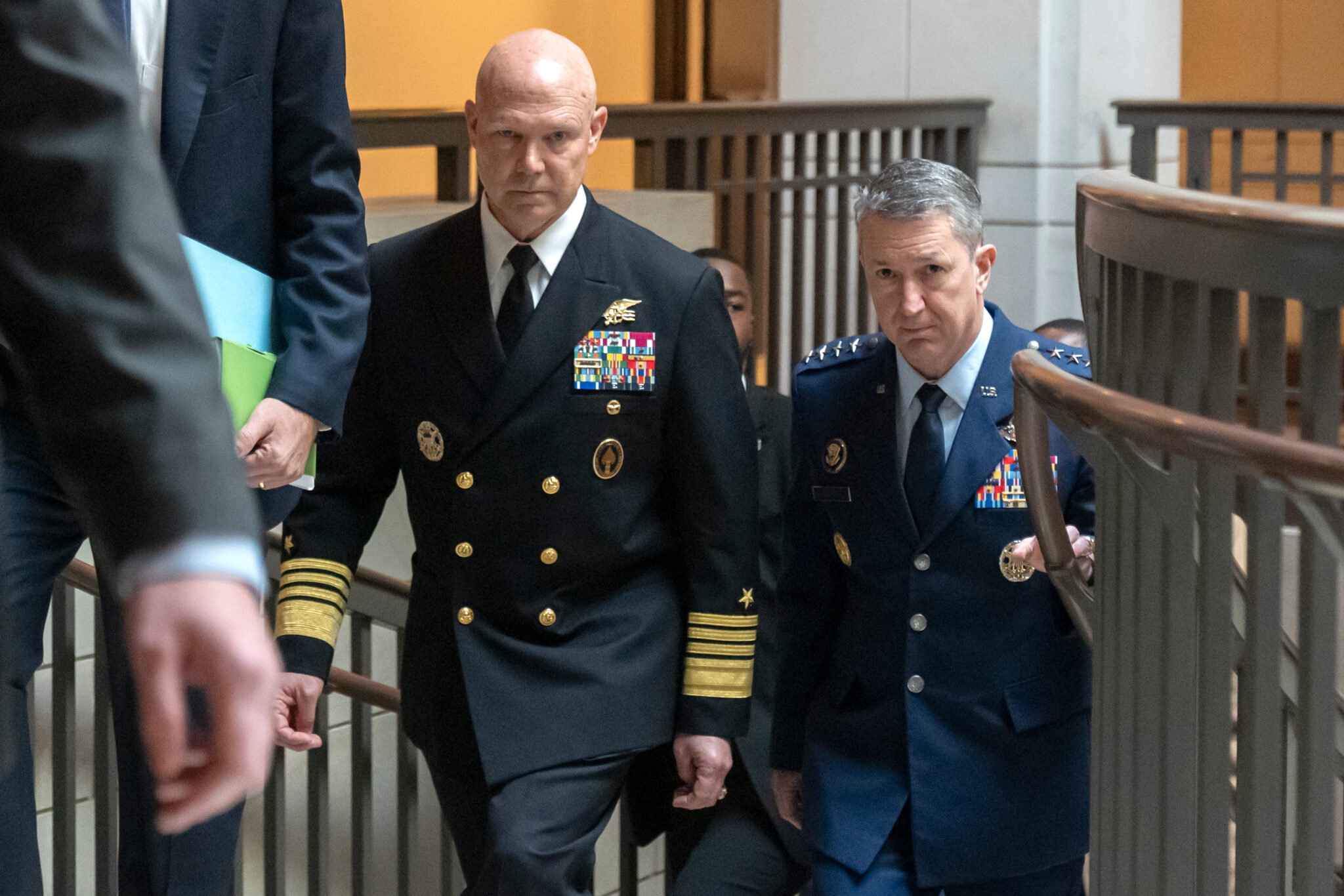
Adm. Bradley Denies ‘Kill Them All’ Order in Venezuela Strike in Briefing/ Newslooks/ WASHINGTON/ J. Mansour/ Morning Edition/ Adm. Frank “Mitch” Bradley told lawmakers there was no “kill them all” order from Defense Secretary Pete Hegseth regarding a deadly follow‑on strike near Venezuela. Despite the denial, lawmakers who viewed the classified video said they remain alarmed by the killing of two distressed survivors. Congress continues pressing for documents, videos and orders to determine whether the operation violated U.S. or international law.
Admiral Denies Kill Order: Quick Looks
- Adm. Frank “Mitch” Bradley says Hegseth gave no “kill them all” directive
- Lawmakers divided after viewing classified footage of the second strike
- Rep. Jim Himes calls video “one of the most troubling” things he’s seen
- Review focuses on legality of killing survivors after initial boat strike
- Bradley and Joint Chiefs Chair Gen. Dan Caine brief top committees
- Democrats demand release of full video and written orders
- Republicans insist investigation will be completed “by the numbers”
- Hegseth maintains Bradley had “complete authority” for second strike
- IG report faults Hegseth for sharing sensitive info on personal app
- Over 80 killed in broader anti–drug cartel campaign since September
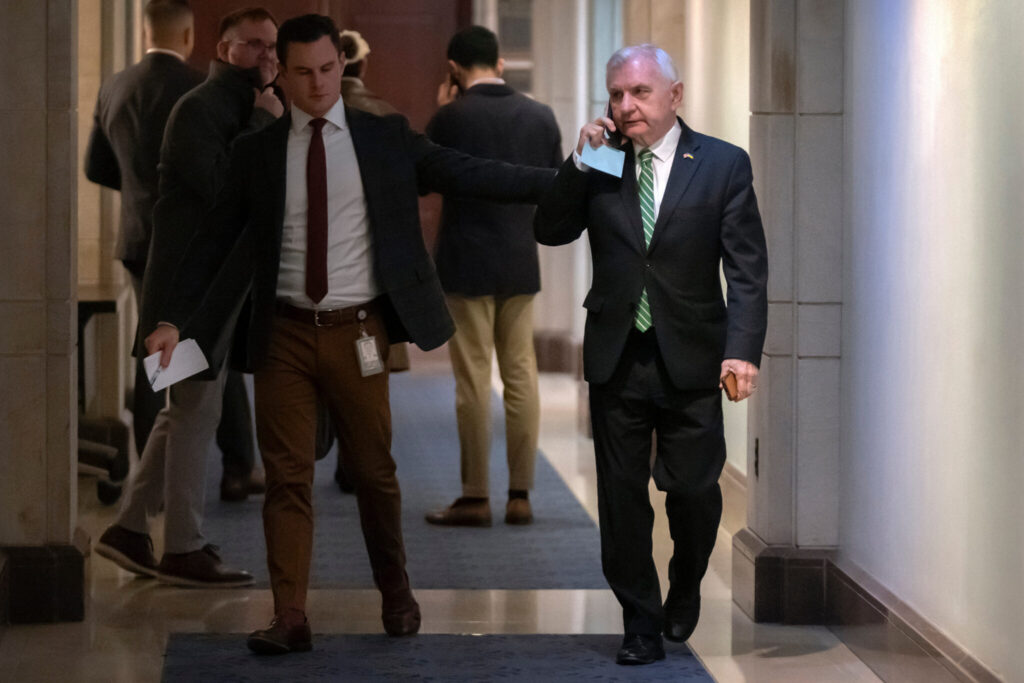
Adm. Bradley Denies ‘Kill Them All’ Order n Venezuela Strike in Briefing
Deep Look:
WASHINGTON — Confronting an escalating congressional investigation, Adm. Frank “Mitch” Bradley told lawmakers Thursday that Defense Secretary Pete Hegseth never issued a “kill them all” order before a controversial second strike killed two survivors of an earlier military attack on an alleged drug vessel off the coast of Venezuela.
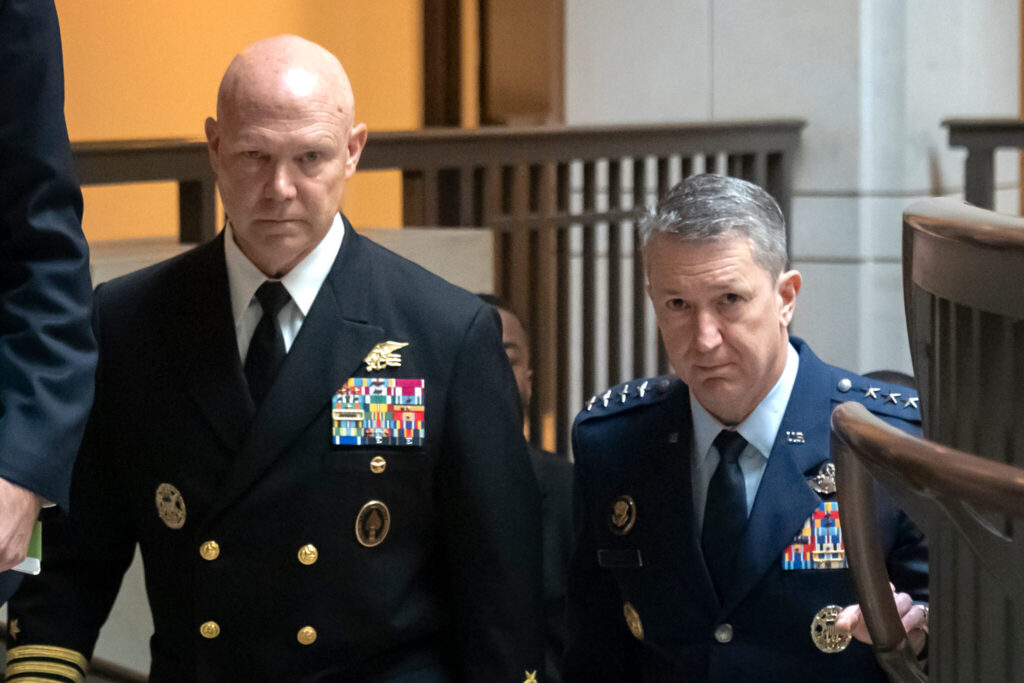
Members of the House and Senate Intelligence and Armed Services Committees heard Bradley’s testimony during a closed classified briefing that has become central to a growing dispute over the legality and chain-of-command authority behind the operation. Bradley, now the head of U.S. Special Operations Command, was responsible for carrying out the strike on September 2 — a strike that lawmakers say may have crossed legal lines if unarmed survivors were targeted intentionally.
Sen. Tom Cotton, the Republican chairman of the Senate Intelligence Committee, emerged from the briefing defending the admiral’s account. He emphasized that Bradley was explicit in stating he never received instructions to give “no quarter” or eliminate all survivors. “He was given an order that was written down in great detail,” Cotton said, underscoring his belief that the mission operated within legal parameters.
But the reaction across Capitol Hill was far from unified.
Rep. Jim Himes of Connecticut, the top Democrat on the House Intelligence Committee, gave one of the most forceful responses yet, describing the classified footage of the second strike as deeply distressing. “What I saw in that room was one of the most troubling things I’ve seen in my time in public service,” Himes said. He recounted watching two surviving individuals, stranded and unable to move after their vessel was destroyed, being killed by U.S. forces.
The contrasting reactions reflect the political and legal stakes surrounding the operation and Hegseth’s handling of it. While The Washington Post previously reported claims that Bradley ordered the follow‑on strike to comply with Hegseth’s alleged directive to “kill everybody,” Bradley’s testimony disputes that account. Still, the lingering questions remain significant enough that lawmakers from both parties are demanding more documentation, including the full strike video, written authorizations, intelligence used to identify the boat, and rules of engagement guiding the operation.
Gen. Dan Caine, chairman of the Joint Chiefs of Staff, joined Bradley at the Capitol to address legislators as the inquiry intensifies. Congress wants a precise timeline of decision-making and a clear understanding of whether the survivors constituted a threat under military rules or were considered hors de combat, which would make targeting them unlawful.
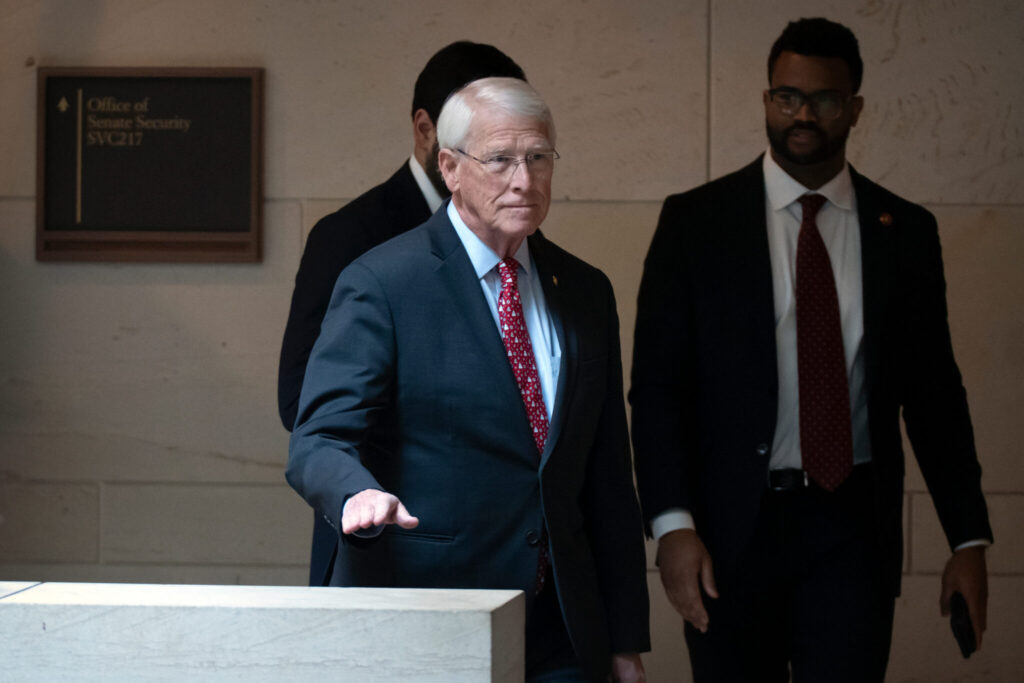
Meanwhile, Republicans controlling the relevant committees insist the review will be comprehensive. “The investigation is going to be done by the numbers,” said Sen. Roger Wicker of Mississippi. “We’ll find out the ground truth.”
Pressure also continues to build around Hegseth personally. President Donald Trump has defended his defense secretary, calling the broader public concern over affordability and violence “a hoax” in unrelated comments earlier this week, but Hegseth faces scrutiny on multiple fronts.
On Thursday, the Defense Department inspector general released a partially redacted report concluding that Hegseth endangered U.S. service members when he used the Signal messaging app on his personal phone to share sensitive information about a strike on Houthi militants earlier in the year.
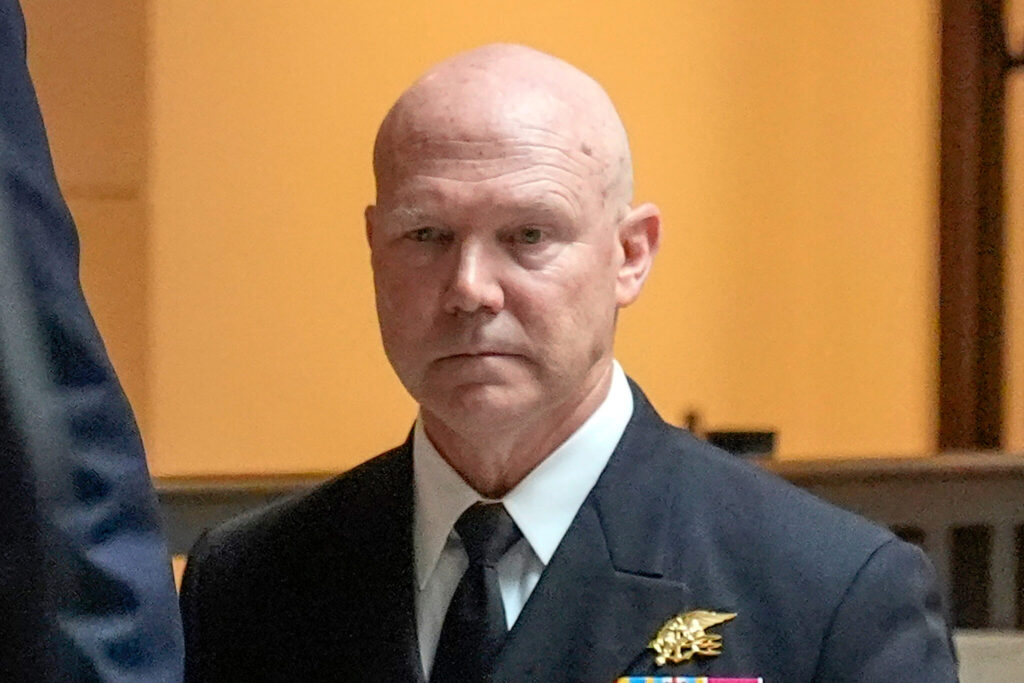
At the time of the Venezuela operation, Bradley commanded Joint Special Operations Command, overseeing elite military units. A decorated Navy SEAL with more than 30 years of service, Bradley was among the first special operations officers deployed to Afghanistan after the September 11 attacks. His recent promotion to four‑star admiral was unanimously approved by the Senate, and lawmakers from both parties have praised his integrity.
Even so, several lawmakers made clear that rank and reputation will not shield anyone involved if wrongdoing is found.
Sen. Thom Tillis, a North Carolina Republican, said, “Anybody in the chain of command that was responsible for it, that had vision of it, needs to be held accountable.”
As part of the investigation, lawmakers want to determine whether the rationale for the second strike — reportedly the need to sink the damaged vessel — justified the use of lethal force against survivors who had no mobility. Officials familiar with the matter say the military knew survivors were in the water before conducting the follow‑up attack, but those officials were not authorized to speak publicly.
The controversy forms part of a series of aggressive military actions ordered since September against drug cartels that the Trump administration now labels “narco‑terrorists.” More than 80 people have been killed in these operations. Supporters of the campaign argue that cartels operate as transnational armed groups, justifying the use of war powers.
But critics, including Sen. Richard Blumenthal of Connecticut, argue that the administration’s claim of war powers is a dangerous overreach. Blumenthal contends Hegseth bears ultimate responsibility. “He may not have been in the room, but he was in the loop,” he said. “And it was his order that was instrumental and foreseeably resulted in the deaths of these survivors.”
As Congress awaits additional documents and testimony, the fate of the investigation — and the potential accountability for senior leaders — remains unresolved.