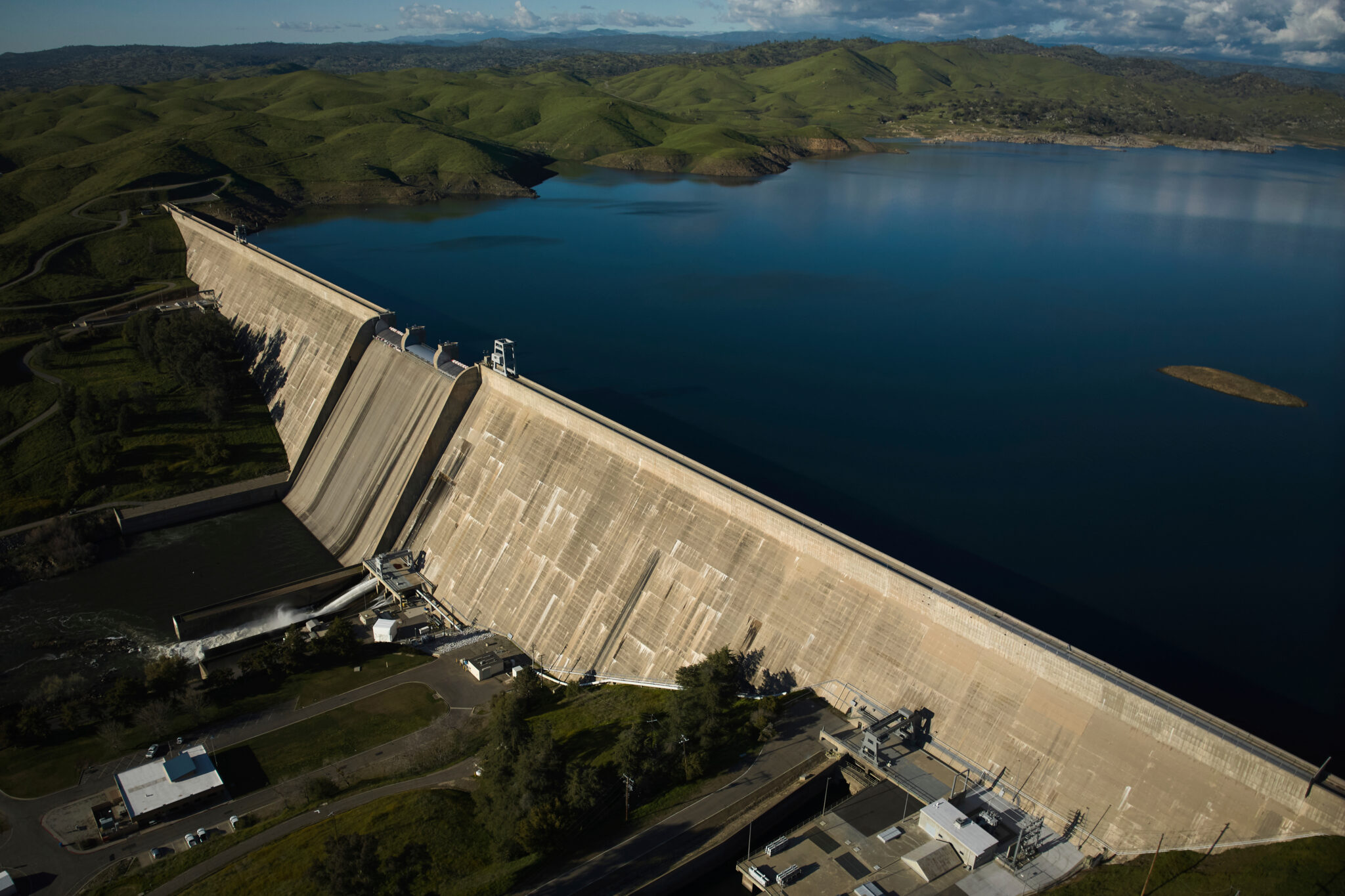
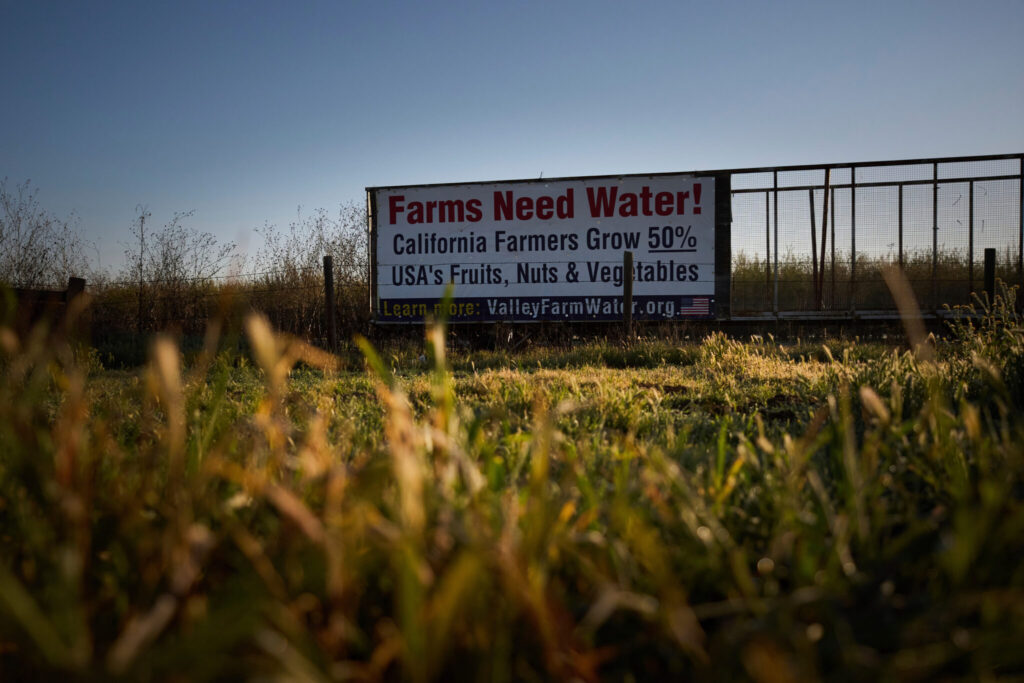
Trump Shifts California Water Policy to Aid Farmers/ Newslooks/ WASHINGTON/ J. Mansour/ Morning Edition/ The Trump administration is redirecting more water to California’s Central Valley farmers through a new plan for the federal water system. While agricultural groups applauded the move, state officials and environmental advocates warned of damage to fish habitats and water quality. The decision reignites a long-running battle over balancing water for farms, people, and ecosystems.
Trump Administration’s California Water Shift: Quick Looks
- Trump signs plan boosting water to Central Valley farms
- New policy revises operation of federal water infrastructure
- Plan follows Trump’s January order prioritizing agriculture
- California officials say it threatens state water supply balance
- Critics warn of harm to salmon, smelt, and ecosystems
- Governor Newsom’s office accuses Trump of ignoring science
- Westlands Water District welcomes increased farm irrigation
- Environmentalists raise alarms over algae blooms, property impact
- Federal officials deny environmental damage, tout balanced approach
- Renewed legal battles over water management likely ahead
Trump Administration Orders More Water to Central Valley Farms, Sparking Environmental Alarm
Deep Look
SACRAMENTO, Calif. — The Trump administration has announced a major policy shift to increase water deliveries to farmers in California’s Central Valley, a move that reignites a heated debate over the state’s water resources and conservation efforts.
The U.S. Bureau of Reclamation revealed on Thursday a new operational plan for the Central Valley Project (CVP), a sprawling network of dams, canals, and pumping stations that move water from Northern California’s wetter regions to the arid farmland of the Central Valley. The decision, effective Friday, aligns with President Donald Trump’s January executive order aimed at ensuring more water flows to agriculture rather than being “wasted” on environmental protections for endangered species.
“This new plan will strengthen California’s water resilience,” said U.S. Secretary of the Interior Doug Burgum, touting the decision as a federal step toward improving the state’s agricultural water security.
But the plan quickly drew sharp criticism from environmental groups and California’s state officials, who argue it could disrupt existing water-sharing arrangements and put critical wildlife at further risk.
Clash Between Agriculture and Environmental Stewardship
California’s water supply imbalance—where most precipitation occurs in the north while the majority of its population and agriculture reside in the south—makes water management a constant balancing act. The federally managed CVP works alongside the State Water Project (SWP), which delivers water to 27 million residents and supports other agricultural users.
Karla Nemeth, director of California’s Department of Water Resources, warned the federal plan could trigger additional state obligations to protect endangered species, ultimately limiting the water supply available for urban and farming uses managed by the state.
“It’s essential the federal and state systems operate in coordination,” she said. “Otherwise, we risk weakening California’s overall water reliability.”
The state’s concerns were echoed by Governor Gavin Newsom’s office, which blasted the Trump administration’s approach as politically motivated.
“This is another example of the Trump administration putting politics over people,” said Tara Gallegos, a spokesperson for Newsom. “Once again, science is being ignored in favor of short-term gains for a few, undermining long-term water sustainability.”
Environmental Fallout Feared
Environmental advocates expressed deep concern about the ecological effects of increased water pumping, particularly in the fragile Sacramento-San Joaquin River Delta, a vital estuary that supports multiple endangered fish species including the delta smelt and chinook salmon.
Barbara Barrigan-Parrilla, executive director of Restore the Delta, said more aggressive pumping could worsen fish deaths and lead to harmful algae blooms.
“When you destroy water quality and divorce it from land, you are also destroying property values,” she said. “Nobody wants to live near a fetid, polluted backwater swamp.”
Her concerns stem from past experiences where high-volume water exports led to deteriorating conditions for wildlife and local communities. Once temperatures rise, she warned, nutrient-rich waters and stagnant flow create ideal conditions for toxic algae blooms, which threaten not only aquatic species but also pets, livestock, and human health.
Trump Administration Defends the Plan
Despite the backlash, the Bureau of Reclamation dismissed claims that the new plan endangers ecosystems or water quality. Assistant Secretary for Water and Science Andrea Travnicek described the strategy as a “forward-looking approach” that balances the needs of communities, agriculture, and the environment.
“The idea that this is harmful is simply not supported by the science we’re applying,” Travnicek said.
The CVP’s primary mission is agricultural support, irrigating roughly one-third of California’s farmland, according to federal data. Most of this water is consumed by massive farm operations in the Central Valley, one of the most productive agricultural regions in the world.
Westlands Water District, the CVP’s largest agricultural user, applauded the administration’s decision.
“This will help ensure our growers have the water they need to support local communities and the nation’s food supply,” said general manager Allison Febbo, adding that the plan still provides safeguards for wildlife.
Salmon Advocates and Legal Threats
However, critics from the fishing and conservation sectors remained unconvinced. Vance Staplin, executive director of the Golden State Salmon Association, warned the plan could push already weakened salmon populations toward extinction.
“Protections for salmon are already extremely fragile,” Staplin said. “The administration’s move could wipe out entire runs that have sustained fisheries and communities for generations.”
Staplin urged Governor Newsom to take legal action to block the plan, much like the state did during Trump’s first term. In that period, California sued to stop increased water diversions to farms, arguing it endangered delta smelt, salmon, and steelhead trout.
The Biden administration later adjusted the federal water policy in 2024 to better balance environmental and agricultural needs—a shift that environmentalists praised as a modest but important improvement.
Political Undercurrents
Trump’s return to aggressive water redirection policies has once again raised tensions in a state already battling fire, drought, and infrastructure strains. After fires hit the Los Angeles area in January, Trump criticized California’s water policies, blaming environmental restrictions for causing hydrants to run dry—a claim that state officials disputed.
Notably, the Central Valley Project does not serve the Los Angeles area.
Trump’s executive order in January, titled “Putting People over Fish: Stopping Radical Environmentalism to Provide Water to Southern California,” underscored his administration’s combative stance toward environmental protections viewed as limiting water access to farms.