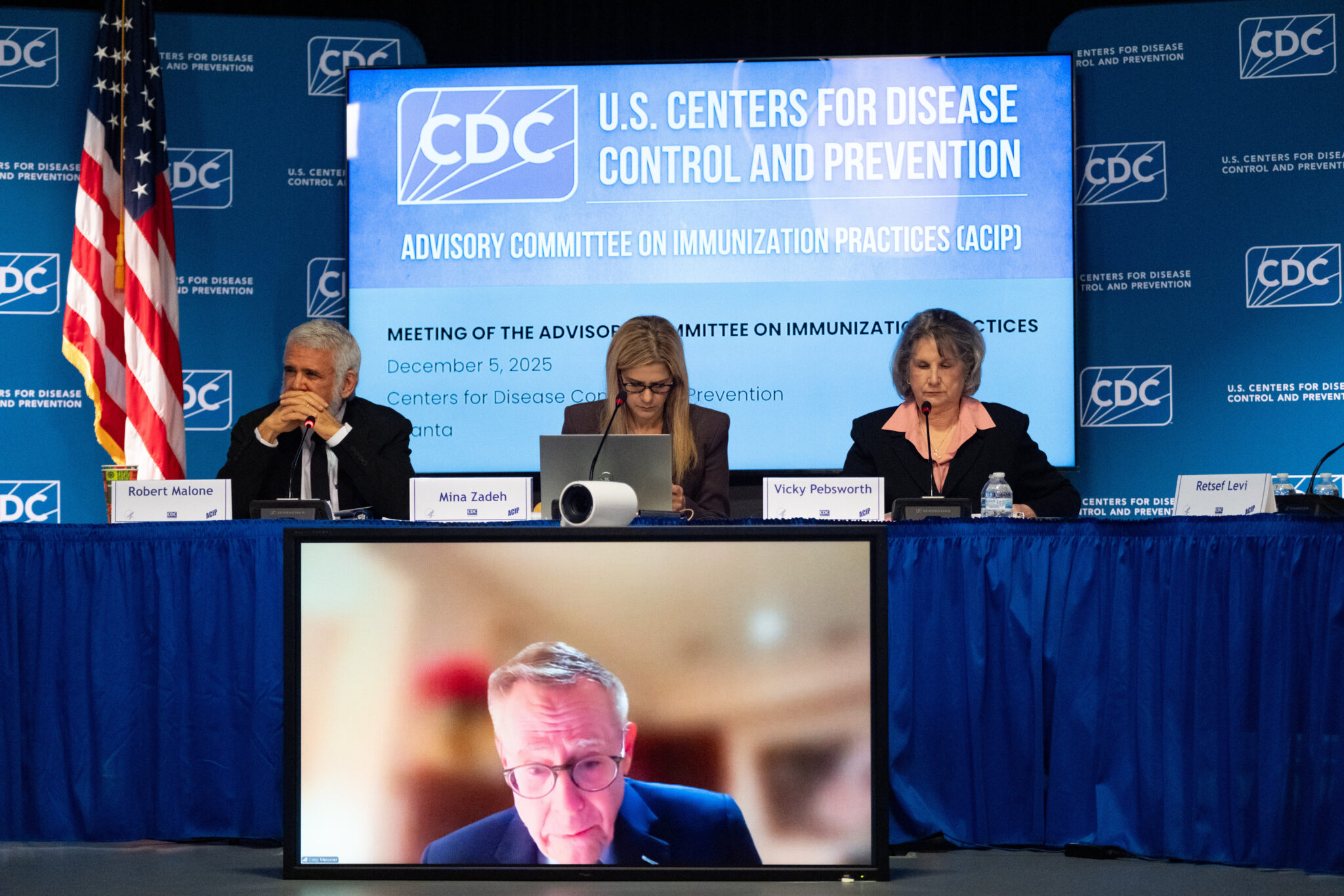
CDC Panel Ends Universal Hepatitis B Shots at Birth/ Newslooks/ WASHINGTON/ J. Mansour/ Morning Edition/ A CDC advisory panel voted to end the universal recommendation that all U.S. newborns receive a hepatitis B vaccine at birth. The decision, backed by members appointed by Health Secretary Robert F. Kennedy Jr., has sparked backlash from medical experts. Critics warn the move could reverse decades of progress in preventing liver disease in children.


CDC Panel Reverses Hepatitis B Vaccine at Birth: Quick Looks
- Vaccine advisory panel ends universal hepatitis B birth dose guidance
- Only infants of infected or untested mothers will now be prioritized
- Vote passes 8–3 despite opposition from medical experts
- Panel was appointed by Health Secretary Robert F. Kennedy Jr.
- Experts warn change risks rising childhood hepatitis B infections
- CDC acting director must now approve or reject recommendation
- Proposal allows parents, doctors to delay vaccine to 2 months
- Blood test recommendation for immunity also approved in 6–4 vote
- Critics call panel anti-science, say process lacks transparency
- Hepatitis B can lead to liver cancer and failure if untreated

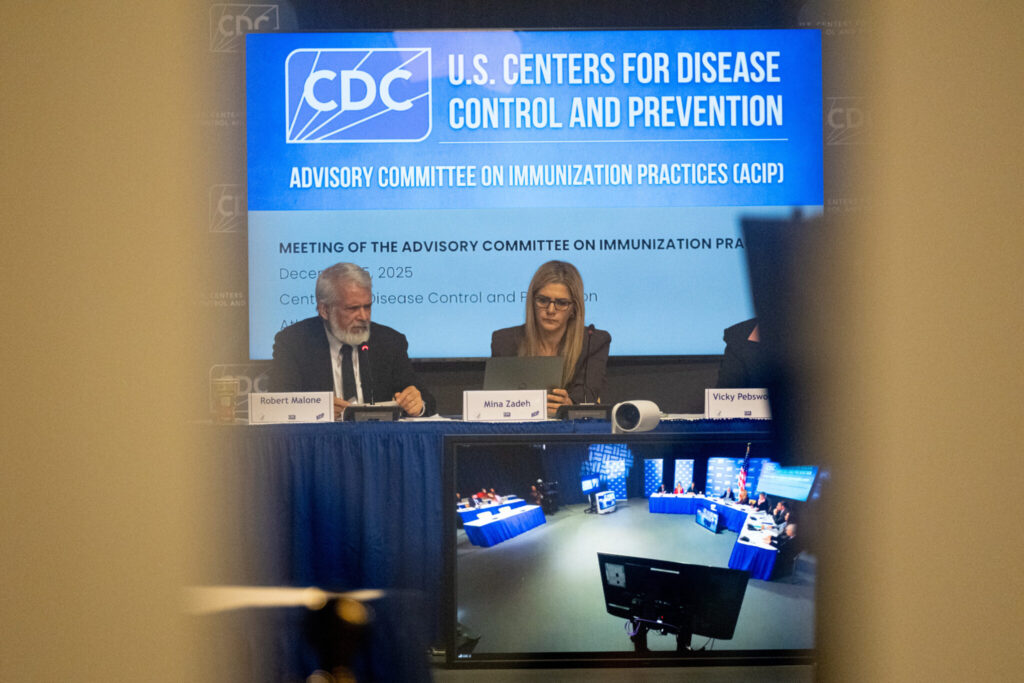
CDC Vaccine Panel Reverses Course on Hepatitis B Birth Shot, Sparking Controversy
Deep Look
NEW YORK — In a stunning reversal of decades of public health policy, a U.S. federal vaccine advisory committee voted Friday to end the long-standing recommendation that all newborns receive a hepatitis B vaccine on the day of birth. The decision has ignited backlash from public health officials, vaccine experts, and medical associations nationwide.
The panel, known as the Advisory Committee on Immunization Practices (ACIP), voted 8–3 to recommend that only newborns whose mothers test positive for hepatitis B — or have not been tested — should be vaccinated at birth. For all other infants, the decision to vaccinate will be left up to parents and their doctors, with a new suggested start time of two months of age.
Critics argue this policy shift could undo years of progress in protecting infants from the potentially fatal liver infection and was politically motivated rather than guided by science.
Kennedy-Appointed Panel Under Scrutiny
All current members of the committee were appointed by Health and Human Services Secretary Robert F. Kennedy Jr., a former anti-vaccine advocate who has publicly questioned the safety of childhood immunizations.
“This is the group that can’t shoot straight,” said Dr. William Schaffner, a leading vaccine expert at Vanderbilt University who has been involved with ACIP for decades. “It’s a dangerous turn.”
The acting CDC director, Jim O’Neill, will have the final say on whether to implement the panel’s recommendation.
Historic Shift from a 30-Year Policy
Since 1991, U.S. health authorities have advised administering a hepatitis B vaccine dose within 24 hours of birth. That strategy dramatically reduced transmission rates and childhood cases, especially from mother-to-child infections.
The disease, while short-term for most adults, can become chronic and deadly in babies, potentially leading to liver failure, cirrhosis, or liver cancer later in life. Immunizing at birth is considered the most effective way to prevent such outcomes.
“It’s unconscionable,” said Dr. Joseph Hibbeln, a committee member who strongly opposed the change and criticized the lack of scientific evidence for the two-month delay.
Safety Questions and Vaccine Hesitancy Influence Vote
Members of the newly formed committee cited insufficient long-term safety studies on hepatitis B vaccines administered at birth as justification for the change. Some panelists claimed the birth dose might carry risks not yet fully understood.
However, no documented harms from the vaccine at birth were presented during the two-day meeting. Critics said the concerns were largely speculative and not based on peer-reviewed evidence.
Dr. Cody Meissner, who voted against the proposal, warned, “We are doing harm by changing this wording.”
The CDC’s own hepatitis expert, Adam Langer, noted that no reliable evidence suggests any harm from the current three-dose schedule, and described the panel’s suggestion for post-vaccination antibody testing as unreliable and “erratic.”
Blood Test Proposal Also Approved
In a separate 6–4 vote, the panel also recommended that parents consider blood tests after vaccination to check whether children have developed antibodies. This practice is not currently standard in pediatric care, and experts warned it could confuse parents and lead to lower vaccine confidence.
“It’s like never-neverland,” said Meissner. “We’re making things up.”
The advisory committee, once a trusted scientific body, has undergone a noticeable shift, critics say. Under Kennedy, the panel no longer hears presentations from CDC scientists on vaccine safety or effectiveness. Instead, speakers tied to anti-vaccine groups were invited to share data.
“This panel is no longer a legitimate scientific body,” said Elizabeth Jacobs, a member of Defend Public Health, an advocacy organization critical of recent federal health policy changes. “It’s an epidemiological crime scene.”
Medical Community Reacts with Alarm
Prominent doctors, scientists, and public health organizations voiced alarm and frustration over the vote.
Dr. Peter Hotez, a vaccine scientist at Texas Children’s Hospital, refused to participate in the meeting, stating the committee had veered away from science.
“They’ve shifted their mission,” he told the Associated Press.
Republican Senator Bill Cassidy, a hepatologist and chair of the Senate health committee, also denounced the vote, calling it “a mistake.”
“Ending the recommendation for newborns makes it more likely the number of cases will begin to increase again,” Cassidy wrote on social media. “This makes America sicker.”
A Return to Individualized Vaccine Decisions
Committee member Dr. Robert Malone described the new approach as focusing on individualized vaccination rather than broad public health protection. The language of the recommendations has shifted from community-based strategy to one centered on parental choice.
“The paradox is clear,” Malone said. “We’re making decisions now based solely on the individual, not on disease prevention at the population level.”
This shift marks a departure from decades of immunization policy that prioritized community immunity to protect vulnerable populations and limit the spread of infectious diseases.
What Comes Next?
The acting CDC director, Jim O’Neill, must decide whether to accept the panel’s recommendations. Historically, CDC directors have approved ACIP guidance, but this time may be different due to the mounting public and political pressure.
If adopted, the recommendation could influence pediatric care across the U.S., shifting how newborns are vaccinated and potentially increasing hepatitis B risk in infants whose mothers are unaware they carry the virus.
“This isn’t just policy,” Schaffner said. “It’s a matter of protecting babies from a dangerous disease.”