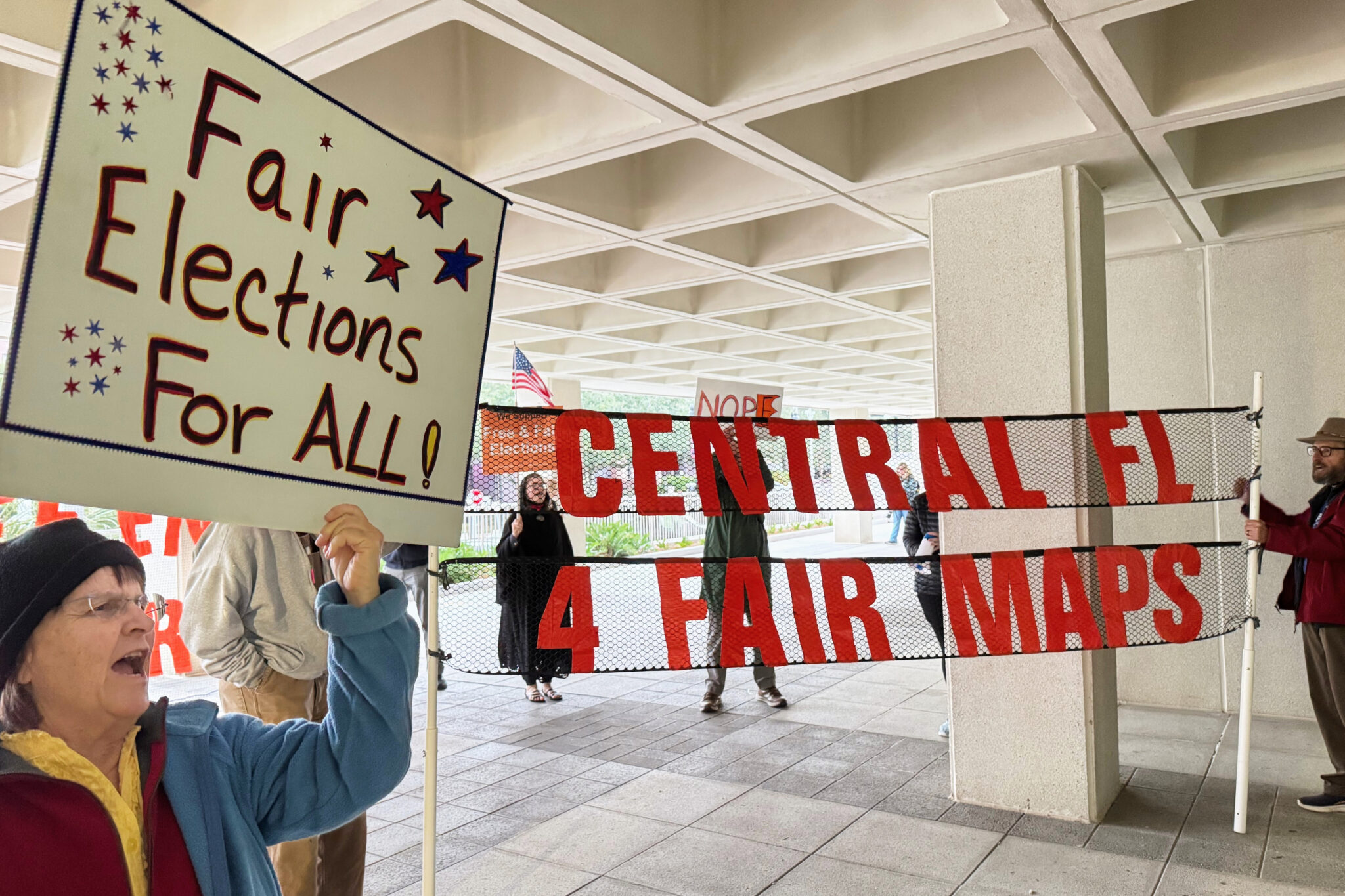
Congressional Maps Shift as Gerrymandering Spreads Across States/ Newslooks/ WASHINGTON/ J. Mansour/ Morning Edition/ A wave of mid‑decade redistricting — spurred by President Trump’s call for new congressional maps — is reshaping House districts nationwide ahead of the 2026 elections. Both Republicans and Democrats are redrawing maps to favor their parties: so far GOP-drawn maps suggest nine potential new seats, while Democratic efforts could yield six. Legal challenges are mounting, and in several states the new districts may still be altered if courts rule against them.
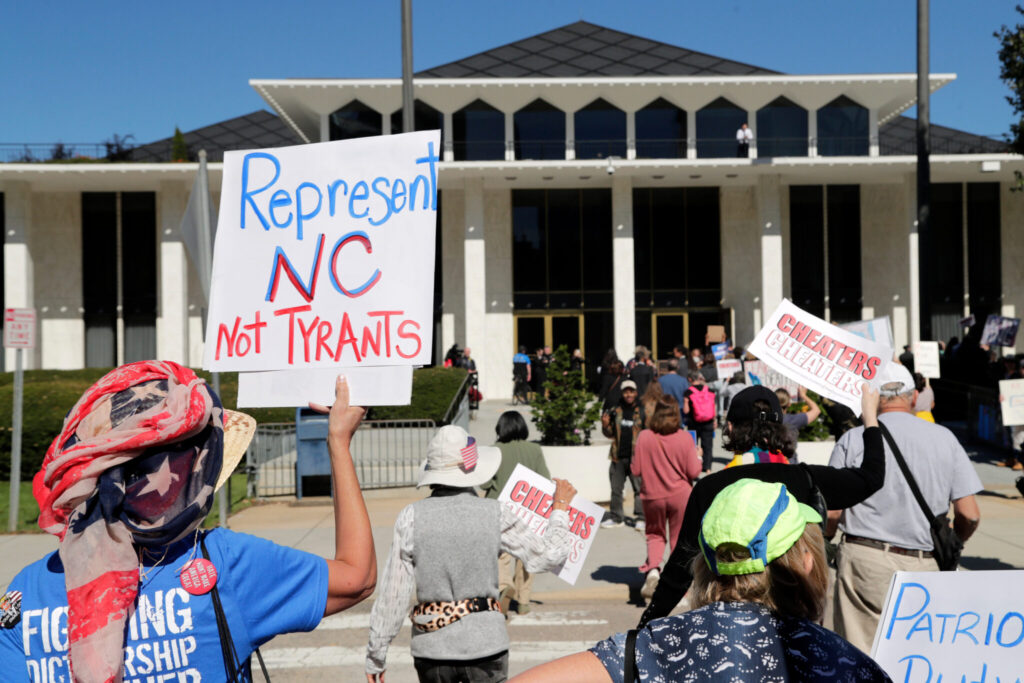

Quick Look: Redistricting Landscape in Key States
- Texas: GOP map signed by Gov. Greg Abbott could add 5 Republican seats; Supreme Court allowed map pending final ruling.
- California: Voters approved new lines favoring Democrats; DOJ challenges the plan as racially motivated.
- Missouri, North Carolina, Ohio: Republican-led redistricting may gain 1–2 seats for GOP.
- Utah, Indiana: Courts or legislatures propose maps that might favor Democrats (Utah) or boost GOP gains (Indiana).
- Florida, Virginia, Illinois, Kansas, New York, Colorado, Nebraska, Wisconsin: Redistricting proposals under discussion, but changes face legal or legislative hurdles.
Mid-decade Redistricting Surges Nationwide After Trump Push
A nationwide surge in congressional map rewriting is underway, ignited by a push from President Donald Trump and eagerly embraced by state lawmakers aiming to tilt House seats in their party’s favor. As the 2026 midterm elections loom, states across the country are redrawing district boundaries — some for the first time since the 2020 census, others mid‑decade — reopening long‑standing debates over fairness, representation, and political advantage.
The stakes are significant. Democrats need only a small number of flipped seats to regain control of the House, making each district race potentially critical. According to current projections, so far the redrawn maps could give Republicans a net gain of about three seats: nine additional seats on maps drawn by GOP legislatures, against six potential new seats under Democratic maps.
Where the Maps Are Changing — And How
Texas
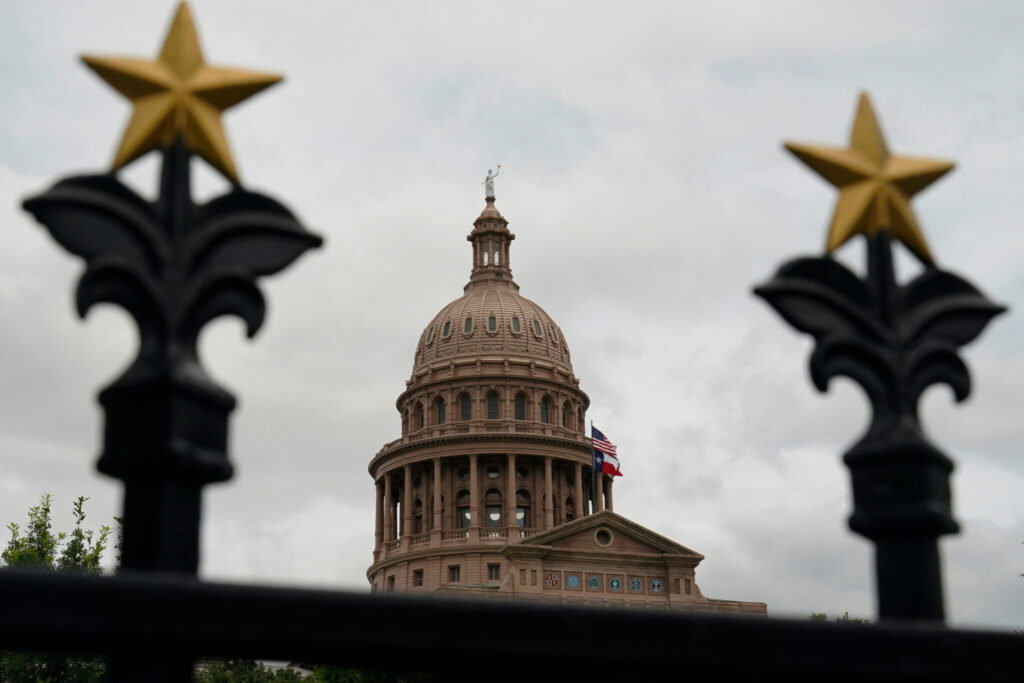
Texas’ newly signed map, approved by Republican Gov. Greg Abbott in late August, aims to add five GOP‑leaning seats. The moves are bold—and controversial. On December 4, the U.S. Supreme Court cleared the way for the map to be used in 2026, suspending a lower‑court ruling that had flagged the plan as likely racially discriminatory.
California
California voters approved a redistricting plan in November under a Democratic-led legislature that could swing five more House seats to Democrats. But the U.S. Department of Justice, joined by Republican challengers, has filed suit alleging the lines illegally prioritize race by favoring Hispanic‑majority districts — a challenge that could undo parts of the new map.
Midwest & South: Ohio, Missouri, North Carolina, Utah, Indiana
- Ohio’s bipartisan commission (with GOP dominance) approved a map that could net two more Republican seats.
- Missouri’s GOP-backed plan may add another seat for Republicans, though a petition drive and lawsuits aim to force a statewide vote or block the plan.
- North Carolina’s revised districts, approved in October, face fewer immediate legal barriers after a federal court declined to block their use.
- Utah may see a map that helps Democrats, imposed by a judge after lawmakers violated anti-gerrymandering rules; Republicans are mounting a legal challenge.
- In Indiana, a newly approved House map could give Republicans up to two additional seats — though final approval still requires the state Senate’s thumbs-up.
States Watching — Currently Static or Considering Changes
Several states are evaluating or preparing for potential redistricting moves, though none have finalized maps — and many face legal or procedural constraints:
- Florida: A special committee convened December 4 to review congressional boundaries. State law prohibits redrawing to favor any party — but court-approved changes are possible.
- Virginia: A constitutional amendment to allow mid‑decade map changes was endorsed; a second vote in the upcoming session could send the issue to voters.
- Illinois, New York, Colorado, Nebraska, Kansas, Wisconsin: Proposals or legislative interest exist, but political opposition or court challenges may prevent fast action before 2026.
Legal Battles and Uncertainty Ahead
Across multiple states, courts and advocacy groups are pushing back against aggressive map drawing. Allegations of racial or partisan gerrymandering have led to lawsuits, petitions, and motions aimed at forcing referenda or judicial intervention. In states like Missouri, Utah, and Florida, conflicting laws and constitutional provisions complicate map approval and may delay their implementation.
Even where new maps are finalized, political analysts caution that predicted seat gains are not guaranteed. Voter turnout, shifts in demographics, and changing political sentiment could alter outcomes. And if courts strike down new maps, states may revert to older boundaries or be forced to redraw yet again — sowing confusion and uncertainty for candidates and voters alike.
Why This Surge Matters
The current redistricting wave marks one of the most aggressive mid‑cycle national efforts in recent decades. Rather than wait for the next decennial census, lawmakers in several states are opting for a political gamble — rewriting the rules now to maximize advantage while control remains in one party’s hands.
For voters, this could mean less competitive districts, fewer swing seats, and more predictable outcomes — reducing accountability. For politicians, it means potential gains without directly earning them at the ballot box.
As candidate filing deadlines approach, and as courts weigh challenges, the map of American representation is in flux — and what emerges may determine control of the House for years to come.