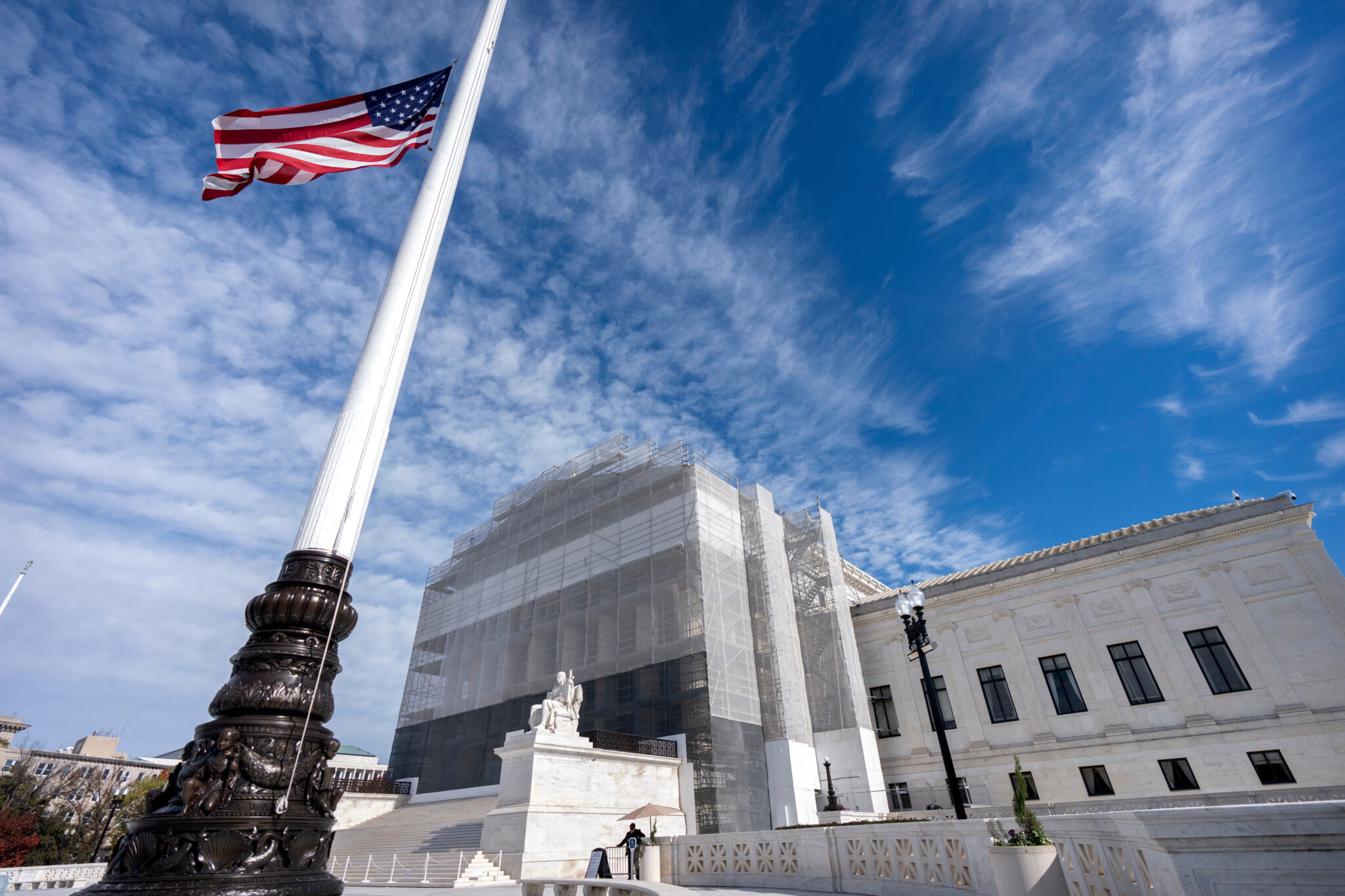
Supreme Court to Review Trump’s Birthright Citizenship Order/ Newslooks/ WASHINGTON/ J. Mansour/ Morning Edition/ The U.S. Supreme Court will rule on the constitutionality of President Trump’s order denying birthright citizenship to children of undocumented or temporary-status parents. Lower courts have ruled the order unconstitutional under the 14th Amendment, setting up a high-stakes legal showdown. Arguments are set for spring with a ruling expected by early summer 2026.
Birthright Citizenship Legal Battle Quick Looks
- Supreme Court will decide fate of Trump’s citizenship executive order.
- Trump’s order denies citizenship to U.S.-born children of noncitizens.
- Lower courts unanimously ruled the order violates the 14th Amendment.
- Case arises from New Hampshire class action lawsuit.
- ACLU represents affected families, calling the order unconstitutional.
- Trump administration argues children of undocumented parents are excluded.
- Order has not taken effect pending legal battles.
- Arguments to be heard in spring 2026; ruling expected early summer.
- Twenty-four Republican-led states and 27 GOP lawmakers support Trump.
- Court’s ruling could redefine scope of birthright citizenship in America.
Deep Look: Supreme Court to Decide Constitutionality of Trump’s Birthright Citizenship Order
WASHINGTON — The U.S. Supreme Court announced Friday that it will hear a pivotal case challenging President Donald Trump’s executive order attempting to end birthright citizenship for children born in the United States to undocumented immigrants and temporary visitors. The case will test the limits of presidential authority and the enduring power of the 14th Amendment.
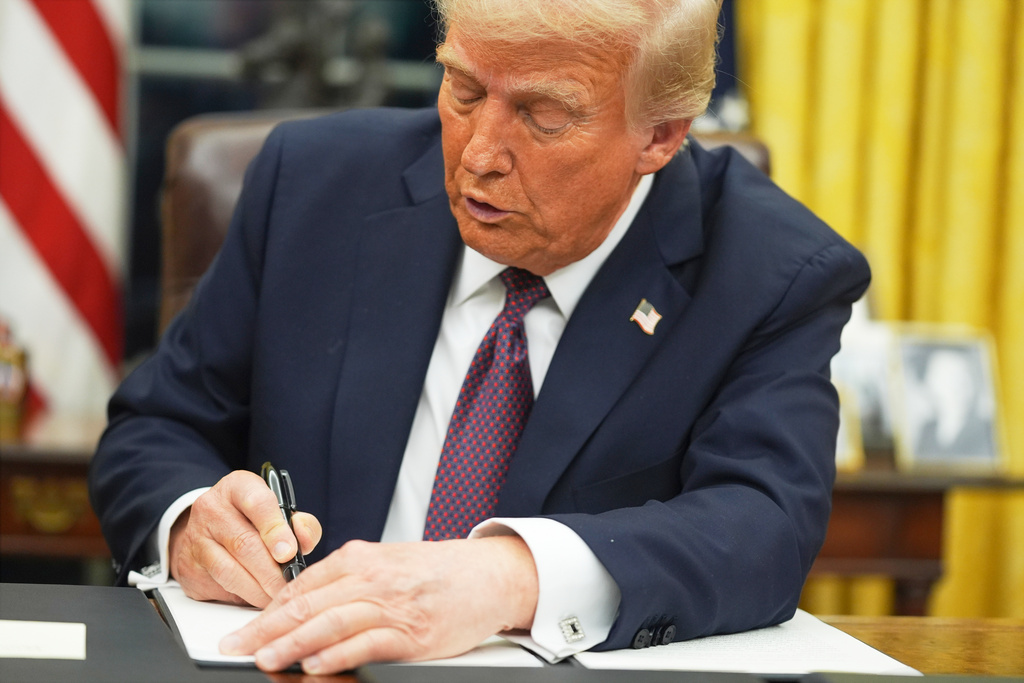
Signed on January 20, 2025, the first day of Trump’s second term, the order marks one of the most aggressive moves yet in the administration’s sweeping immigration crackdown. While the policy has not taken effect anywhere due to legal injunctions, the Supreme Court’s upcoming ruling could reshape longstanding interpretations of American citizenship law.
The Constitutional Question
At the heart of the case lies the Citizenship Clause of the 14th Amendment, which states: “All persons born or naturalized in the United States, and subject to the jurisdiction thereof, are citizens of the United States.” For more than 125 years, that clause has been interpreted to grant automatic citizenship to nearly all children born on U.S. soil, regardless of their parents’ immigration status.
Trump’s order challenges that interpretation, asserting that children of people in the U.S. illegally or temporarily are not “subject to the jurisdiction” of the United States and therefore not entitled to citizenship. The administration’s top legal voice at the Supreme Court, D. John Sauer, argued in a filing that the 14th Amendment was intended only to grant citizenship to formerly enslaved people and their descendants — not the children of foreign nationals present without permanent status.
Lower courts, however, have consistently rejected that argument. In a series of rulings following the order’s issuance, judges across the country ruled that the executive action violates the Constitution. Even after a June 2025 Supreme Court decision limiting nationwide injunctions, these courts found legal paths to block the policy through class action suits and state-led lawsuits.
ACLU and Legal Opposition
The current case originated in New Hampshire, where a federal judge in July sided with the American Civil Liberties Union (ACLU) and plaintiffs in a class action lawsuit involving all affected children. The judge blocked the order from taking effect, calling it likely unconstitutional.
“No president can change the 14th Amendment’s fundamental promise of citizenship,” said Cecillia Wang, the ACLU’s national legal director, in a statement. “We look forward to putting this issue to rest once and for all in the Supreme Court this term.”
The case marks the first Trump immigration policy of his second term to reach the high court for a final decision.
Nationwide Legal Impact
While the Supreme Court prepares to hear arguments in spring 2026, it has yet to act on related cases, including a decision from the 9th U.S. Circuit Court of Appeals that upheld a nationwide injunction requested by several Democratic-led states. That court reasoned that different state-level implementations of the policy would cause chaos and inequality. The justices declined to take immediate action on that ruling.
The Trump administration has escalated its immigration agenda in recent months. Among its other controversial moves:
- Invocation of the Alien Enemies Act, an 18th-century law, to justify deportations without hearings.
- Attempts to deploy National Guard troops for immigration enforcement in areas like Chicago — efforts that remain blocked by courts.
- A dramatic uptick in immigration raids in large urban centers.
So far, the Supreme Court has issued mixed rulings in emergency appeals. While it halted use of the Alien Enemies Act for swift deportations of Venezuelan nationals, it allowed immigration stops in Los Angeles based on race, language, and location to resume, pending further review.
GOP Support and Political Stakes
Trump’s citizenship policy has drawn strong backing from Republican lawmakers and states. Twenty-four GOP-led states and 27 Republican members of Congress, including Senators Ted Cruz and Lindsey Graham, filed briefs urging the high court to support the administration’s position.
They argue that ending automatic citizenship for children of undocumented or temporary-status parents would deter illegal immigration and restore constitutional intent.
With arguments set for spring and a ruling likely by early summer, the case could become a defining legal and political moment ahead of the 2026 midterm elections. If the Supreme Court upholds Trump’s policy, it would mark a historic shift in the understanding of U.S. citizenship — potentially excluding thousands of children born on American soil from citizenship rights.
On the other hand, a rejection of the order would reinforce the constitutional interpretation that has stood since the late 19th century, reaffirming birthright citizenship as a cornerstone of American law.