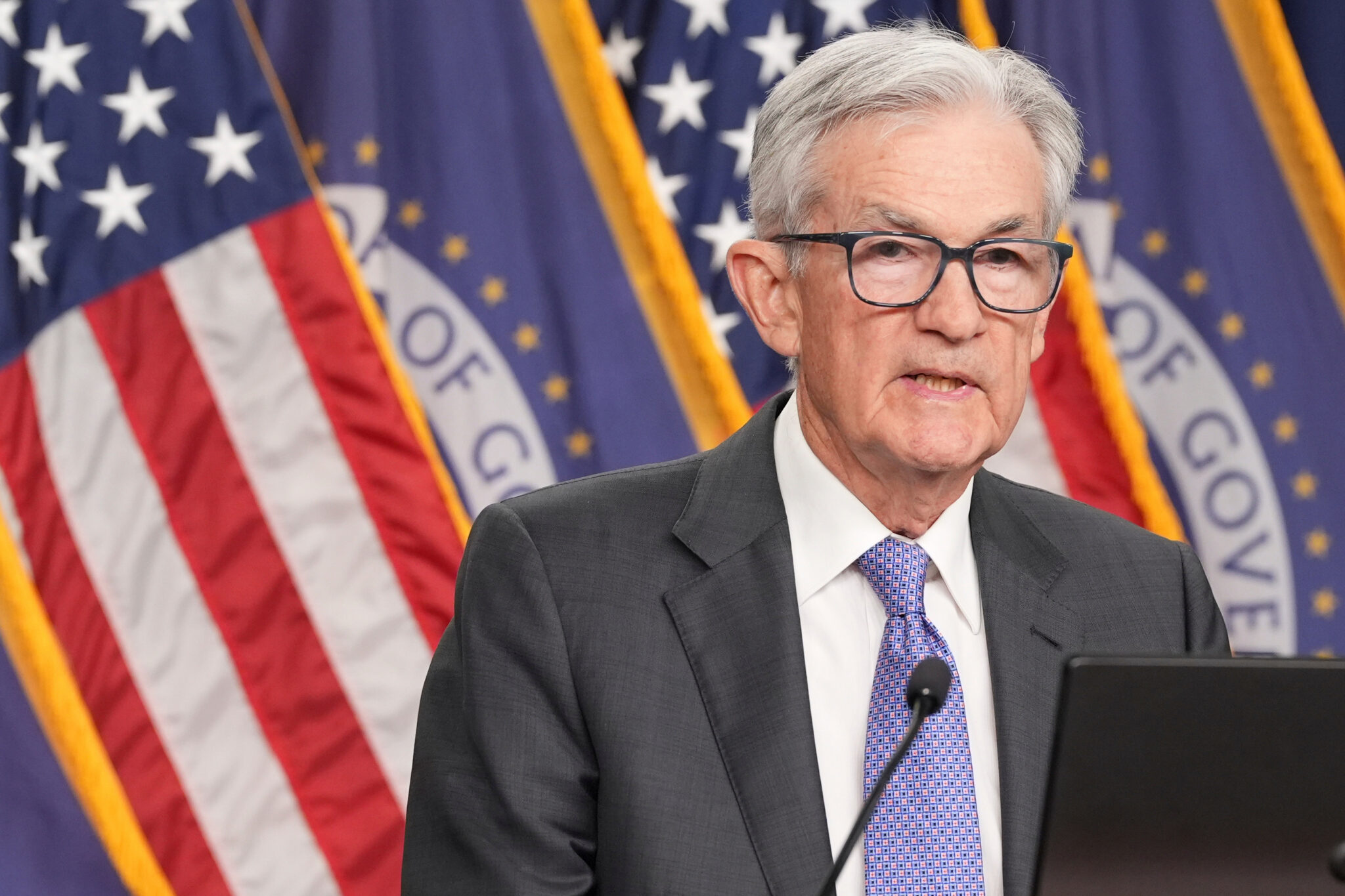
Fed Cuts Interest Rates, Signals Point to Just One More in 2026/ Newslooks/ WASHINGTON/ J. Mansour/ Morning Edition/ The Federal Reserve cut its key interest rate by 0.25%, the third reduction in a row, bringing the benchmark rate to 3.6%, its lowest in nearly three years. Chair Jerome Powell signaled a pause on further cuts, highlighting deep divisions among Fed officials. The central bank now expects just one more rate cut in 2026, while warning of ongoing inflation and weakening job growth. President Trump criticized the move, calling for a larger cut and is expected to appoint a new Fed chair soon.
Quick Look:
- Interest Rate Cut Expected: A third consecutive cut could help ease borrowing costs for mortgages, auto loans, and credit cards.
- Fed’s New Forecasts Coming: Updated projections may show just one more rate cut in 2026.
- Data Delays Cloud Outlook: A government shutdown has delayed jobs and inflation reports, leaving Fed officials with limited guidance.
- Leadership Shift Looming: Powell’s term ends in May; President Trump is expected to name a successor soon, likely one who supports lower rates.
- Fed Remains Divided: Some members favor cutting to stimulate hiring, others prefer caution due to persistent inflation.
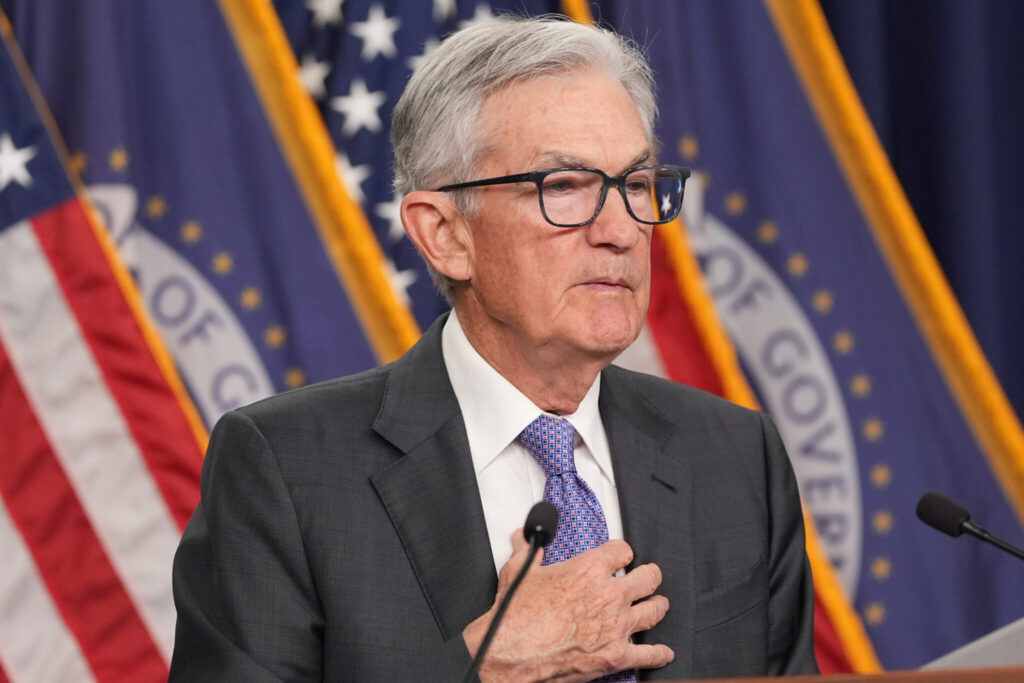
Deep Look: Fed Poises to Cut Interest Rates, Signals Point to Just One More in 2026
The Federal Reserve reduced its key interest rate by a quarter-point on Wednesday, marking its third consecutive cut as inflation cools and job market concerns grow. The benchmark rate now stands at approximately 3.6%, the lowest since early 2023.
While the rate cut offers potential relief to consumers and borrowers, Fed Chair Jerome Powell made it clear that further cuts may not come anytime soon.
“We are well-positioned to wait and see how the economy evolves,” Powell said at a press conference. He noted that the rate is now close to a level that neither slows nor stimulates the economy.
Split Among Fed Officials Highlights Uncertainty
In a rare display of division, three members of the Fed’s policy committee dissented — the highest number in six years. Two members wanted to hold rates steady, while Stephen Miran, a Trump appointee, pushed for a deeper half-point cut.
Powell acknowledged the split, stating,
“Some feel we should stop here and hold; others believe we should cut more next year.”
He firmly ruled out raising rates in 2026 but said future decisions would be driven by incoming data.
Rate Cut Breakdown:
- Current Fed Funds Rate: ~3.6%
- Expected Cuts in 2026: Just one, according to the Fed’s latest projections
- Dissenting Votes: 3 (highest since 2019)
- Stock Market Reaction: S&P 500 rose 0.7%, nearing its October record high
Trump Responds: Calls Rate Cut ‘Too Small’
President Donald Trump, who has often criticized Powell, called the 0.25% cut “too small”, saying he had hoped for “at least double” the reduction. Trump’s comments come as he prepares to nominate a new Fedhttps://www.newslooks.com/fed-cuts-interest-rates-signals-point-to-just-one-more-in-2026/
chair, with Powell’s term ending in May 2026.
Trump is widely expected to choose Kevin Hassett, his former top economic advisor, who has advocated for more aggressive rate cuts. Hassett has recently avoided specifics, only saying policymakers should “watch the data.”
Economic Outlook: Growth and Risks
Despite rate cuts, economic challenges persist. Inflation remains above the Fed’s 2% target, with consumer prices up 25% since the COVID pandemic. September’s preferred inflation gauge showed a 2.8% annual increase, reflecting stubborn pricing pressures in essentials like rent, food, and utilities.
“We hear loud and clear how people are experiencing high costs,” Powell said.
However, Powell also pointed to signs of resilience, including:
- Strong consumer spending
- Business investment in AI infrastructure
- Improving worker productivity
He projected a healthier economy in 2026, assuming inflation eases further and the labor market doesn’t deteriorate.
Labor Market Warning: Weakness May Be Underestimated
Although unemployment stands at 4.4% — still low by historical standards — Powell cautioned that job growth may be overstated. Citing internal Fed estimates, he said:
“If revisions come in as expected, we may have actually lost 20,000 jobs per month since spring.”
This “low hire, low fire” environment — where companies aren’t hiring or laying off at high levels — masks potential risks in the job market.
Fed’s Internal Forecast: Divided Views for 2026
The latest economic projections from the Fed’s 19 rate-setting officials reflect a deep divide:
- 7 members see no additional cuts next year
- 8 members project two or more cuts
- 4 members expect just one cut
Only 12 of the 19 actually vote on interest rate decisions, but the division reveals growing uncertainty as 2026 approaches.
What Happens Next?
With limited data available due to the recent government shutdown, the Fed has been working with incomplete information. By the next meeting in late January, officials expect to review up to three months of delayed economic reports.
Two scenarios:
- If job losses accelerate or inflation eases significantly, the Fed may cut rates again in January.
- If inflation holds steady and the job market shows stability, the Fed could pause rate changes until spring.
Powell Reflects on Legacy
With just three meetings left before his term ends, Powell was asked about his legacy.
“I really want to turn this job over to whoever replaces me with the economy in really good shape,” he said.
“I want inflation under control and the labor market strong.”
Key Takeaways:
- Fed cuts rate by 0.25% to 3.6%
- Expects just one additional cut in 2026
- Deep divisions on policy path moving forward
- Trump poised to nominate new Fed chair
- Economy shows resilience, but labor concerns grow
Economic Uncertainty Ahead
This week’s policy meeting may shape the central bank’s strategy going into 2026. However, delayed economic data—including key jobs and inflation reports—means policymakers are flying partially blind. A government shutdown earlier this year has prevented the usual flow of updated information that guides their decisions.
“They would love to take a pass in January, push it off to March, and just wait for a couple more inflation reports to come in,” said Tom Porcelli, chief economist at Wells Fargo.
The Fed will likely signal that further cuts will be more conditional moving forward, especially if the economy shows resilience despite lingering inflation.
Political Pressure and New Leadership
Complicating matters is the political pressure from President Donald Trump, who has already hinted at appointing a more dovish Fed chair when Jerome Powell’s term ends in May 2026.
In a recent interview with Politico, Trump confirmed that a willingness to cut rates would be a “litmus test” for the next Fed leader. His rumored favorite for the job, former economic adviser Kevin Hassett, has long advocated for lower interest rates.
However, even Hassett tempered his comments this week, telling CNBC, “What you need to do is watch the data,” when asked about future cuts.
Mixed Signals from Inflation and Labor Market
Though inflation has eased from the highs of 2022, it remains above the Fed’s 2% target. Last week’s delayed inflation report showed the Fed’s preferred measure — core PCE — still at 2.8% annually as of September.
That puts some officials in a cautious camp. Cutting too much, too fast, they argue, could reignite inflation and threaten the Fed’s credibility.
Others are more concerned about signs of economic slowdown. If layoffs increase or job growth weakens in the data released before the January meeting, another rate cut could be back on the table.
Fed’s Economic Projections Due Wednesday
Alongside the rate decision, the Fed will release its quarterly economic projections, which include forecasts for:
- GDP growth
- Inflation
- Unemployment
- The future path of interest rates
Economists expect the Fed will signal just one more rate cut in 2026, consistent with projections from earlier this year. However, these forecasts may lose relevance if Trump appoints a new chair who shifts policy direction.
What It Means for You
If you’re a consumer or business owner, lower interest rates could eventually reduce borrowing costs — especially for mortgages and auto loans. But much depends on how quickly financial markets respond and how inflation behaves in coming months.
For investors, Powell’s press conference Wednesday could offer clues about when — or if — the Fed might pause its rate-cutting cycle. And for policymakers, balancing economic growth vs. inflation control remains a delicate task.