EU Leaders Back Ukraine as US Pushes for Peace Deal with Russia/ Newslooks/ WASHINGTON/ J. Mansour/ Morning Edition/ European leaders met in Berlin to reinforce support for Ukraine as the U.S. urges Kyiv to accept a Trump-brokered peace deal with Russia. President Zelenskyy signaled openness to drop NATO ambitions in exchange for binding Western security guarantees, but rejected ceding territory. Meanwhile, both Ukraine and Russia reported heavy overnight drone attacks as tensions remain high during the fragile negotiations.
Quick Look:
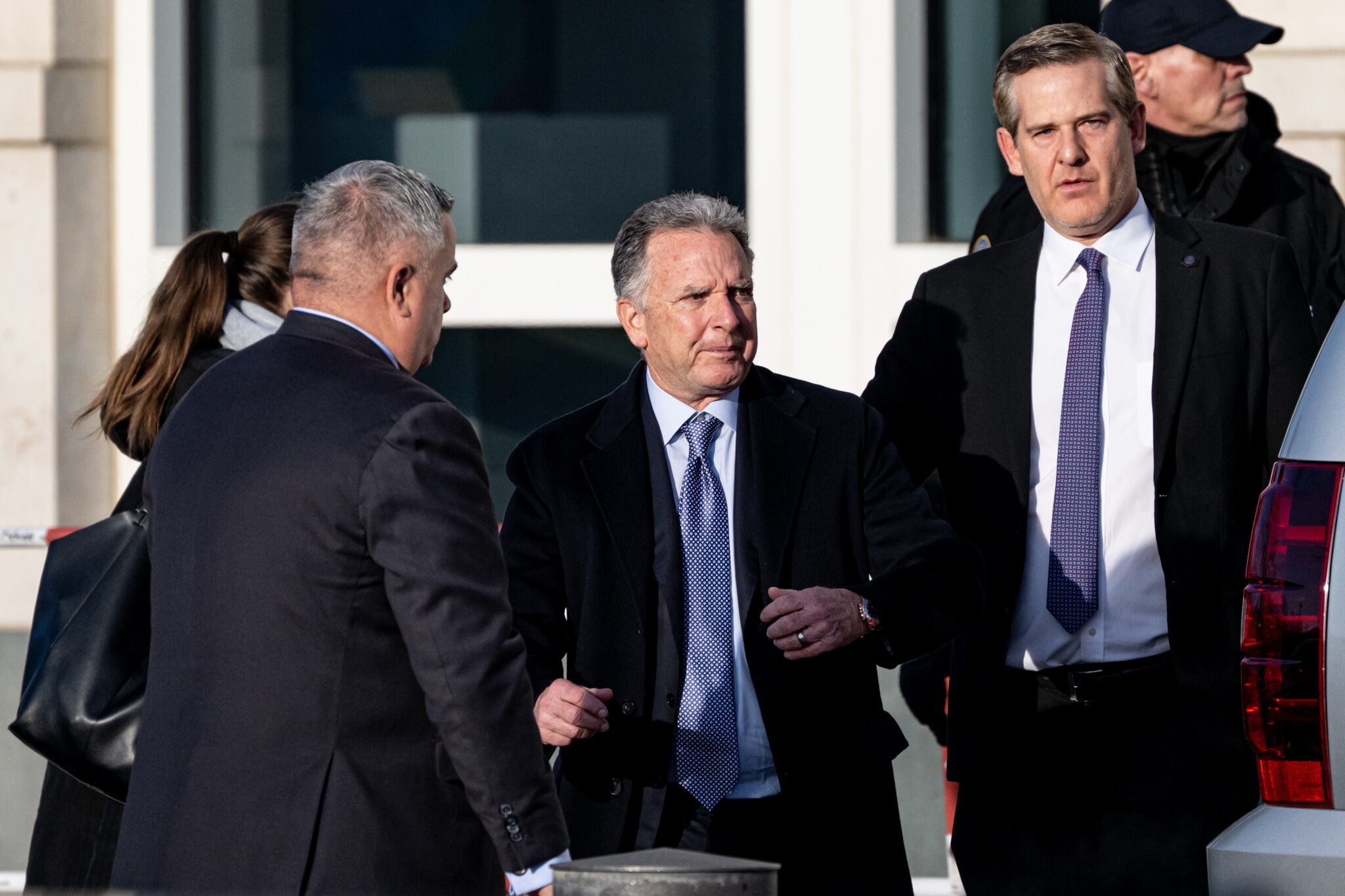
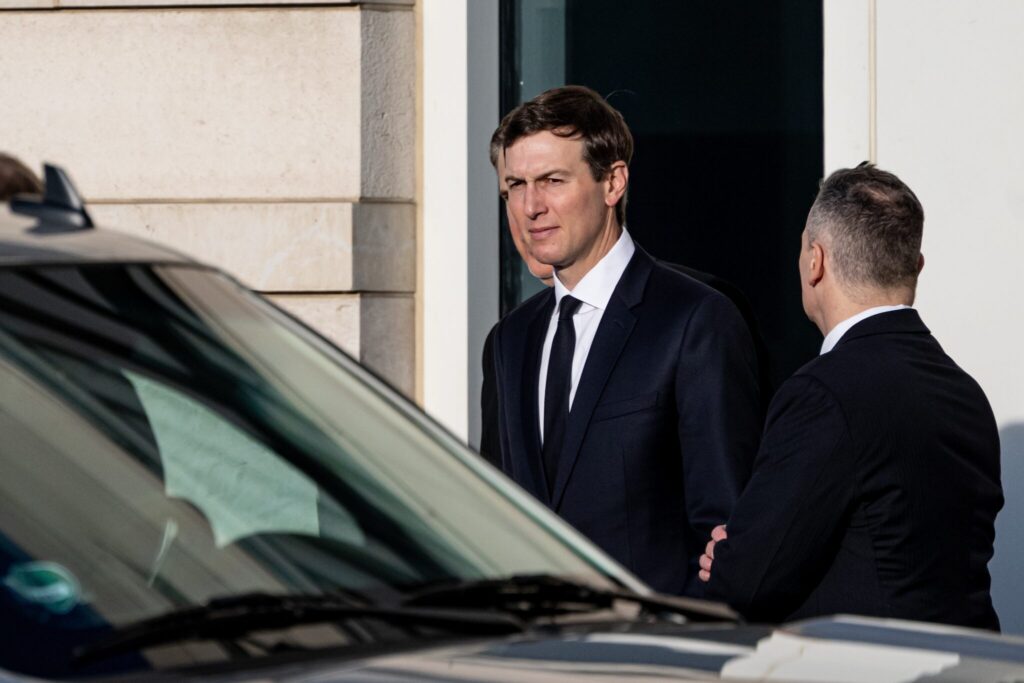
- Ongoing Talks in Berlin: European and U.S. officials, including Trump’s envoy Steve Witkoff and Jared Kushner, continue negotiations with Zelenskyy.
- U.S. Pressure Builds: The Trump administration wants a quick end to the war, pressuring Ukraine to accept compromises — including possibly dropping its bid to join NATO.
- Territorial Disputes Block Progress: Disagreements remain over eastern Donetsk, largely occupied by Russia. Zelenskyy refuses to cede territory.
- European Unity: Leaders like Germany’s Friedrich Merz, France’s Emmanuel Macron, and UK’s Keir Starmer continue to voice unwavering support for Ukraine’s long-term sovereignty and security.


EU Leaders Back Ukraine as US Pushes for Peace Deal with Russia
Deep Look
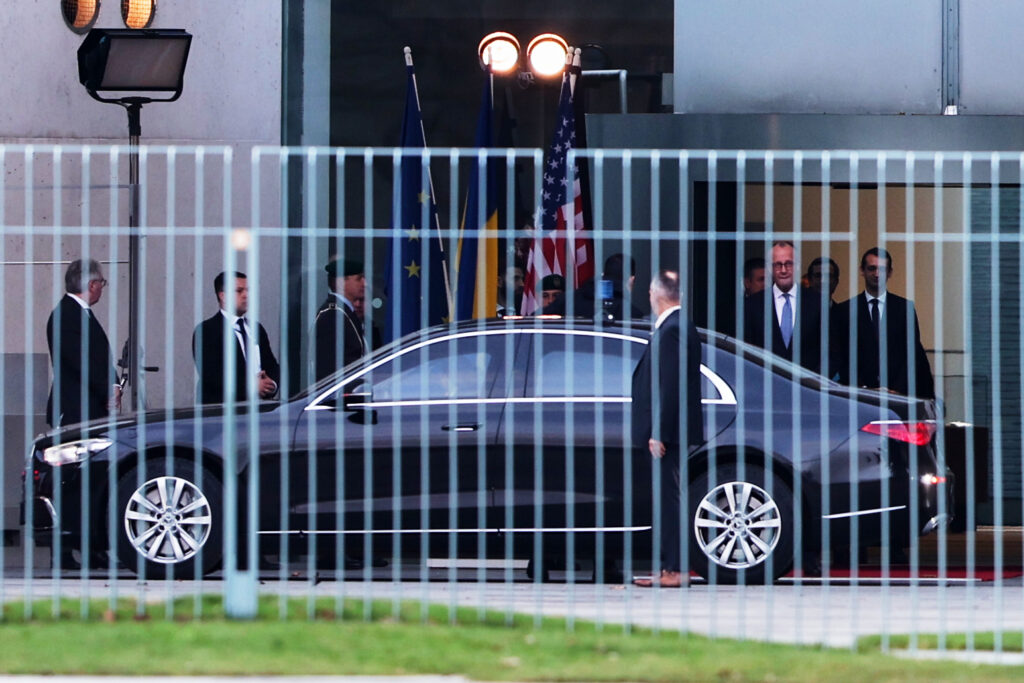
European leaders are reaffirming their commitment to Ukraine’s sovereignty during high-stakes talks in Berlin, even as Washington increases pressure on Kyiv to accept a U.S.-brokered peace deal aimed at ending the nearly four-year war with Russia.
The meetings — involving Ukrainian President Volodymyr Zelenskyy, U.S. envoys, and top European officials — entered a second day Monday, underscoring the complex negotiations as President Donald Trump’s administration pushes for a resolution to the ongoing war.
Peace Talks — But at What Cost?
The U.S. peace framework, while reportedly making “a lot of progress,” is raising concerns in Europe over whether Kyiv is being pushed too hard into concessions.
- Ukraine’s Offer: Zelenskyy has shown readiness to forgo NATO membership, but only if the U.S. and other allies provide legally binding security guarantees — a monumental ask requiring U.S. Congressional approval.
- Russia’s Demands: President Vladimir Putin insists Ukraine must withdraw from eastern Donetsk and formally abandon NATO aspirations.
- Kremlin Response: Russia says it’s “open to peace” but accuses Ukraine of stalling. Kremlin spokesman Dmitry Peskov dismissed any specific timeline, including hopes for a Christmas agreement.
Europe’s Strategic Shift
Germany’s Chancellor Friedrich Merz declared that the era of “Pax Americana” — U.S.-led postwar global stability — is over for Europe.
“If Ukraine falls, Putin won’t stop,” Merz warned, calling for greater European military and diplomatic independence.
In France, President Macron echoed a firm stance:
“France is, and will remain, at Ukraine’s side… to guarantee the security and sovereignty of Europe.”
The UK’s new MI6 chief, Blaise Metreweli, is expected to warn of Russia’s expanding global influence in her first major address, saying Putin is rewriting the rules of modern conflict.
Drone Strikes Escalate
The negotiations came amid a dramatic overnight surge in drone attacks:
- Ukraine reports intercepting 133 out of 153 drones launched by Russia on Sunday night.
- Russia claims to have destroyed 130 Ukrainian drones during the same time period.
- Moscow itself was targeted — 18 drones were shot down, prompting flight suspensions at two major airports.
No immediate reports of casualties or major damage were confirmed.
What’s at Stake
With war entering its fourth year, and U.S. attention shifting toward the 2026 election, the Trump administration seeks to deliver a diplomatic win. But Europe appears unwilling to trade peace for stability at any cost — particularly if it means accepting Russian territorial gains.
- Ukraine’s Red Line: No territorial surrender
- Russia’s Red Line: No NATO membership for Ukraine
- U.S. Goal: Peace before 2026 election season ramps up
- Europe’s Goal: A just and lasting peace that secures Ukraine and deters further Russian aggression
The Road Ahead
Despite progress, the lack of consensus on territory and long-term security continues to stall a peace breakthrough. European leaders are focused on ensuring any deal:
- Preserves Ukraine’s independence
- Does not reward Russian aggression
- Sets a precedent for regional stability
Meanwhile, the Kremlin awaits updates, watching closely how far the U.S. is willing to push Ukraine — and how far Europe is willing to push back.