Trump Expands U.S. Travel Ban to 20 Nations/ Newslooks/ WASHINGTON/ J. Mansour/ Morning Edition/ The Trump administration has doubled its travel restrictions, now affecting 40 countries and the Palestinian Authority. The latest expansion bans five more countries and imposes new limits on 15 others, citing national security and immigration control concerns. Critics argue the move unfairly targets vulnerable populations and undermines refugee protections.
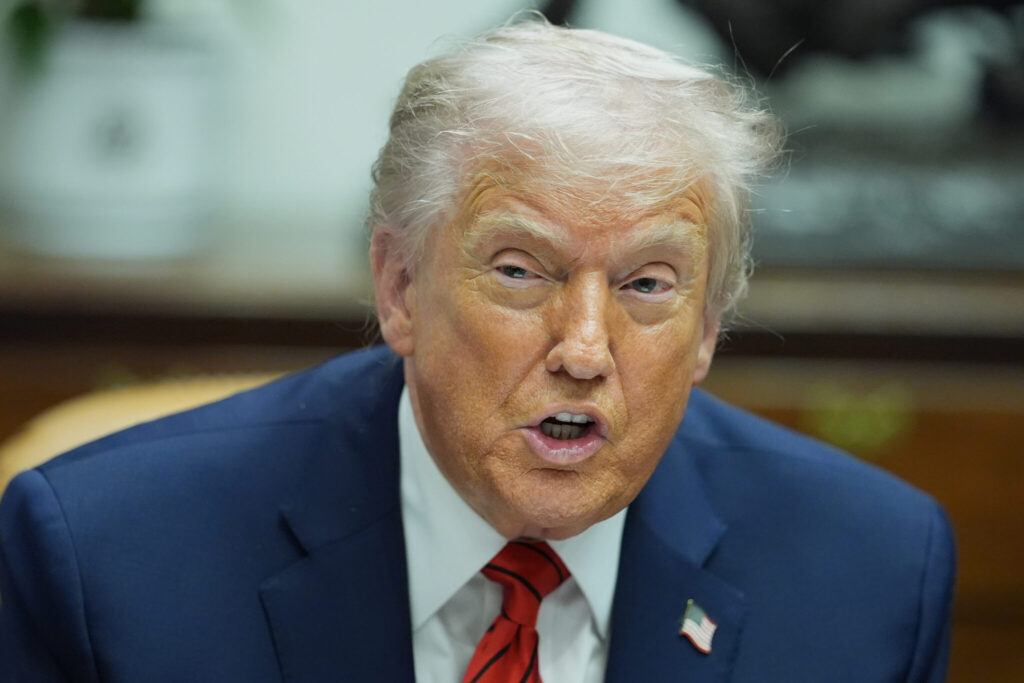
Trump Travel Ban Expansion Quick Looks
- Trump adds 20 more countries and the Palestinian Authority to travel restrictions.
- Five countries face a full travel ban, 15 others face new limitations.
- The move follows the arrest of an Afghan man over Thanksgiving.
- Critics call the expanded ban discriminatory and politically motivated.
- Afghan wartime allies lose protection under the new policy.
- Visa holders, lawful residents, and certain categories remain exempt.
- Administration cites weak vetting, instability, and terrorism risks.
- Caribbean nations affected seek clarification and diplomatic resolution.
Deep Look
Trump Expands U.S. Travel Ban, Adds 20 Nations and Palestinian Authority
In a sweeping policy move, the Trump administration announced Tuesday an expanded version of its controversial travel ban, adding 20 more countries and the Palestinian Authority to a growing list of nations facing either full or partial restrictions on travel to the United States. The decision, which takes effect January 1, effectively doubles the number of countries already subject to the administration’s stringent travel and immigration controls.
Among the newly banned countries are Burkina Faso, Mali, Niger, South Sudan, and Syria, whose citizens will no longer be permitted to enter the U.S. The expansion also includes a full travel ban for individuals carrying documents issued by the Palestinian Authority, escalating previous restrictions. South Sudan, already facing heavy travel limits, has now been shifted into the full-ban category.
In addition, 15 more countries—including Angola, Nigeria, Malawi, Zimbabwe, Gabon, and several Caribbean nations such as Antigua and Barbuda and Dominica—now face partial travel restrictions. These apply to both temporary visitors and those seeking permanent residency in the U.S.
The Trump administration has justified the expansion by citing a range of national security and administrative concerns. According to the official proclamation, many of the targeted nations were identified for widespread corruption, poor documentation systems, high visa overstay rates, or a failure to cooperate with U.S. deportation efforts. The administration also cited concerns over countries lacking effective government control, which it claims impedes proper vetting of individuals seeking entry.
The administration’s move follows a high-profile incident in which an Afghan national was arrested for allegedly shooting two National Guard members near the White House over Thanksgiving weekend. The suspect has pleaded not guilty to charges of murder and assault. The administration pointed to this event as evidence that current vetting procedures are insufficient and require immediate tightening.
President Trump’s announcement marks the continuation of a policy that first gained traction during his initial term. In June, the administration imposed a travel ban on 12 countries, with restrictions on seven others. Those countries included Afghanistan, Iran, Libya, and Yemen. The latest additions bring the total to nearly 40 countries now facing some form of travel restriction.
While current visa holders, permanent residents, diplomats, athletes, and those deemed in the national interest are exempt from the new policy, immigrant rights groups and international critics have swiftly condemned the move. They argue that the expanded ban is discriminatory and disproportionately targets nations from Africa, the Middle East, and the Caribbean.
“This expanded ban is not about national security but instead is another shameful attempt to demonize people simply for where they are from,” said Laurie Ball Cooper of the International Refugee Assistance Project.
One of the most heavily criticized aspects of the expansion is its removal of protections for Afghans who worked alongside U.S. forces during the two-decade war in Afghanistan. Previously, such individuals were eligible for Special Immigrant Visas (SIVs), allowing them a path to safety in the U.S. due to their service. The updated travel policy does not include this exemption.
The organization No One Left Behind, which advocates for former Afghan interpreters and allies, voiced alarm over the exclusion.
“This policy change inadvertently restricts those who are among the most rigorously vetted in our history: the wartime allies targeted by the terrorists this proclamation seeks to address,” the group said in a statement. It warned that removing these protections may not only endanger allies abroad but also undermine U.S. commitments to those who risked their lives in support of American missions.
Several of the countries affected by the new restrictions responded quickly to the announcement. Officials in Dominica stated they were treating the matter with “utmost seriousness and urgency” and were seeking clarification from U.S. authorities. Ronald Sanders, Antigua and Barbuda’s ambassador to the U.S., confirmed that he would also request further information on how the restrictions will affect citizens of his country.
The proclamation also made adjustments to previous restrictions. Laos and Sierra Leone, once on the partially restricted list, now face tighter limitations. Meanwhile, the administration acknowledged progress in Turkmenistan’s vetting processes and downgraded restrictions for that country.
The ban on Palestinians marks one of the most aggressive stances the administration has taken toward the region. It builds upon earlier restrictions that already made it extremely difficult for Palestinian passport holders to travel to the U.S. for work, study, or tourism. The new measures eliminate nearly all avenues for legal immigration or long-term stays for Palestinians under the Palestinian Authority.
In its justification, the administration referenced the active presence of U.S.-designated terrorist groups in the West Bank and Gaza Strip, as well as recent regional conflicts that may have compromised the ability to conduct reliable background checks.
As the policy takes effect, legal challenges and diplomatic protests are likely. Civil liberties groups and immigrant advocacy organizations are expected to contest the expansion in court, arguing that the measures are discriminatory and not grounded in measurable threats.
The Trump administration, however, appears determined to press forward with its approach, framing the expanded travel ban as essential to ensuring national security and restoring control over the nation’s borders.