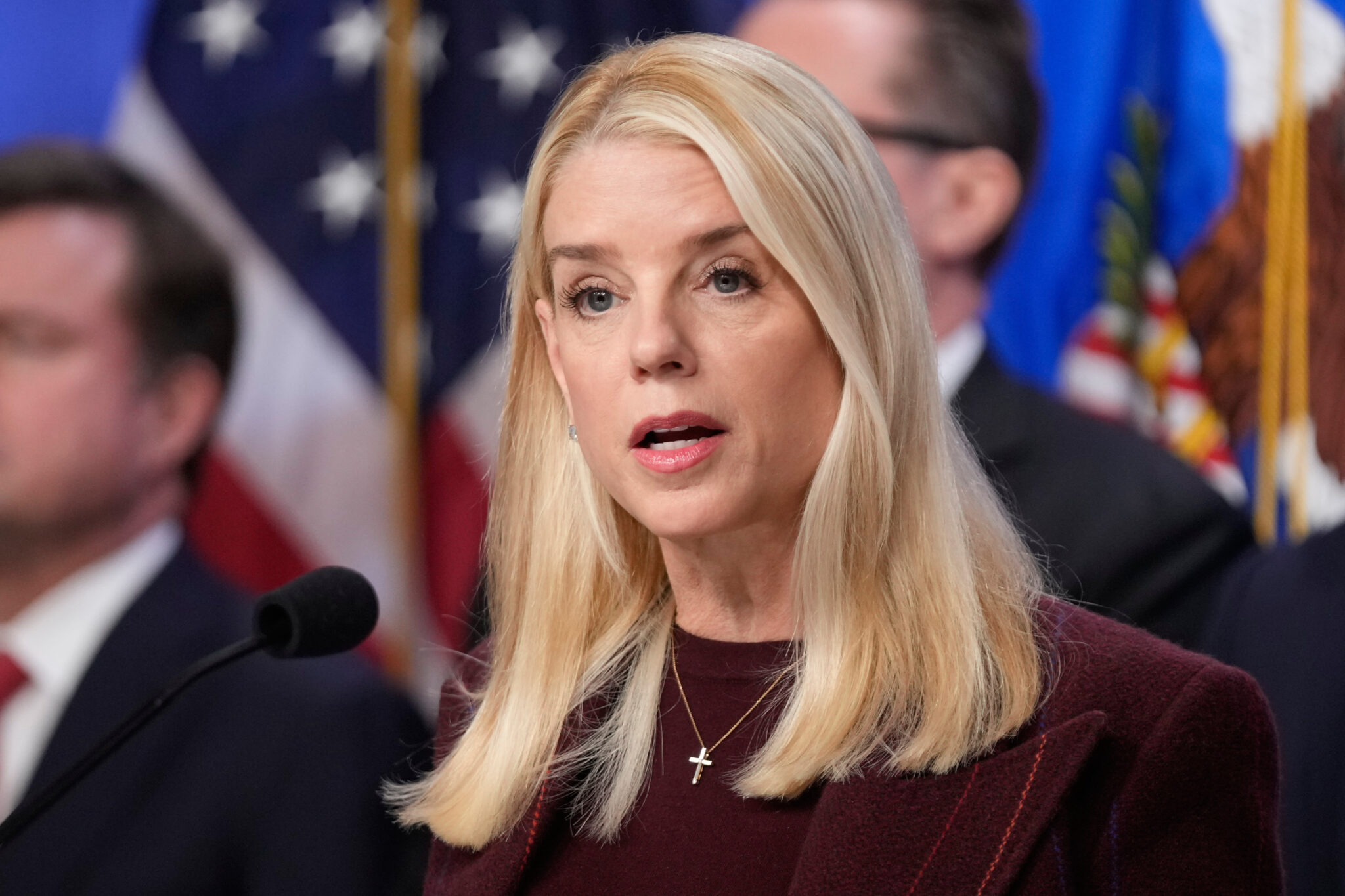
DOJ Faces Friday Deadline to Release Epstein Files/ Newslooks/ WASHINGTON/ J. Mansour/ Morning Edition/ The Department of Justice must release unclassified Jeffrey Epstein documents by Friday under a new law signed by President Trump. The law mandates transparency while prohibiting redactions for political sensitivity or reputational harm. Lawmakers on both sides are pressuring the DOJ as speculation swirls over what the files contain.
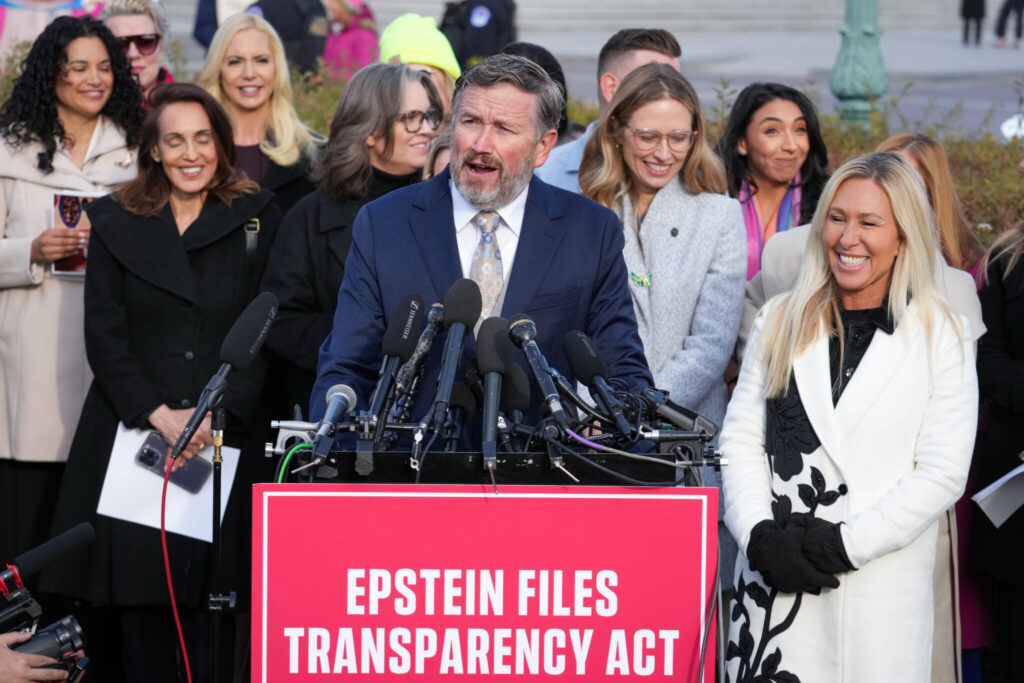
Epstein File Release Deadline Quick Looks
- DOJ has until Friday to release Epstein-related files under new law.
- Law requires all unclassified Epstein and Maxwell records be public.
- Bill signed by Trump after initially opposing its passage.
- DOJ can withhold documents only for ongoing investigations or prosecutions.
- Redactions for political sensitivity or reputational harm are prohibited.
- DOJ has over 300 gigabytes of Epstein-related evidence.
- House Oversight Committee has already released a tranche of photos and emails.
- Democrats and some Republicans supported bill through discharge petition.
- Attorney General Pam Bondi pledged compliance with “maximum transparency.”
- DOJ has not provided specifics on its plan for compliance.
- Ro Khanna warned tampering with files may bring legal consequences.
- Trump previously called Epstein-related allegations a political “hoax.”
- Emails show Epstein referenced Trump’s awareness of his misconduct.
- DOJ says no “client list” was found during file review.
- Epstein died by suicide in 2019 while awaiting federal trial.

Deep Look: DOJ Under Pressure as Epstein Document Deadline Looms
The Department of Justice faces a critical Friday deadline to release all unclassified records related to Jeffrey Epstein, as required by a recently enacted law. Signed by President Donald Trump on November 19, the legislation requires the DOJ to publicly disclose its Epstein files within 30 days. The bill also mandates the release of investigative materials related to Epstein’s longtime associate, Ghislaine Maxwell.
The law specifies that the documents must be made publicly available in both a downloadable and searchable format. It explicitly bans redactions based on embarrassment, reputational damage, or political sensitivity. The DOJ may, however, redact or withhold files that would compromise ongoing federal investigations or prosecutions.
Despite the looming deadline, the Justice Department has released few details on how it plans to comply. Attorney General Pam Bondi said last month that the department would follow the law with “maximum transparency” while ensuring protection for victims. However, no public plan has been outlined to ensure compliance with the law’s requirements.
The bill’s passage followed an unusual coalition in Congress. House Democrats, joined by a small number of Republicans, advanced the measure after bypassing Speaker Mike Johnson through a discharge petition. This forced a floor vote, despite earlier Republican resistance. Trump eventually reversed his position and signed the bill, though he has continued to question the motivations behind its support.
The law’s enactment has created political friction between the Trump administration and parts of its own base. Prominent MAGA-aligned figures have criticized the White House for not releasing the files sooner. At the same time, Democrats have accused the administration of slow-walking disclosure to protect powerful allies, a claim Trump has dismissed by pointing to Epstein’s ties to high-ranking Democrats.
Rep. Ro Khanna, a lead sponsor of the bill, warned in a statement on X that any attempt to scrub or conceal files would face legal consequences. Although the law does not outline specific penalties for failing to meet the Friday deadline, the political stakes remain high.
The DOJ has said it possesses more than 300 gigabytes of data related to Epstein’s case. This includes tens of thousands of photographs, videos, and documents — some of which have already been released by the House Oversight Committee. These previously released files have revealed Epstein’s extensive connections to influential figures such as Donald Trump, Bill Clinton, Bill Gates, and others.
Photos released by Epstein’s estate include images of him with Trump, while emails made public last month shed further light on the financier’s opinions and social ties. In a 2019 email to author Michael Wolff, Epstein wrote that Trump “knew about the girls,” referring to his alleged abuse of minors. In another message, Epstein called Trump “a dog that hasn’t barked.”
Trump has long denied any wrongdoing related to Epstein. He has acknowledged a past social relationship but claims the two had a falling out years ago. No formal allegations have ever been brought against Trump in connection with Epstein’s sex trafficking operation.
Still, critics worry that the DOJ may attempt to cite ongoing investigations as justification for withholding damaging files — a concern heightened by Trump’s order for Bondi to investigate Epstein’s connections to Democrats shortly before signing the law. Such investigations could, under the law’s language, qualify as grounds for selective redaction.
Bondi has also led an internal DOJ review into whether a so-called “client list” exists within its Epstein records — a topic that has driven much speculation and conspiracy theorizing. According to the department, no such list has been identified among the materials reviewed.
Epstein died in 2019 by suicide while awaiting trial on federal sex trafficking charges. His death ended the federal case against him, though it intensified public demands for accountability and transparency, especially regarding the prominent individuals connected to him.
The 2008 plea deal Epstein struck with Florida prosecutors allowed him to avoid federal charges despite evidence of wide-ranging abuse. The leniency of that agreement remains a point of controversy and has fueled public skepticism about elite protection in the justice system.
Critics argue that full transparency is the only way to restore public trust and clarify Epstein’s relationships with powerful individuals across political, financial, and media spheres. Advocates for disclosure maintain that any attempt to suppress or sanitize the contents of these documents would violate both the spirit and letter of the law.
With the Friday deadline fast approaching, the DOJ faces mounting pressure from lawmakers, journalists, and the public to comply fully and transparently. Whether the agency fulfills its legal obligations or faces further scrutiny will become clear in the coming days.