Trump Announces Major Drug Price Cuts With Pharma/ Newslooks/ WASHINGTON/ J. Mansour/ Morning Edition/ President Donald Trump announced a deal with nine major pharmaceutical companies to lower prescription drug prices across the U.S. The agreement ties future drug costs to international “most-favored-nation” pricing and expands access to affordable medication. The initiative includes price reductions, donations, and the launch of a new direct-to-consumer platform.
Trump Drug Pricing Deal Quick Looks
- Trump reached an agreement with nine pharmaceutical companies to lower U.S. drug prices.
- Companies include Amgen, Merck, GSK, Sanofi, Novartis, Genentech, Gilead, Boehringer Ingelheim, and Bristol Myers Squibb.
- Drug prices for Medicaid will match those in other developed nations.
- New drugs will adopt “most-favored-nation” pricing across all markets, including Medicare and commercial.
- Deal expected to benefit uninsured patients and reduce Medicaid costs for states.
- TrumpRx platform launching in January will allow direct purchases from manufacturers.
- Companies will also contribute active pharmaceutical ingredients to a national emergency reserve.
- Bristol Myers Squibb will donate Eliquis, a top Medicaid prescription, for free.
- Health experts praise the equity-focused donation and potential R&D benefits.
- Trump previously negotiated similar deals with Pfizer, AstraZeneca, and others.
- In total, 14 drugmakers have signed pricing agreements under the Trump administration.
- Trump admitted threatening companies with tariffs to secure cooperation.
- Effectiveness of the initiative will take time to measure, experts say.
Deep Look: Trump Reaches Landmark Deal With Drugmakers to Lower U.S. Prescription Costs
President Donald Trump on Friday announced a sweeping agreement with nine major pharmaceutical companies to reduce prescription drug prices across the United States, tying future costs to global benchmarks and expanding access to critical medications. The announcement marks a significant step in the administration’s ongoing campaign to make healthcare more affordable and is one of the most high-profile policy achievements in Trump’s second term.
Participating companies — Amgen, Merck, GSK, Sanofi, Novartis, Genentech, Gilead Sciences, Boehringer Ingelheim, and Bristol Myers Squibb — have committed to aligning U.S. Medicaid drug prices with the rates they charge in other developed nations. The companies will also apply so-called “most-favored-nation” pricing to any new medications launched across all payment types, including commercial, Medicare, and cash pay markets.
While patients enrolled in Medicaid already pay minimal co-pays, the new pricing structure is expected to significantly ease the financial burden on state governments that fund the program. For uninsured Americans or those with high out-of-pocket costs, the reductions could offer meaningful savings, though some medications may still cost hundreds of dollars per month even after discounts.
Drug prices in the U.S. have long exceeded those in other nations, driven by a lack of centralized negotiation and regulatory price controls. Trump said he leveraged the threat of 10% tariffs on imported pharmaceuticals to push the industry toward the agreement, stating that the companies were persuaded to “do the right thing.”
The deal includes several notable provisions beyond pricing. The companies have agreed to participate in the upcoming launch of TrumpRx, a direct-to-consumer drug purchasing platform set to go live in January. The online marketplace will allow Americans to buy prescription medications directly from manufacturers at reduced prices.
Pharmaceutical firms will also contribute substantial quantities of active pharmaceutical ingredients (APIs) to a newly established national reserve. These APIs will be used to formulate essential medications like antibiotics, rescue inhalers, and blood thinners during emergencies or supply chain disruptions.
Bristol Myers Squibb announced a particularly high-profile contribution: the company will donate its flagship blood thinner, Eliquis, to the Medicaid program at no cost. Eliquis is widely prescribed to prevent blood clots and strokes and is among the most-utilized medications in Medicaid nationwide.
William Padula, a pharmaceutical economics expert at the University of Southern California, called the donation “a thoughtful health equity move” and said the company’s ability to offer it for free reflects the drug’s long-term profitability.
“It’s clearly influential,” Padula said, noting that pharmaceutical companies may redirect profits toward innovation and research while using these gestures to improve public perception.
Still, Padula cautioned that it could take years to assess whether these pricing reforms lead to measurable improvements in health outcomes. “It’s good for their stock and it’s good for their future R&D,” he said. “But nothing really matters here unless our health gets better as a country.”
This latest round of deals follows similar agreements earlier in the year between the Trump administration and five other major pharmaceutical manufacturers — Pfizer, AstraZeneca, EMD Serono, Novo Nordisk, and Eli Lilly. Although the specific terms of each agreement have not been publicly disclosed, officials say the cumulative impact of the 14 participating companies is significant.
The momentum behind the policy began when Trump sent letters directly to executives at 17 top pharmaceutical firms demanding action on price reform. His public pressure campaign appears to have paid off, as the number of cooperating companies continues to grow.
The new policy builds on the administration’s broader strategy to disrupt traditional pharmaceutical distribution and reduce price disparities between the U.S. and other countries. While most Americans receive some protection from drug costs through insurance coverage, those outside employer-based or government insurance systems often face exorbitant prices, making them the most likely to benefit immediately from this initiative.
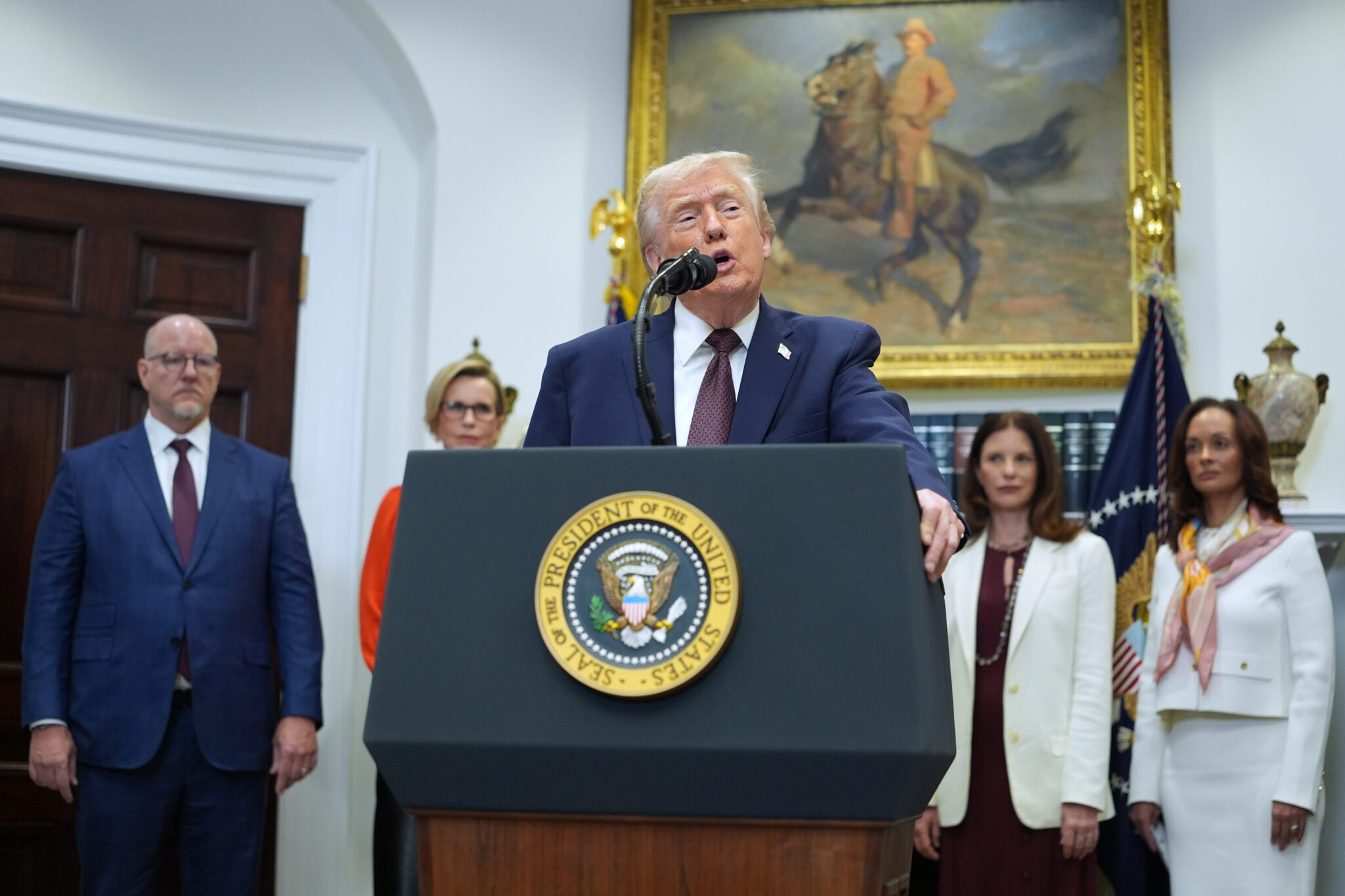
Trump, speaking from the Roosevelt Room during Friday’s announcement, framed the deals as part of his promise to bring fairness and transparency to the healthcare system. “Americans have paid more than anyone else for the same medications for far too long,” he said.
With drug affordability emerging as a bipartisan issue, Trump’s ability to secure voluntary cooperation from major drugmakers may provide political capital ahead of contentious legislative battles over healthcare and entitlement reform.
The success of the program will depend on implementation, transparency, and patient access. Still, with nine new companies on board and a total of 14 now participating, the administration claims significant progress in its efforts to lower drug costs for Americans.