Holiday Shoppers Spend Carefully Amid Inflation and Uncertainty/ Newslooks/ WASHINGTON/ J. Mansour/ Morning Edition/ Holiday sales rose modestly in 2025 as cautious shoppers focused more on essentials and gifts. Inflation and economic concerns curbed enthusiasm, though electronics and clothing saw notable gains. Retailers report stronger online spending, but foot traffic is down from last year.
2025 Holiday Shopping Trends Quick Looks
- Holiday sales rose 4.2% from Nov. 1 to Dec. 21
- Inflation-adjusted growth was 2.2%, lower than last year
- Shoppers focused on gifts, pulled back on holiday décor
- Online shopping outpaced in-store growth, up 7.8%
- Electronics and clothing sales were standout categories
- Home decor and improvement sales lagged due to tariffs, weak housing
- Major shopping days remain after Christmas
- Consumer behavior shaped by economic anxiety and targeted budgeting
Deep Look: Shoppers Spend Carefully but Steadily to Start the 2025 Holiday Season
Consumers opened their wallets with care as the 2025 holiday shopping season got underway, spending more than last year but with tighter focus and more restraint. According to new data from Visa and Mastercard, retail sales in the first seven weeks of the holiday period increased, but at a slower pace than the year before, reflecting concerns about the broader economy.
From November 1 through December 21, overall cash and credit card spending rose 4.2% year over year, according to Visa’s Consulting & Analytics division. That figure is slightly below the 4.8% increase from the same period in 2024. After adjusting for inflation, the growth drops to just 2.2%, compared with 3% last year.
Michael Brown, U.S. principal economist at Visa, described the season as average. He noted that while consumers are still participating in holiday shopping, they are doing so cautiously, with macroeconomic uncertainty and inflation continuing to weigh on decisions.
Mastercard SpendingPulse, which also tracks holiday spending, reported a 3.9% sales increase for the same period, slightly exceeding its earlier forecast of 3.6%. However, this is still lower than last year’s 4.1% growth rate.
One noticeable trend is how shoppers blended in-store and online strategies. According to Mastercard, many consumers sought to balance convenience with deal-hunting, using both digital platforms and physical stores to shop efficiently.
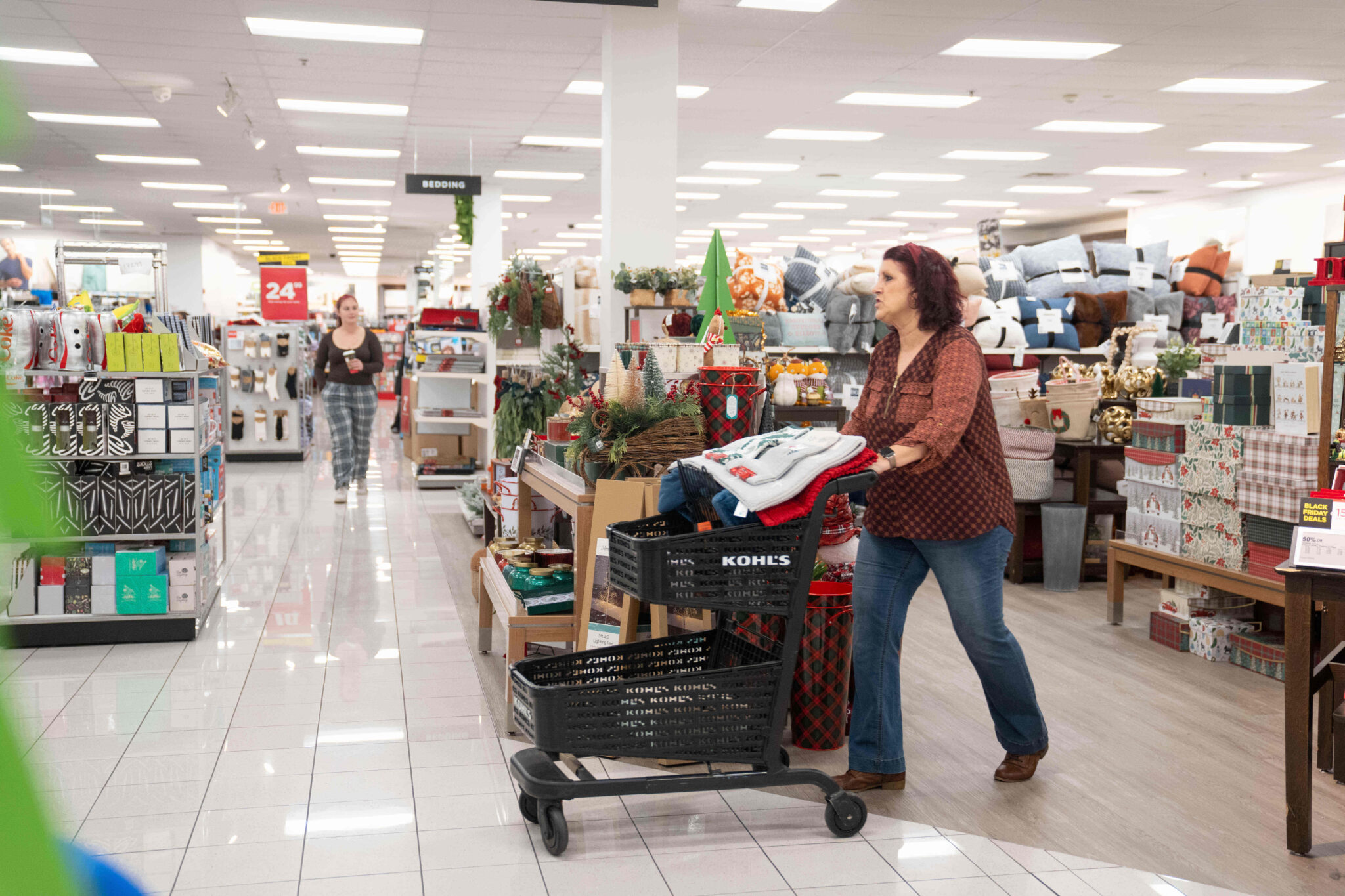
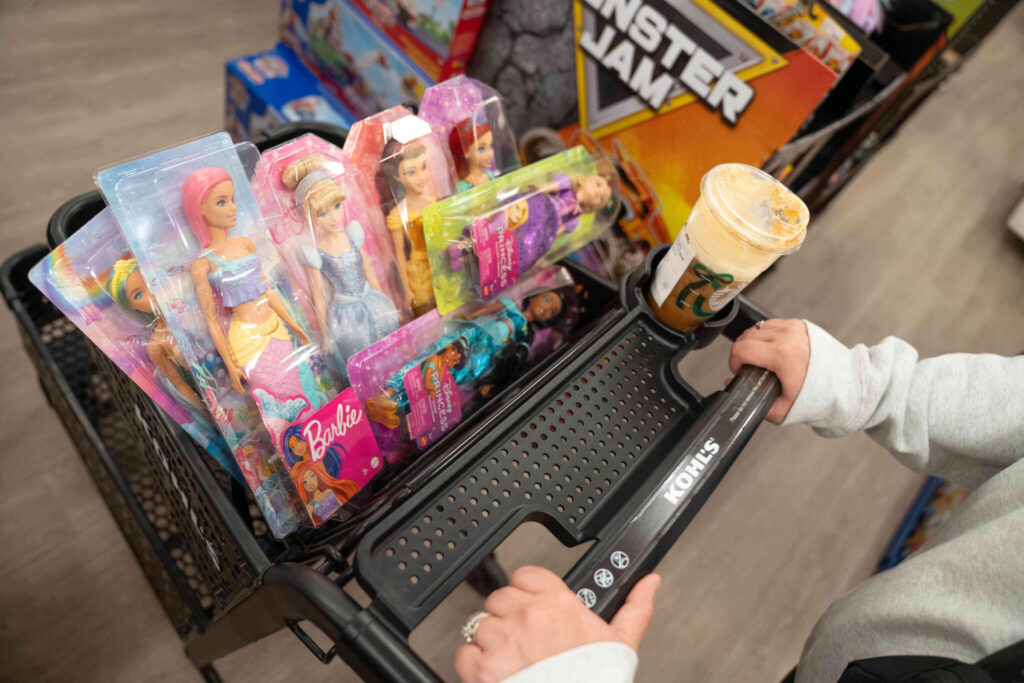
Retailers have observed that consumers are more targeted this year, prioritizing gifts while cutting back on nonessential purchases such as holiday decorations. Inflation has squeezed household budgets, especially in categories like groceries, rent, and imported goods affected by tariffs. A recent jobs report from the Labor Department also indicated growing concern in the employment landscape, which may have contributed to tempered consumer confidence.
Despite these pressures, holiday spending remains mostly in line with Visa’s full-season prediction of a 4.6% increase between November and December.
Retail analytics firm Sensormatic said that several key shopping days remain, including the day after Christmas and the first Saturday following the holiday. Still, foot traffic is trending downward. RetailNext, which monitors in-store activity, recorded a 5.4% decline in store visits on the Saturday before Christmas compared with last year. This “Super Saturday” is typically one of the busiest shopping days of the season. Analysts say the decline suggests consumers are spreading out their trips and sticking closely to planned lists.
Even with softer traffic in stores, the National Retail Federation is standing by its forecast for total holiday sales between $1.01 trillion and $1.02 trillion, an increase of 3.7% to 4.2% over 2024.
The seasonal consumer data has been difficult to track in full due to a 43-day federal government shutdown that interrupted economic reporting. The Commerce Department last reported that overall sales for October were flat compared with September, weighed down in part by reduced electric vehicle sales following policy changes on subsidies.
Online shopping continues to lead growth. Visa reported that e-commerce sales rose 7.8% in the early holiday season, fueled by early promotions. Mastercard noted a 7.4% increase in online sales, while in-store spending rose by just 2.9%.
Visa reported that 73% of holiday spending still occurs in physical stores, but the digital share is growing rapidly at 27%. Electronics were the top-performing category, with sales rising 5.8%, helped by demand for artificial intelligence-powered devices. General merchandise stores, including major discounters, saw a 3.7% increase.
Tariffs had a noticeable effect on shopper behavior. According to Brown, clothing and accessory sales rose by 5.3%, a notable jump from last year’s 4.1%, as this category was less impacted by import taxes. Meanwhile, holiday decor items, often manufactured in China, saw a tepid 0.8% gain.
The weak housing market also affected consumer purchases. Sales of home improvement goods, including building materials and garden items, increased only 1%. Mastercard reported that clothing sales were strong overall, up 7.8% in the seven-week period, bolstered by cold weather and deep holiday discounts.
Spending at restaurants also saw healthy growth. Mastercard reported a 5.2% increase in dining purchases, indicating that many Americans are still spending on experiences even as they trim back on goods.
As the final days of the shopping season approach, retailers will be watching closely to see whether late buyers and post-holiday bargain hunters will help push numbers closer to projections.