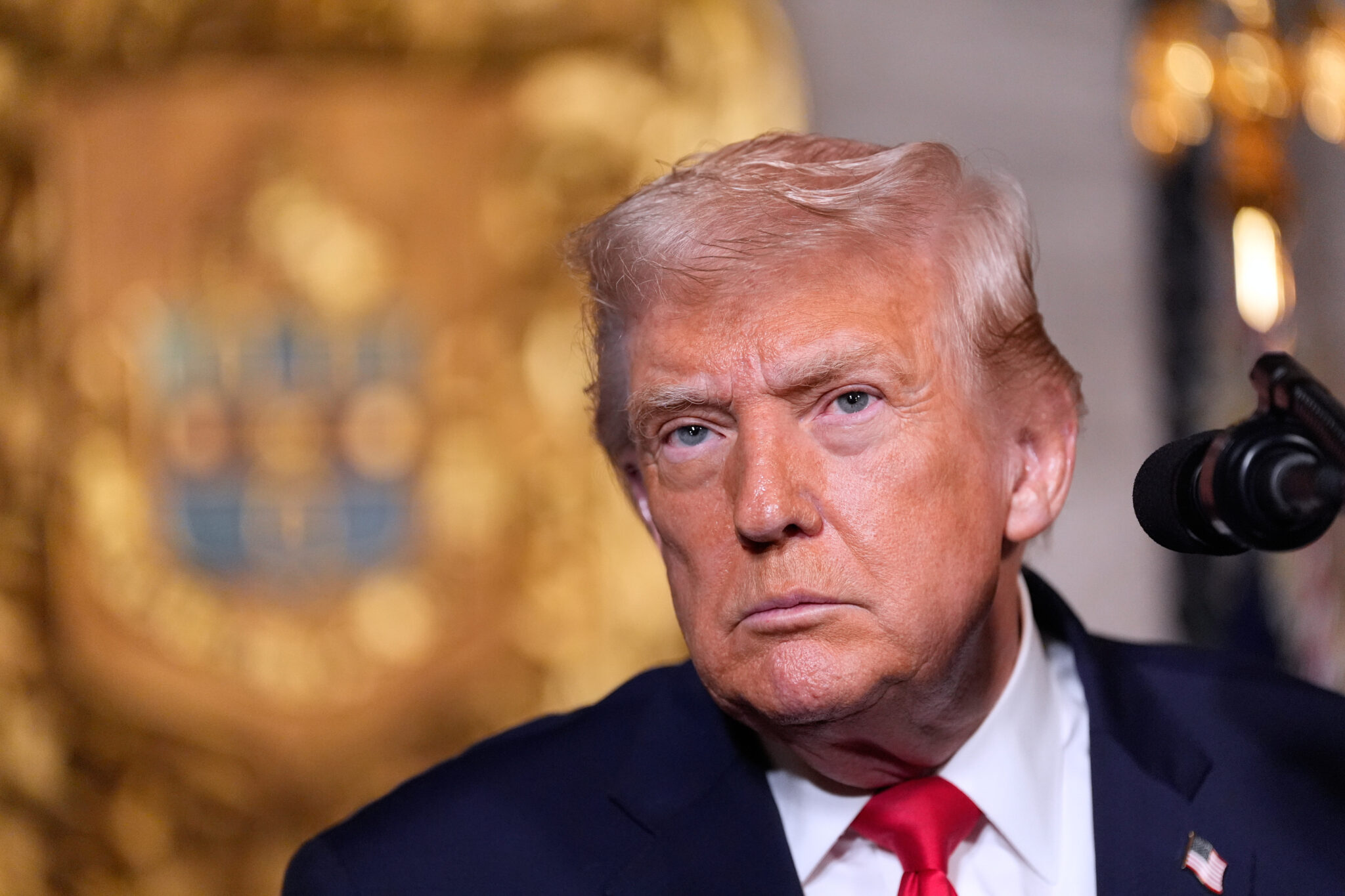
Trump Responds to Christian Killings with Nigeria Strikes on ISIS/ Newslooks/ WASHINGTON/ J. Mansour/ Morning Edition/ President Donald Trump confirmed U.S. military airstrikes against Islamic State militants in Nigeria’s Sokoto state. The strikes came after escalating violence against Christians in the region. U.S. officials coordinated closely with Nigerian authorities, citing international law and religious freedom violations.
Nigeria Airstrikes Quick Looks
- U.S. military launched airstrikes on ISIS-linked militants in Nigeria’s Sokoto state
- Trump cited Christian persecution as a key reason for action
- Nigerian government approved and coordinated the strikes with U.S. defense officials
- Attacks likely targeted the Lakurawa group, known for regional violence
- Nigeria battles various extremist factions, affecting both Christian and Muslim communities
- Trump recently restricted visas for Nigerians involved in anti-Christian violence
- U.S. designated Nigeria a “country of particular concern” under religious freedom laws
- Defense Secretary Hegseth confirmed operations occurred on Christmas Day
- Experts warn of rising extremism in northwest Nigeria due to lack of security presence
Deep Look: Trump Confirms U.S. Airstrikes on Islamic State in Nigeria
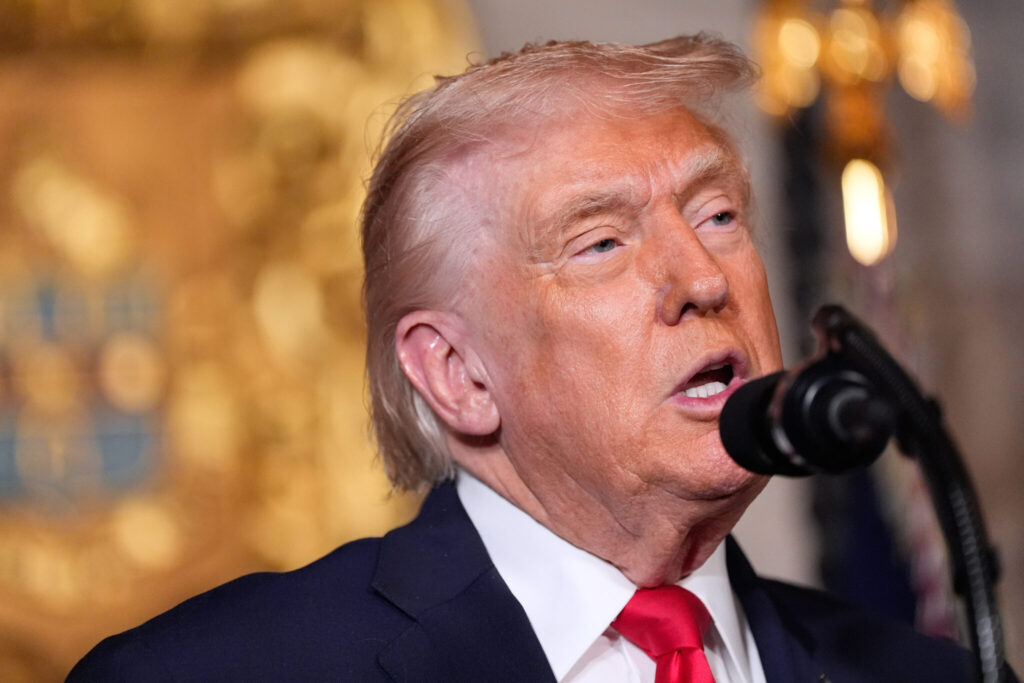
WEST PALM BEACH, Fla. — President Donald Trump announced that the United States had launched a series of military strikes against Islamic State-affiliated militants in Nigeria, following weeks of heightened rhetoric about Christian persecution in the West African nation.
In a statement posted on his social media platform during Christmas evening, Trump called the operation “powerful and deadly,” though he did not provide specifics on the targets or damage inflicted. Sources from the Pentagon, speaking anonymously due to the sensitive nature of the operation, confirmed that the strikes were carried out in Sokoto state and conducted with the full cooperation of Nigeria’s government.
Nigeria’s Ministry of Foreign Affairs emphasized that the military collaboration between the two countries followed international legal protocols, mutual respect for sovereignty, and a shared interest in combating regional and global terrorism.
Target: Lakurawa Militants
While Trump framed the military action as a direct response to attacks on Christians, local analysts believe the strikes were aimed at the Lakurawa group — a lesser-known but increasingly violent Islamic State-linked faction operating in northwest Nigeria. This group has claimed large areas of forested territory in Sokoto and neighboring Kebbi, using them as operational bases to launch assaults on villages and government forces.
Security expert Malik Samuel from Good Governance Africa stated, “Lakurawa is essentially controlling territories in Sokoto. The near absence of state and federal security allows violent extremist groups to thrive.”
Religious Violence and Broader Context
Trump has consistently spotlighted the plight of Christians in Nigeria, calling the violence against them “vicious.” However, Nigerian officials and analysts have stressed that extremist violence affects both Christians and Muslims. The population of Nigeria — over 220 million — is almost evenly split between the two religions.
Attacks in Nigeria often stem from multiple causes, including religious extremism, ethnic tensions, farmer-herder disputes, and territorial control. Extremist groups such as Boko Haram and Islamic State West Africa Province (ISWAP) have long terrorized regions in the northeast, while newer factions like Lakurawa are emerging threats in the northwest.
Diplomatic and Strategic Moves
In recent months, Trump has taken a stronger stance on Nigeria’s religious conflict. He ordered the Pentagon to consider military options and the State Department imposed visa restrictions on individuals linked to anti-Christian violence. The U.S. also labeled Nigeria a “country of particular concern” under the International Religious Freedom Act — a designation that puts pressure on countries accused of tolerating or participating in religious persecution.
Despite the reduction of the American military footprint across Africa in recent years, the operation shows the U.S. still maintains the capability to carry out targeted strikes when national or humanitarian interests are deemed at risk.
U.S. Defense Response
U.S. Defense Secretary Pete Hegseth echoed Trump’s sentiments in a Christmas night post on X (formerly Twitter), stating: “The President was clear last month: the killing of innocent Christians in Nigeria (and elsewhere) must end.” He praised the readiness of U.S. forces and confirmed that ISIS militants “found out tonight — on Christmas.”
He concluded by thanking the Nigerian government for its support and ended the message with a firm “Merry Christmas!”
Complex Realities on the Ground
While Trump’s framing emphasizes religious persecution, observers and human rights advocates argue that the violence in Nigeria is complex and fueled by multiple drivers beyond religion. The Nigerian government has reiterated that victims of extremist attacks span all faiths and regions, and comprehensive solutions must address security, economic hardship, and systemic corruption.
The strikes mark a renewed moment of international military cooperation in West Africa and a spotlight on how religious freedom and terrorism intertwine in U.S. foreign policy under Trump’s leadership.