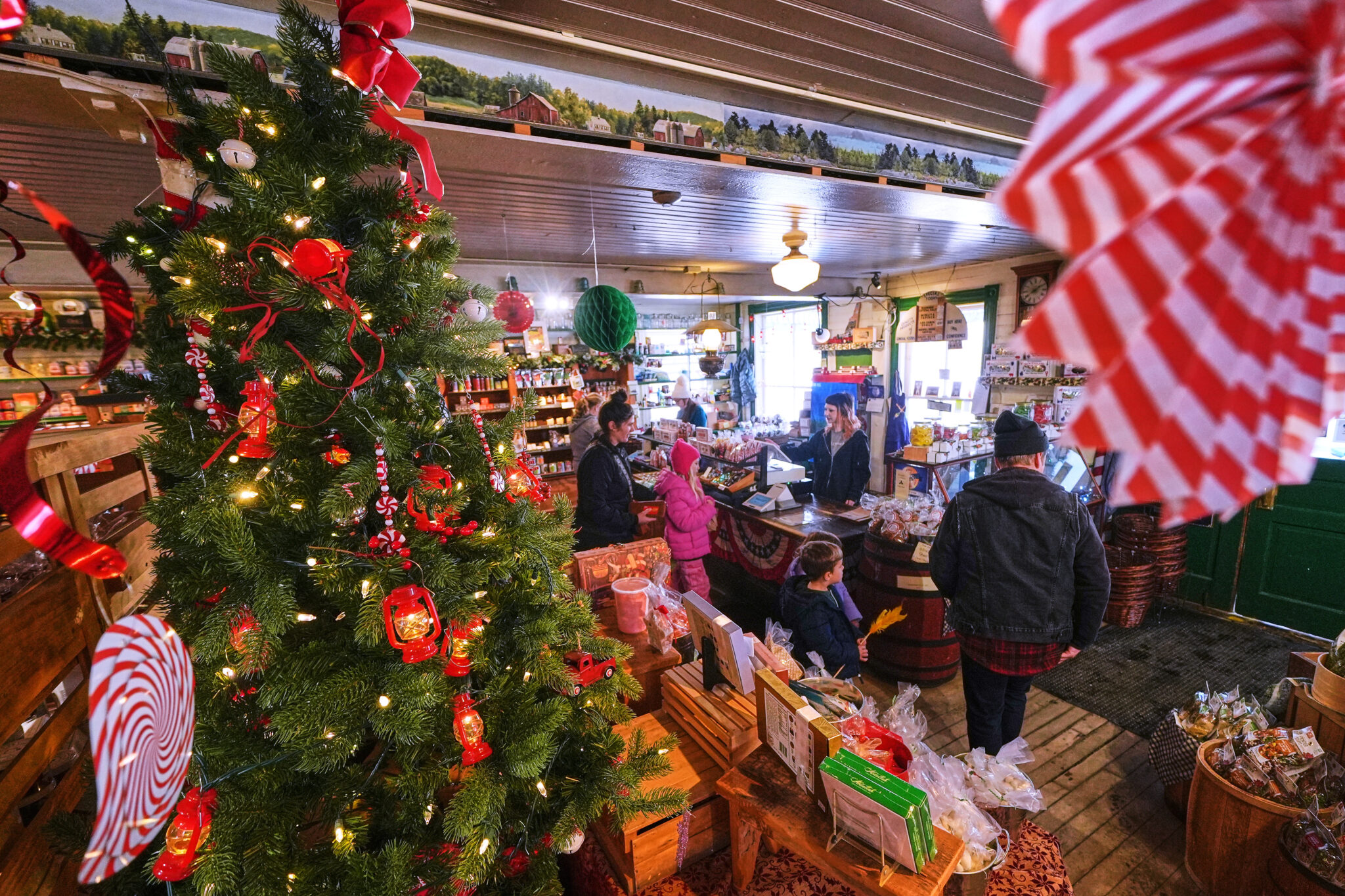
Holiday Shoppers Turn to Thrift Stores, Avoid Returns/ Newslooks/ WASHINGTON/ J. Mansour/ Morning Edition/ U.S. holiday shoppers shifted behavior in 2025, favoring thrift and discount stores over traditional retailers. Concerns over the economy and high prices led consumers to plan more carefully and return fewer items. Experts say sustainability, inflation, and changing habits are reshaping seasonal shopping.
Holiday Shopping Trends Quick Looks
- Thrift and discount stores see major spike in traffic
- Traditional retailers face decline in holiday foot traffic
- Economic concerns and tariffs reshape consumer behavior
- Returns fell early in the season, Adobe reports
- Shoppers are more intentional and research-driven this year
- Thrift store customers now have higher household incomes
- Savers Value Village reports double-digit U.S. sales growth
- Apparel and electronics retailers struggle to match 2024 traffic
- Discount chains like TJ Maxx gain modest year-over-year growth
- Post-holiday returns still expected to surge through January
Holiday Shoppers Turn to Thrift Stores, Avoid Returns
Deep Look
NEW YORK — As Christmas 2025 fades into memory, the traditional post-holiday rush has shifted gears. While shoppers still hunt for after-Christmas bargains and make returns, this year’s holiday retail season reveals a significant shift in consumer behavior, shaped by inflation, economic concerns, and evolving priorities.
Data from Visa Consulting & Analytics and Mastercard SpendingPulse shows that holiday spending through December 25 exceeded last year’s totals. However, how Americans spent their money has changed. Tariffs and higher prices under President Trump’s trade policies, combined with lingering economic unease, have steered shoppers toward thrift stores and discounters—and away from malls and high-end department stores.
According to Placer.ai, which analyzes foot traffic using mobile phone data, more Americans opted for second-hand and off-price retail experiences, favoring budget-conscious shopping and sustainability over big-brand spending.
Thrift Over Tradition: How Gifting Changed in 2025
Gift-giving remained central to the holiday season, but the destination for those gifts shifted. Traditional categories like apparel and electronics experienced only modest surges, with foot traffic falling behind last year’s numbers.
- Department stores saw traffic double during the week before Christmas compared to an average week—but that same traffic was down 13.2% compared to 2024.
- Standalone apparel stores enjoyed a 61% boost versus regular weekly traffic, but year-over-year traffic still declined by 9%.
At the same time, off-price retailers like TJ Maxx saw strong gains:
- A seasonal spike in traffic reached 85.1%, with a 1.2% year-over-year growth for the week before Christmas.
But the real winners this season were thrift stores, which saw traffic rise nearly 11% compared to 2024, far outpacing most other sectors.
“Whether hunting for a designer deal or uncovering a one-of-a-kind vintage piece, consumers increasingly favored discovery-driven experiences over the standardized assortments of traditional retail,” said Shira Petrack, head of content at Placer.ai.
Thrift Stores Go Mainstream, Attract Higher Incomes
What was once seen as a niche or budget-focused shopping option has now gone mainstream. Thrift stores, once rarely visited during the holidays, saw a notable sales spike, including a 5.5% increase during Black Friday weekend, according to Placer.ai.
In November, when traffic to traditional apparel stores dropped by more than 3%, thrift stores surged 12.7%. This rise isn’t just due to tighter budgets—it’s also about changing values, including environmental consciousness and the appeal of unique, vintage items.
Demographic data from STI: PopStats, combined with Placer.ai, shows a shifting customer base:
- The average household income of thrift shoppers rose to $75,000 in October and November 2025.
- That’s up from $74,900 in 2024 and significantly higher than $74,100 in 2022.
This rise suggests that more middle- and upper-middle-income households are embracing second-hand shopping—not just out of necessity, but preference.
At Savers Value Village, one of the nation’s largest thrift chains, U.S. sales rose 10.5% in the three months ending September 27. The momentum carried into October, driven by increased interest from younger and higher-income shoppers.
“Our high household income cohort continues to become a larger portion of our consumer mix,” said CEO Mark Walsh. “It’s trade-down for sure, and our younger cohort also continues to grow in numbers.”
Returns Down: More Disciplined Shoppers
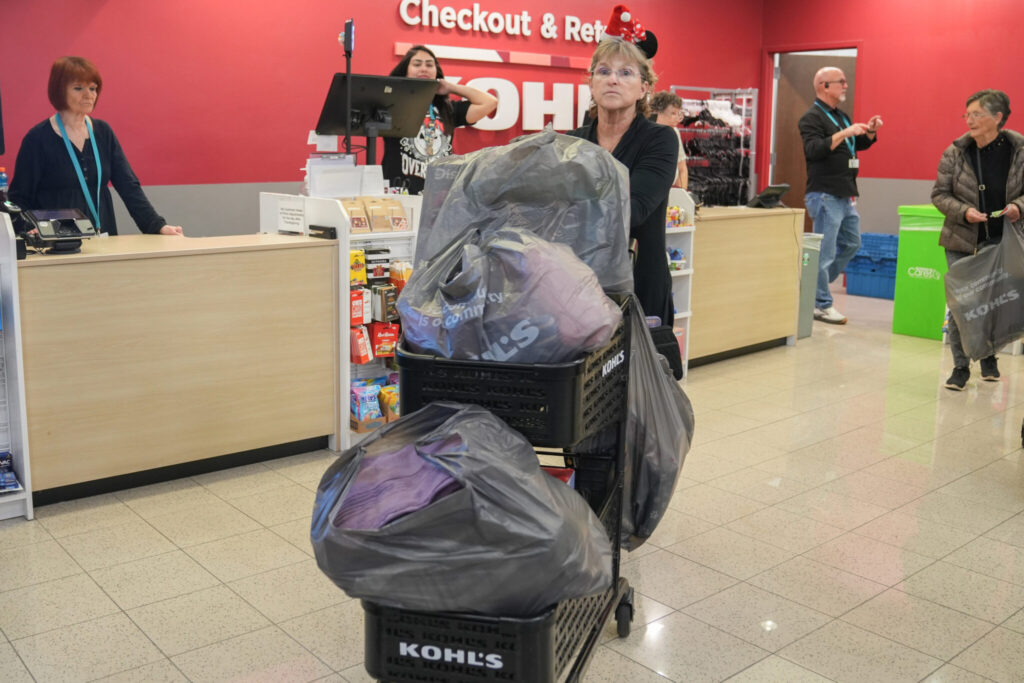
While lines at customer service desks are forming, return rates so far this season are lower than in previous years, signaling more thoughtful purchases.
Adobe Analytics, which tracked e-commerce behavior for the first time this year, reports:
- From November 1 to December 12, returns fell 2.5% year-over-year.
- In the seven days after Cyber Week, returns dipped 0.1% compared to 2024.
Vivek Pandya, lead analyst at Adobe Digital Insights, attributes the decline to more intentional buying behavior. “It’s very indicative of how conscientiously consumers have purchased,” Pandya said. “Many of them are being very specific with how they spend their budget.”
Holiday shoppers appear to be:
- Sticking more closely to pre-made shopping lists
- Researching products thoroughly before buying
- Avoiding impulse purchases that are later returned
From Nov. 1 to Dec. 12, online sales rose 6% to $187.3 billion, putting the season on track to exceed projections.
Returns Surge Expected Through January
Although early returns have declined, Adobe expects a return surge between December 26 and January 15, a traditional peak in post-holiday returns.
- From Dec. 26 to Dec. 31, returns are projected to rise 25% to 35% compared with Nov. 1–Dec. 12
- In the first two weeks of January, returns are expected to remain high—up 8% to 15%
Last year, one in every eight holiday returns occurred in the final week of December. That trend is likely to continue in 2025, even as more Americans shop smarter.