‘Mo,’ ‘Muslim Matchmaker’ TV Shows Allow Arab, Muslim Americans to Tell Their Stories/ Newslooks/ WASHINGTON/ J. Mansour/ Morning Edition/ New shows like Mo, Muslim Matchmaker, and #1 Happy Family USA are reshaping how Arab and Muslim Americans are portrayed in mainstream media. By telling authentic, nuanced stories, creators are moving beyond long-standing stereotypes. Experts and artists say representation is improving but still limited by industry gatekeepers.
Arab and Muslim TV Representation Quick Looks
- Mo and Muslim Matchmaker spotlight Muslim American experiences
- Shows break stereotypes and offer cultural authenticity
- Mo Amer’s Mo addresses asylum, identity, and Palestinian life
- Muslim Matchmaker highlights diversity within U.S. Muslim communities
- Animated #1 Happy Family USA explores post-9/11 Muslim identity
- Experts say representation still shaped by outsider narratives
- Media once depicted Arabs as villains, oil barons, or dancers
- Creators push for more decision-making power in Hollywood
- Positive portrayals influence public attitudes and policy support
- Successes are growing, but deeper equity is still needed
‘Mo’ Amer, ‘Muslim Matchmaker’ Challenge Media Stereotypes
Deep Look
COLUMBUS, Ohio — From scripted dramedies to reality TV and animation, a wave of new shows created by Arab and Muslim Americans is transforming how their communities are represented on screen. These projects are doing more than entertain — they’re redefining narratives, countering harmful stereotypes, and putting authentic voices in control of their own stories.
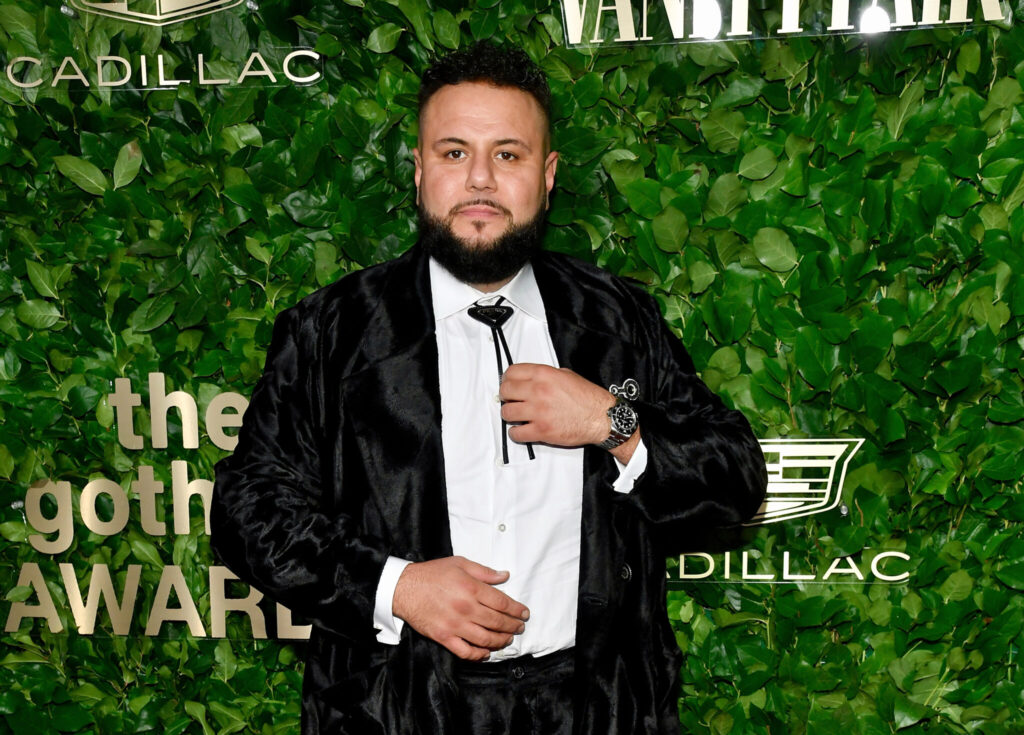
At the forefront of this cultural shift is Mo Amer, a Palestinian American comedian, writer, and actor. His acclaimed Netflix series Mo follows the journey of Mo Najjar, a Palestinian refugee navigating life, family, and immigration struggles in the United States.
“Whenever you want to make a grounded show that feels very real and authentic to the story and their cultural background, you write to that,” Amer told the Associated Press. “Once you do that, it just feels very natural.”
From Refugee Camps to Taco Stands: The Power of Mo
Now in its second season, Mo dives even deeper into themes of displacement, identity, and survival. The season opens with Najjar running a falafel taco stand in Mexico, having been caught smuggling stolen olive trees across the U.S.-Mexico border — part of an attempt to reclaim his family’s cultural and economic legacy by starting an olive oil business.
Amer doesn’t shy away from difficult issues. While the second season ends before the October 7, 2023 Hamas attacks, the show regularly touches on Israeli-Palestinian tensions, immigration policies, and the emotional toll of life in U.S. detention centers.
The first season of Mo won a Peabody Award, and Amer’s third comedy special, Mo Amer: Wild World, debuted on Netflix in October, solidifying his status as a rising creative force.
Love, Identity, and Faith in Muslim Matchmaker
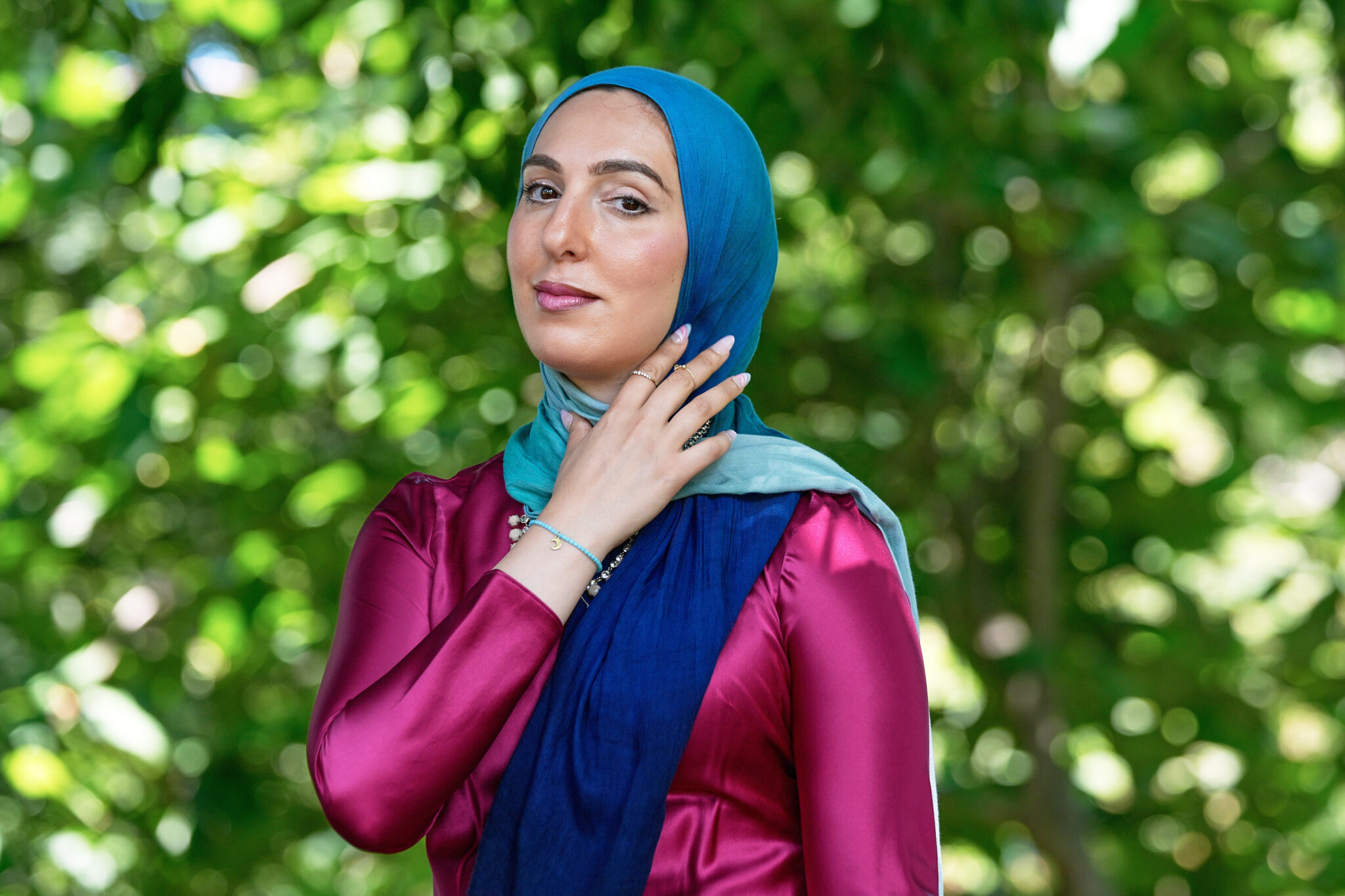
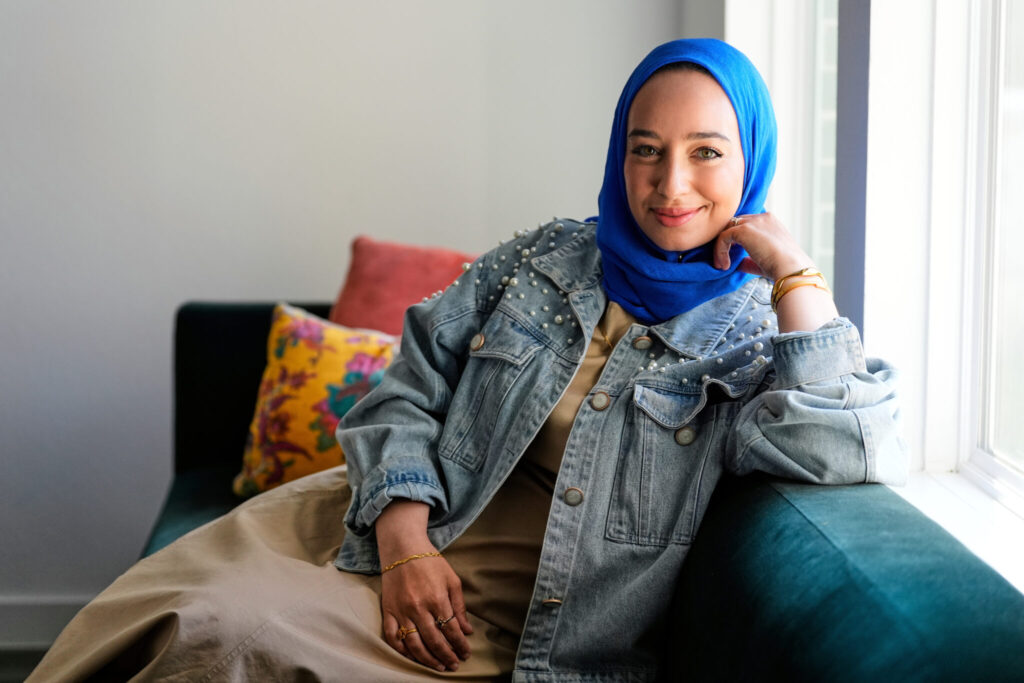
Another show changing perceptions is Netflix’s Muslim Matchmaker, a reality series hosted by Hoda Abrahim and Yasmin Elhady, that connects Muslim Americans across the country in search of love. The series explores the cultural, religious, and generational nuances of dating and marriage within Muslim communities.
“It’s really important to have shows that show us as everyday Americans,” said co-host Yasmin Elhady, an Egyptian and Libyan American. “We live in different places and have dual realities — a foot in the East and a foot in the West.”
Elhady says the show’s biggest contribution is how it showcases the ethnic and cultural diversity of Muslim Americans, challenging the media’s tendency to depict Muslims as a monolith.
Animation with Depth: #1 Happy Family USA
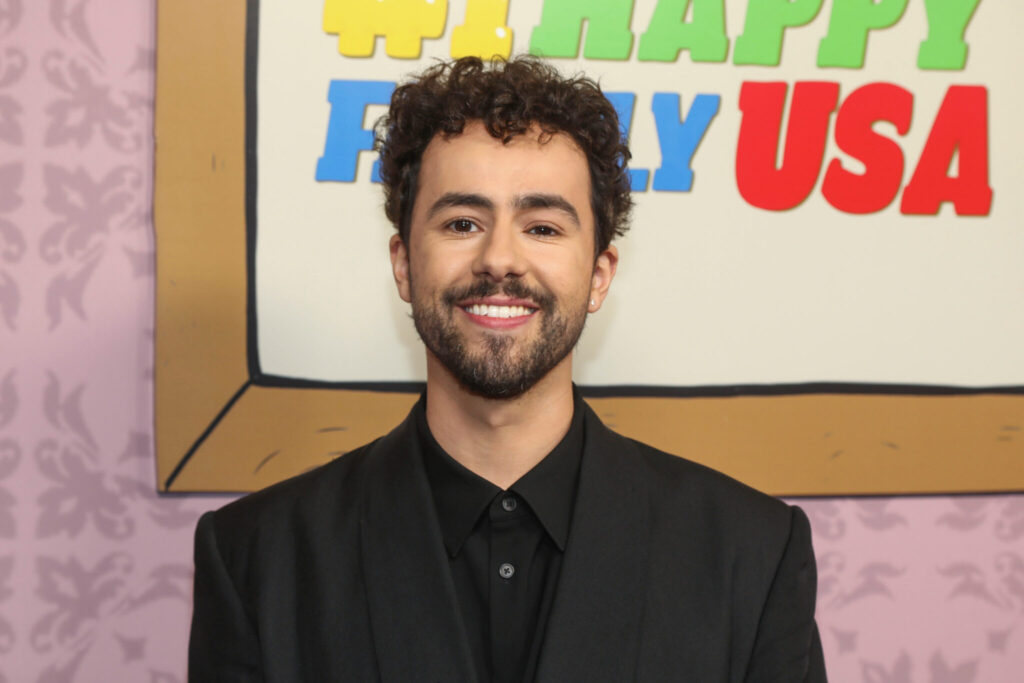
Created by Ramy Youssef and South Park co-creator Pam Brady, the animated series #1 Happy Family USA tells the story of an Egyptian American Muslim family in New Jersey navigating life after the 9/11 terrorist attacks. It blends humor with deep cultural insight and portrays the complexity of Muslim American identity in a post-9/11 world.
Youssef, who also collaborated with Amer on Mo, has been a major advocate for bringing first-person, faith-informed storytelling to the forefront of American television.
A Long History of Misrepresentation
The rise of shows like Mo and Muslim Matchmaker marks a significant departure from the historical portrayal of Arabs and Muslims in American media. According to Dr. Sahar Mohamed Khamis, a professor at the University of Maryland and expert on Arab and Muslim representation, media depictions have long relied on orientalist tropes.
“After 9/11, Arabs and Muslims were often portrayed as villains. The terrorist, the threat, was almost always a brown-skinned man with an Arab-sounding name,” said Khamis.
Before 9/11, the dominant image was the “exotic other” — desert dwellers, camels, oil-rich sheikhs, or women cloistered in harems. Khamis points to the concept of “orientalism”, coined by Palestinian American academic Edward Said, which describes how the West constructs misleading and dehumanizing depictions of the Middle East.
“These portrayals were created by outsiders — imperial powers — not by the people themselves,” said Khamis. “And they continue to shape perceptions today.”
Beyond Bombers, Billionaires, and Belly Dancers
Among academics and cultural critics, a recurring phrase used to describe outdated depictions of Arabs in media is the “three Bs” — bombers, billionaires, or belly dancers. Newer shows challenge these categories by showcasing multi-dimensional characters whose challenges, humor, and relationships are relatable to wider audiences.
But there’s still a long way to go.
“We’re still siloed in harmful ways,” said Sanaz Alesafar, executive director of Storyline Partners and an Iranian American. “These wins are amazing, but decision-making power still lies outside our communities.”
Storyline Partners works behind the scenes to guide showrunners and studios in creating authentic characters that don’t rely on tropes or tokenism.
Representation That Shapes Reality
Positive portrayals don’t just impact audiences emotionally — they can shift attitudes on a national level. A study by the Institute for Social Policy and Understanding found that people exposed to positive Muslim representation were less likely to support anti-Muslim policies, like surveillance or travel bans.
“It affects how people vote, how they support or oppose laws, and how they treat their neighbors,” said Alesafar.
Deana Nassar, head of creative talent at Alamiya Filmed Entertainment and an Egyptian American, echoed that sentiment. She said the next step must involve more diverse leaders in Hollywood’s power structure, not just diverse faces on screen.
“It’s critical that my kids grow up seeing themselves reflected accurately,” she said. “Without diverse decision-makers, representation will always fall short.”
More Work Ahead for Creators and the Industry
Mo Amer believes that while success stories like Mo and Muslim Matchmaker are encouraging, real progress lies in consistent output and recognition.
“Just keep writing, just keep creating,” he said. “Thankfully, I have a really deep well for that, so I’m excited for what’s next.”
Creators and advocates agree: for Arab and Muslim Americans, representation on screen is not just about visibility — it’s about ownership of their own stories.