Trump Threatens Iran With Strikes During Netanyahu Visit/ Newslooks/ WASHINGTON/ J. Mansour/ Morning Edition/ During a high-profile meeting in Florida, Donald Trump warned Iran of severe U.S. military retaliation if it revives its nuclear program. Alongside Israeli Prime Minister Benjamin Netanyahu, Trump also pushed for progress on the stalled Gaza ceasefire and his broader Middle East peace plan. Discussions included disarming Hamas, rebuilding Gaza, and potential international oversight of the Palestinian territory.
Iran Nuclear Tensions Quick Looks
- Trump warns of further U.S. strikes if Iran resumes nuclear activity
- Netanyahu joins Trump at Mar-a-Lago to discuss security, Gaza
- Gaza ceasefire holds but progress toward next phase slows
- Peace plan includes rebuilding Gaza, disarming Hamas, and international oversight
- Netanyahu awarded Israel Prize during Florida visit
- Trump urges Israeli president to pardon Netanyahu amid corruption trial
Deep Look
Trump Issues Stark Warning to Iran, Pushes Gaza Deal During Netanyahu Visit
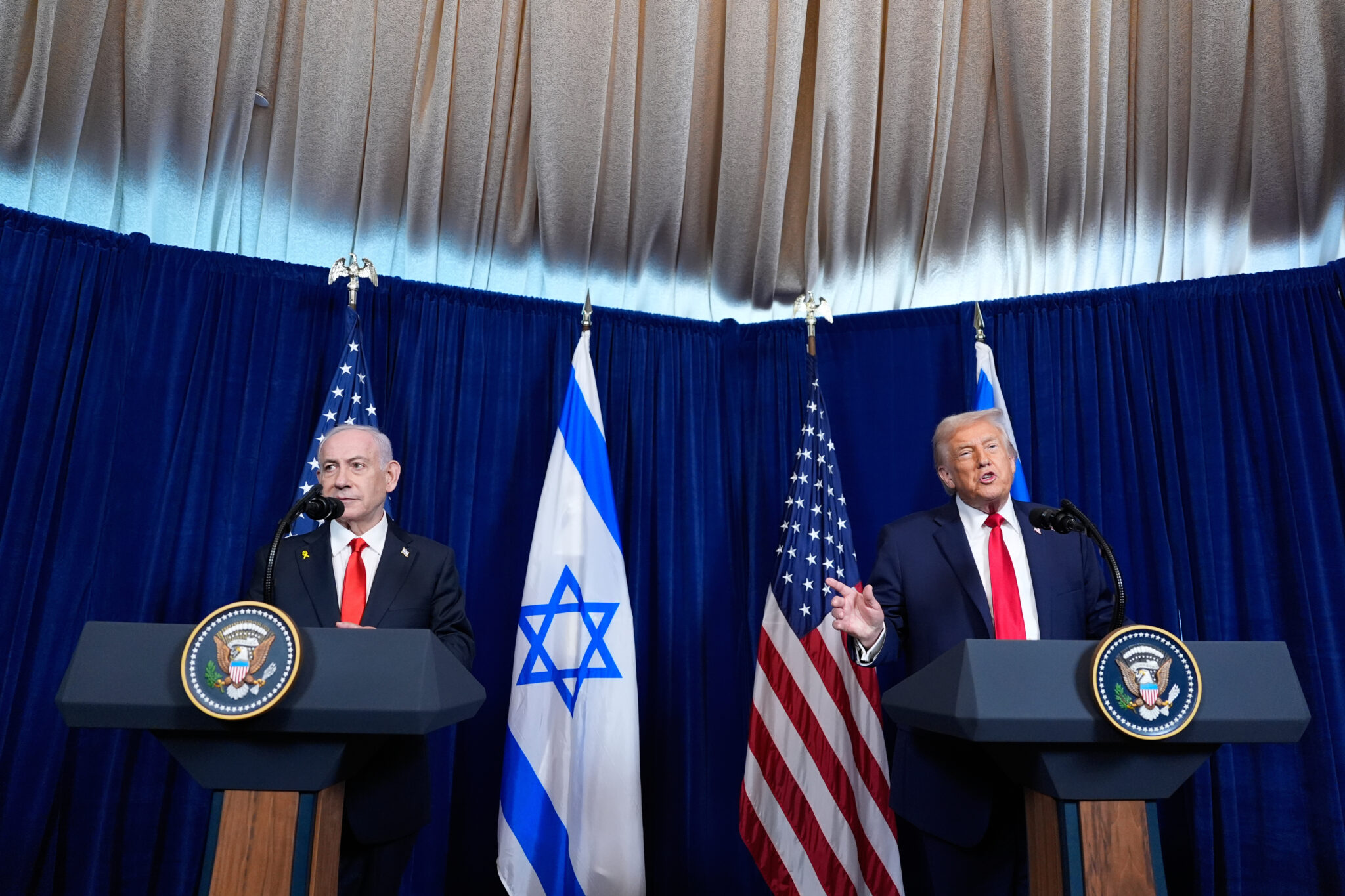
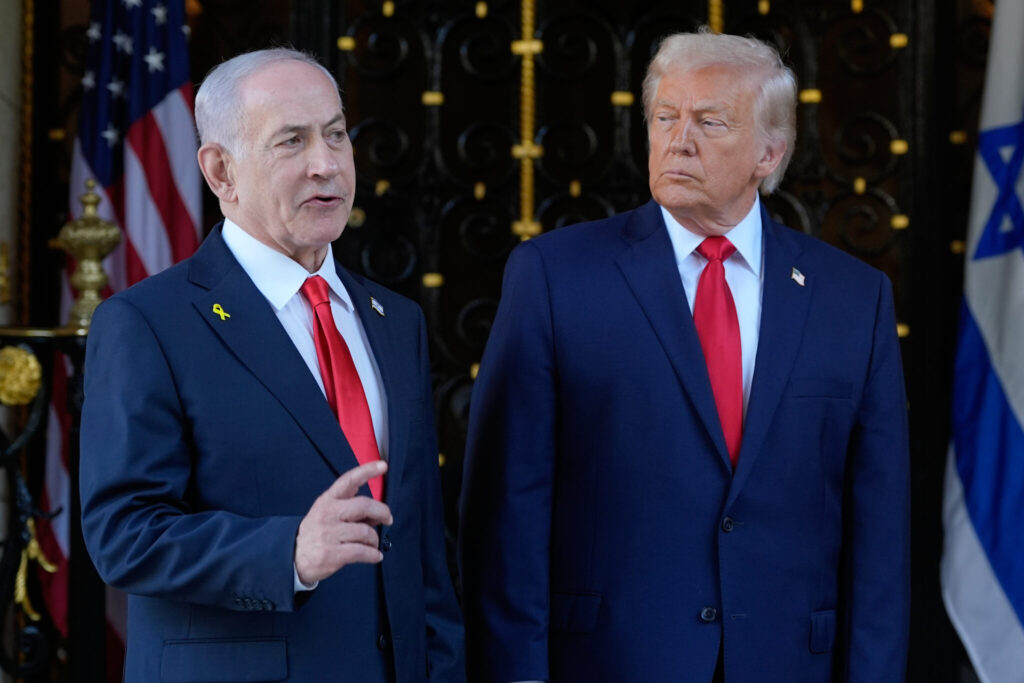
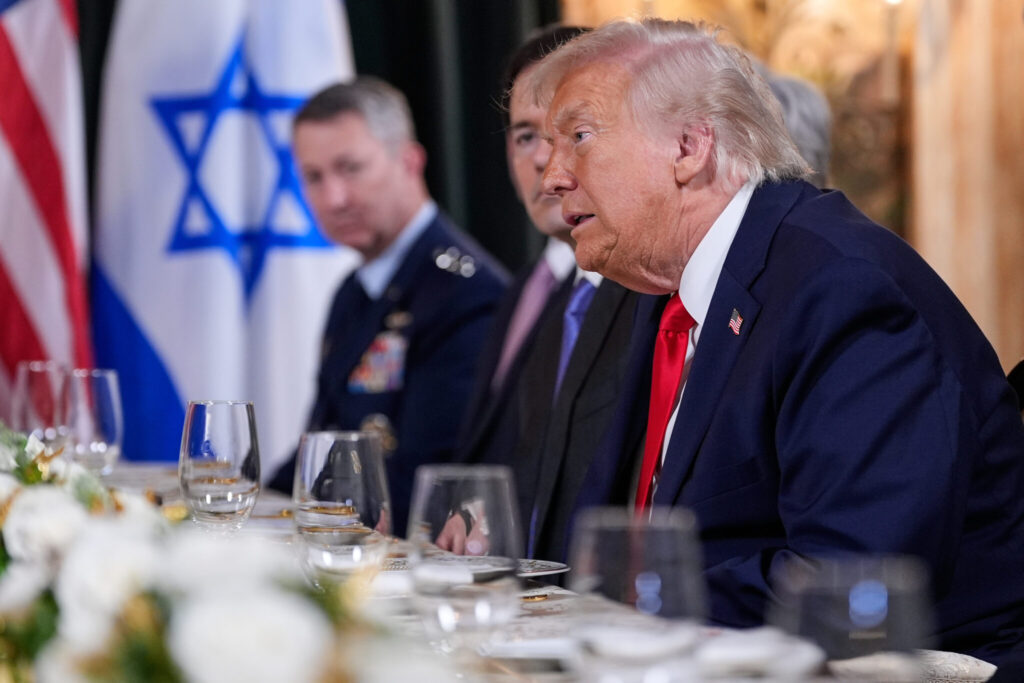
PALM BEACH, Fla. — In a high-stakes diplomatic meeting, U.S. President Donald Trump warned Iran against any attempts to rebuild its nuclear program, stating that renewed efforts by Tehran would provoke even more forceful U.S. military strikes. Appearing alongside Israeli Prime Minister Benjamin Netanyahu at his Mar-a-Lago estate, Trump doubled down on previous claims that American forces had decimated Iran’s nuclear infrastructure earlier in the year.
Trump alleged new intelligence suggesting that Iran may be operating outside previously targeted sites, expressing a readiness to act again if necessary.
“If they are rebuilding, we’ll have to knock them down. We’ll knock the hell out of them,” Trump told the media.
Netanyahu’s presence underscored shared Israeli concerns that Iran could be stockpiling long-range missiles capable of striking Israeli territory.
This tough rhetoric came amid Trump’s ongoing efforts to push forward a complex U.S.-brokered ceasefire between Israel and Hamas in Gaza. While the first phase of the ceasefire agreement is largely intact, progress has slowed, threatening to derail the more complicated second phase. That next step involves forming an international body to oversee the reconstruction of Gaza and governance by a neutral Palestinian committee.
“The goal is to move to the second phase as quickly as possible,” Trump said, before qualifying that progress hinges on the disarmament of Hamas. This requirement continues to be a major sticking point in negotiations.
Despite apparent support from Arab partners and Israel, divisions have emerged between stakeholders over the scope and authority of a proposed International Stabilization Force, intended to provide security and oversee disarmament. A Western diplomat noted a significant gap between U.S.-Israeli expectations for the force and the vision shared by European and regional governments, who worry the force could become an occupying presence.
Adding further complication is Israel’s cautious approach to approving members of the proposed Palestinian technocratic committee that would manage Gaza’s civil affairs. Meanwhile, Israeli strikes in Gaza have continued, raising doubts about the pace and sincerity of efforts to move forward.
Trump’s plan calls for a demilitarized Gaza, governed under international supervision, with gradual steps toward normalized relations between Israel and the Arab world. A future path toward Palestinian statehood is hinted at but remains undefined. Proposals like cash-for-weapons exchanges — previously floated by U.S. envoy Steve Witkoff — are also being discussed as incentives to demilitarize militant factions.
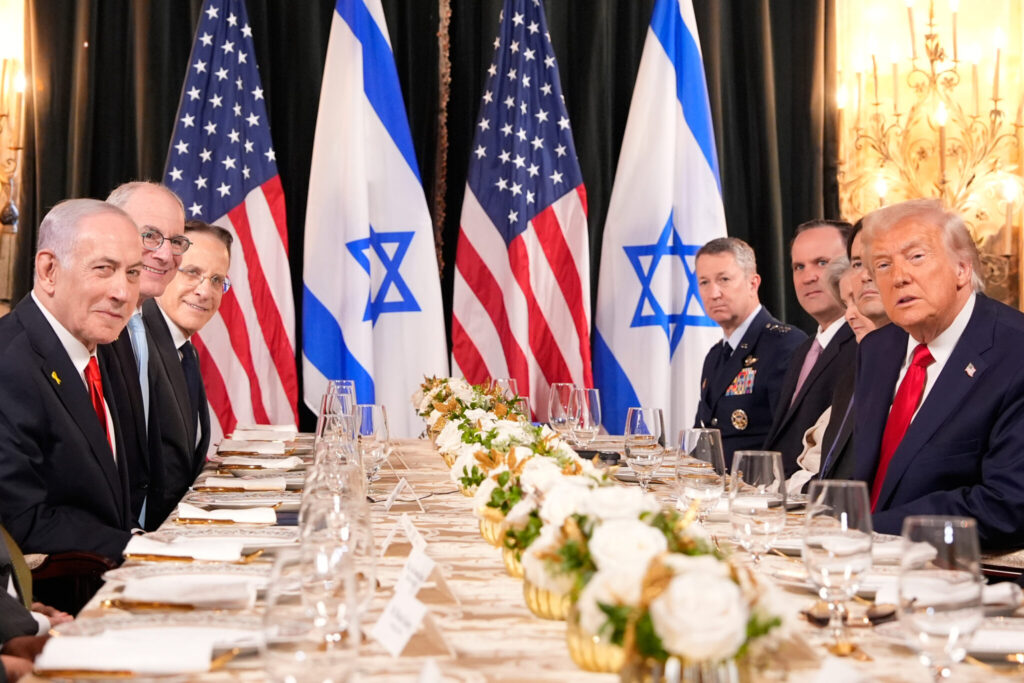
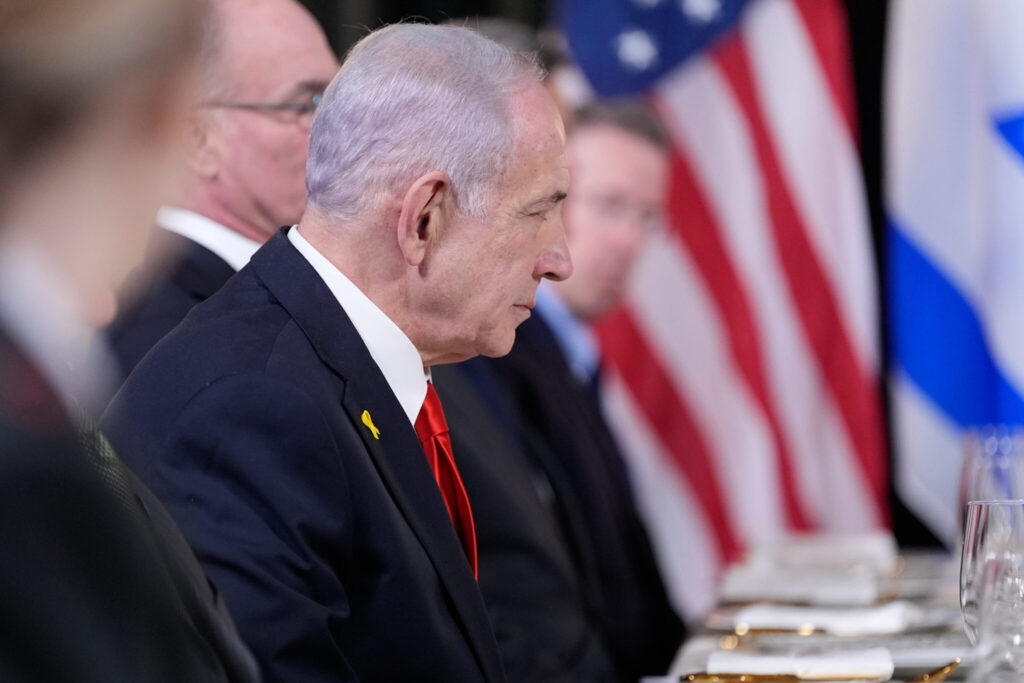
During his visit, Netanyahu met with several senior U.S. officials, including Secretary of State Marco Rubio and Defense Secretary Pete Hegseth. Emotional scenes also played out as the prime minister met with the family of Ran Gvili, a young Israeli police officer whose remains are believed to still be held in Gaza. Trump emphasized the need for closure for grieving families, reinforcing the emotional weight of the situation.
Netanyahu’s trip also included a symbolic gesture from his government — awarding Trump the Israel Prize, typically reserved for Israeli nationals. The decision breaks long-held tradition but was described by Netanyahu as an acknowledgment of Trump’s unconventional, yet impactful, diplomatic efforts.
“He’s broken many conventions,” Netanyahu said. “So we decided to break a convention too.”
Trump used the opportunity to again advocate for Netanyahu’s legal troubles to be resolved with a pardon. Netanyahu remains on trial for charges including fraud and bribery, stemming from alleged corrupt dealings with wealthy allies. Trump, who has previously written to Israeli President Isaac Herzog to request clemency, said he was told that a pardon “is on its way.”
Herzog’s office clarified that no final decision has been made and that any action would follow established legal procedures.
The meeting between Trump and Netanyahu reflects not only their close political alliance but also the continued geopolitical tension in the region. While the Gaza ceasefire represents progress, the path forward remains fraught with complex diplomatic, legal, and military challenges. Iran’s potential nuclear resurgence, Hamas’ resistance to disarmament, and Israel’s internal political battles all threaten the fragile balance Trump’s plan seeks to maintain.
As the year closes, the U.S. and Israel appear aligned on core goals but remain at odds with many international partners. Whether a unified peace initiative can emerge from these differences remains to be seen.