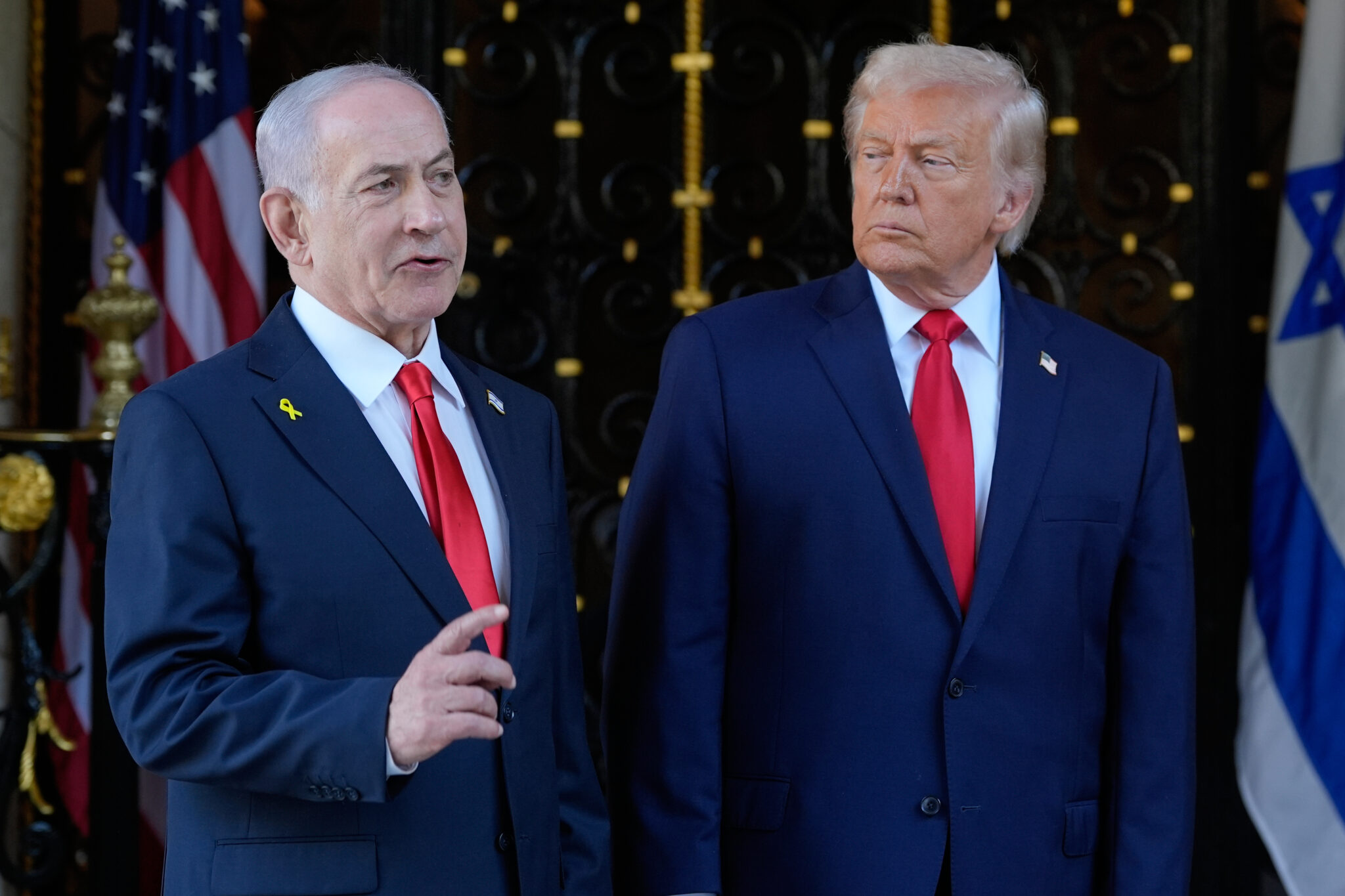
Israel to Ban Major Humanitarian Groups from Gaza in 2026/ Newslooks/ WASHINGTON/ J. Mansour/ Morning Edition/ Israel will revoke permits for over two dozen international humanitarian organizations in Gaza starting January 1, 2026, citing new vetting regulations. Groups like Doctors Without Borders and the Norwegian Refugee Council are among those impacted. Critics say Israel’s actions endanger aid workers and violate humanitarian neutrality.

Israel Gaza NGO Ban Quick Looks
- Over two dozen NGOs to lose Gaza access in 2026
- New Israeli regulations demand full staff, funding transparency
- Doctors Without Borders, NRC, CARE, Oxfam among affected groups
- Israel claims some staff have militant ties, NGOs deny
- Humanitarian leaders call vetting rules vague and dangerous
- Aid group licenses revoked, offices to close by March
- Israel insists bans won’t disrupt majority of Gaza aid
- UNRWA previously banned, U.S. suspended funding in 2024
Deep Look
Israel to Suspend Dozens of Humanitarian NGOs from Gaza in 2026 Over New Vetting Rules
JERUSALEM — December 30, 2025 — Israel announced Tuesday it will revoke permits for more than 25 international humanitarian organizations operating in the Gaza Strip, effective January 1, 2026, citing noncompliance with new operational transparency requirements. The decision affects major global aid providers including Doctors Without Borders, the Norwegian Refugee Council, CARE International, and others critical to health, food, and social services in Gaza.
The Ministry of Diaspora Affairs, which issued the suspension notices, said the targeted NGOs failed to meet new standards requiring full disclosure of staffing, funding sources, and operational structures — particularly concerning Palestinian employees working in Gaza. The government claims some aid group staff were allegedly linked to Hamas and other militant groups, a charge the organizations reject.
Doctors Without Borders, NRC Among Groups Blocked
Doctors Without Borders (MSF), a key medical aid provider in Gaza, is among the organizations whose licenses were not renewed. Israeli officials said MSF failed to disclose the roles of certain personnel, though no evidence has been publicly presented. MSF has previously denied knowingly employing anyone involved in militant activity.
The Norwegian Refugee Council (NRC), another organization named, responded sharply. “This comes from a legal and safety perspective,” said NRC’s communications adviser Shaina Low, who cited the death of hundreds of aid workers in Gaza during the ongoing conflict. She stressed that NGOs declined to submit staff lists due to serious concerns for employee safety and privacy, particularly under European data protection laws.
Aid Access and Ceasefire Compliance Disputed
Israel insists the new rules are necessary to prevent aid abuse by Hamas, which it says has historically used humanitarian cover for smuggling and military operations. The Israeli defense agency COGAT stated that affected NGOs contribute less than 1% of total aid into Gaza and that services will continue through the 20+ organizations that remain licensed.
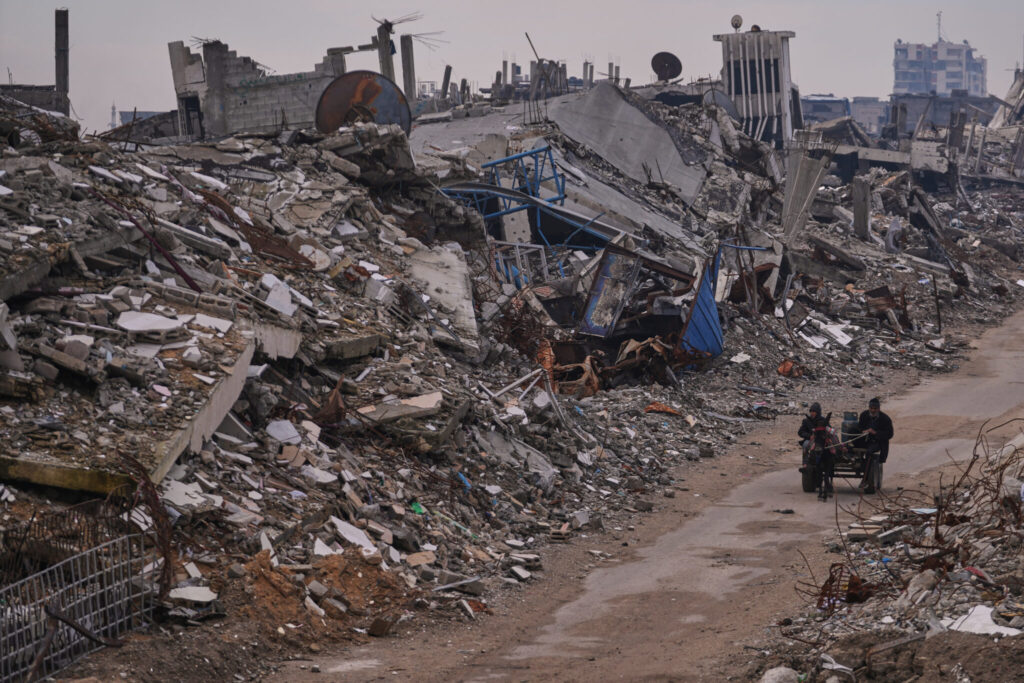
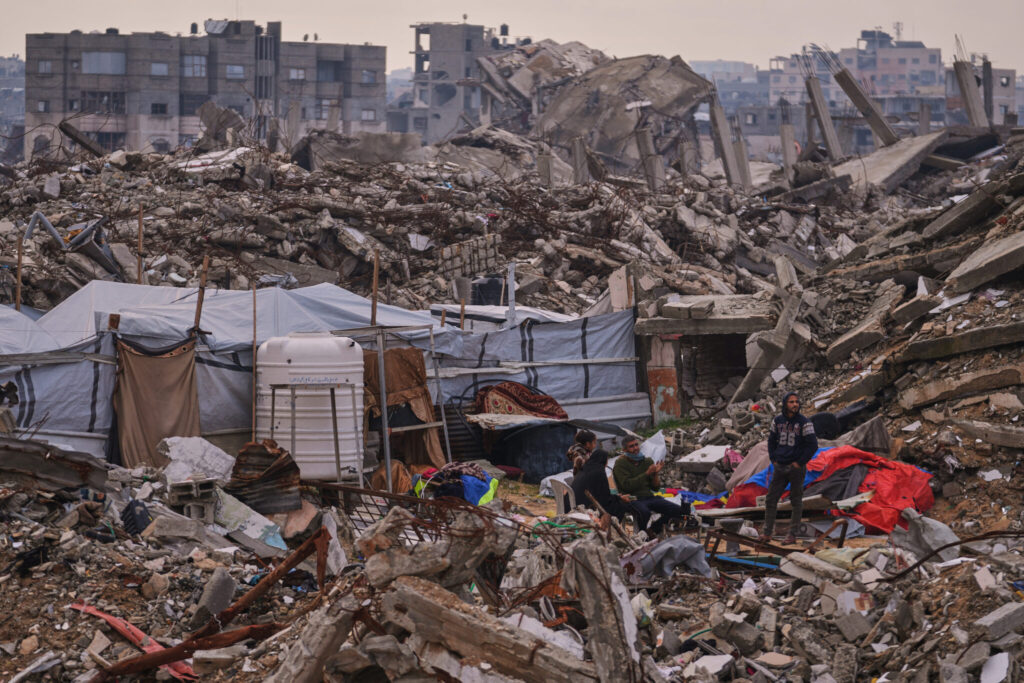
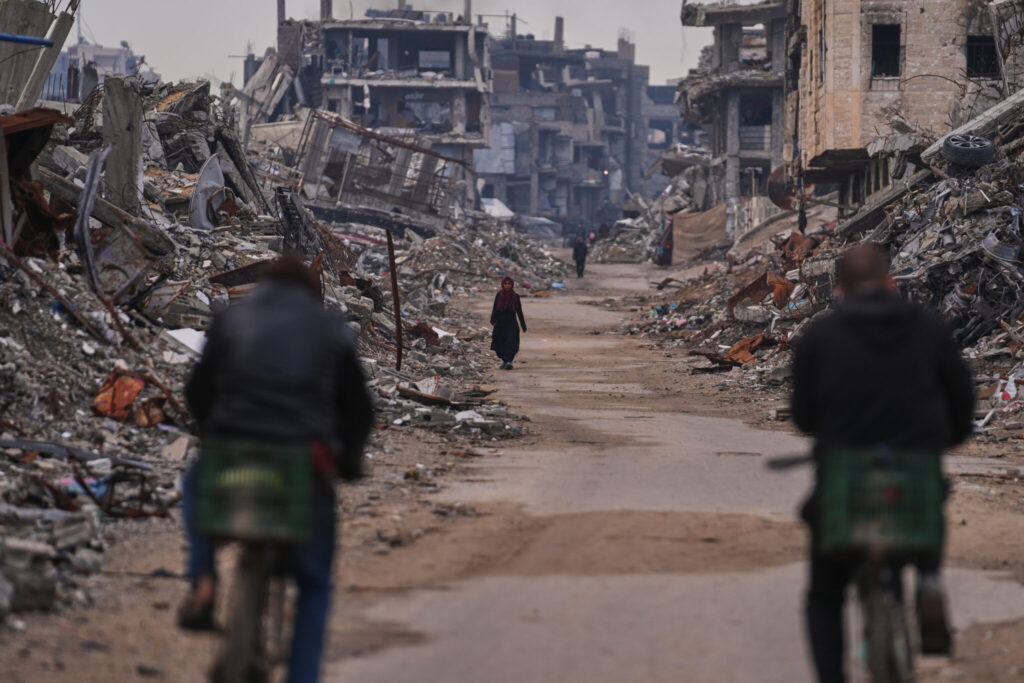
However, aid groups argue the move will severely hinder relief work in a territory already devastated by months of warfare and a fragile ceasefire, in place since October 10. “Despite the ceasefire, the needs in Gaza are enormous,” said NRC’s Low. “Blocking international staff from entering only burdens already overwhelmed local teams.”
March Deadline to Vacate Offices in Israel
Under the new directive, NGOs whose licenses are revoked must halt operations in Gaza by January 1 and vacate offices in Israel and East Jerusalem by March 1. This includes the closure of local logistics and coordination hubs critical for moving aid into the enclave.
Diaspora Affairs Minister Amichai Chikli defended the decision, stating: “Humanitarian aid is welcome — exploitation of humanitarian frameworks for terror is not.”
UN Agencies Also Under Pressure
This move continues Israel’s broader scrutiny of international humanitarian efforts. In early 2025, Israel banned the U.N. Relief and Works Agency (UNRWA) from operating on its territory, accusing it of harboring militants and facilitating unauthorized aid transfers. The United Nations denied those allegations.
The U.S., formerly UNRWA’s largest donor, cut funding in 2024 amid similar Israeli pressure. Israel claims militants have infiltrated various aid groups under the guise of humanitarian work.
NGOs Question Israel’s Intent and Data Use
AIDA, a coalition of more than 100 NGOs working in the Palestinian territories, has sharply criticized the new vetting process. Executive Director Athena Rayburn said Israel failed to clarify how collected staff data would be used and refused offers for third-party vetting as an alternative.
“Agreeing for a party to the conflict to vet our staff — especially under occupation — violates humanitarian principles like neutrality and independence,” Rayburn said. She added that Israeli authorities declined dialogue and implemented the policy unilaterally.
Wider Implications for Regional Aid and Diplomacy
The clampdown could have ripple effects beyond humanitarian corridors. Major Gulf stock indexes dipped Tuesday amid rising geopolitical tensions and the humanitarian aid dispute.
Both Israel and its regional allies have seen their relations with NGOs and international bodies sour throughout the war. As humanitarian needs in Gaza remain acute, further friction with aid organizations could hamper long-term recovery efforts and fuel broader criticism of Israel’s conduct in the conflict.