Trump Narrows Fed Chair Picks, January Decision Looms/ Newslooks/ WASHINGTON/ J. Mansour/ Morning Edition/ President Donald Trump says he will decide by January who he wants to lead the Federal Reserve when Jerome Powell’s term expires in 2026. Trump has intensified criticism of Powell over interest rates and costly renovations at the Fed’s headquarters. A shortlist of four contenders is now under consideration, according to Treasury officials.
Trump Fed Chair Decision Quick Looks
- Trump says a decision on the next Fed chair will come by January.
- Jerome Powell’s term as chair ends in May 2026.
- Trump has sharply criticized Powell over rate policy and Fed renovations.
- Treasury Secretary Scott Bessent helped vet a shortlist of candidates.
- Four names are under serious consideration.
- Leading contenders include Kevin Hassett and Kevin Warsh.
- One candidate comes from the private sector at BlackRock.
- Another is a current Federal Reserve governor.
- Trump has threatened legal action over Fed renovation overruns.
- The choice could reshape U.S. monetary policy heading into 2026.
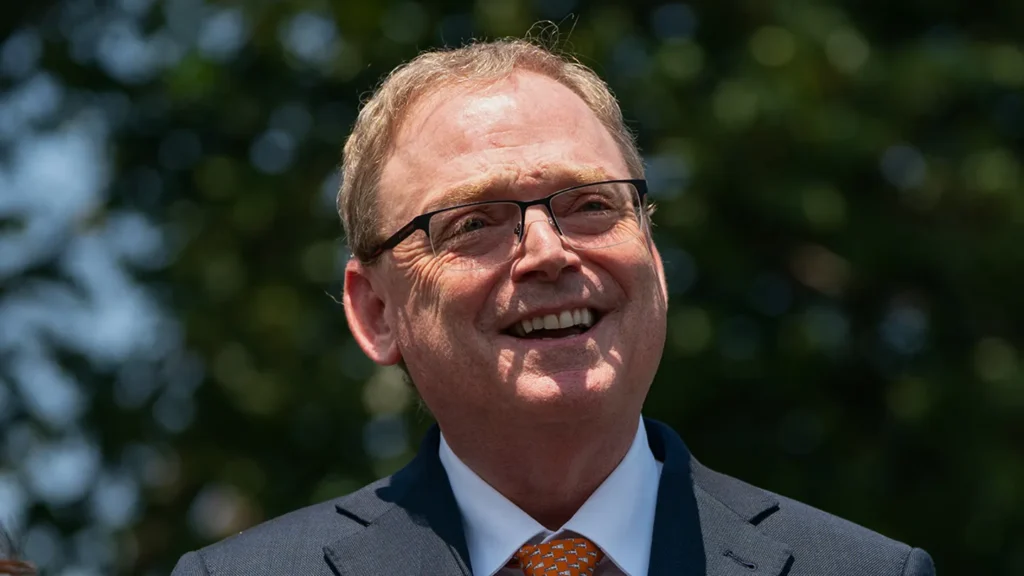
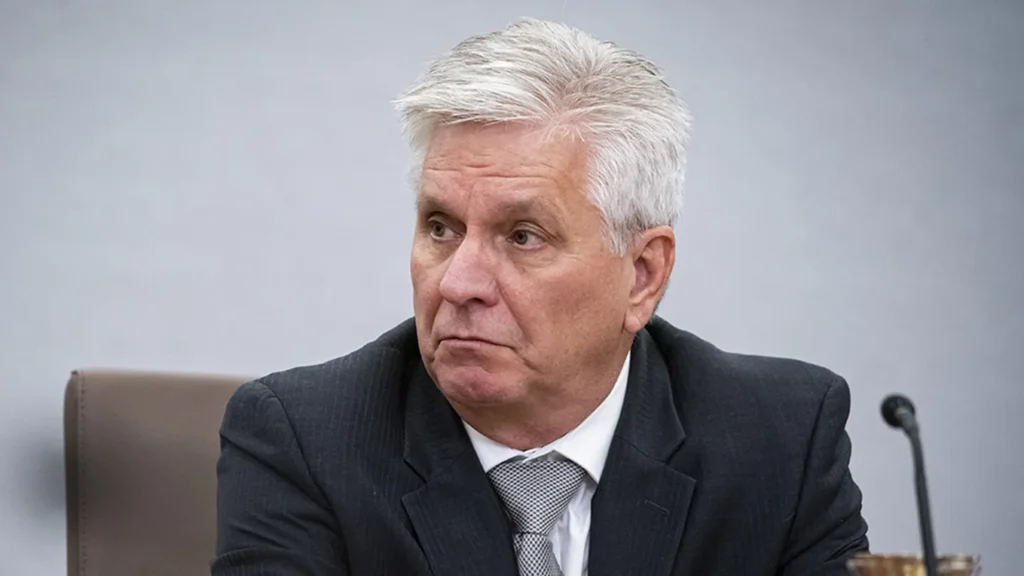
Trump Narrows Fed Chair Picks, January Decision Looms
Deep Look
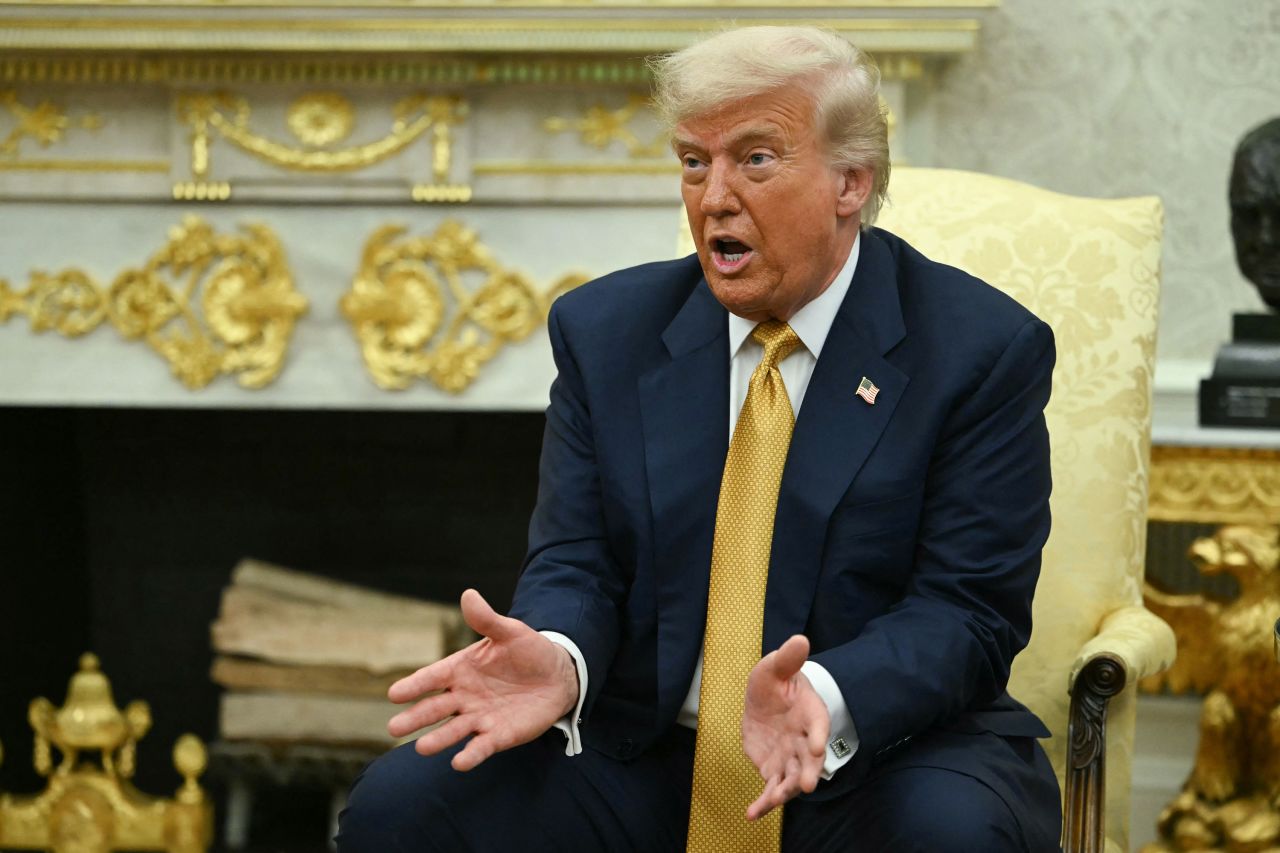
President Donald Trump said he plans to make a decision by January on who he wants to lead the Federal Reserve, signaling a pivotal moment for U.S. monetary policy as the term of current chair Jerome Powell approaches its end in May 2026.
The announcement comes as Trump escalates his criticism of Powell, whom he has repeatedly accused of being slow to cut interest rates. In recent remarks, Trump referred to Powell as “too late” and “a fool,” while also threatening to sue the Federal Reserve chair over the rising costs of renovations to the Fed’s Washington, D.C., headquarters.
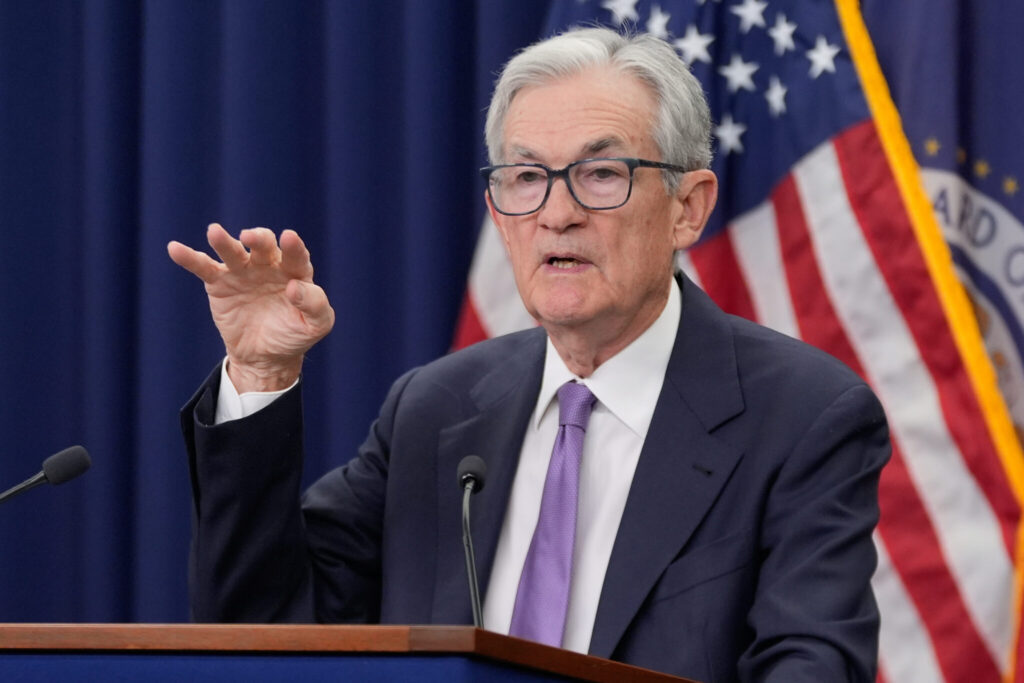
Powell has made clear that he intends to serve out his full term, despite the mounting pressure. The renovation project at the Fed has become a focal point of Trump’s criticism, with the president arguing that cost overruns reflect broader mismanagement at the central bank.
According to Treasury Secretary Scott Bessent, who helped vet potential replacements, Trump’s shortlist has narrowed to four candidates. The group includes individuals with deep experience in government, monetary policy, and global finance.
One of the leading contenders is Kevin Hassett, currently the director of the National Economic Council. Hassett is well known within Trump’s inner circle, having served as chairman of the Council of Economic Advisers during Trump’s first term. In his current role, Hassett works closely with the White House on economic strategy and policy coordination.
Following strong third-quarter economic growth of 4.3%, Hassett publicly praised the administration’s policies, saying the data showed that Trump’s approach to the economy was working. His close alignment with the president’s economic philosophy has reportedly made him one of the top two candidates for the role.
Another leading contender is Kevin Warsh, a former Federal Reserve Board governor who has long been critical of the central bank’s forecasting and inflation management. Warsh has argued that the Fed underestimated inflation risks and reacted too slowly, contributing to higher prices that disproportionately affected working Americans.
Warsh has been vocal in media appearances, criticizing what he sees as flawed economic modeling and policy missteps. His skepticism toward the Fed’s recent record aligns closely with Trump’s own grievances and has elevated his standing as a potential replacement.
The shortlist also includes Rick Rieder, BlackRock’s chief investment officer for global fixed income. Rieder oversees approximately $3.2 trillion in assets and holds a senior leadership position at the world’s largest asset manager, which manages more than $10 trillion overall.
Rieder has not publicly campaigned for the role, but he has acknowledged that being considered would be a tremendous honor. In previous remarks, he emphasized the importance of public service and the power of monetary policy to influence economic outcomes. His potential nomination would mark a significant shift toward private-sector leadership at the Fed.
The fourth contender is Christopher Waller, a current Federal Reserve governor who has positioned himself as a reform-minded insider. Waller was among the early dissenters at the Fed in July, voting in favor of cutting interest rates as inflation eased and labor market growth slowed.
Waller later supported a quarter-point rate cut in December, the third reduction of the year. Meeting minutes released late in December showed uncertainty among policymakers about how many additional rate cuts may be appropriate in 2026, underscoring internal divisions at the central bank.
Trump’s public attacks on Powell have intensified as debates over inflation, interest rates, and economic growth continue to dominate the political landscape. While the Fed has begun easing rates, Trump has argued that cuts should have come sooner and more aggressively.
The president has also tied his criticism of Powell to broader concerns about accountability, particularly regarding the renovation of the Fed’s headquarters. Trump has suggested that the project’s ballooning costs warrant legal scrutiny, raising questions about whether his rhetoric could translate into formal action.
The decision over who will lead the Federal Reserve carries significant implications for financial markets, inflation control, and economic growth. A chair aligned more closely with Trump’s views could push for looser monetary policy, while critics warn that political pressure on the Fed risks undermining its independence.
As Trump prepares to announce his choice, investors, economists, and lawmakers are watching closely. The next Fed chair will inherit a complex economic landscape shaped by inflation concerns, shifting labor markets, and global uncertainty.
With Powell’s term set to expire in just over a year, Trump’s January decision will signal not only a personnel change but also the future direction of U.S. monetary policy heading into the latter half of the decade.