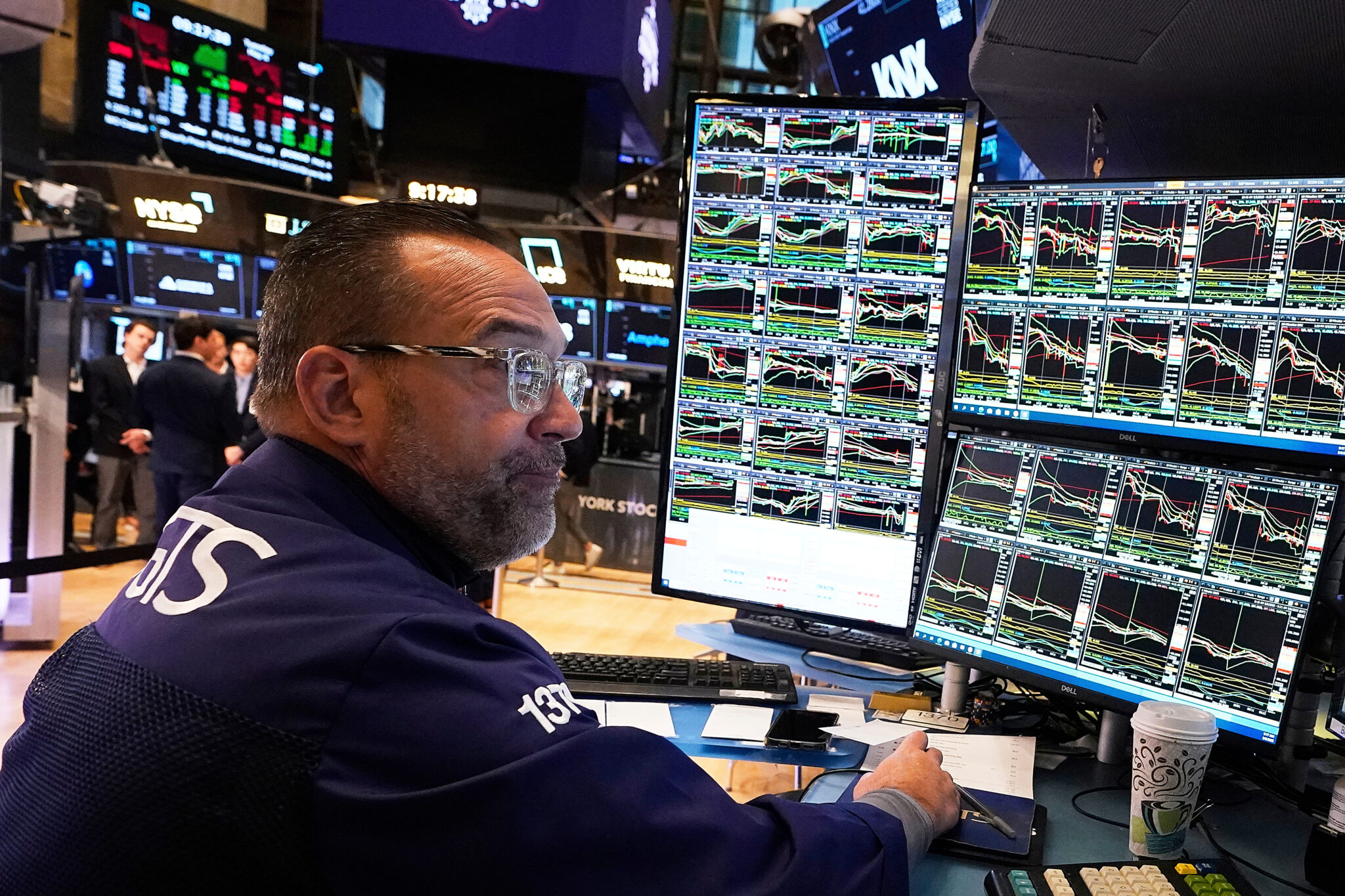
U.S. Stocks Rebound in 2025 After Market Turmoil/ Newslooks/ WASHINGTON/ J. Mansour/ Morning Edition/ U.S. stocks surged in 2025, with the S&P 500 returning nearly 18% despite volatility driven by tariffs and political pressure on the Federal Reserve. Artificial intelligence momentum and falling interest rates fueled gains, while global markets also outpaced U.S. returns. Crypto prices spiked then fell, and caution looms heading into 2026.
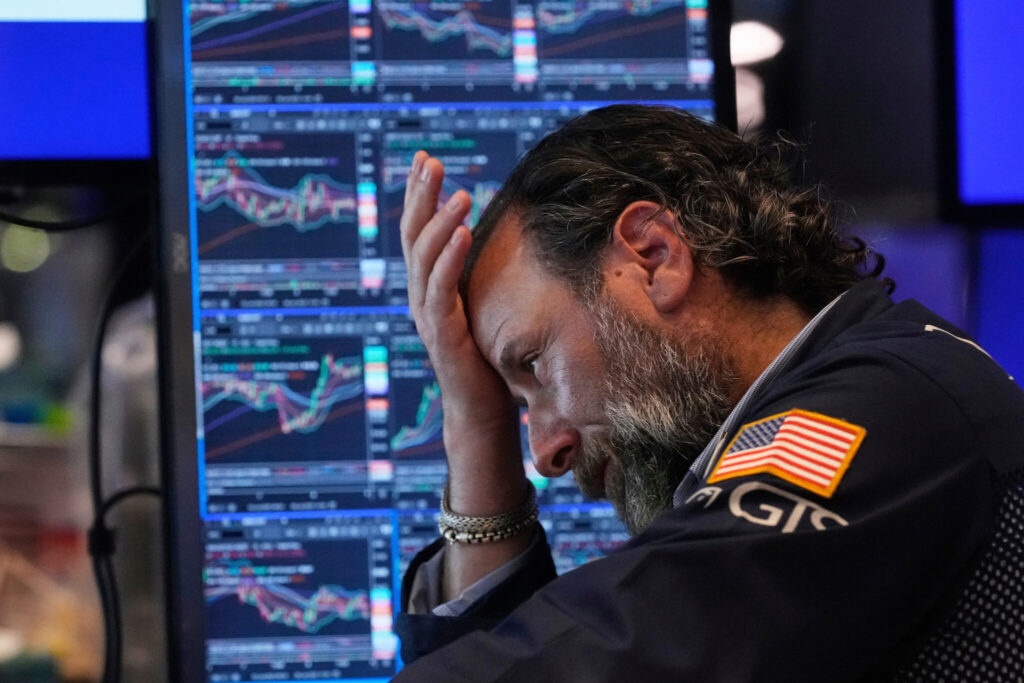

2025 Stock Market Recap Quick Looks
- S&P 500 gained nearly 18%, ending 2025 at record highs
- Volatility triggered by Trump’s aggressive tariff announcements
- AI boom and strong earnings helped markets rebound
- Fed cut interest rates three times during the year
- Trump clashed publicly with Fed Chair Jerome Powell
- Global markets, including Korea and Japan, outperformed U.S. indices
- Bitcoin peaked near $125,000 before falling 30%
- Analysts expect continued profit growth in 2026
- Concerns persist over AI stock valuations and market pricing
- Long-term returns may be lower, warn financial strategists

Deep Look: U.S. Stocks Rebound in 2025 After Market Turmoil
NEW YORK — The year 2025 brought plenty of turbulence to Wall Street, but investors who held their ground were rewarded with impressive gains. The S&P 500 rose nearly 18% over the course of the year, setting a record high on December 24 and extending its streak of strong annual returns to three straight years.
While the final numbers looked strong, the road to those gains was anything but smooth.
Markets were rocked early in the year by geopolitical tensions, aggressive new trade policies, and political clashes between President Donald Trump and the Federal Reserve. Still, optimism around artificial intelligence, falling interest rates, and resilient corporate earnings fueled a broad rally across equities.
Tariffs Trigger Market Tremors
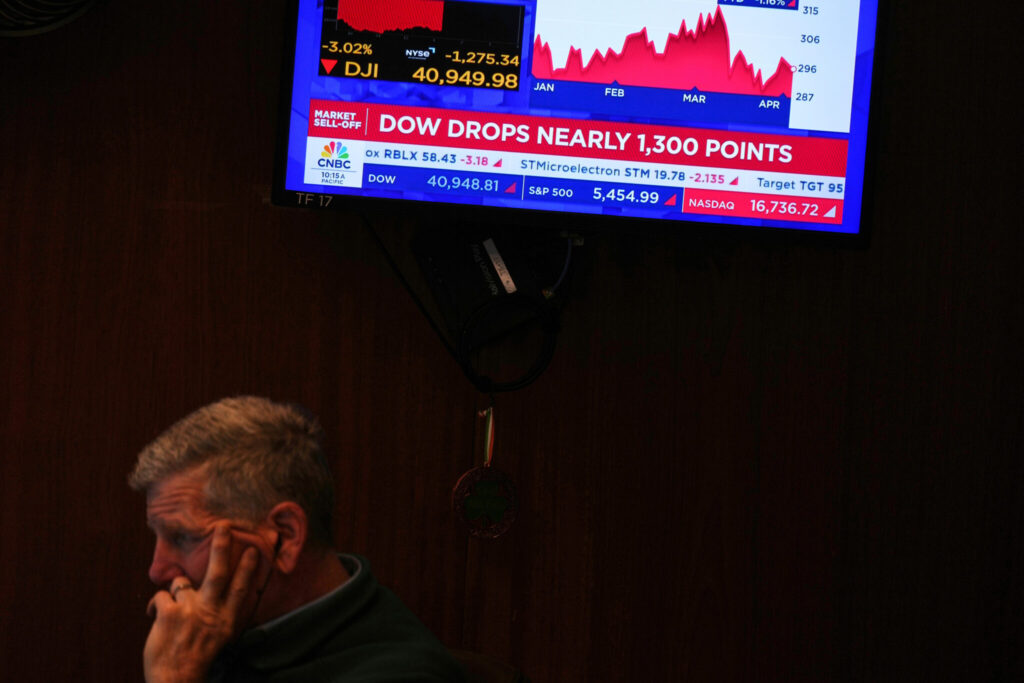
The biggest shock to financial markets came in April, when President Trump declared sweeping tariffs on foreign imports during what he called “Liberation Day.” The announcement exceeded investor expectations and ignited fears of rising inflation, slowing economic growth, and a renewed trade war.
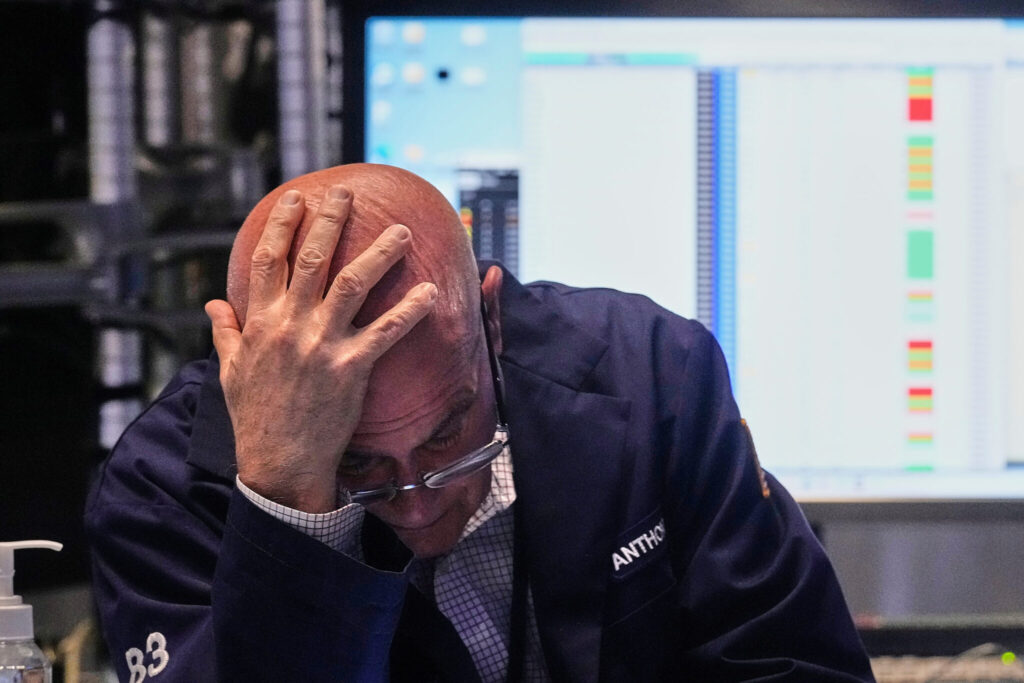
Markets reacted immediately. On April 3, the S&P 500 dropped nearly 5% — its worst single-day performance since the COVID-19 crash in 2020. The next day, a retaliatory move from China sent stocks down another 6%, deepening investor anxiety.
Beyond stocks, the tariff threats rattled the bond and currency markets. Treasury yields spiked as bondholders fled, and the U.S. dollar fell sharply. Even the typically stable Treasury market showed signs of stress.
Facing mounting pressure, Trump paused the tariff plan on April 9 after what he called “queasiness” in the bond market. Subsequent negotiations with trade partners helped ease tensions and reduce the severity of the proposed measures, restoring some investor confidence.
The rest of the spring and summer brought relative calm, thanks to surging investor interest in artificial intelligence and strong earnings from leading tech firms. Wall Street was further buoyed by three interest rate cuts by the Federal Reserve.
Still, trade remained a lingering threat. In October, renewed rhetoric from Trump about raising tariffs on Chinese goods caused another brief market pullback.
Trump vs. The Fed: A Clash of Power
A central storyline of 2025’s economic environment was President Trump’s very public and personal pressure campaign on the Federal Reserve to slash interest rates more aggressively.
Historically, the Fed operates independently from political influence — a structure designed to allow it to make difficult economic decisions without pressure from elected leaders. But that independence was challenged as Trump repeatedly criticized the central bank and its chairman, Jerome Powell.
Throughout the first eight months of 2025, the Fed held rates steady, citing inflation levels that remained above its 2% target. Trump blamed Powell directly for not acting faster and mockingly dubbed him “Too Late.” The tension peaked in July, when Trump, during a televised appearance, accused Powell of mishandling the cost of a Fed headquarters renovation.
Despite the drama, the Fed ultimately cut rates three times later in the year, helping lift markets and lower borrowing costs. Still, analysts worry the political interference could signal a less independent central bank in the future. Powell’s term as Fed Chair ends in May 2026, and many expect Trump to appoint a more dovish successor.
U.S. Leads, But Global Markets Surge Ahead
Though U.S. stocks posted strong returns, several international markets performed even better in 2025, buoyed by the global tech rally and region-specific policy moves.
South Korea’s KOSPI index had its strongest year in more than two decades. As a global tech manufacturing hub, Korean giants like Samsung and SK Hynix saw major gains amid global demand for AI infrastructure and chips.
Japan’s Nikkei 225 posted double-digit gains for a third consecutive year, with momentum fueled by post-election stimulus measures totaling $135 billion. The combination of AI optimism and robust government spending sparked strong investor demand.
Europe also rebounded, particularly in Germany, where a national infrastructure and defense spending initiative lifted the DAX index. The European Central Bank helped markets with early-year rate cuts, while France’s CAC 40 posted solid gains, though lagged behind other regional indices.
Crypto’s Wild Ride
Cryptocurrencies, often known for extreme swings, delivered another year of surprises.
Bitcoin, the most prominent digital asset, started the year under pressure. Risk appetite weakened due to concerns around trade volatility and interest rate uncertainty. But sentiment shifted midyear as both the White House and Congress voiced support for digital assets.
New crypto initiatives from the Trump family and the launch of several bitcoin ETFs attracted waves of retail investors. Companies like Strategy Inc., which pivoted heavily into crypto holdings, saw their stock prices soar.
Bitcoin surged to an all-time high of approximately $125,000 in October, before declining sharply. As investor concerns grew over tech and crypto overvaluation, bitcoin fell back to around $87,700 by year-end — still up on the year, but down nearly 30% from its peak.
2026 Market Outlook: Hope with Caution
Looking ahead, most analysts expect modest gains in 2026, though not without potential setbacks.
The consensus is that the U.S. economy will avoid a recession, allowing corporate profits to continue rising. Analysts surveyed by FactSet project a 14.5% increase in S&P 500 earnings per share in 2026 — an acceleration from the estimated 12.1% growth in 2025.
However, concerns remain. Chief among them is whether the heavy investment in artificial intelligence will deliver meaningful productivity and profit gains. Stocks like Nvidia and Broadcom — major beneficiaries of the AI surge — may face pressure if growth fails to meet expectations.
Beyond AI, market valuations remain elevated. Despite earnings growth, stock prices rose faster in 2025, making equities look pricey by traditional measures. That has firms like Vanguard projecting subdued returns of 3.5% to 5.5% annually over the next decade.
Bank of America’s Savita Subramanian echoed the sentiment, suggesting that stock gains in 2026 could lag behind earnings growth. Factors like reduced stock buybacks and slower rate cuts from global central banks could limit upside.