Trump Declares Victory After Maduro Capture, Faces Uncharted Territory in Venezuela/ Newslooks/ WASHINGTON/ J. Mansour/ Morning Edition/ President Trump hails the U.S. capture of Venezuela’s Nicolás Maduro as a major foreign policy success. But with Maduro gone, Trump enters volatile territory—facing global backlash and an unclear post-coup future. Allies cheer the bold move, while critics warn of legal and geopolitical fallout.
Quick Look
- Trump confirms U.S. forces captured Maduro during a swift strike.
- The White House touts the mission as a foreign policy triumph.
- Legal, diplomatic, and geopolitical implications remain uncertain.
- Allies and adversaries react cautiously to the dramatic escalation.
- Trump vows continued U.S. involvement in shaping Venezuela’s future.
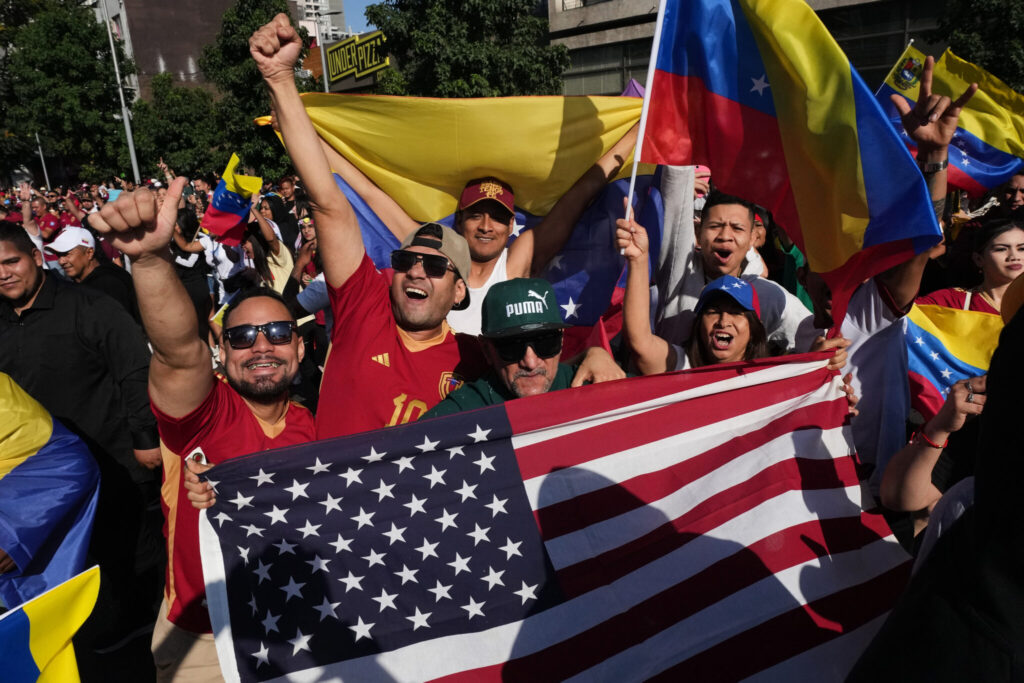
Trump Declares Victory After Maduro Capture, Faces Uncharted Territory in Venezuela
Deep Look
WASHINGTON — With the sudden U.S. capture of Venezuelan President Nicolás Maduro, President Donald Trump is touting the daring military operation as a defining foreign policy achievement. The bold move, carried out overnight and announced early Saturday, removes one of the Western Hemisphere’s most notorious strongmen—long accused by Washington of drug trafficking, corruption, and authoritarianism.
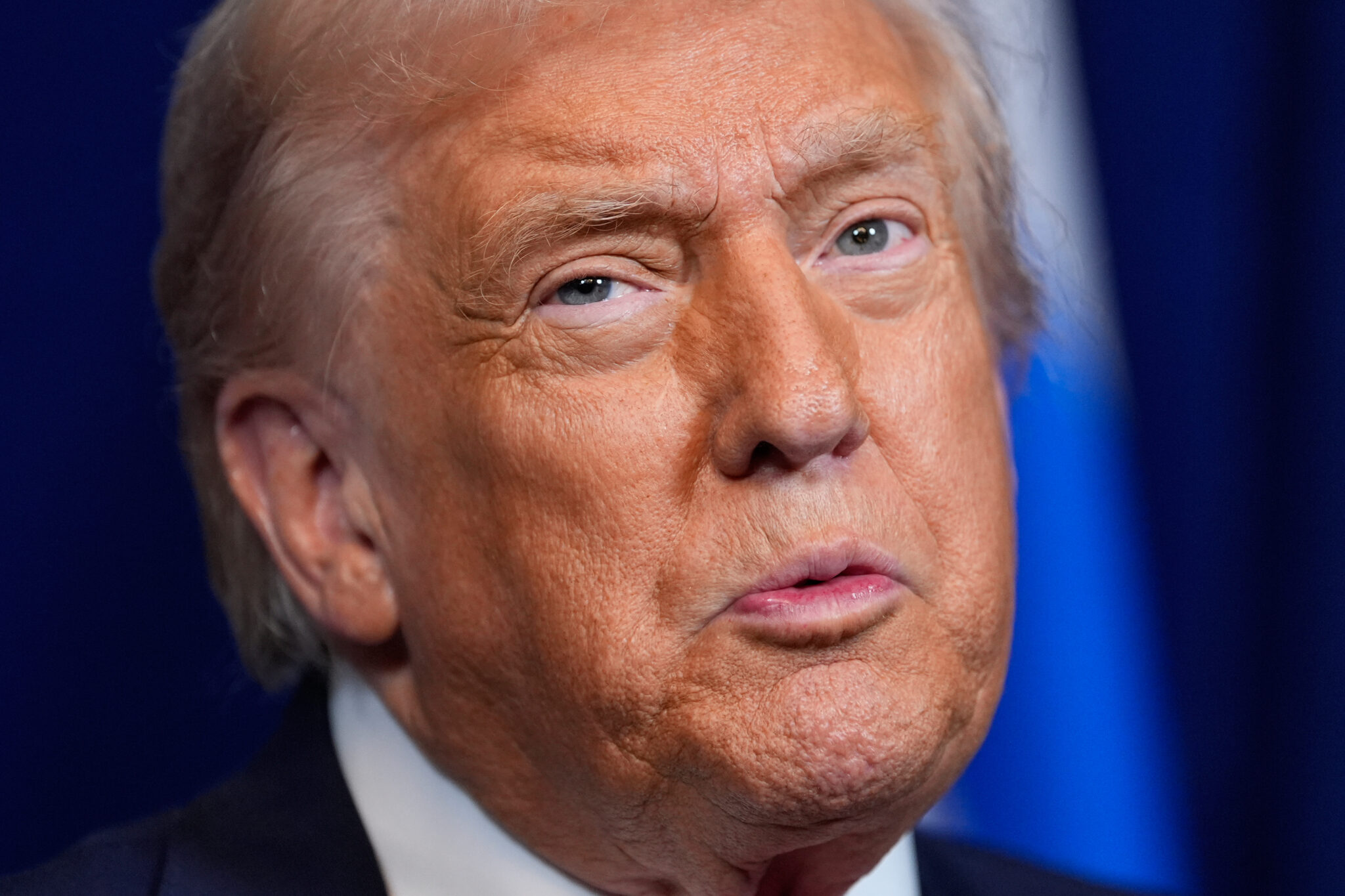
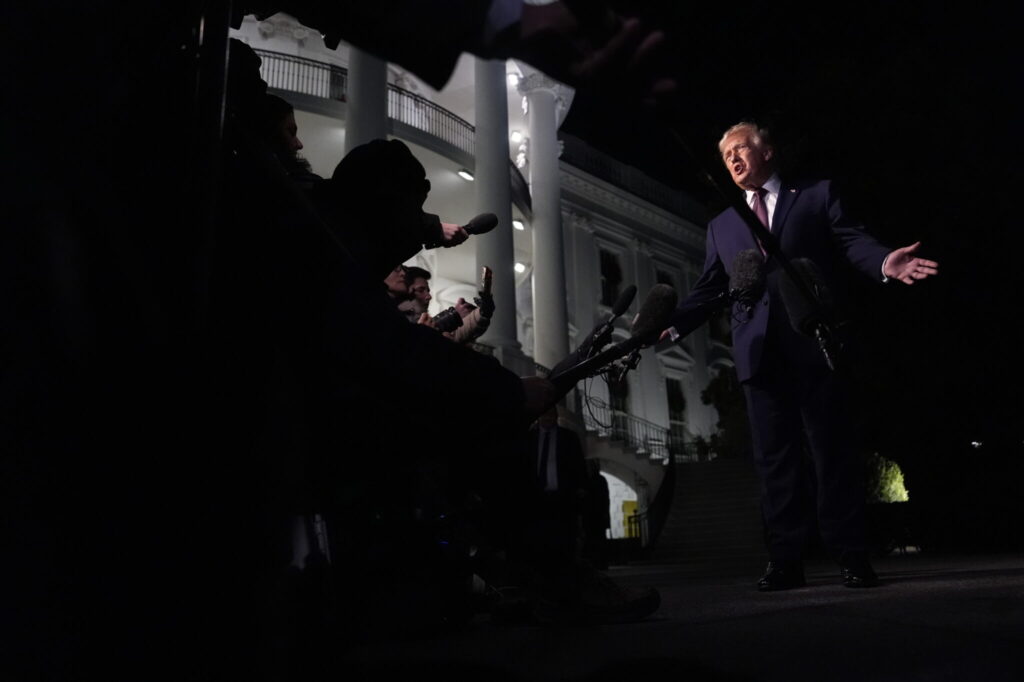
“It was a brilliant operation,” Trump told The New York Times following the strike, which involved U.S. special forces and targeted Maduro at his residence inside the heavily fortified Ft. Tiuna complex in Caracas. The capture was followed by Maduro’s transfer to a U.S. warship en route to New York for criminal prosecution.
Trump’s administration has labeled Maduro a “narco-terrorist” and “illegitimate dictator” responsible for enabling the flow of drugs into the U.S. and for overseeing the collapse of Venezuela’s once-prosperous economy. His removal fulfills a years-long promise by Trump to remove the socialist regime, but it also throws Venezuela into uncharted territory.
Trump’s Gamble: Victory or Volatility?
Trump, in his second term, has increasingly embraced military action as a tool of foreign policy. In June 2025, he ordered strikes on Iranian nuclear sites. The Venezuela operation—more ambitious and politically charged—demonstrates Trump’s intent to assert U.S. dominance in the Western Hemisphere, as spelled out in his latest National Security Strategy.
But analysts caution that this operation creates a high-risk power vacuum.
“Unlike the Iran strikes, where Trump hit and walked away, he won’t have that luxury here,” said retired Navy Rear Adm. Mark Montgomery of the Foundation for Defense of Democracies. “He now owns the next phase in Venezuela.”
“We can’t take a chance of letting somebody else run it,” he said. “Just take over where Maduro left off? That won’t work.”
International Reaction: Applause and Alarm
The international response has been sharply divided.
- European Union leaders expressed “deep concern,” urging respect for international law and restraint.
- Russia’s Foreign Ministry condemned the strike as “armed aggression,” warning it violated Venezuela’s sovereignty.
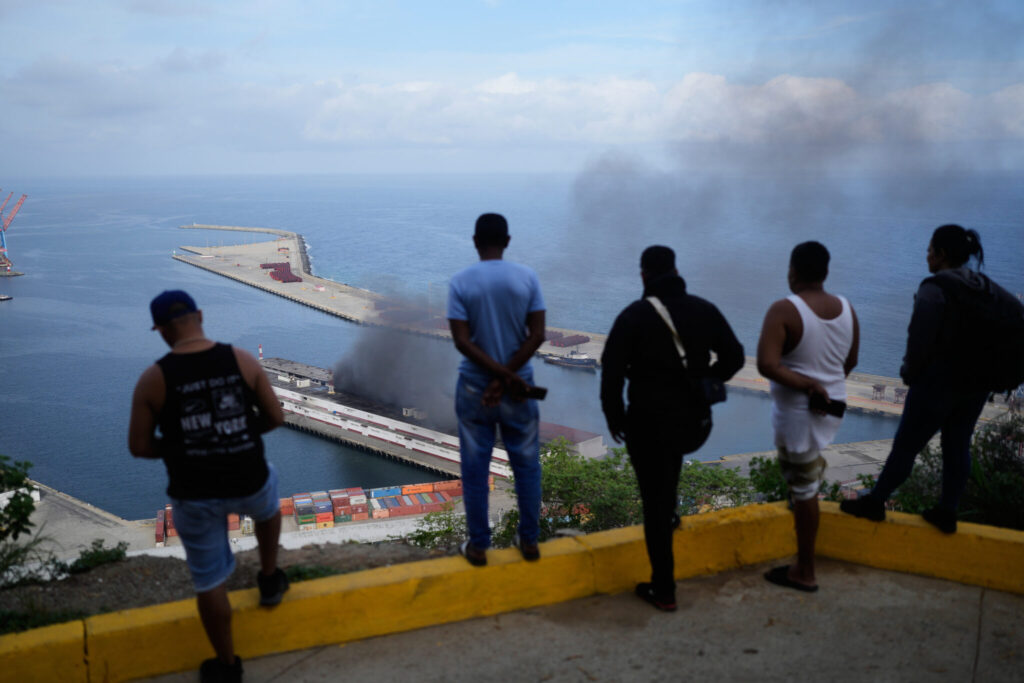
- Colombian President Gustavo Petro—a vocal Trump critic—called for a U.N. Security Council meeting and deployed troops to the Venezuelan border amid fears of a refugee surge.
- Florida lawmakers and Venezuelan exiles in South Florida, however, celebrated. Rep. Carlos Gimenez thanked Trump for changing “the course of history in our hemisphere.”
The operation was orchestrated primarily by Secretary of State Marco Rubio, long a fierce opponent of Maduro. The South Florida-based Venezuelan opposition had been pushing for intervention since Trump’s first term.
Maduro’s Fall: The End of a Long Pursuit
The capture marks the culmination of a years-long pressure campaign that began with economic sanctions, indictments, and diplomatic isolation.
Maduro, who was indicted in 2020 in New York for narcoterrorism and conspiracy to import cocaine into the U.S., was seen by American officials as a central figure in Venezuela’s transformation into a criminal state. His administration was accused of cooperating with Colombian rebel groups and using the drug trade as a weapon against the U.S.
Just days before his capture, Maduro had floated the idea of negotiating with Washington, offering cooperation on drug enforcement and oil investment. However, the White House rejected his proposal, reportedly viewing it as a last-ditch attempt to preserve power.
Maduro had also tried to broker a deal to exit office in 2028, handing power to his vice president Delcy Rodríguez in the meantime. But that plan was also rebuffed by the U.S., which deemed Maduro’s regime illegitimate.
What Happens Next in Venezuela?
Venezuela’s future leadership is now in question. The country’s opposition—led by Nobel Peace Prize winner María Corina Machado and exile politician Edmundo González—has gained global support, but it remains unclear whether they can immediately fill the vacuum.
Elliot Abrams, former special envoy for Venezuela, said Trump faces a choice: push for full democratic transition or negotiate with remnants of the old regime.
“Will he be satisfied with Delcy Rodríguez making vague promises, or will he back González?” Abrams asked.
Trump’s comments suggest the U.S. will not permit a regime loyalist to take power. Yet the situation remains fluid, and observers warn that internal factions could turn violent.
Democrats and Critics Respond
Democratic lawmakers swiftly condemned the operation.
“This war is illegal,” said Sen. Ruben Gallego (D-Ariz.). “We’ve gone from world cop to world bully in less than a year.”
Legal experts question Trump’s authority to conduct the strike without congressional approval. The White House has so far pointed to Trump’s role as commander-in-chief under Article II of the Constitution but has not provided specific legal justification.
Trump, characteristically, shrugged off the criticism: “They should be saying ‘great job.’ Instead, it’s the same old whining.”