Trump: US Will Tap Venezuela’s Vast Oil Reserves, Sell ‘Large Amounts’ to Other Countries/ Newslooks/ WASHINGTON/ J. Mansour/ Morning Edition/ President Donald Trump announced U.S. oil companies will spearhead Venezuela’s petroleum sector recovery. He vowed billions in investments to revitalize the broken infrastructure post-Maduro. Analysts remain skeptical, citing security risks, oversupply, and market volatility.
U.S. Oil Companies to Rebuild Venezuela – Quick Looks
- Trump announced American oil firms will lead Venezuela’s oil recovery.
- Billions in investment promised to restore collapsed infrastructure.
- Analysts warn of risk, unstable conditions, and low oil prices.
- Chevron remains the only U.S. oil player in Venezuela.
- Uncertainty remains on long-term U.S. role and security climate.
- Venezuela holds world’s largest crude reserves, but exports lag.
- U.S. firms burned by past nationalizations remain cautious.
- Possible increased Venezuelan oil output may lower global prices.
Deep Look
Trump Touts U.S. Oil Role in Venezuela Rebuild
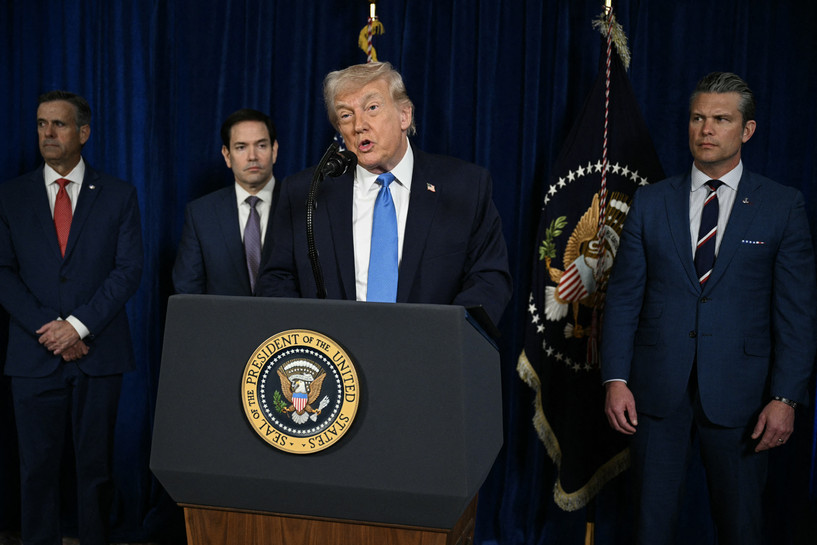
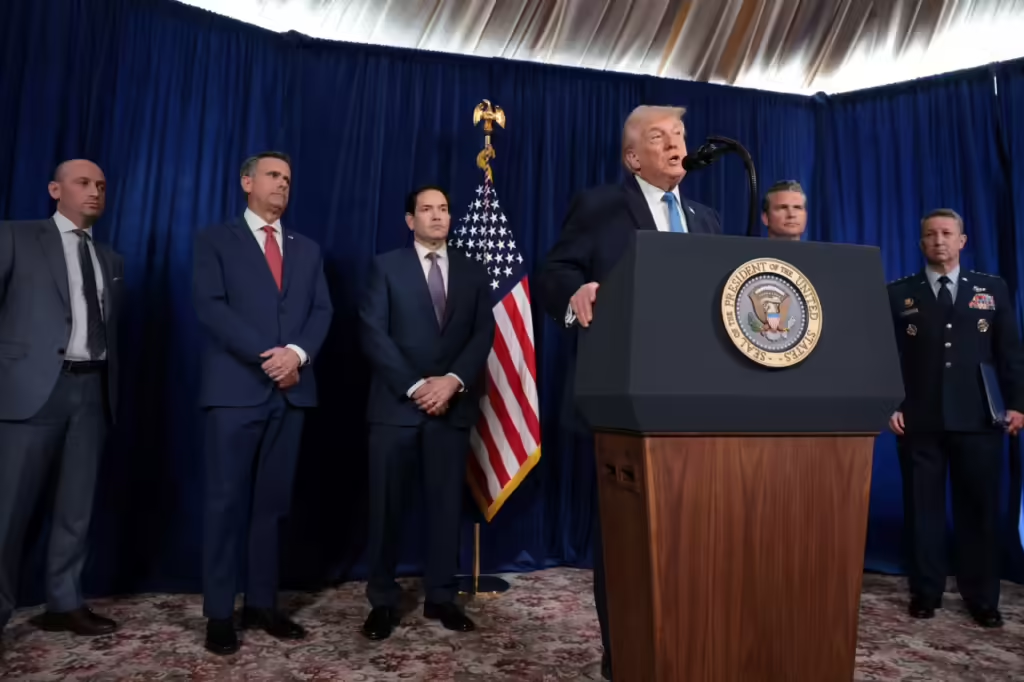
In a bold statement made during a recent press conference, U.S. President Donald Trump declared that major American oil companies would spearhead the restoration of Venezuela’s deteriorating petroleum sector. His remarks followed the reported capture of Venezuelan President Nicolás Maduro and signaled potential geopolitical shifts in South American energy politics.
Trump emphasized the strength of American energy corporations, claiming, “We’re going to have our very large United States oil companies, the biggest anywhere in the world, go in, spend billions of dollars, fix the badly broken infrastructure, and start making money for the country.” He added that the companies would be reimbursed for their work but did not specify the duration or extent of the U.S. involvement.
Trump further argued that Venezuela’s oil legacy has deep American roots. “We built Venezuela’s oil industry with talent, drive and skill,” he said. “The socialist regime stole it from us during those previous administrations.”
Despite Trump’s confident tone, industry analysts remain cautious. Gregory Brew of Eurasia Group noted, “Companies will be wary to enter without a stable security environment, and very favorable terms to reduce the risk. Especially with markets oversupplied and prices low in the near term.”
Venezuela boasts the world’s largest proven crude oil reserves, yet it has become a minor player in global markets due to years of mismanagement, international sanctions, and lack of reinvestment. In recent years, the country has exported between 700,000 and 900,000 barrels per day, primarily to China. For comparison, Saudi Arabia exports over 6 million barrels per day, while U.S. crude exports routinely surpass 4 million barrels daily.
Chevron is currently the only U.S. oil company operating in Venezuela. In a cautious statement, Chevron affirmed its ongoing commitment to employee safety and legal compliance. “We continue to operate in full compliance with all relevant laws and regulations,” the company stated.
Venezuelan oil infrastructure has been crippled by decades of political upheaval. The initial blow came in the 1970s when Venezuela nationalized its oil sector. U.S. companies, which once controlled over 70% of the nation’s production, lost an estimated $5 billion in assets and received only a fraction in compensation. In 2007, Hugo Chávez launched another wave of nationalizations, further damaging U.S. relations. ExxonMobil and ConocoPhillips later sought billions in compensation.
Last month, reports surfaced that the current U.S. administration informally asked major American oil firms whether they’d consider re-entering Venezuela. According to Politico, the companies flatly declined due to ongoing concerns over political instability, unclear legal frameworks, and unprofitable market conditions.
The American Petroleum Institute responded to recent developments with cautious interest, stating it was “closely watching developments involving Venezuela, including the potential implications for global energy markets.” The group emphasized that such geopolitical events underscored the need for strong domestic energy policies.
The fall of Maduro may prompt some easing of U.S. sanctions, potentially allowing more Venezuelan crude back into global circulation. However, market reaction will hinge on how events unfold. Analysts expect an initial spike in oil prices as trading resumes, followed by potential declines if increased Venezuelan output saturates markets.
Gregory Brew echoed this sentiment: “Maduro’s ouster is broadly speaking a bearish signal for prices, as the U.S. may relax its blockade, having achieved the initial goal of getting him out of power.” He added, “There’s an expectation of more Venezuelan crude on the market in the near term.”
The long-term role of U.S. oil companies in Venezuela remains uncertain. While Trump’s declaration signals possible re-engagement, the actual conditions on the ground — ranging from political stability to legal guarantees — will determine whether American firms take the risk.
In the meantime, Venezuela stands at a crossroads, its massive oil reserves offering opportunity but also risk. Whether American companies will once again shape the nation’s oil future remains to be seen.