House Overrides GOP Leaders, Extends Obamacare Health Subsidies/ Newslooks/ WASHINGTON/ J. Mansour/ Morning Edition/ The House passed a bill to extend Affordable Care Act health care subsidies, with 17 Republicans joining Democrats to defy GOP leadership. The measure now heads to the Senate amid ongoing negotiations for a broader compromise. Lawmakers say extensions are needed to keep millions insured, though Senate options remain uncertain.
Health Care Subsidies Extension Quick Looks
- House passes bill 230‑196 to extend expired ACA health care subsidies
- 17 Republicans join all Democrats in defiance of Speaker Mike Johnson
- Bill aims to restore enhanced tax credits from the COVID era
- Congressional Budget Office: extensions could cut uninsured rates by millions
- Senate working on separate, bipartisan alternative plan
- GOP Senate leaders want income limits and cost‑sharing reforms
- President Trump urges focus on health savings accounts instead
- Democrats emphasize affordability and coverage losses without extension
House Overrides GOP Leaders, Extends Obamacare Health Subsidies
Deep Look
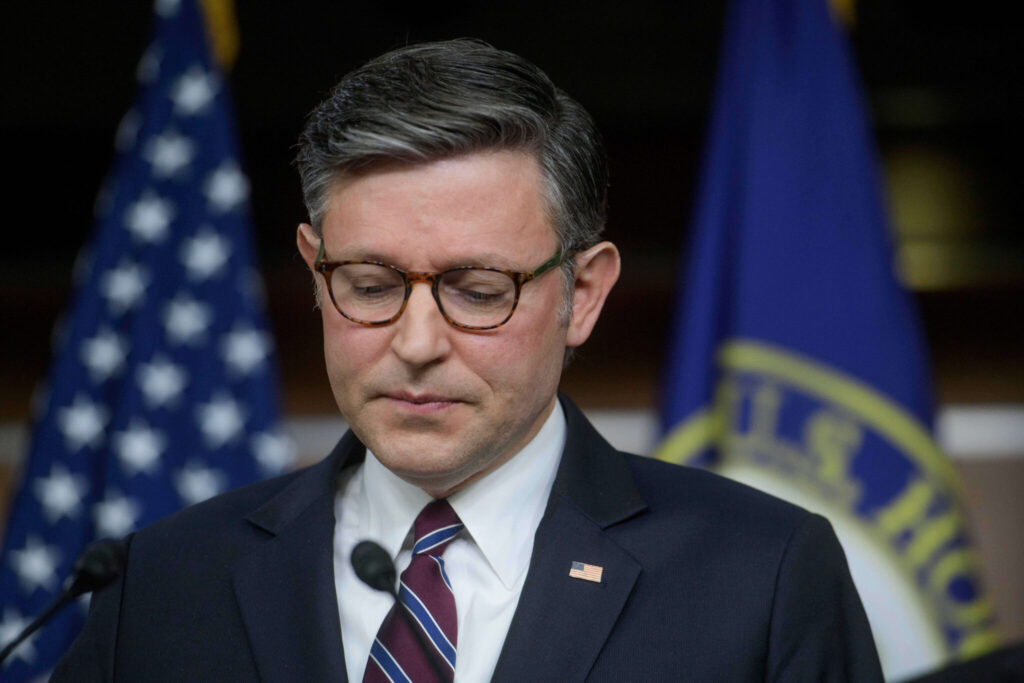
WASHINGTON — In a rare and significant breach of party leadership, the U.S. House of Representatives approved legislation Thursday to extend expired health care subsidies for Americans enrolled through the Affordable Care Act (ACA). The bill passed 230‑196, as 17 Republican lawmakers joined every Democrat in overriding objections from House Speaker Mike Johnson (R‑La.).
The move came after rank‑and‑file Republicans joined Democrats on a discharge petition, forcing the measure to a floor vote despite leadership resistance. The bill now advances to the Senate, where lawmakers are under pressure to craft a bipartisan compromise to maintain financial support for health coverage.
The enhanced subsidies were initially put in place during the COVID‑19 pandemic to reduce premiums, but expired late last year amid a stalemate during the government shutdown.
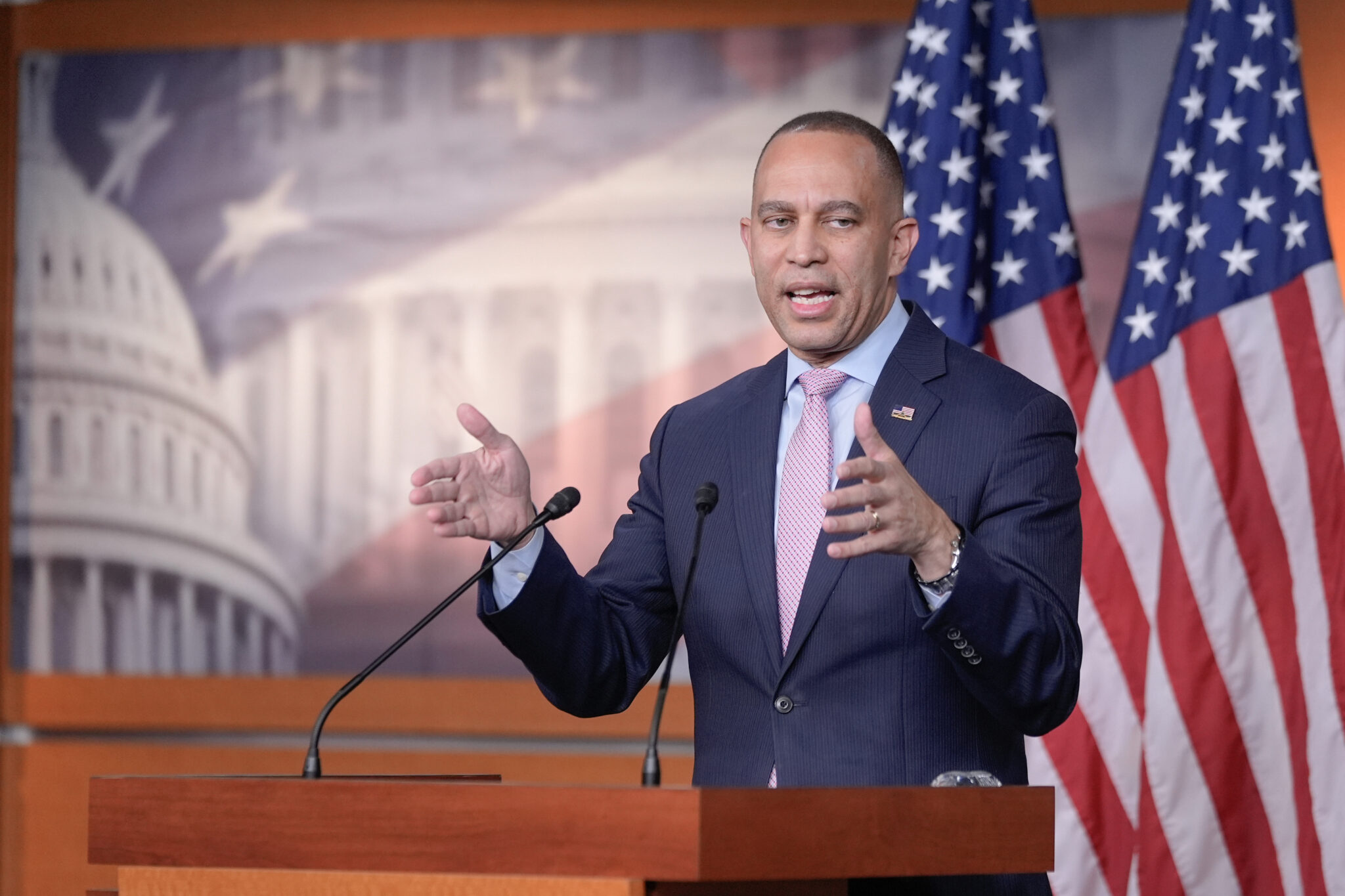
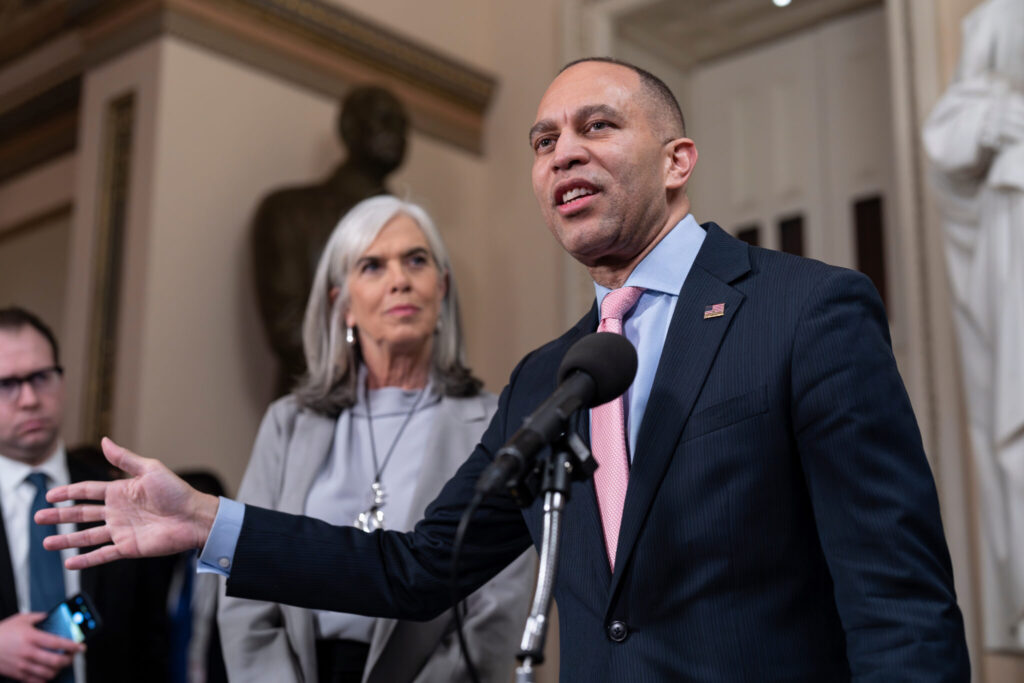
House Democratic Leader Hakeem Jeffries emphasized the urgency, criticizing the idea that health care affordability was exaggerated.
“The affordability crisis is not a ‘hoax,’ it is very real,” Jeffries said, referencing comments by President Donald Trump. He described the vote as a meaningful step toward easing health insurance burdens for Americans.
According to the Congressional Budget Office, the bill’s three‑year extension would increase the deficit by about $80.6 billion over a decade. However, the CBO said it would also boost the number of Americans with health insurance — 100,000 more this year, growing to 3–4 million more in 2027 and 2028, and 1.1 million in 2029.
Republican Leadership Pushback
Johnson and GOP leadership had long resisted extending the subsidies without broader reforms. Leadership argued federal pandemic‑era funding mechanisms were vulnerable to fraud and warned against continuing them without changes.
Republicans on the House floor also argued the focus should be on making health insurance more affordable for all Americans, not only people in ACA plans. Rep. Jason Smith (R‑Mo.), chairman of the House Ways and Means Committee, noted that only 7% of the population relies on ACA marketplace plans.
Despite the opposition, the vote signaled voter pressure and shifting priorities among some GOP members, particularly those representing competitive districts facing health cost concerns.
Senate Negotiations and Alternative Plans
This House bill’s passage does not guarantee action in the Senate. Lawmakers there have already rejected the House’s extension once, opting instead to negotiate a separate proposal that might pass both chambers.
Senate Majority Leader John Thune (R‑S.D.) said any viable Senate proposal must include income limits to focus subsidies on those most in need. He also wants beneficiaries to pay at least a nominal share of premiums and supports expanding Health Savings Accounts (HSAs) — tax‑advantaged accounts designed to help individuals save for medical expenses.
Sen. Jeanne Shaheen (D‑N.H.), part of the bipartisan talks, expressed agreement on addressing fraud concerns in health care. She noted millions of Americans risk losing insurance because they can no longer afford premiums.
“We’re trying to see if we can’t get to some agreement that’s going to help, and the sooner we do that, the better,” Shaheen said.
Presidential Health Care Debate
President Trump has pushed Republicans to focus on health savings accounts, arguing Americans should receive direct funds to manage health care costs independently. Democrats, however, contend that HSAs don’t provide enough support for the high costs many people face.
For Democrats, the House action doubles as a political statement and a cornerstone of their strategy to retake control of the House and Senate in the fall elections. They underscore the rising cost of health insurance as a key issue for voters.
Republican Defectors and Leadership Strain
The decision by Republicans to bypass their own leadership has sparked tension within the GOP. Conservative members opposed to the extension backed leadership’s stance, but moderates in swing districts broke ranks, leveraging constituent frustrations over rising premiums.
Representatives Brian Fitzpatrick (Pa.), Robert Bresnahan (Pa.), Ryan Mackenzie (Pa.), and Mike Lawler (N.Y.) were among those who signed the discharge petition to force a vote. All represent key districts that could influence which party controls the House next year.
Jeffries called for immediate Senate action on the House bill, urging Senate leaders to stop procedural delays that jeopardize American health and safety.
“Stop playing procedural games,” he said in a news conference, referring to the ongoing negotiations and competing legislative strategies.