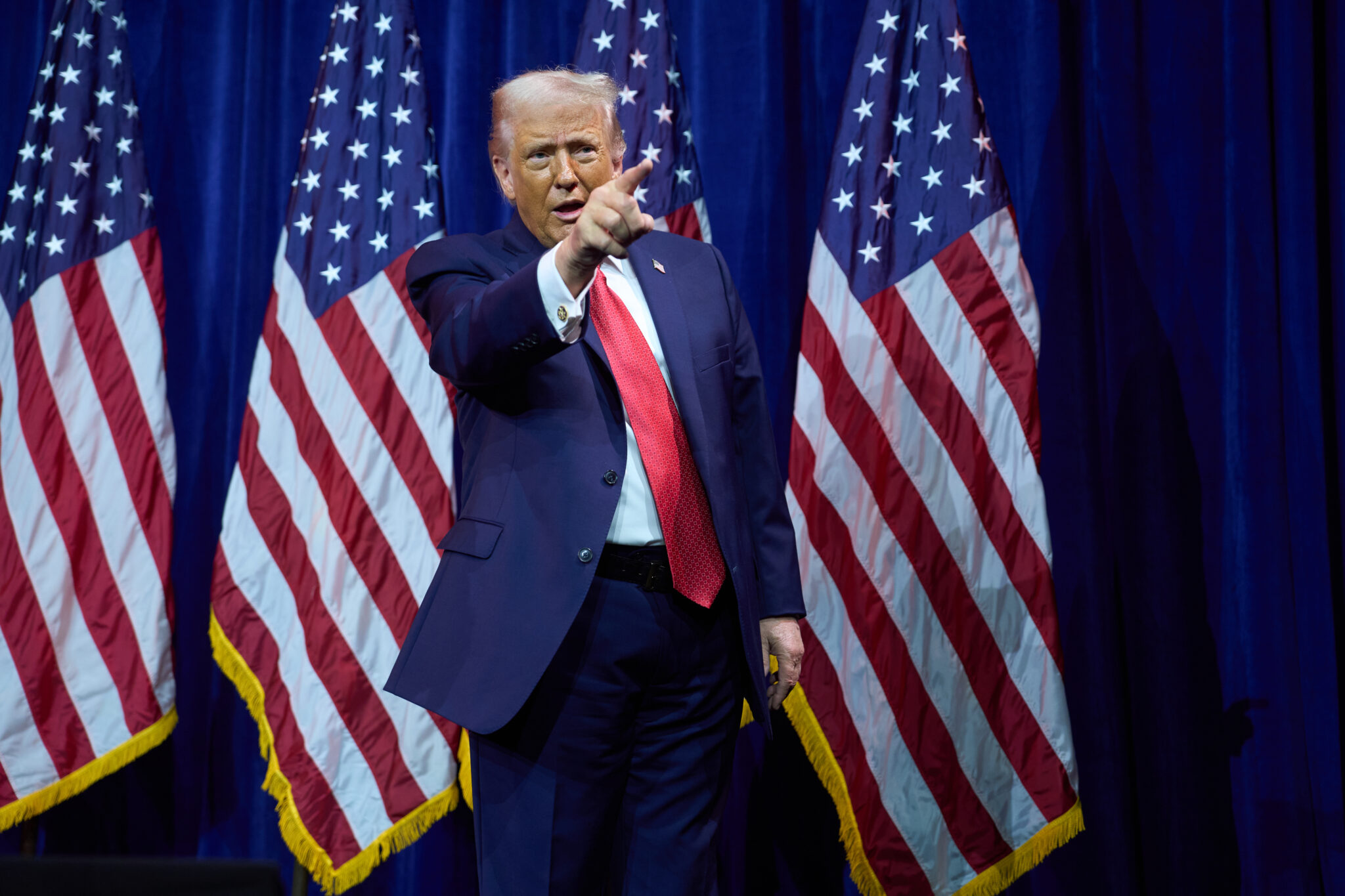
Trump Proposes $200B Mortgage Bond Purchases to Reduce Rates/ Newslooks/ WASHINGTON/ J. Mansour/ Morning Edition/ President Trump said Thursday he wants the federal government to use $200 billion to buy mortgage bonds to help lower mortgage rates and make homeownership more affordable. The plan involves tapping the cash reserves of Fannie Mae and Freddie Mac, which are under government conservatorship. Economists say the purchases might slightly reduce rates but won’t solve deeper housing market supply issues.
Mortgage Bonds Purchase Plan Quick Looks
- President Trump directs the government to buy $200 billion in mortgage bonds
- Aim is to reduce mortgage rates and ease housing affordability fears
- Funds come from reserves of government‑controlled Fannie Mae and Freddie Mac
- Trump says the plan will push mortgage rates and monthly payments lower
- White House has not provided a timeline for bond purchases
- Fed has previously bought mortgage bonds during economic crises
- Experts say purchases could trim rates but not fix housing supply shortages
- Potential risk is reduced reserves for future economic downturn protection
Trump Proposes $200B Mortgage Bond Purchases to Reduce Rates
Deep Look
WASHINGTON — President Donald Trump announced Thursday that he wants the federal government to buy $200 billion in mortgage‑backed securities in an effort to bring down mortgage rates as Americans struggle with high housing costs. Trump made the announcement on social media, saying the move would help make homeownership more affordable at a time when buyers face steep prices and elevated interest rates.
Trump and White House officials are pushing the plan as part of a broader response to voter concerns about housing costs ahead of the midterm elections in November. With home prices rising faster than incomes and a chronic shortage of housing inventory, many potential buyers have been priced out of the market or stuck in existing homes.
Trump said the government‑controlled mortgage giants Fannie Mae and Freddie Mac — both in federal conservatorship since the 2008 financial crisis — have sufficient cash reserves to carry out the purchases.
“This will drive mortgage rates down, monthly payments down, and make the cost of owning a home more affordable,” Trump wrote.
Details on how and when the purchases would be executed have not yet been disclosed, and White House officials did not immediately respond to questions about timing or implementation.
Historically, the Federal Reserve has intervened in mortgage markets during periods of economic stress by buying mortgage bonds to lower long‑term interest rates. Such actions helped homeowners refinance into lower rates — often in the 3 percent range — during previous downturns. But those ultra‑low rates also discouraged many homeowners from selling, tightening housing supply and making affordability worse over time.
Economists say the Trump proposal could shave a small amount off current mortgage rates, which have averaged about 6.2 percent, according to Freddie Mac. Mortgage rates have not dipped below 6 percent since September 2022.
“At a high level, this feels like putting a Band‑Aid on a deeper issue,” said Daryl Fairweather, chief economist at real estate brokerage Redfin. She estimated that mortgage bond purchases could reduce 30‑year fixed mortgage rates by about 0.25 to 0.5 percentage points, but noted it wouldn’t address the housing supply shortage that underpins high prices.
Mortgage rates have climbed since inflation spiked after the pandemic, prompting the Federal Reserve to raise interest rates to curb inflation. Although rates have edged down from nearly 7 percent at the start of Trump’s second term, many households still feel squeezed by high housing, food and energy costs.
Reducing mortgage rates can lower monthly payments, making homeownership more accessible for some buyers. However, in a tight market, lower rates can also fuel higher demand, pushing up prices and partly offsetting affordability gains.
There are risks to tapping the reserves of Fannie Mae and Freddie Mac. Those funds act as a financial buffer to protect against downturns similar to the 2008 financial crisis. Using them for large bond purchases could leave the housing finance system more exposed if market conditions deteriorate.
In addition to the proposed $200 billion in mortgage bond purchases, the Federal Reserve itself still holds roughly $2 trillion in mortgage‑backed securities on its balance sheet — down from $2.7 trillion in 2022. The Fed has been reducing its holdings as the economy recovered from the COVID‑19 pandemic.
Trump’s housing strategy comes alongside other announced initiatives, including a plan to restrict institutional investors from buying single‑family homes, which Trump says will help more ordinary buyers compete in the market.
Despite these efforts, economists emphasize that long‑term solutions to housing affordability will require boosting housing supply, reforming permitting and construction policies, and addressing structural issues in the market that go beyond interest rates.