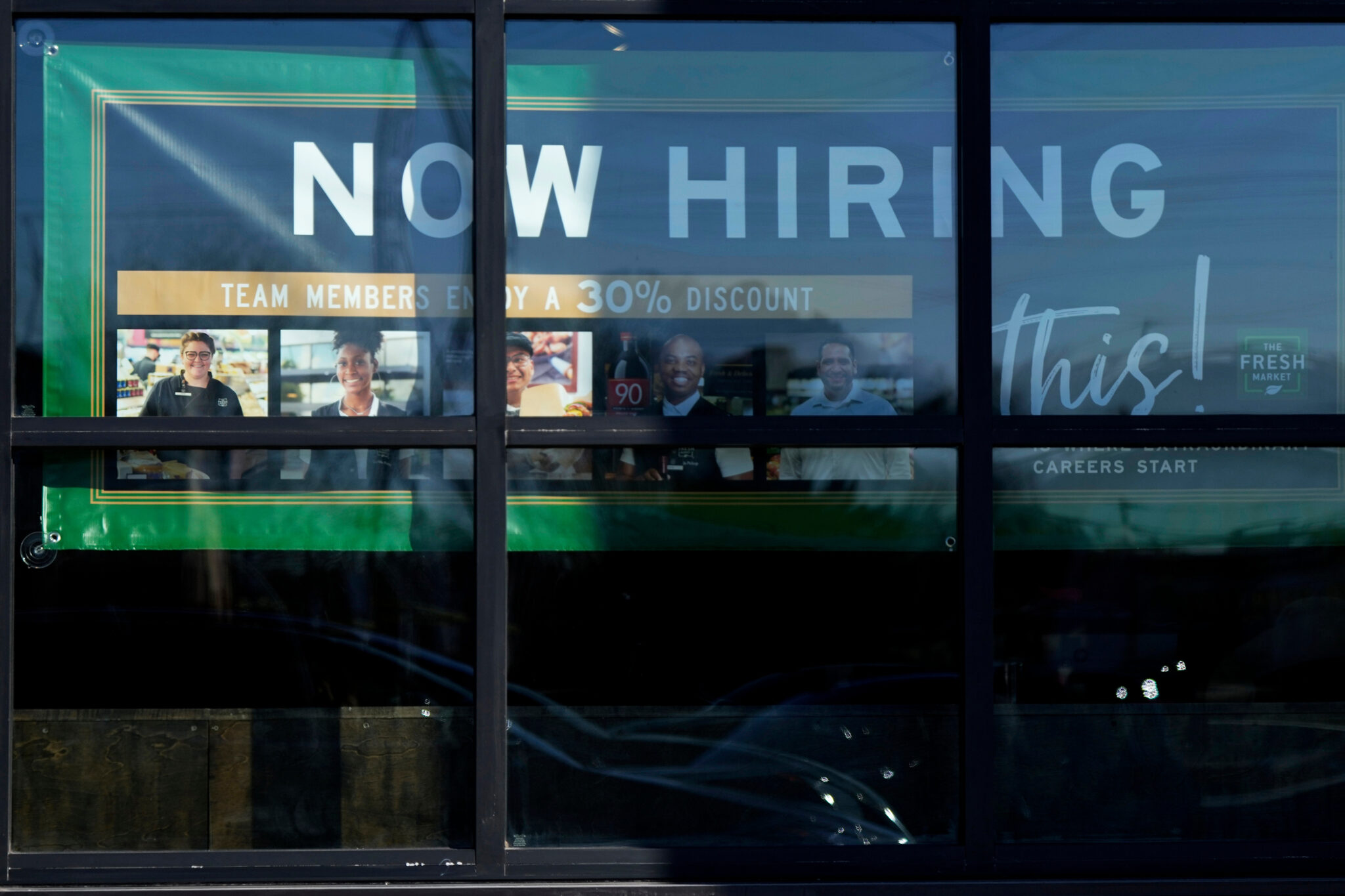
U.S. Economy Added Just 50K Jobs in December, Unemployment Dips to 4.4%/ Newslooks/ WASHINGTON/ J. Mansour/ Morning Edition/ The U.S. economy added just 50,000 jobs in December, capping off a disappointing year for job seekers. Despite signs of economic growth, hiring lagged behind expectations, with unemployment ticking down slightly to 4.4%. Analysts blame Trump’s shifting trade policies, inflation, and AI disruption for the labor market stagnation.

U.S. Labor Market Quick Looks
- December added only 50,000 jobs, mostly in health care and hospitality
- Unemployment rate dipped to 4.4%, the first drop since June
- Manufacturing, construction, and retail shed jobs amid economic uncertainty
- Total 2025 job gains: 584,000, lowest since pandemic year 2020
- AI, inflation, and tariffs cited as major factors stalling hiring
- Fed slashed interest rates three times last year to stimulate growth
- Economy grew at 4.3% in Q3 2025, but hiring did not follow
- Job figures may be revised downward by 911,000 in February
- Federal Reserve cautious on more rate cuts despite slow job growth

Deep Look: Sluggish U.S. Hiring Caps Frustrating 2025 for Job Seekers
WASHINGTON (AP) — December’s modest hiring of just 50,000 jobs rounded out a year of underwhelming employment gains, leaving many American workers in limbo as job growth failed to keep pace with the broader economic recovery. While the unemployment rate edged down to 4.4% from 4.5%, the job market showed signs of strain and caution from employers navigating tariff shocks, AI disruption, and persistent inflation.
The final jobs report of 2025, released Friday by the Labor Department, underscores a disconnect between strong GDP growth and weak labor demand. Most of December’s job creation came from health care and hospitality, with industries like manufacturing, retail, and construction losing positions — a troubling sign as the U.S. heads into 2026.
The stagnant hiring numbers cap a turbulent economic year shaped in part by President Donald Trump’s aggressive trade policy moves, including the so-called “liberation day” tariffs enacted in April that strained global supply chains and prompted uncertainty among U.S. businesses. Additionally, fears over how artificial intelligence may eliminate or transform jobs have further dampened employers’ enthusiasm to hire.
Hiring Stagnation Despite Economic Expansion
In total, the U.S. economy added just 584,000 jobs in 2025, a stark drop from over 2 million jobs gained in 2024. This marked the weakest annual performance since 2020, when COVID-19 devastated the labor market. The Labor Department report also notes that hiring averaged a mere 11,000 jobs per month during the summer, only rebounding slightly toward year-end.
Despite this, the gross domestic product grew at an annualized rate of 4.3% in the third quarter of 2025 — the fastest in two years — driven by robust consumer spending. However, hiring failed to follow, and job growth remained uneven. The Atlanta Fed estimates 2.7% growth in Q4, reinforcing the economy’s momentum — albeit without accompanying job creation.
This paradox — growth without hiring — is now a central economic mystery heading into 2026.
Trump’s Economic Policies and AI’s Rising Impact
Economists point to a combination of Trump-era trade uncertainty, lingering inflation, and the disruptive rise of AI technologies as factors suppressing employer confidence. “Businesses are cautious about adding headcount,” said Redfin’s chief economist, referencing automation and high costs as persistent threats.
President Trump, meanwhile, has championed a $200 billion plan to lower mortgage rates and cut taxes, aiming to boost economic confidence ahead of the midterms. Still, his policies have contributed to volatile market conditions, especially for exporters and manufacturers.
Federal Reserve Responds with Rate Cuts
The Federal Reserve, attempting to offset the employment slowdown, cut its key interest rate three times late last year. While these moves were designed to encourage borrowing and spur hiring, Fed Chair Jerome Powell has indicated caution going forward, saying the central bank would pause further cuts to assess the broader economic picture.
Even with sluggish job creation, the economy’s resilience has surprised some observers. “It’s a strange economy,” one economist noted. “You’ve got growth, falling inflation, and falling unemployment — but hardly any new jobs.”
January Benchmark Revisions Could Deepen the Picture
Adding to concerns, the Labor Department’s annual benchmark revision scheduled for February is expected to cut previously reported job totals by as many as 911,000 jobs as records are adjusted to match unemployment insurance data.
Powell also suggested last month that the government may be overestimating monthly job gains by as much as 60,000 positions, due to outdated methods in accounting for new businesses versus closures.
Looking Ahead: A Labor Market in Flux
Despite the soft December report, economists remain hopeful that job growth will rebound in 2026 — especially as Trump’s tax cuts produce larger-than-normal refunds in the spring, potentially increasing consumer spending and business confidence.
Still, the potential for further AI-driven labor disruption, ongoing tariff battles, and lingering inflationary pressure make forecasting difficult.
While the unemployment rate has ticked lower, the number of discouraged or underemployed workers remains elevated. Some job seekers report applying to hundreds of positions with few interviews, while others face the need to reskill or transition careers amid changing job requirements.
As 2026 begins, the U.S. job market stands at a crossroads — caught between macroeconomic strength and a labor force trying to catch up.