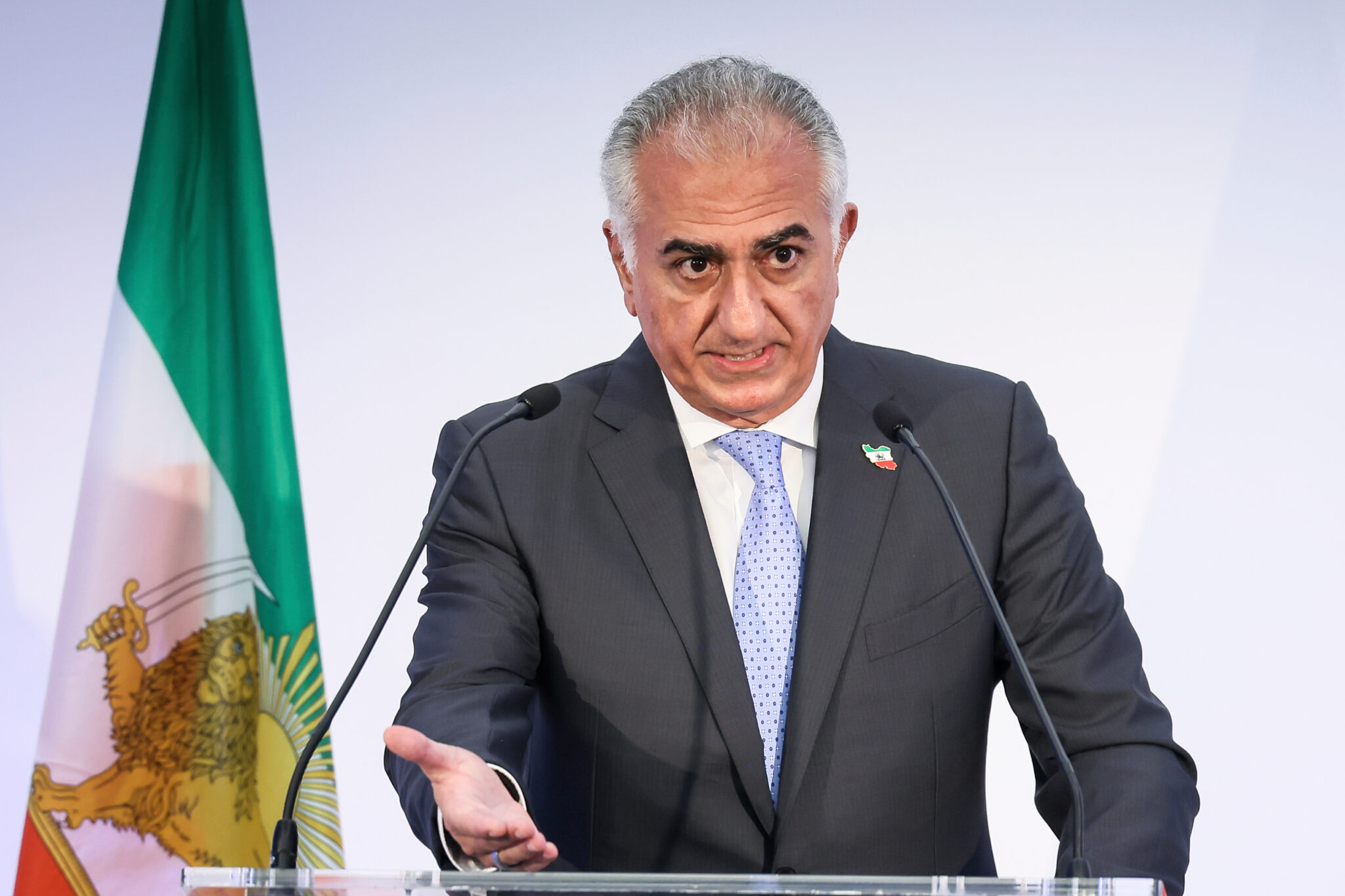
Iran’s Exiled Crown Prince Reza Pahlavi Emerges as Protest Figurehead/ Newslooks/ WASHINGTON/ J. Mansour/ Morning Edition/ Iran’s exiled crown prince Reza Pahlavi has resurfaced as a central voice in the country’s current protest movement. Decades after leaving Iran, he’s calling on Iranians to rise against the Islamic Republic. While his actual support remains uncertain, his influence is growing amid mounting unrest.
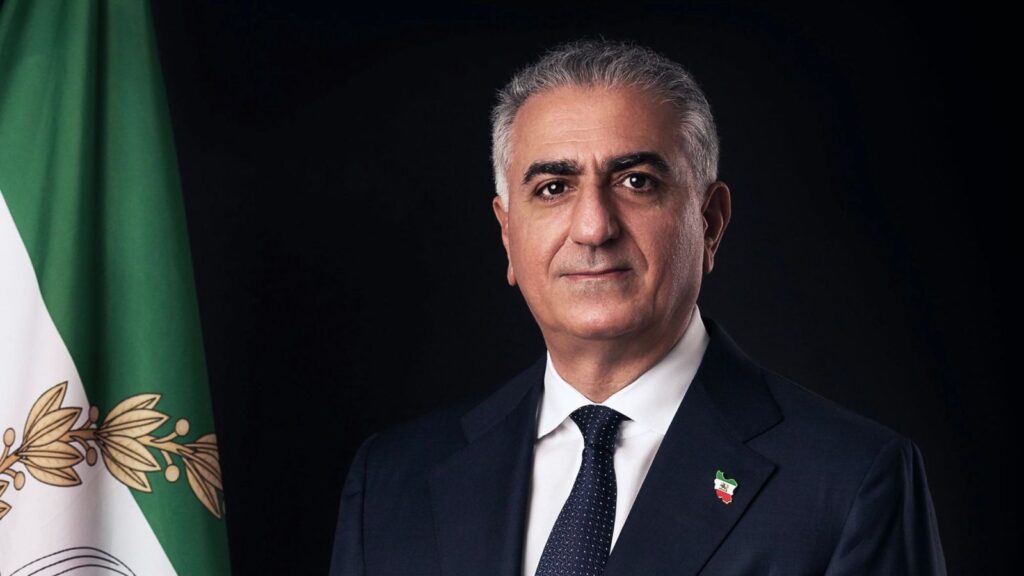
Reza Pahlavi Protest Role Quick Looks
- Reza Pahlavi urges protests nearly 50 years after exile
- His call sparked mass street demonstrations across Iran
- Pahlavi, 65, lives in exile in the United States
- Protest movement now challenges Iran’s Islamic theocracy directly
- Crown prince seeks to be part of Iran’s political future
- Iranian state media labels monarchist supporters as terrorists
- Pahlavi promotes constitutional monarchy but says people must decide
- His profile rose again during Trump’s presidency
- Pahlavi once claimed the role of shah in exile in 1980
- Historic mistrust of monarchy remains a hurdle for him
- Iran International aired his calls and outreach to security forces
- Protesters now chant slogans praising the former royal family
- Over 60 protester deaths and 2,300 arrests reported amid crackdown
- Pahlavi says regime is “irreformable” and calls for full change
Iran’s Exiled Crown Prince Reza Pahlavi Emerges as Protest Figurehead
Deep Look
DUBAI, United Arab Emirates — After nearly half a century in exile, Iran’s former crown prince Reza Pahlavi has re-emerged as a key figure in the country’s growing protest movement. His calls for mass demonstrations, broadcast via satellite networks and social media, helped spark some of the largest protests since the Islamic Republic’s founding in 1979.
The 65-year-old son of the late Shah Mohammad Reza Pahlavi has long been a marginal figure in Iranian politics, living in exile in the United States. But with Iran experiencing an unprecedented wave of protests — fueled by economic collapse, political repression, and war fatigue — Pahlavi has seized the moment to reassert himself.
On Thursday night, mass protests erupted across Iran following Pahlavi’s appeal. Cars burned, police posts were attacked, and chants of “Death to the Islamic Republic” echoed through Tehran’s streets. It was a dramatic escalation in unrest that began over currency devaluation and inflation but has evolved into a direct challenge to the clerical regime.
Iranian state media responded by blaming “monarchist terrorist elements” for the protests. The government has branded Pahlavi and his supporters as foreign-backed agitators. But many inside Iran, especially a younger generation unfamiliar with his father’s rule, appear to see him as a symbol of change.
Born into royalty on October 31, 1960, Reza Pahlavi grew up in a life of opulence. His father’s regime, backed by the United States and Britain, was both modernizing and authoritarian. The Shah’s secret police, SAVAK, were notorious for torturing dissidents, and wealth inequality sparked growing unrest in the 1970s.
Pahlavi was sent to flight school in Texas in 1978 as protests against the monarchy spread across Iran. Just a year later, his father fled the country, and the Islamic Revolution brought Ayatollah Ruhollah Khomeini to power. After his father’s death, Pahlavi declared himself shah-in-exile on his 20th birthday in 1980.
In the years since, he has largely remained abroad, living in Los Angeles and Washington, D.C. Monarchist exiles have continued to champion his return, but many inside Iran have regarded him as distant and disconnected. His association with the monarchy’s authoritarian past and luxury lifestyle has long hindered his appeal.
Still, time has shifted perceptions. Generations of Iranians raised under a strict Islamic regime have faced internet censorship, morality policing, and economic crisis. Many are now disillusioned with the system and are increasingly open to alternative political models — including Pahlavi’s proposed constitutional monarchy.
Speaking to the Associated Press in 2017, Pahlavi said, “This regime is simply irreformable because the nature of it, its DNA, is such that it cannot.” He stressed that any political future for Iran must be determined by its people and floated the idea of an elected head of state.
His recent protest calls have received strong amplification from Farsi-language channels abroad, particularly Iran International. The network even broadcast QR codes for Iranian security forces interested in defecting or aiding the protest movement. Mahmood Enayat, managing director of Iran International’s parent company Volant Media, said the station aired Pahlavi’s materials “on a pro bono basis” as part of its mission to support civil society.
While Pahlavi has drawn criticism for his connections to foreign governments, especially Israel, he has defended seeking international backing.
“My focus right now is on liberating Iran,” he said in 2017, “and I will find any means that I can… with anyone who is willing to give us a hand.”
Even U.S. President Donald Trump, a vocal critic of Iran’s regime, has been cautious. In a recent interview, Trump declined to say whether he would meet with Pahlavi, suggesting it was premature.
“Let everybody go out there, and we see who emerges,” he said.
The protests have taken a deadly toll. According to Human Rights Activists News Agency (HRANA), over 62 people have been killed and more than 2,300 arrested. The regime has responded with increasing force, cutting off internet access and deploying security forces to major cities.
Still, demonstrations have continued, fueled in part by nostalgia and the belief that Iran’s future may lie beyond clerical rule.
Some protesters now chant in support of the monarchy, with slogans like “This is the last battle — Pahlavi will return!”
Whether this support is symbolic or real remains unclear. Analysts say the protests reflect deep national frustration more than a unified political vision. Pahlavi’s role, for now, appears to be that of a rallying figure — a placeholder for a different Iran that many hope will emerge from the country’s ongoing turmoil.
As the unrest grows, so too does the risk of brutal repression. Iran’s leadership has signaled its intent to crack down. Still, Pahlavi’s voice — once thought irrelevant — is now part of the country’s most serious challenge to its ruling system in decades.