Trump Promises Safety for Oil Investors in Venezuela/ Newslooks/ WASHINGTON/ J. Mansour/ Morning Edition/ Donald Trump invited major oil executives to invest in Venezuela, promising security and protection following Nicolás Maduro’s ouster. The U.S. plans to control Venezuelan oil exports and production, aiming to attract $100 billion in private sector investment. Despite caution from oil companies, the administration is pushing diplomatic efforts to stabilize relations and restore oil output.
Venezuela Oil Investment Quick Looks
- Trump pledged “total safety” for oil companies investing in post-Maduro Venezuela
- $100 billion sought from private oil giants to rebuild Venezuela’s oil infrastructure
- U.S. seized fifth oil tanker tied to Venezuelan crude
- ExxonMobil, Chevron, Shell, and others attended White House energy meeting
- Trump vows U.S. oversight of oil sales, not direct dealings with Venezuela
- ExxonMobil cautious, citing history of asset seizures and legal uncertainty
- U.S. may reopen embassy in Caracas as diplomacy restarts
- Trump blames China and Russia for eyeing Venezuelan oil
- Opposition leader Maria Corina Machado to meet Trump
- Trump shifts tone with Colombia’s Petro after friendly phone call
Trump Promises Safety for Oil Investors in Venezuela
Deep Look
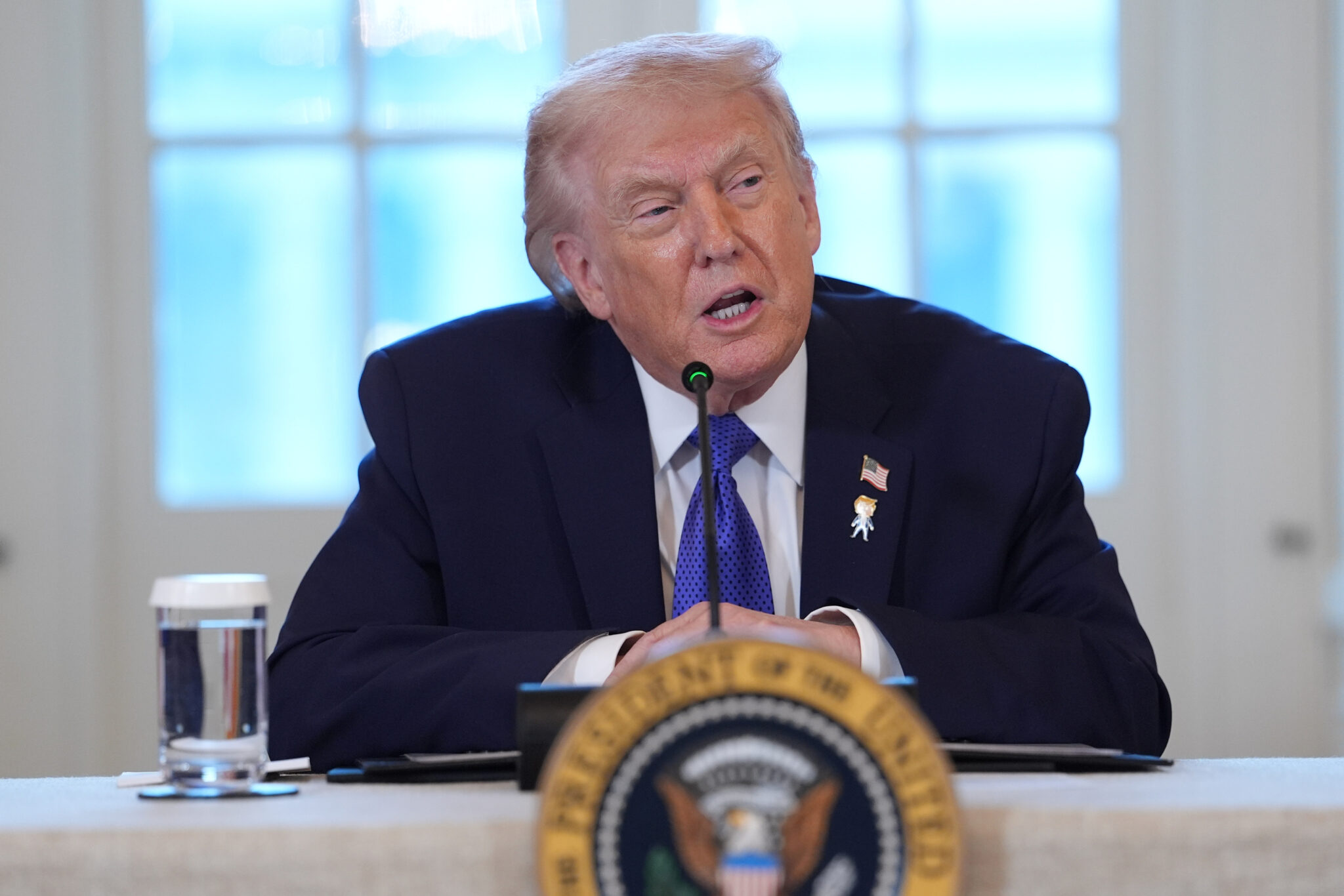
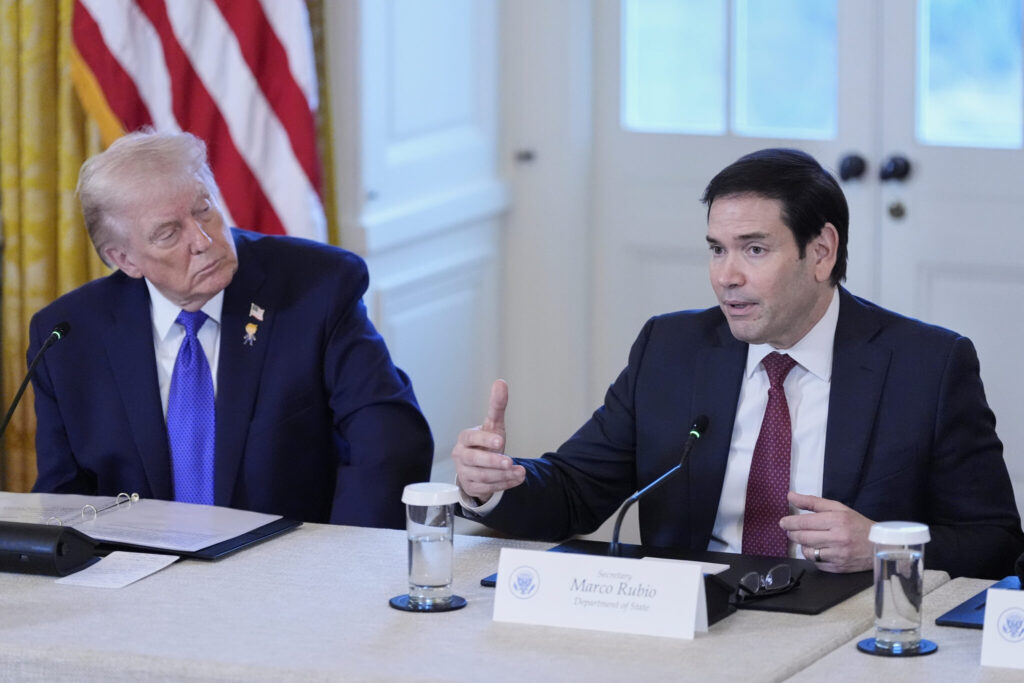
President Donald Trump has called on U.S. oil executives to spearhead a $100 billion investment push into Venezuela’s crumbling energy sector, promising them “total safety” and direct dealings with the U.S. government—not the Venezuelan state—following the ouster of Nicolás Maduro.
At a high-stakes meeting in Washington, Trump positioned Venezuela’s oil reserves as a major economic opportunity for U.S. corporations. The administration, having seized tankers carrying Venezuelan oil and claimed control over 30 to 50 million barrels of previously sanctioned crude, is now seeking to transform this foreign policy intervention into a large-scale energy venture.
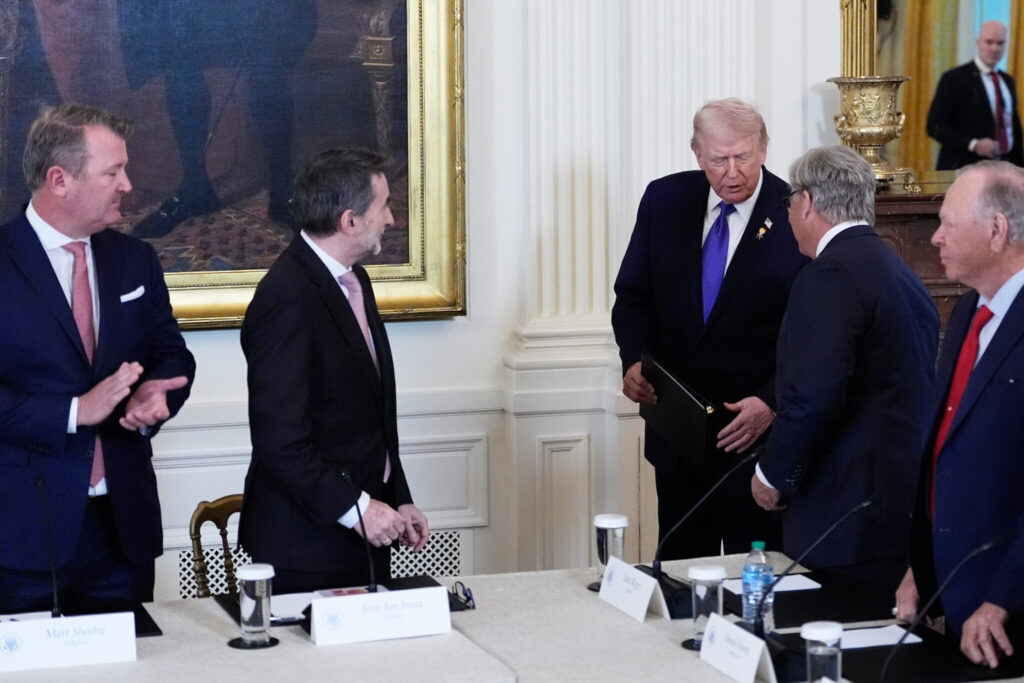
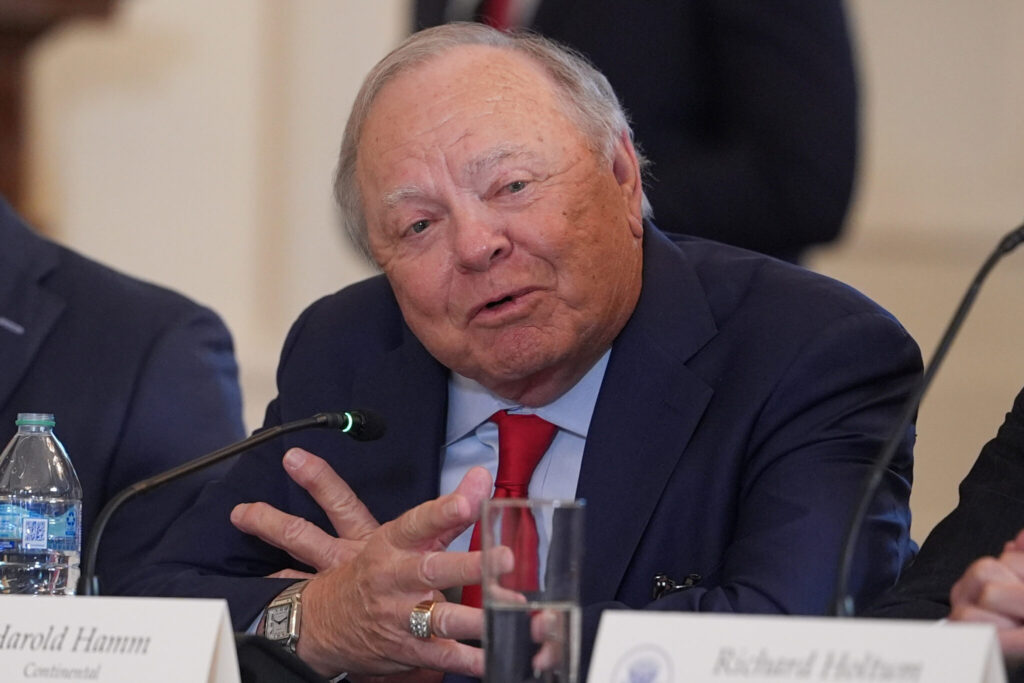
“Don’t worry about Venezuela—you’re dealing with us,” Trump told leaders from ExxonMobil, Chevron, ConocoPhillips, Shell, Valero, Halliburton, and international firms like Eni, Trafigura, and Repsol. The promise: no need for government funding, just government protection.
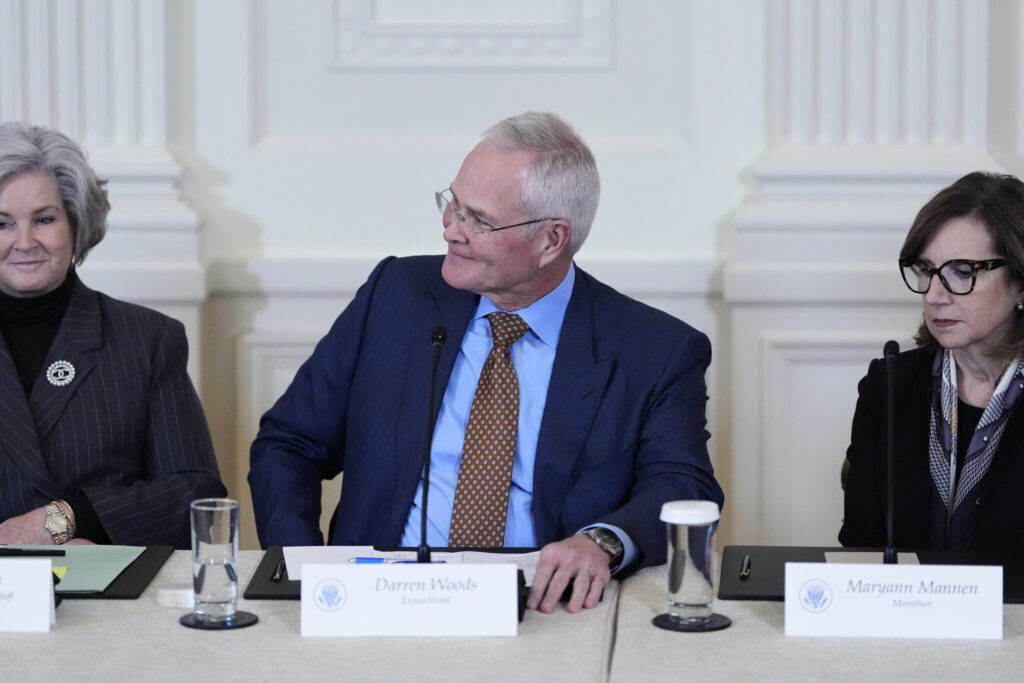
Trump’s reassurances came in response to deep concerns from the energy sector. Darren Woods, CEO of ExxonMobil, noted that Venezuela remains “un-investable” under current legal and commercial conditions. Exxon, in particular, has been burned before—twice having its assets nationalized by previous Venezuelan regimes. Woods emphasized the need for comprehensive changes to investment frameworks, legal protections, and hydrocarbon laws to ensure long-term viability.
Despite risks, Trump played to the industry’s appetite for high-stakes ventures. “These are not babies,” he said of the executives. “These are people that drill oil in some pretty rough places. A couple of those places make Venezuela look like a picnic.”
Energy Secretary Chris Wright echoed Trump’s optimism, saying that major companies showed “tremendous interest.” Wright revealed Chevron made a concrete commitment and projected that Venezuela’s oil output—currently under 1 million barrels per day—could triple to 3 million within 8 to 12 years with the right investment.
Beyond economics, the Trump administration framed the military operation to remove Maduro as a strategic move to counter rivals like China and Russia, who Trump claimed would have capitalized on Venezuela’s energy assets had the U.S. not acted.
“If we didn’t do this, China or Russia would have,” Trump stated during the meeting.
Critics, however, slammed the effort as imperialistic. Tyson Slocum, an energy policy expert with consumer advocacy group Public Citizen, labeled the operation “violent imperialism,” accusing Trump of orchestrating a power grab for billionaires to control Venezuela’s oil wealth.
Diplomatic efforts are now underway to stabilize relations. The U.S. and Venezuelan interim government, led by Delcy Rodríguez, are exploring the reopening of diplomatic ties. A team of U.S. diplomats and security officials visited Caracas to assess the potential reopening of the U.S. Embassy.
Although Rodríguez has publicly denounced Trump and the ousting of Maduro, the U.S. president claimed she has quietly cooperated with Washington behind the scenes. Trump has also scheduled meetings with Venezuela’s opposition leader Maria Corina Machado, while stopping short of backing her publicly. Trump argued that Machado lacks the widespread support to lead, despite international recognition of her party’s electoral win over Maduro.
Additionally, Trump announced he will meet Colombian President Gustavo Petro next month. While he previously threatened action against Petro—whom he derided for ties to cocaine production—Trump has softened his stance after a cordial phone call. The evolving dynamic reflects a mutual interest: Colombia depends on U.S. military support in its anti-drug campaigns, while the U.S. counts on Bogotá for vital intelligence in its counternarcotics strategy across Latin America.
Taken together, Trump’s moves signal a pivot from military action to economic engagement, aiming to boost domestic energy supplies and assert American dominance over key global oil markets. The challenge now lies in whether risk-averse energy giants will follow Trump’s lead into one of the most volatile oil-producing nations in the world.