Minneapolis Schools Offer Remote Classes Amid Immigration Fears/ Newslooks/ WASHINGTON/ J. Mansour/ Morning Edition/ Minneapolis public schools are reintroducing remote learning through February 12 in response to heightened fear among immigrant families following federal immigration enforcement activity. The move aims to keep students safe and academically engaged without risking attendance declines. Community unrest, including ICE operations near schools, has intensified demand for virtual learning options.
Immigration Crackdown Response Quick Looks
- Minneapolis schools resume remote learning option through February 12
- Move follows federal immigration actions and local unrest
- ICE agents involved in deadly shooting and school incident
- Teachers union supports remote learning to protect students and educators
- Students express fear for Latino peers amid immigration crackdown
- Federal agents reportedly used tear gas near Roosevelt High
- Officials stress importance of student safety and attendance
- Other cities like Chicago and NYC have debated virtual learning
- Districts urged to offer remote learning to all students to avoid profiling
- Minnesota Department of Education approves flexible virtual instruction plans
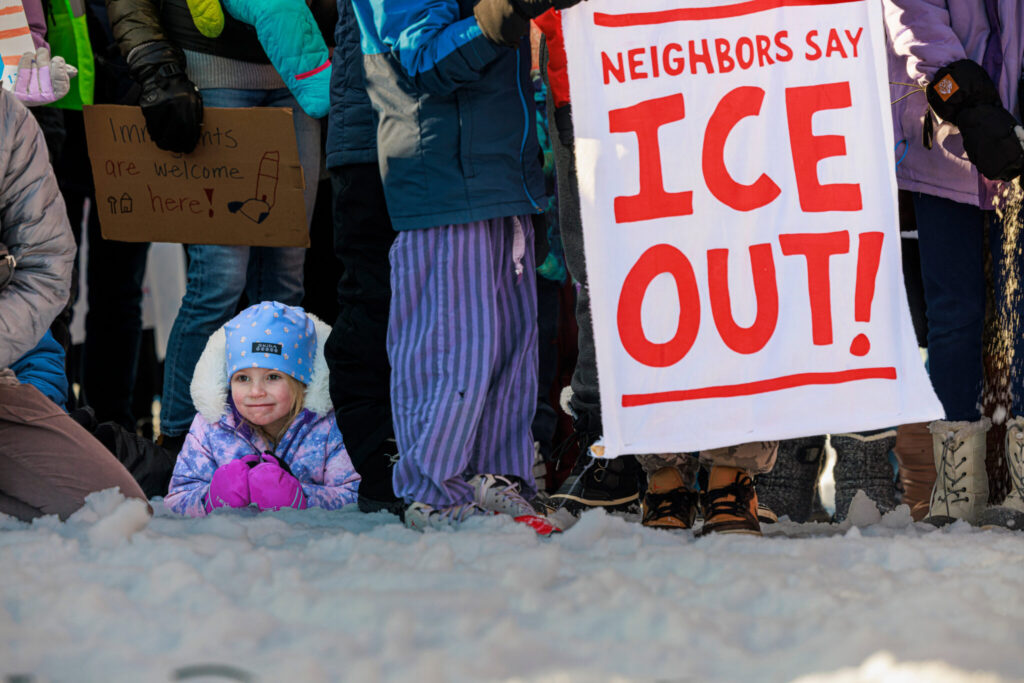
Minneapolis Schools Offer Remote Classes Amid Immigration Fears
Deep Look
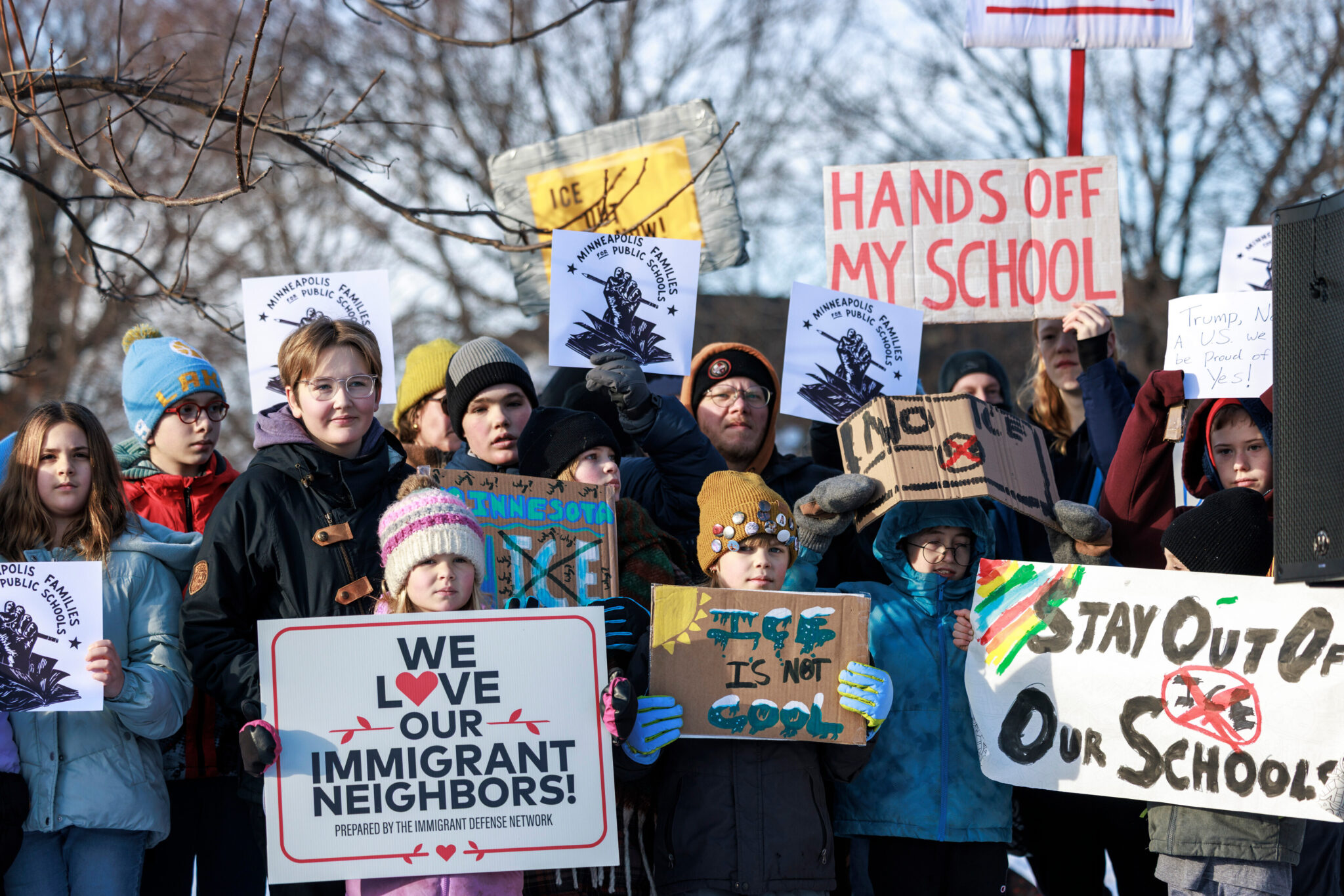
In response to mounting anxiety within the community and escalating immigration enforcement actions, Minneapolis Public Schools have announced a temporary return to remote learning for families who feel unsafe sending children to classrooms. This option, available until February 12, is intended to preserve student safety and prevent a sharp drop in school attendance during a time of heightened tension across the city.
The decision, announced Friday, comes as federal immigration operations have intensified nationwide. In Minneapolis, the situation escalated after a deadly encounter involving a federal agent and Renee Good, a U.S. citizen and mother of three. The shooting occurred the same day immigration agents reportedly detained an individual near Roosevelt High School, causing panic during student dismissal and resulting in the use of tear gas and the temporary detention of an educator.
The district, serving nearly 30,000 students, will now deliver lessons both in-person and remotely. Teachers will instruct students in classrooms while simultaneously connecting with those learning from home, replicating strategies used during the COVID-19 pandemic.
“This meets a really important need for our students who are not able to come to school right now,” a district administrator said in an email to staff, emphasizing the urgent need to support students affected by the current climate.
Emails obtained by the Associated Press reveal that the decision followed extensive internal discussions, involving input from school principals and the teachers union. Despite recognition of the negative academic and emotional consequences of remote learning during the pandemic, district leaders believe this step is necessary to protect vulnerable students and prevent a surge in absenteeism.
“This will keep them safe and help them keep up with their work,” an administrator noted. “It will also allow them to be counted present, so we don’t have a ton of dropouts next week.”
The backdrop for this decision is a series of high-profile federal actions that have deeply shaken immigrant communities. President Donald Trump has repeatedly targeted Minneapolis’s Somali population with inflammatory rhetoric, and recently announced plans to send 2,000 federal immigration agents to the city. The shift in federal policy has also eliminated previous guidelines that discouraged immigration arrests on school grounds.
Tensions boiled over outside Roosevelt High School earlier this week when immigration agents confronted a suspect after a five-mile pursuit. According to federal officials, the individual had rammed a Border Patrol vehicle, prompting the chase. The situation ended near the school, sparking chaos and the arrest of four individuals, including an educator temporarily taken into custody.
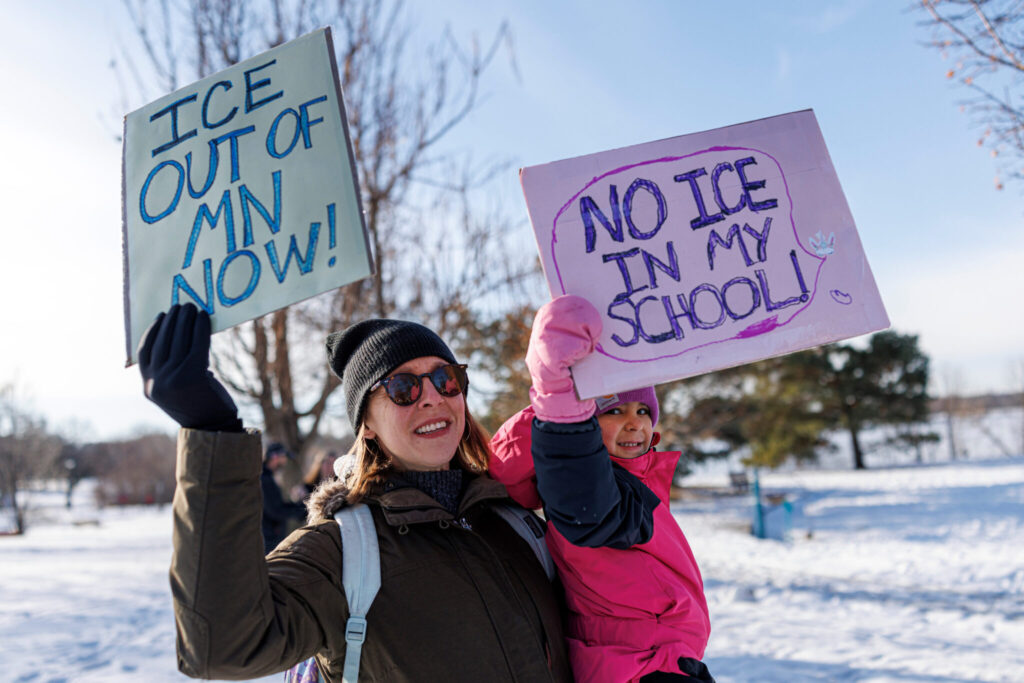
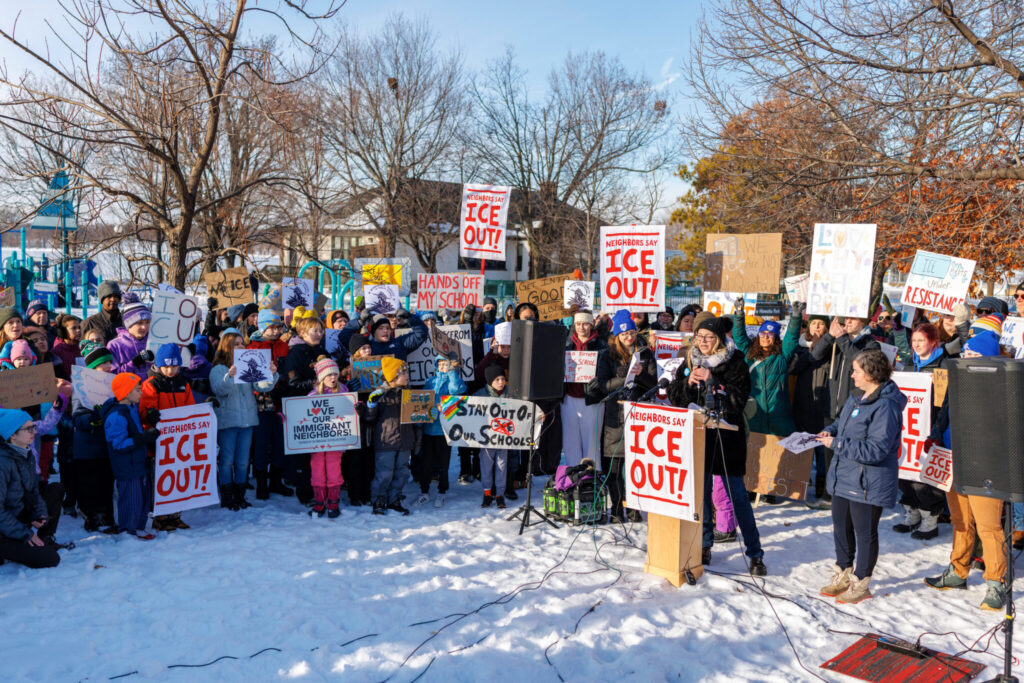
“We will not tolerate ICE inhibiting our city’s youth from their constitutional right to attend school safely or inhibiting educators from doing their job,” the Minneapolis Federation of Educators said in a strong statement.
Teachers and students alike are feeling the effects. Natasha Dockter, vice president of the local educators union, said many staff members and families have voiced concerns about safety when traveling to and from school.
“The way ICE has escalated in our community has made it so that there are people who feel unsafe coming to and from school,” Dockter said, backing the need for remote learning access.
Boisey Corvah, a 15-year-old South High School student, said that videos of the school incident and shooting are circulating widely on social media, intensifying fear among students—especially among his Latino peers.
“They’re probably going to have to go straight home, you know. They won’t be able to hang out with their friends,” he said, highlighting the mental and emotional toll on students.
Other U.S. districts have grappled with similar dilemmas amid renewed federal crackdowns. In Chicago, some school board members advocated for virtual learning during a recent immigration enforcement wave, though the district resisted the proposal. Last year, New York state permitted districts to offer remote options to students fearful of immigration raids, though uptake remains unclear.
One complication is the federal restriction preventing schools from asking about immigration status. If only immigrant families are offered virtual options, it could inadvertently expose those trying to remain under the radar. Advocacy organizations recommend offering remote learning to all students as a neutral solution.
“We are hoping and recommending for districts to have flexible options for all of their students. Learning doesn’t necessarily have to happen in the classroom,” said Viridiana Carrizales, CEO of ImmSchools, a Texas-based nonprofit working with school districts to improve policies for immigrant students.
Carrizales said similar conversations are occurring in districts across New Jersey, Texas, and New York, where schools have seen a wave of students being kept home or withdrawn entirely. The urgency has grown in recent weeks as school districts fear long-term enrollment losses.
Some districts with existing virtual academies have seen increased enrollment, including the Hillsboro School District in Oregon, which recently expanded slots in its online programs.
In Minnesota, the state’s Department of Education has affirmed the right of districts to provide remote learning under current circumstances.
“Plans for online instruction need to consider how the needs of all students can be met, including students with disabilities and students learning English,” said Education Commissioner Willie Jett in a statement.
Following two days of school closures, Minneapolis public schools reopened Friday for staff to receive instructions on how the remote learning model will function. Teachers were expected to report to school buildings while students and families make their choice between in-person and remote learning.
For now, the reintroduction of online schooling is not about convenience or health, but about peace of mind for families navigating an uncertain and politically charged environment.