U.S. and Venezuela Begin Restoring Diplomatic Ties/ Newslooks/ WASHINGTON/ J. Mansour/ Morning Edition/ The United States and Venezuela are taking initial steps to restore formal diplomatic relations following the removal of Nicolás Maduro. A U.S. delegation traveled to Caracas to assess reopening the embassy, while Venezuela announced intentions to send a delegation to the U.S. Acting President Delcy Rodríguez expressed cautious willingness to begin diplomacy, despite condemning the U.S. intervention.
U.S. Venezuela Relations Quick Looks
- United States and Venezuela explore reopening embassies
- U.S. military captured Nicolás Maduro and flew him to New York
- Delcy Rodríguez calls U.S. action illegal but supports talks
- U.S. delegation visited Caracas to assess embassy reopening
- Venezuela says it will send officials to U.S. if sanctions lifted
- Diplomatic ties were severed in 2019 under Trump’s first term
- Rodríguez seeks support from both U.S. and Venezuelan military
- U.S. focuses on oil leverage and regional influence
- Release of political prisoners hints at shifting strategy
- Discussions mark first diplomatic thaw since embassy closure
U.S. and Venezuela Begin Restoring Diplomatic Ties
Deep Look
After years of frozen diplomacy and hostile rhetoric, the United States and Venezuela are cautiously taking their first steps toward restoring official relations. The shift comes days after a high-profile U.S. military operation that captured former Venezuelan President Nicolás Maduro and brought him to New York to face drug-trafficking charges. Now, both governments are signaling interest in renewed dialogue, with a potential reopening of embassies on the horizon.
A small team of U.S. diplomats and a security team traveled to Caracas this week to conduct a preliminary evaluation of the conditions for reestablishing the U.S. Embassy in Venezuela’s capital. The embassy was closed in 2019, when President Donald Trump’s administration broke ties with Maduro’s government and recognized opposition leader Juan Guaidó as the country’s rightful president.
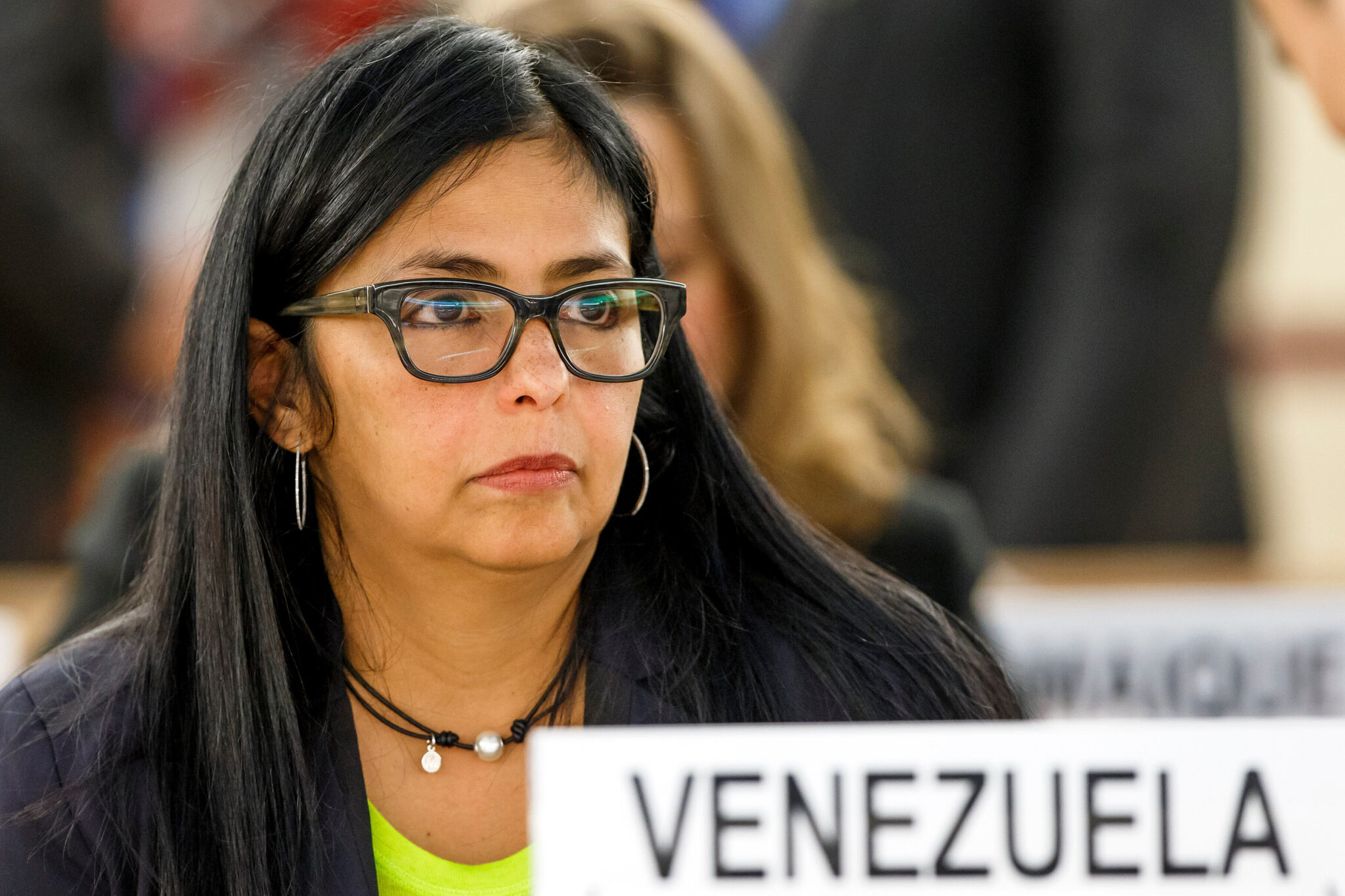
At the same time, Venezuela’s interim government, led by acting President Delcy Rodríguez, announced that it will begin an exploratory diplomatic process aimed at reestablishing embassies and rebuilding formal channels with Washington. The statement from Rodríguez’s office emphasized the government’s willingness to engage diplomatically, even as it continues to condemn the recent U.S. actions as aggressive and illegitimate.
Rodríguez, a longtime Maduro ally now navigating a precarious political transition, faces a difficult balancing act. She must manage pressure from hard-line factions of Venezuela’s military, many of whom are angered by Maduro’s removal, while also responding to demands from the Trump administration for a more cooperative relationship.
During public remarks, Rodríguez expressed outrage at the U.S. operation, describing it as “grave, criminal, illegal, and illegitimate aggression.” However, she also recognized diplomacy as the most pragmatic path forward. Speaking at the opening of a new women’s health clinic in downtown Caracas, Rodríguez reframed the engagement with the U.S. as a defense of Venezuela’s peace, sovereignty, and stability.
“We will meet face-to-face in diplomacy,” she said, “to defend the peace of Venezuela, the stability of Venezuela, the future, to defend our independence and to defend our sacred and inalienable sovereignty.”
She did not explicitly confirm when Venezuela would send a delegation to the U.S., but her office indicated plans were underway. Any Venezuelan officials traveling to the U.S. would likely require waivers of existing U.S. sanctions, particularly those imposed by the Treasury Department.
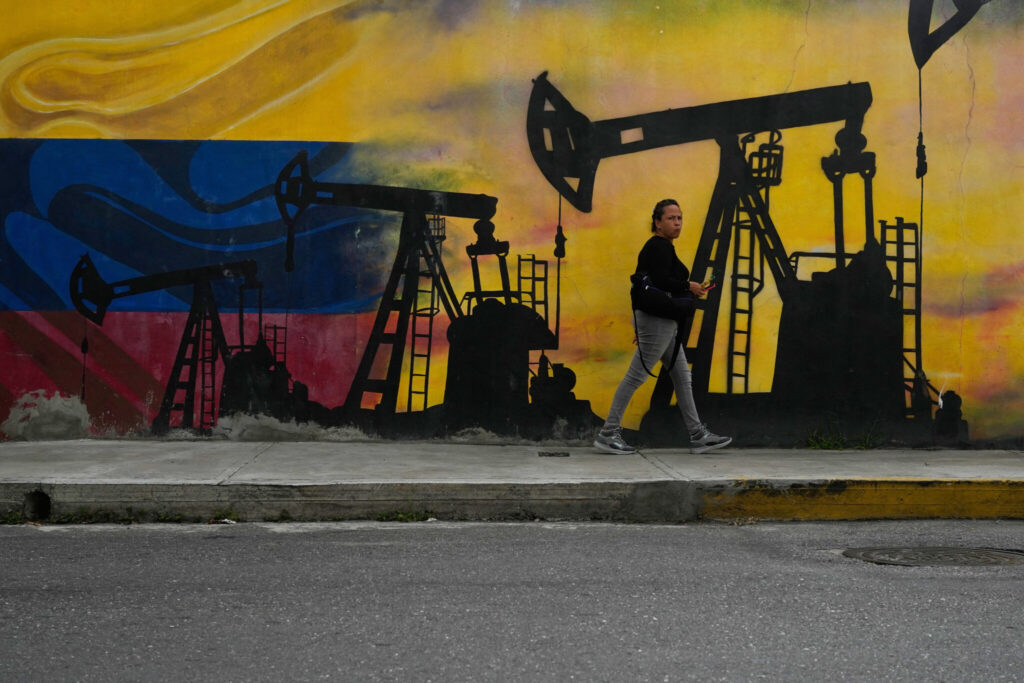
President Trump, meanwhile, is using the post-Maduro transition to assert more direct U.S. influence over Venezuela’s vast oil reserves, which remain the largest proven crude reserves in the world. Trump has made it clear that he intends to leverage Venezuela’s energy resources as part of a broader U.S. energy strategy, tying diplomatic negotiations to economic interests and oil production.
The current thaw follows a period of minimal contact between the two nations. Since the 2019 diplomatic rupture, U.S. officials have made only a few trips to Caracas, most notably when Trump’s envoy for special missions, Richard Grenell, visited in 2025 and facilitated the release of six detained Americans. That visit hinted at a possible softening in approach, though formal talks never materialized until now.
This new engagement could lead to significant changes in U.S. foreign policy toward Latin America. If embassies are reopened, it would mark the first major diplomatic normalization between the two countries in nearly a decade. It could also signal a wider effort by the U.S. to regain influence in the region, particularly as rival powers such as China and Russia have deepened their presence in South America.
Additionally, the Venezuelan government has begun taking steps that suggest a broader political recalibration. Reports indicate that several political prisoners have been released in recent days, including opposition activists and foreign nationals. While the releases have not been publicly tied to the diplomatic overtures, they represent a meaningful gesture that could help ease negotiations.
Economic issues are expected to dominate upcoming conversations. Venezuela’s shattered infrastructure, collapsed economy, and need for foreign investment create both opportunities and risks for the U.S. Trump has insisted that any reconstruction be led by the private sector, particularly U.S. oil companies, who have shown interest but remain wary of instability and legal uncertainty.
Still, the foundation is being laid for a potential diplomatic breakthrough. The return of U.S. diplomatic personnel to Caracas would not only facilitate communication but also signal a mutual willingness to move beyond years of antagonism. Whether that process leads to a full normalization of relations remains uncertain, but the first steps are clearly underway.
In the context of an evolving geopolitical landscape and a power vacuum in post-Maduro Venezuela, both Washington and Caracas appear ready to test a new chapter in their turbulent relationship—one that could redefine not only their bilateral ties but the balance of power in the wider region.