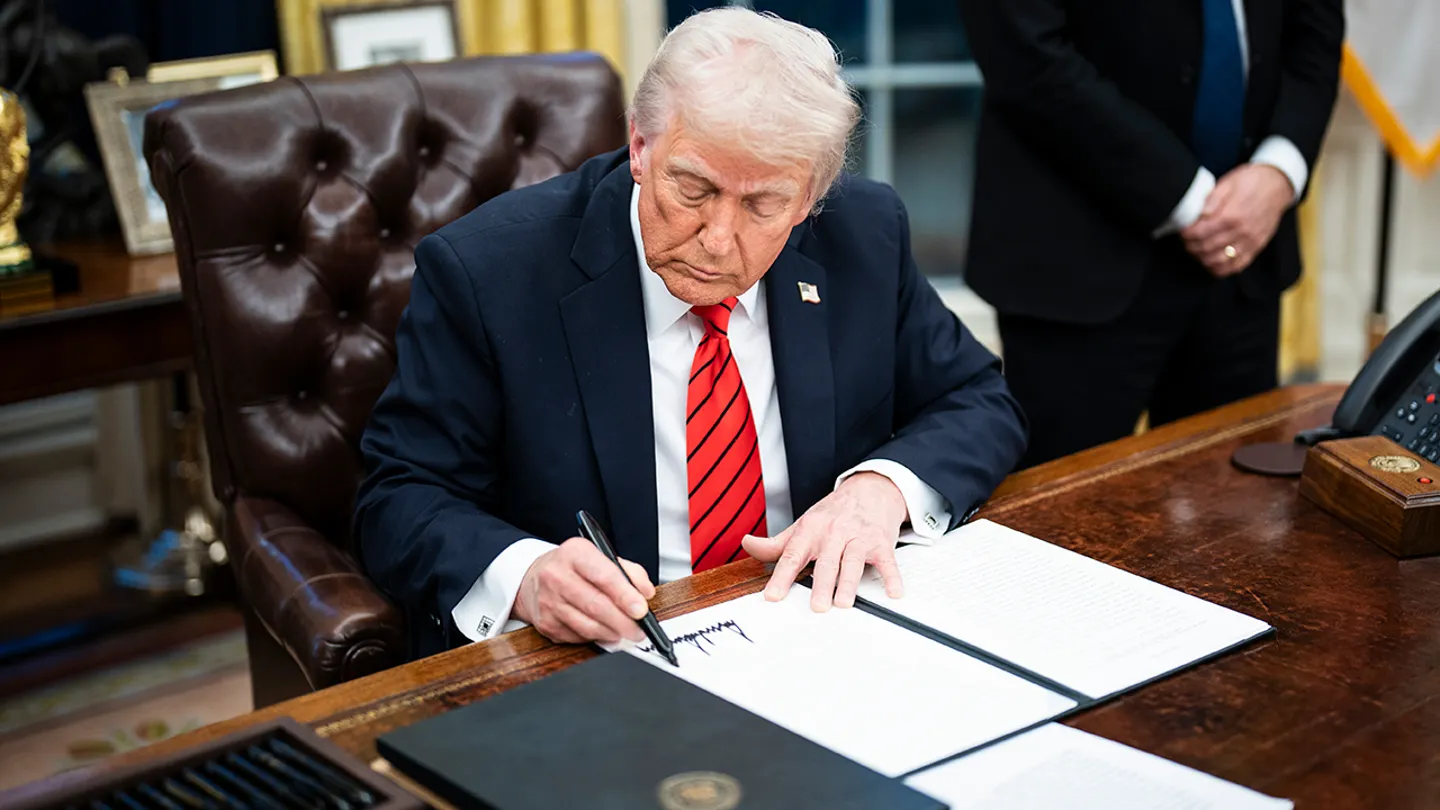
Trump Proposes 10% Cap on Credit Card Interest Rate/ Newslooks/ WASHINGTON/ J. Mansour/ Morning Edition/ President Donald Trump proposed a one-year cap on credit card interest rates, limiting them to 10% starting January 20, 2026. He criticized the Biden administration for allowing rates to reach up to 30%, calling it a failure in affordability. The move drew mixed reactions from lawmakers and financial experts.
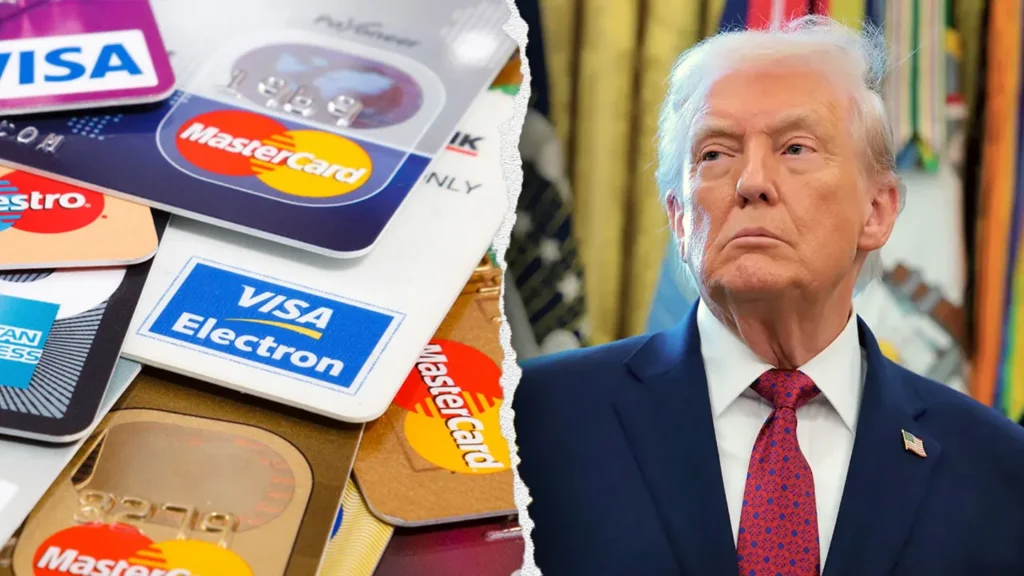
Credit Card Rate Reform Quick Looks
- Trump calls for 10% cap on credit card interest rates for one year
- Blames Biden administration for allowing rates to rise to 30%
- Proposal set to begin on January 20, 2026, Trump’s inauguration anniversary
- Senator Bernie Sanders previously proposed a similar, longer-term cap
- Elizabeth Warren dismisses Trump’s plan as insincere and ineffective
- Hedge fund manager Bill Ackman warns of credit market consequences
- Senator Josh Hawley supports Trump’s credit interest cap proposal
- Critics argue cap may lead to reduced access to credit
- Trump pledges affordability reform as part of broader economic plan
- No immediate response from White House or Sanders’ office
Trump Proposes 10% Cap on Credit Card Interest Rate
Deep Look
President Donald Trump on Friday proposed a one-year cap on credit card interest rates, aiming to curb what he described as excessive financial exploitation of American consumers. The cap, set at 10%, would take effect on January 20, 2026—marking the anniversary of his return to the White House.
In a post on Truth Social, Trump accused credit card companies of “ripping off” the American public, charging interest rates as high as 20 to 30 percent. He laid the blame squarely on President Joe Biden and his administration for what he described as neglect in regulating financial institutions.
“Please be informed that we will no longer let the American Public be ‘ripped off’ by Credit Card Companies,” Trump wrote, citing the rise in interest rates as one of the clearest signs of failed leadership under Biden. “Affordability! Effective January 20, 2026, I, as President of the United States, am calling for a one-year cap on Credit Card Interest Rates of 10%.”
The announcement came hours after Senator Bernie Sanders criticized Trump for not acting on previous promises to limit interest rates. Sanders had introduced legislation in February 2025 proposing a cap of 10% on credit card interest rates, with a sunset date of 2031, a far longer timeline than Trump’s one-year proposal.
“Trump promised to cap credit card interest rates at 10% and stop Wall Street from getting away with murder,” Sanders posted on social media. “Instead, he deregulated big banks charging up to 30% interest. The result? JPMorgan CEO Jamie Dimon made $770 million last year. Unacceptable.”
The back-and-forth between Trump and Sanders underscores a growing bipartisan concern over spiraling consumer debt. Interest rates on revolving credit lines, especially credit cards, have climbed sharply in recent years. Many working- and middle-class Americans are now paying double-digit interest rates on balances they struggle to pay off.
The reaction from lawmakers and financial figures was swift and polarized.
Senator Elizabeth Warren, a longtime critic of Trump and a leading Democrat on the Senate Banking, Housing and Urban Affairs Committee, called the proposal a “joke.”
“Begging credit card companies to play nice is a joke,” Warren said in a statement. “I said a year ago if Trump was serious, I’d work to pass a bill to cap rates. Since then, he’s done nothing but try to shut down the CFPB.”
She further accused Trump of pretending to care about affordability and financial regulation while simultaneously working to weaken consumer protections. “Americans know a fraud when they see one,” she added.
On the opposite side of the spectrum, Republican Senator Josh Hawley quickly backed the plan, saying, “I can’t wait to vote for this.” Hawley has previously supported measures aimed at reducing financial burdens on families, particularly around credit and loan issues.
In the private sector, Trump’s announcement sparked concern among investors and lenders. Billionaire hedge fund manager Bill Ackman called the proposed cap a “mistake” and warned it could backfire.
“Without being able to charge rates adequate enough to cover losses and to earn an adequate return on equity, credit card lenders will cancel cards for millions of consumers,” Ackman said. “People will have to turn to loan sharks for credit at rates higher than and on terms inferior to what they previously paid.”
Trump’s proposal fits within a broader agenda focused on what he calls “restoring the American Dream,” which includes lowering mortgage rates, making housing more affordable, and increasing wage growth. He has repeatedly blamed President Biden for the rise in cost-of-living and financial instability faced by many Americans.
Though Sanders and Warren criticized the proposal, some experts say it may open the door to renewed discussions in Congress around consumer lending reform, especially if inflation and high interest rates continue to plague household budgets.
Meanwhile, the White House and Sanders’ office did not immediately respond to media inquiries regarding Trump’s announcement. As the political season intensifies, the debate over consumer debt, banking regulation, and economic fairness is expected to remain a flashpoint in the 2026 campaign landscape.
Whether Trump’s one-year cap will gain traction in Congress or merely serve as a symbolic political statement remains to be seen. But it has certainly reignited national conversation around one of the most sensitive areas of personal finance—credit card debt.