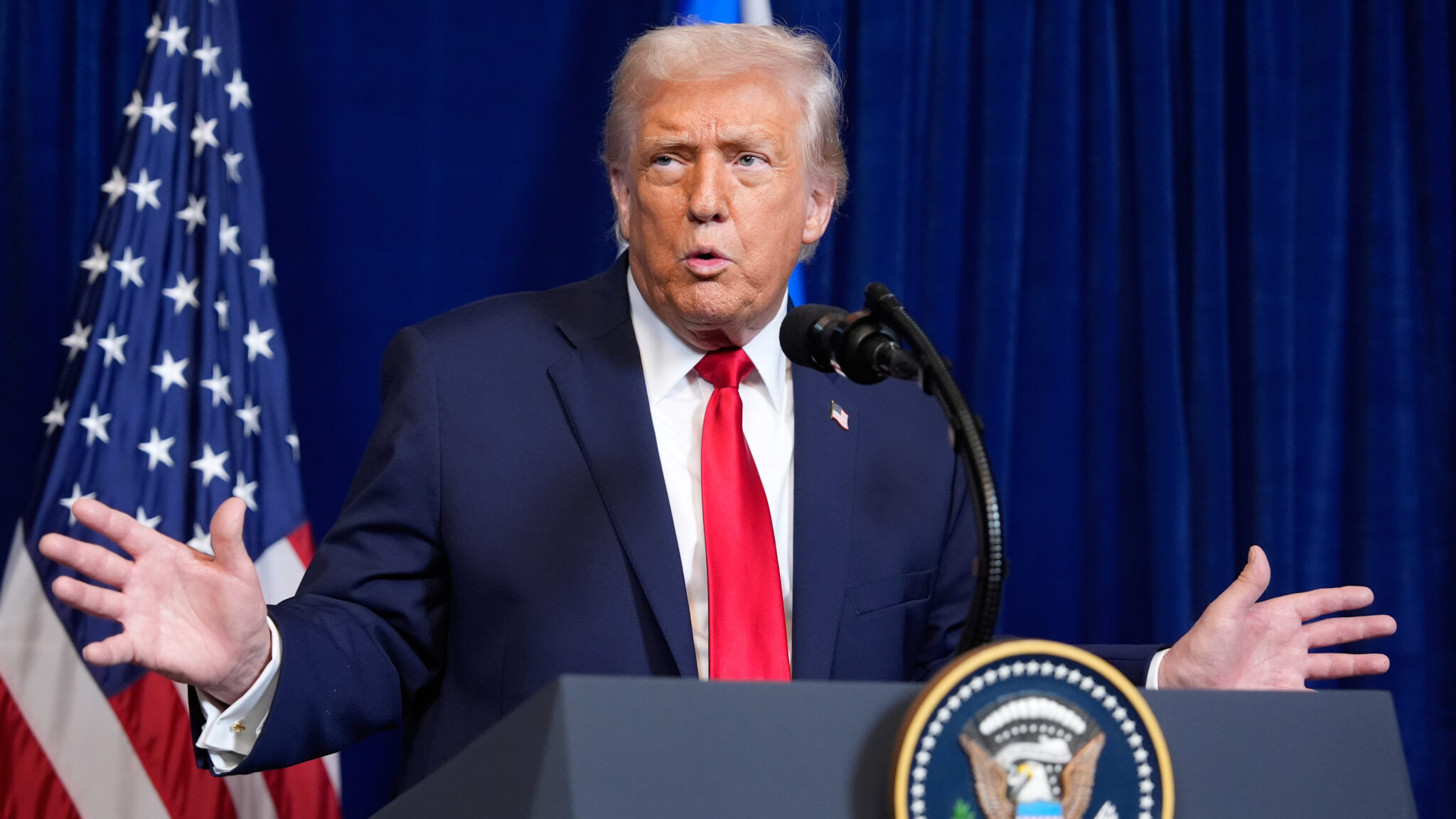
Judge Blocks Trump Freeze on $10B Child Family Aid in 5 Democratic-led States/ Newslooks/ WASHINGTON/ J. Mansour/ Morning Edition/ A federal judge temporarily blocked the Trump administration from freezing more than $10 billion in childcare and family assistance funding to five Democratic-led states. The ruling came after states argued the freeze was unlawful and based on unproven fraud allegations. The decision preserves access to critical aid programs while the lawsuit proceeds.
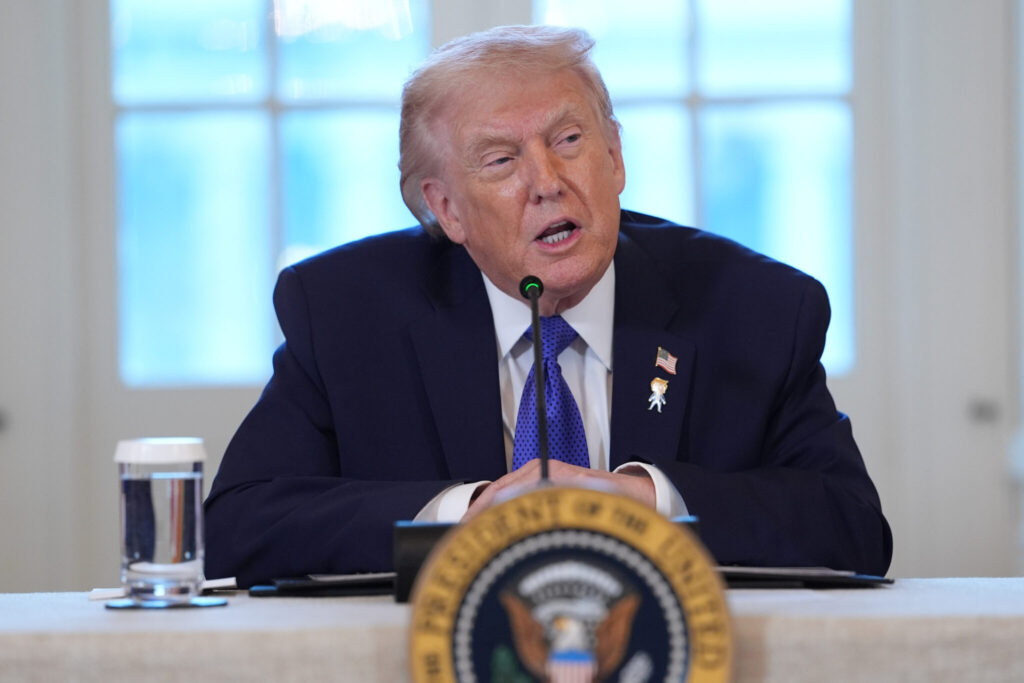
Child and Family Aid Funding Quick Looks
- Judge issues temporary order blocking $10 billion funding freeze
- Five Democratic-led states filed lawsuit against Trump administration
- Funds include childcare, family assistance, and social services programs
- Administration cited fraud concerns as justification
- States argue freeze violates congressional authority
- Judge Arun Subramanian issued the restraining order
- Programs affected include TANF and Child Care Development Fund
- Minnesota also targeted in separate federal benefit freeze
- States call fraud claims unsubstantiated and politically motivated
- Case highlights growing legal clashes over federal spending power
Judge Blocks Trump Freeze on $10B Child Family Aid in 5 Democratic-led States
Deep Look
A federal judge in New York has temporarily blocked the Trump administration from freezing more than $10 billion in federal funding intended for childcare and family assistance programs in five Democratic-led states, dealing an early legal setback to the administration’s efforts to restrict access to welfare funds over alleged fraud concerns.
U.S. District Judge Arun Subramanian issued a temporary restraining order late Friday, preventing the administration from cutting off funding to California, Colorado, Illinois, Minnesota, and New York. The judge acted on the basis of arguments laid out by the states in a lawsuit filed just hours earlier, concluding that immediate intervention was warranted to prevent potential harm.
The funding freeze was announced earlier in the week by the Department of Health and Human Services, which said it had identified what it described as widespread fraud and misuse of taxpayer dollars within welfare programs operated by the five states. The agency claimed that individuals who were not U.S. citizens or lawful permanent residents may have improperly received benefits.
The states strongly rejected those claims, arguing that the administration offered no concrete evidence to support the allegations and lacked the legal authority to halt congressionally approved funding. In their filing, the states said the freeze amounted to an unlawful power grab that bypassed Congress’ constitutional role in allocating federal money.
The blocked funds include more than $7 billion from the Temporary Assistance for Needy Families program, a core federal safety net that provides cash assistance to low-income families with children. Another $2.4 billion comes from the Child Care and Development Fund, which helps working families afford childcare. An additional $870 million supports social services programs for children and vulnerable families.
State officials warned that freezing the funds would have immediate and severe consequences, potentially disrupting childcare access, family assistance payments, and social service programs relied upon by millions of residents. They argued that even a temporary interruption could force states to scale back services or divert emergency resources.
Judge Subramanian, an appointee of former President Joe Biden, did not elaborate extensively in his order but said the temporary restraining order was justified for the reasons outlined in the states’ legal filings. The ruling prevents the administration from enforcing the freeze while the case moves forward, preserving the status quo until further court review.
The White House did not immediately respond to requests for comment following the ruling.
The lawsuit was filed late Thursday, just two days after the Department of Health and Human Services announced the funding freeze. The states accused the administration of using vague fraud allegations as a pretext to withhold funding from states led by political opponents.
In their complaint, the states said the real purpose of the freeze was to “punish perceived political enemies” by unlawfully withholding essential funding under the guise of fraud detection measures that are not authorized by statute.
The legal challenge adds to a growing number of court battles over the Trump administration’s aggressive use of executive authority to reshape federal spending priorities. Since returning to office, Trump has repeatedly sought to condition or restrict federal funding as part of broader efforts to overhaul welfare programs, immigration enforcement, and social services.
The controversy expanded further on Friday when Agriculture Secretary Brooke Rollins announced that the Department of Agriculture had also frozen certain federal benefit programs for Minnesota, citing similar fraud allegations. That move intensified scrutiny of the administration’s approach, particularly given Minnesota’s political prominence.
Minnesota Governor Tim Walz, a Democrat and former vice presidential nominee in the 2024 election, announced earlier this week that he would not seek a third term. Walz said he planned to focus on addressing a fraud scandal that has drawn federal attention, though state officials dispute the administration’s characterization of the issue.
The five states involved in the lawsuit argue that while fraud prevention is a legitimate government goal, it must be pursued through lawful processes. They maintain that federal agencies already have mechanisms to investigate and address misuse of funds without cutting off aid to millions of eligible families.
Legal experts say the case raises fundamental questions about the limits of executive power and the separation of powers between the White House and Congress. Because Congress explicitly appropriated the funds in question, courts may view unilateral efforts to freeze them as overstepping statutory authority.
For now, the temporary restraining order ensures that funding continues to flow while the court considers whether to issue a longer-term injunction. The outcome could have far-reaching implications, not only for the five states involved but also for other states that could face similar actions in the future.
If the court ultimately sides with the states, it could reinforce limits on the executive branch’s ability to suspend federal funding based on policy disputes or unproven allegations. If the administration prevails, it could embolden broader efforts to use funding freezes as a tool for enforcing federal priorities.
As the case proceeds, both sides are expected to submit additional evidence and legal arguments. The ruling marks only the opening phase of what is likely to be a closely watched legal battle over federal welfare policy, state autonomy, and the reach of presidential power.