Trump Weighs Military Response as Iran Unrest Grows/ Newslooks/ WASHINGTON/ J. Mansour/ Morning Edition/ President Trump has delayed military action against Iran despite its violent protest crackdown, citing undisclosed diplomatic messages from Tehran. More than 600 people have been killed, sparking global outrage and pressure on Trump to act. Meanwhile, the White House considers diplomatic, economic, and military options in response.
Trump Delays Strike on Iran Amid Unrest: Quick Looks
- Iran’s protest crackdown has killed over 600; thousands arrested
- Trump holds back military action, citing diplomatic signals from Tehran
- White House confirms backchannel messages from Iranian officials
- Tariffs imposed on countries doing business with Iran
- VP JD Vance and Sec. of State Rubio reviewing military options
- Special envoy Steve Witkoff assigned to handle Iran contacts
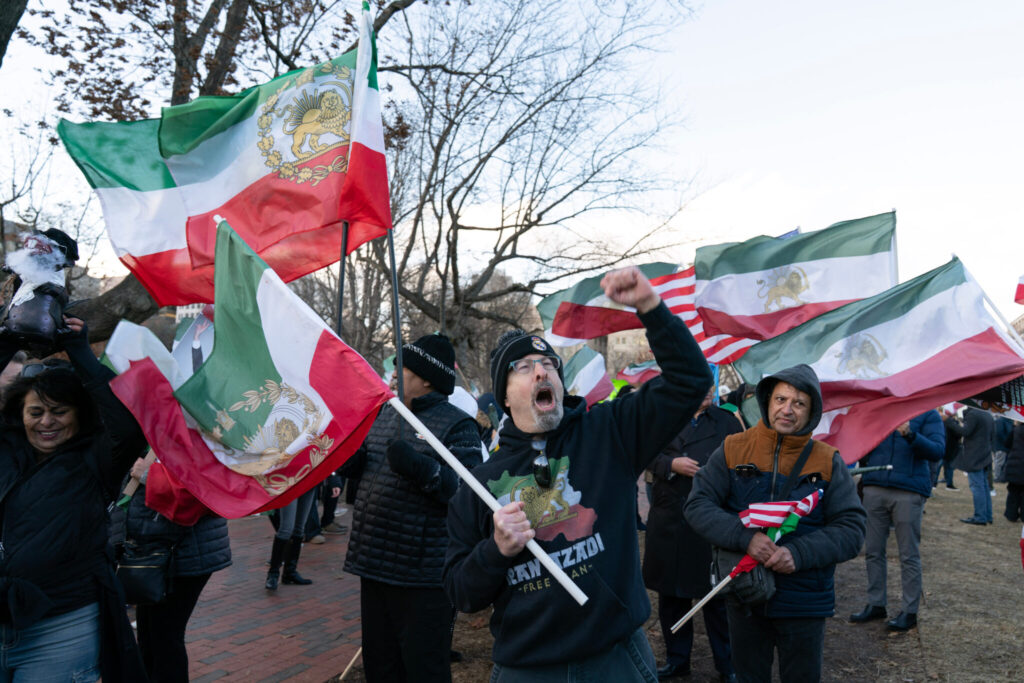
- Demonstrations erupt across Iran amid currency collapse and repression
- Trump allies call for forceful U.S. action to support protesters
- Iran warns U.S. and Israel would become “legitimate targets”
- National security team reviewing airstrikes and diplomatic strategies
Trump Weighs Military Response as Iran Unrest Grows
Deep Look
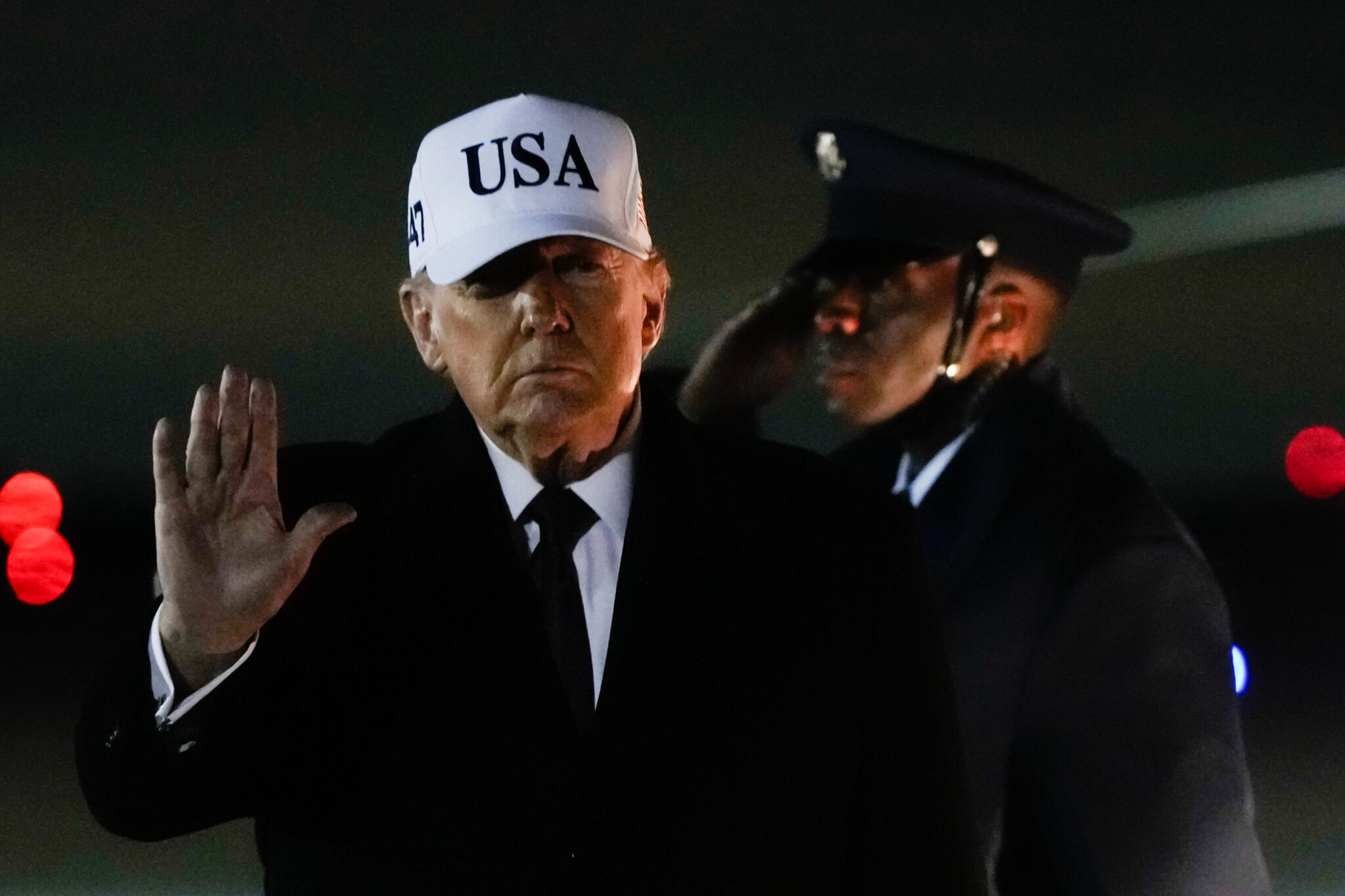
President Donald Trump is treading a high-stakes diplomatic and military line as Iran continues its brutal suppression of nationwide protests, which have resulted in the deaths of more than 600 civilians and the detention of thousands. While Trump has publicly warned Tehran against the use of deadly force, he has so far held off on authorizing military retaliation, citing confidential diplomatic outreach from Iranian officials.
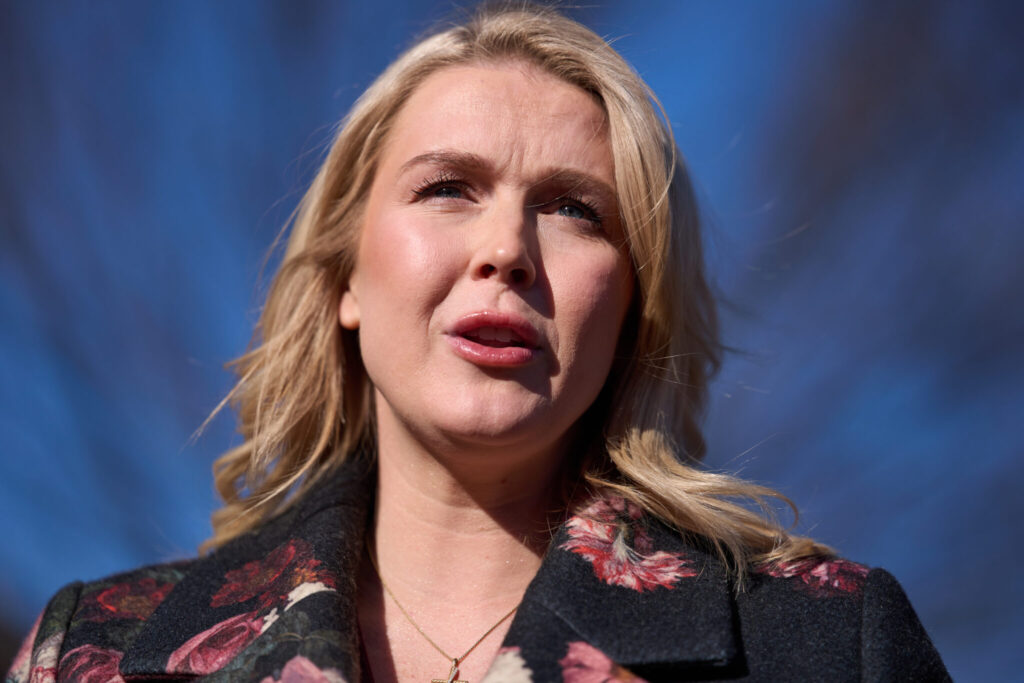
Speaking Monday, White House Press Secretary Karoline Leavitt said that while the administration is alarmed by the escalating violence, there is growing interest in exploring undisclosed messages coming from Tehran.
“What you’re hearing publicly from the Iranian regime is quite different from the messages the administration is receiving privately,” Leavitt said, indicating President Trump wants to “explore” diplomatic options before taking military action.
Still, Leavitt made clear that military force remains on the table. “The president has shown he’s unafraid to use military options if and when he deems necessary, and nobody knows that better than Iran.”
In a more immediate move, Trump announced new economic penalties via social media, imposing 25% tariffs on all countries that continue doing business with Iran, effective immediately. Targeted nations include China, Turkey, Brazil, Russia, and the United Arab Emirates. The White House declined to offer further details on enforcement mechanisms or diplomatic exceptions.
While the administration has remained vague about the nature of Tehran’s communications, White House officials confirmed that special envoy Steve Witkoff will oversee all direct and indirect contacts with Iranian counterparts.
Behind the scenes, key members of Trump’s national security team — including Vice President JD Vance, Secretary of State Marco Rubio, and top officials from the National Security Council — began meetings last Friday to compile a list of response options. These include diplomatic actions, expanded sanctions, and potential military airstrikes. A U.S. official, speaking anonymously, said a proposal package is being finalized for Trump’s review.
The urgency of the situation intensified following Trump’s remarks on Sunday evening, in which he said, “A meeting is being set up,” referring to potential talks with Iranian leaders. However, he added that military action may still be necessary beforehand: “We may have to act because of what’s happening before the meeting.”
The nationwide demonstrations in Iran began over economic hardship, including a dramatic collapse in the national currency, but have since transformed into widespread rejection of Supreme Leader Ayatollah Ali Khamenei’s authoritarian rule. Former U.S. diplomat and Iran expert Vali Nasr noted that while the protests are large and passionate, their lack of organization makes them harder to sustain.
“They are genuine eruptions of popular anger,” Nasr said, “but without leadership, they’re vulnerable to suppression.”
A severe internet blackout imposed by the Iranian government has further fragmented the protest movement, preventing coordination across cities and limiting global visibility into the full scale of the unrest.
Iranian officials have responded to the crisis with escalating threats. The country’s parliamentary speaker warned that U.S. and Israeli forces would become “legitimate targets” if Washington intervenes militarily to support Iranian protesters.
Inside the U.S., Trump faces mounting pressure from Republican allies who argue the moment is ripe for decisive action.
Sen. Lindsey Graham, R-S.C., said on social media that this is Trump’s chance to enforce the “red line” he’s previously drawn.
Referencing President Obama’s failure to act after Syria used chemical weapons, Graham said, “The only right answer here is that we act decisively to protect protesters in the street — and that we’re not Obama.”
Former House Speaker Newt Gingrich echoed those sentiments, urging Western leaders to “destroy the Iranian dictatorship at this moment of its vulnerability.” In a post on X, Gingrich warned, “In a few weeks either the dictatorship will be gone, or the Iranian people will be defeated and suppressed.”
Trump’s challenge is not only diplomatic. His foreign policy plate is increasingly full. Just days earlier, U.S. forces captured Venezuelan strongman Nicolás Maduro in a surprise raid, removing him from power. The U.S. now has a substantial military presence in the Caribbean. Additionally, the administration is working to secure the next phase of peace between Israel and Hamas in Gaza and trying to mediate a lasting end to the Russia-Ukraine war.
The growing number of global crises has complicated decision-making at the White House. Analysts say the administration is juggling competing foreign policy demands while trying to maintain maximum leverage with unpredictable adversaries.
Iran’s regime has weathered uprisings before — including the 2009 Green Movement and the 2022 “Woman, Life, Freedom” protests following the death of Mahsa Amini in police custody. Whether the current unrest will succeed in toppling the regime remains uncertain.
Behnam Ben Taleblu, an Iran expert with the Foundation for Defense of Democracies, warned against delay. “There is a fast-diminishing value to official statements by the president promising to hold the regime accountable, but then staying on the sidelines,” he said.
While Trump prides himself on keeping adversaries off-balance with unpredictability, Taleblu cautioned that “flexibility should not become a policy of inaction that preserves a regime openly hostile to America and its allies.”
As pressure mounts from all sides, Trump faces a critical choice: respond to Iran’s crackdown with force, diplomacy, or a hybrid of both — knowing each path carries risk and the potential to shape U.S.-Iran relations for years to come.