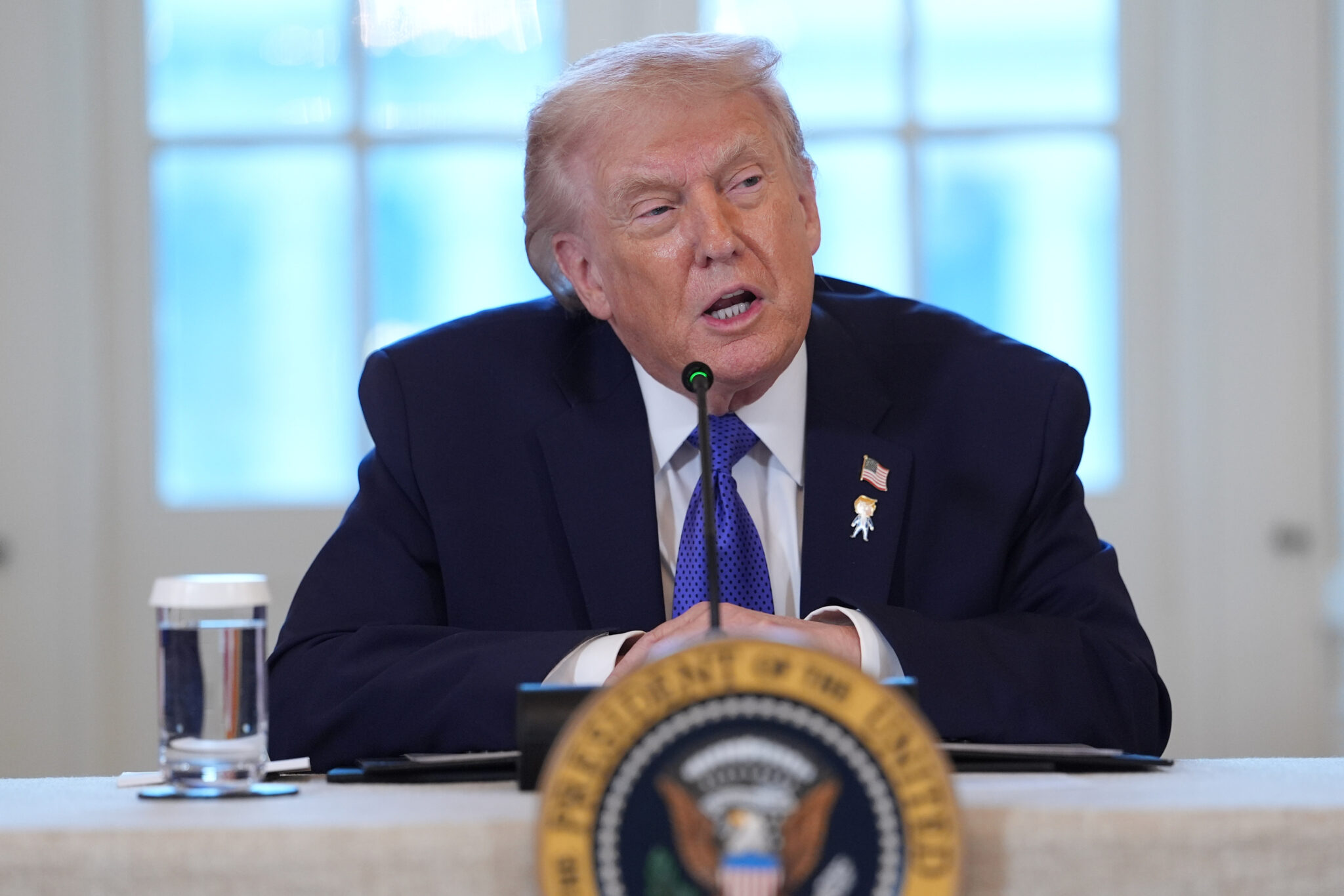
Trump Cancels Meetings with Iranians, Tells Protesters ‘Help is on its Way’/ Newslooks/ WASHINGTON/ J. Mansour/ Morning Edition/ President Donald Trump abruptly canceled planned meetings with Iranian officials as nationwide protests in Iran intensify. Calling on protesters to “take over” institutions, Trump warned the regime of consequences for violent crackdowns. The White House is considering a range of responses, from diplomacy to military action.
Trump Iran Protest Response Quick Looks
- President Trump cancels meetings with Iranian government officials
- Issues statement supporting protesters, warns regime of consequences
- Posts message: “Help is on its way” to Iranian citizens
- Warns abusers in Tehran “will pay a big price”
- Protest death toll exceeds 2,000, according to human rights monitors
- Trump shifts tone, halts potential diplomacy amid growing violence
- Considers military options if killings of protesters continue
- Announces 25% tariffs on countries doing business with Tehran
- White House signals interest in private Iranian outreach
- VP JD Vance, Secretary Rubio, security officials crafting policy options
Deep Look: Trump Cancels Meetings with Iranians, Tells Protesters ‘Help is on its Way’
WASHINGTON — President Donald Trump announced Tuesday that he has canceled all meetings with Iranian officials, shifting sharply away from possible diplomacy in response to a violent crackdown on anti-government protests in Iran. In a direct and emotionally charged social media post, Trump assured Iranian protesters that “help is on its way,” signaling a tougher U.S. stance against Tehran.
“Iranian Patriots, KEEP PROTESTING – TAKE OVER YOUR INSTITUTIONS!!!” Trump posted on Truth Social Tuesday morning. “Save the names of the killers and abusers. They will pay a big price. I have cancelled all meetings with Iranian Officials until the senseless killing of protesters STOPS. HELP IS ON ITS WAY.”
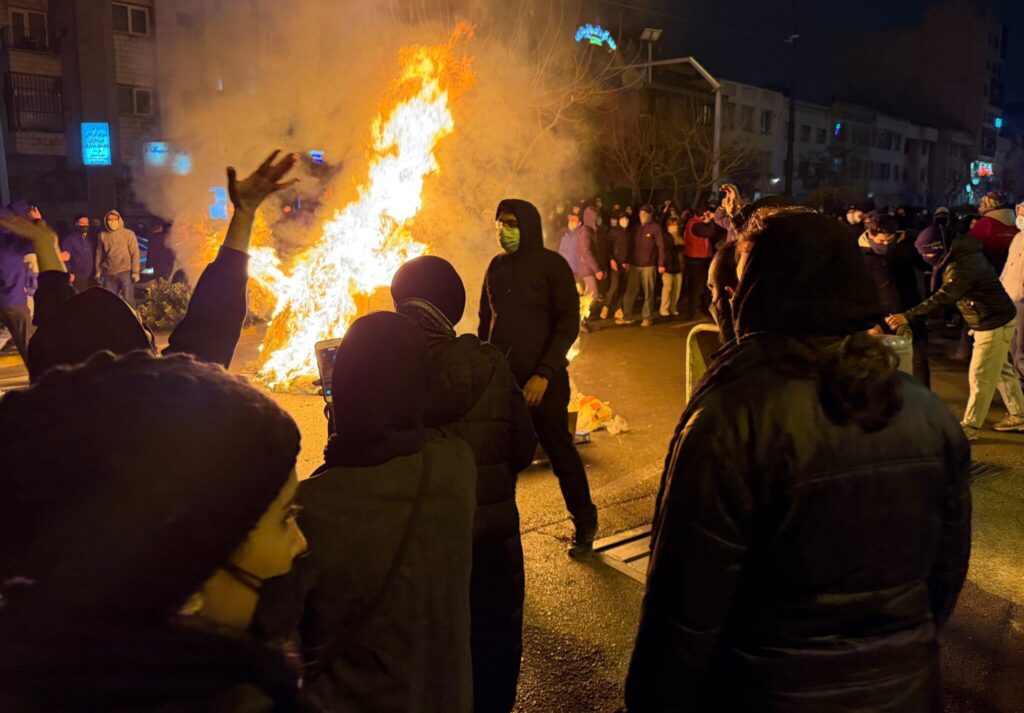
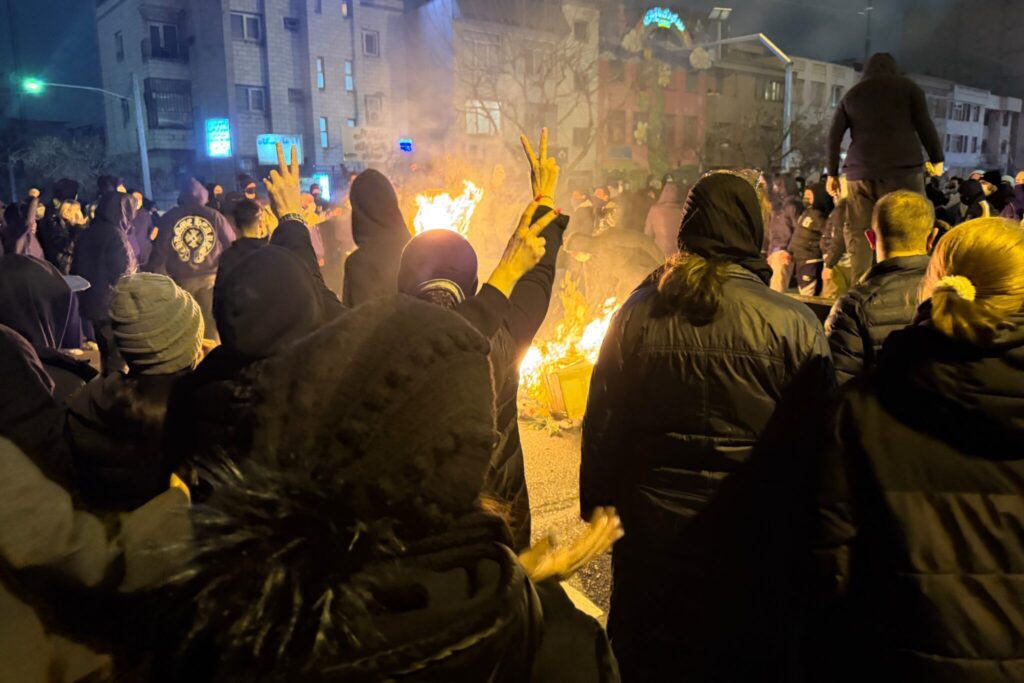
The declaration comes as human rights monitors report over 2,000 protester deaths amid ongoing clashes across Iran. Protesters have taken to the streets following allegations of government abuse, corruption, and violent repression of dissent, sparking one of the largest uprisings in the country in recent years.
Trump’s message represents a clear departure from his earlier tone this week, in which he suggested Iran was signaling a willingness to negotiate. On Sunday, Trump told reporters he believed Iran was “starting to cross” a red line and hinted at “very strong options” under consideration by his national security team.
Behind the scenes, the administration had expressed cautious optimism about the potential for renewed dialogue. White House press secretary Karoline Leavitt on Monday acknowledged that Iran’s private communications to the U.S. differed significantly from its public rhetoric.
“What you’re hearing publicly from the Iranian regime is quite different from the messages the administration is receiving privately,” Leavitt said. “However, with that said, the president has shown he’s unafraid to use military options if and when he deems necessary, and nobody knows that better than Iran.”
The White House’s tone darkened Tuesday with Trump’s social media post, in which he aligned himself explicitly with anti-regime demonstrators and condemned the use of lethal force. His statement was a warning not just to Iranian leadership but to those carrying out violence on the ground.
Also this week, Trump moved to ratchet up economic pressure on Tehran. On Monday, he announced a new 25% tariff targeting countries that continue to conduct business with Iran. While no formal directive has been released, Trump claimed the tariffs would be “effective immediately.” Nations likely to be impacted include China, the United Arab Emirates, Turkey, Brazil, and Russia — all of which maintain varying degrees of economic ties to Iran.
The move raises questions about enforcement and potential fallout in the global trade arena, especially as some of those countries are U.S. trade partners or geopolitical rivals.
In response to the fast-moving developments, Vice President JD Vance, Secretary of State Marco Rubio, and senior officials from the White House National Security Council convened late last week to develop a coordinated policy approach. Options reportedly range from diplomatic overtures to targeted military strikes, depending on Iran’s next steps.
U.S. intelligence and defense leaders are also reportedly monitoring the situation closely for signs of escalation. According to administration insiders, the president has instructed advisors to prioritize “maximum support” for Iranian demonstrators while continuing to pressure the regime economically and diplomatically.
Trump has long taken a hard stance on Iran, pulling the U.S. out of the Obama-era nuclear deal during his first term and applying successive rounds of sanctions. His return to office in 2025 renewed speculation about whether the administration would resume direct confrontation with Tehran.
The latest developments come amid growing unrest within Iran, where ordinary citizens are defying the regime despite significant personal risk. The protests, sparked by a mixture of political repression, economic hardship, and generational frustration, have now drawn international attention and triggered a fresh wave of U.S. involvement.
While Trump has not detailed what form the promised “help” will take, his language suggests a combination of moral support, strategic pressure, and possible intervention if violence escalates further.
What remains unclear is whether Iran will respond with further suppression or consider backchannel negotiations to avoid direct conflict. For now, Trump has closed the door on formal talks, signaling a wait-and-see approach contingent on developments inside Iran.