DOJ Withholds Civil Rights Review In Minneapolis ICE Killing, Prosecutors Resign/ Newslooks/ WASHINGTON/ J. Mansour/ Morning Edition/ The Justice Department will not open a civil rights investigation into the fatal shooting of Renee Good by an ICE officer in Minneapolis. The decision has triggered criticism, mass resignations, and raised concerns of political interference. Civil rights advocates and Minnesota leaders are demanding greater transparency and accountability.
Minnesota ICE Shooting Investigation Quick Looks
- DOJ says no grounds for civil rights probe in Minneapolis ICE shooting
- Renee Good was killed during an ICE encounter; officer claims self-defense
- Civil Rights Division excluded from investigation amid ongoing FBI review
- Half a dozen Minnesota federal prosecutors have resigned
- First Assistant U.S. Attorney Joseph Thompson among key resignations
- DOJ says early retirements were planned, denies political pressure
- Local officials accuse federal authorities of blocking state investigation
- Public and legal community raise concerns over transparency, accountability
- Past administrations opened such probes more promptly
- Case adds to scrutiny over Trump administration’s Justice Department priorities

Deep Look: DOJ Withholds Civil Rights Review In Minneapolis ICE Killing, Prosecutors Resign
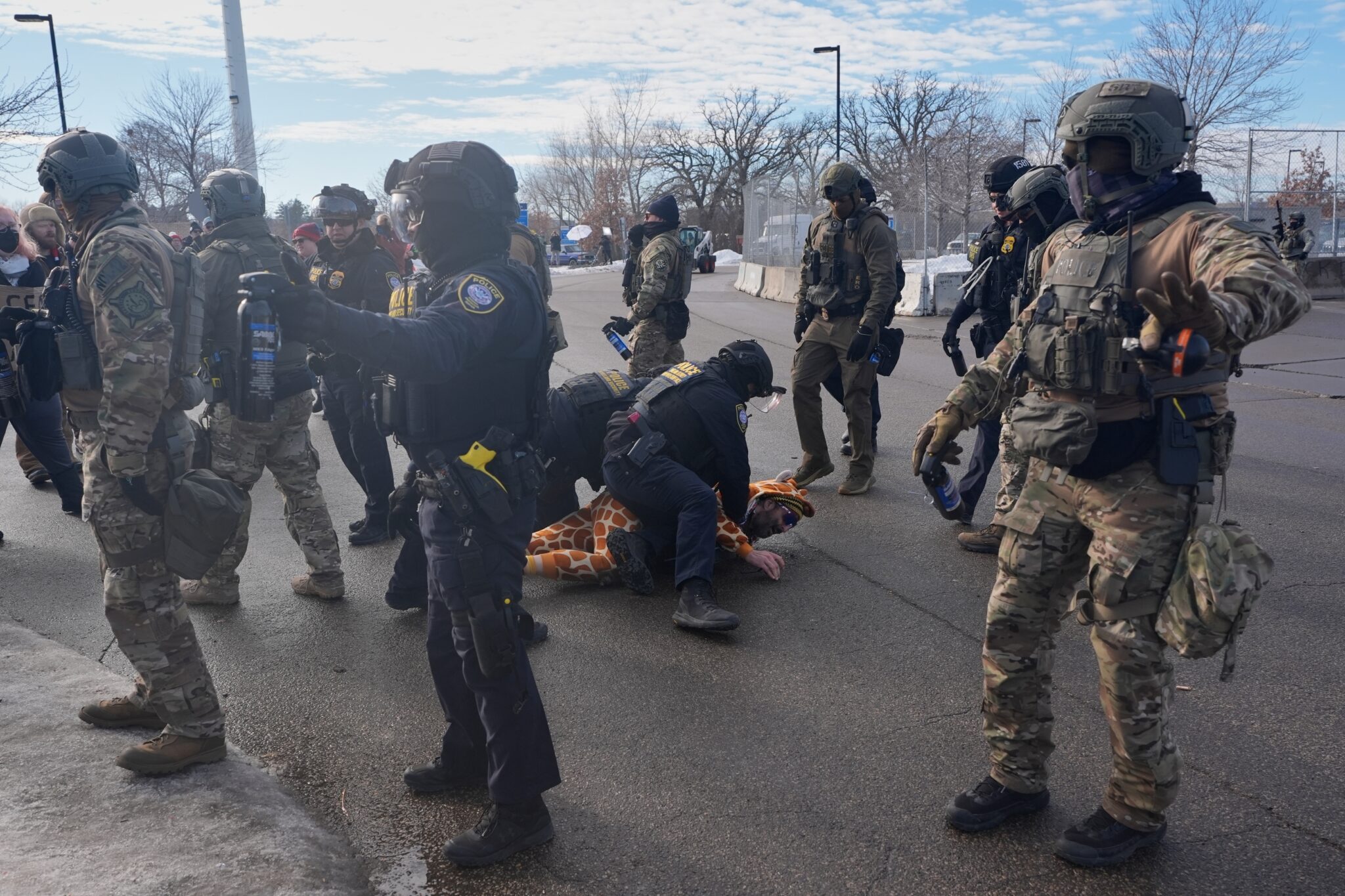
WASHINGTON — The Justice Department has decided it will not open a civil rights investigation into the fatal shooting of Renee Good, a Minnesota woman killed by a U.S. Immigration and Customs Enforcement officer in Minneapolis, according to a top official.
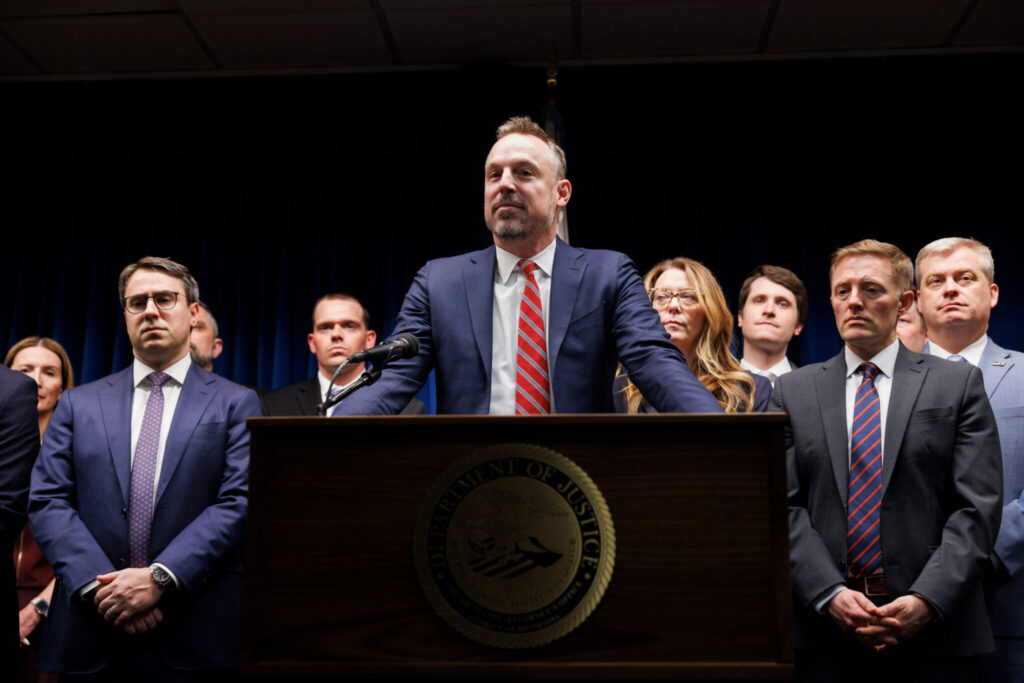
The announcement, made Tuesday by Deputy Attorney General Todd Blanche, marks a significant shift from previous federal practices. In recent administrations, the Civil Rights Division routinely launched independent reviews of law enforcement shootings that raised public concern or questions over excessive force.
Blanche stated plainly: “There is currently no basis for a criminal civil rights investigation.” The department did not provide further explanation regarding how that determination was made, despite an ongoing FBI investigation into the incident.
Sources familiar with internal deliberations told the Associated Press that the Civil Rights Division had been notified the previous week that it would not be involved in the case — effectively sidelining the nation’s top federal office for investigating alleged civil rights abuses by law enforcement.
Federal officials have publicly stated that the ICE officer acted in self-defense, asserting that Good, who was driving a Honda at the time of the incident, was engaged in what they called “an act of domestic terrorism” by advancing toward the officer.
However, this early conclusion — made before any comprehensive investigation was completed — has drawn intense criticism. Civil rights advocates, legal experts, and Minnesota state officials have questioned the Justice Department’s commitment to transparency and impartiality.
Minnesota authorities have also been blocked from accessing key evidence. Federal officials reportedly informed state investigators that Minnesota does not have jurisdiction over the federal officer’s actions — a move that further limits independent scrutiny of the case.
Adding to the unrest, a wave of resignations has hit the Justice Department. At least six federal prosecutors in Minnesota have resigned, including First Assistant U.S. Attorney Joseph Thompson, who had been leading major fraud and public corruption cases. Four other senior prosecutors from the Minnesota U.S. attorney’s office stepped down in the days following the Justice Department’s decision.
Resignations have also rocked the Civil Rights Division in Washington, D.C., where several supervisors, including the chief of the division’s criminal section, gave notice. The timing of these exits has led to speculation about political interference and a broader exodus of DOJ personnel under pressure.
According to the Justice Department, the resignations were unrelated to the Minnesota case. A spokesperson claimed the departures were part of a pre-approved early retirement program initiated before the shooting. “Any suggestion to the contrary is false,” the department said in a written statement.
Still, the exits underscore rising tension within the department. In the past year alone, hundreds of DOJ attorneys have either resigned or been terminated — many citing policy changes or politicization of the department under President Trump’s second term.
Minnesota’s Democratic leaders expressed alarm over the recent developments.
Sen. Amy Klobuchar, a member of the Senate Judiciary Committee, called the resignations “a loss for our state and for public safety,” warning that prosecutions must not be dictated by political calculations. Gov. Tim Walz said the resignations raise “serious concerns” about the DOJ’s independence.
Former Civil Rights Division head Kristen Clarke, who served under the Biden administration, said the decision not to investigate “erodes public trust.” Clarke emphasized the importance of having a neutral, federal presence in cases where local law enforcement actions come under scrutiny.
“The level of grief, tension, and anxiety on the ground in Minnesota is not surprising,” Clarke said. “Historically, the federal government has played an important role by being a neutral and impartial agency committing its resources to conducting a full and fair investigation.”
Indeed, the Civil Rights Division has a long history — dating back nearly 70 years — of stepping in to ensure impartial review in police shootings, even though criminal prosecutions under federal civil rights statutes are notoriously difficult to pursue.
For instance, during the first Trump administration, the DOJ launched a civil rights probe into the 2020 death of George Floyd. Later, under the Biden administration, the department opened a separate “pattern or practice” investigation into the Minneapolis Police Department, examining systemic violations of civil rights.
But such initiatives appear to have fallen out of favor under the current DOJ leadership.
The case of Renee Good has reignited debate over how — and when — the federal government should intervene in cases involving use of force by federal officers. With mounting political and public pressure, it remains unclear whether the Justice Department’s current stance will hold or face future legal challenges.