FBI Raids Home of Washington Post Journalist in Classified Docs Probe/ Newslooks/ WASHINGTON/ J. Mansour/ Morning Edition/ FBI agents searched Washington Post reporter Hannah Natanson’s home in a classified leak probe. Authorities seized her phone and a Garmin watch, escalating the Trump administration’s crackdown on leaks. The search is linked to a Maryland contractor charged with mishandling secret documents.
FBI Raid on Reporter’s Home Quick Look
- Who Was Targeted: Hannah Natanson, Washington Post journalist
- What Happened: FBI searched her Virginia home Wednesday
- Items Seized: Phone and Garmin watch
- Why: Probe into classified info leak tied to contractor
- Key Figure: Contractor Aurelio Perez-Lugones, accused of mishandling top-secret data
- Documents Found: “SECRET” reports, one in a lunchbox
- DOJ Statement: Trump admin won’t tolerate classified leaks
- Legal Shift: New rules allow warrants against journalists
- Pentagon’s Role: Allegedly initiated request for the search
- Post’s Reaction: Monitoring situation, reviewing legal options
Deep Look
FBI Searches Washington Post Reporter’s Home in Classified Documents Leak Probe
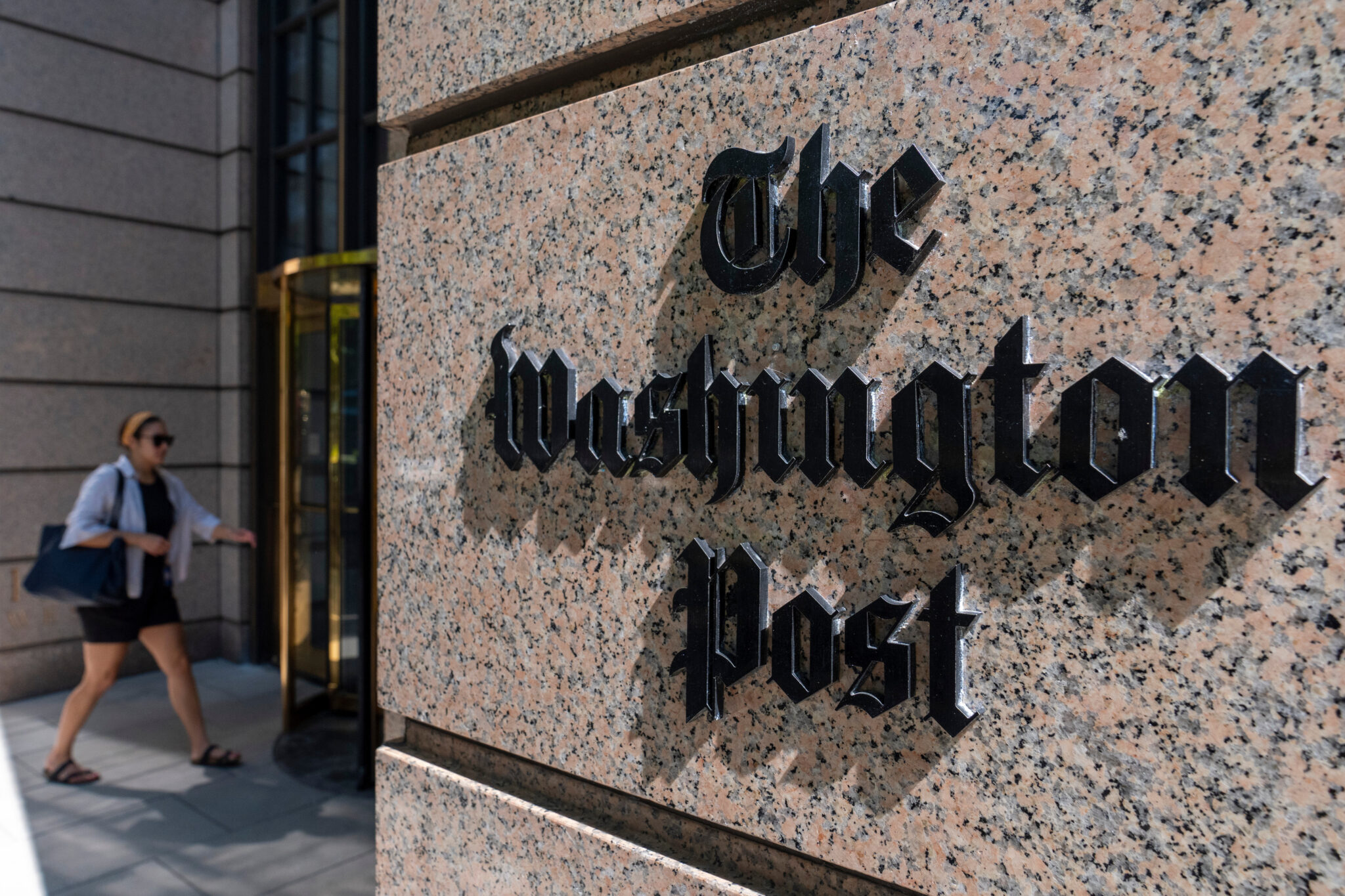
In a sweeping escalation of the Trump administration’s pursuit of leakers, FBI agents searched the home of Washington Post reporter Hannah Natanson on Wednesday as part of an investigation into a government contractor accused of mishandling classified documents, the newspaper reported.
The search, conducted at Natanson’s Virginia residence, resulted in the seizure of her phone and a Garmin watch, according to the Post. Natanson, who has covered the Trump administration’s overhaul of the federal bureaucracy, recently gained attention for cultivating hundreds of insider sources—earning her the nickname “the federal government whisperer” among colleagues.
While investigations into the mishandling of classified information are not uncommon, the direct targeting of a journalist’s private property represents a significant shift in tactics, raising alarm within the media and free press circles.
According to a federal affidavit obtained by the Washington Post, the search is tied to an ongoing criminal investigation involving Aurelio Perez-Lugones, a system administrator based in Maryland. The 38-year-old, who held a top-secret clearance, has been charged with unlawful retention of national defense information after allegedly printing and storing sensitive documents at his home and in his car.
During a recent raid of Perez-Lugones’s property, agents reportedly recovered several documents marked “SECRET,” including one discovered inside a lunchbox. Authorities suspect Perez-Lugones shared or transferred the materials, which potentially led to Natanson’s exclusive reporting.
Attorney General Pam Bondi, speaking on behalf of the administration, defended the FBI’s action, stating that the search was initiated at the request of the Pentagon. In a post on X (formerly Twitter), she said, “The Trump administration will not tolerate illegal leaks of classified information that, when reported, pose a grave risk to our national security and to the brave men and women serving our country.”
The Justice Department declined to comment further on the investigation. The FBI also refused to issue a statement, citing ongoing legal proceedings.
In a brief statement, The Washington Post said it is monitoring the situation and reviewing all legal options in response to the FBI’s actions. The newspaper emphasized its commitment to press freedom and the protection of its journalists.
This development is the latest in a series of aggressive actions by the Trump administration to stem unauthorized disclosures of sensitive government information. In April, Bondi reversed a Biden-era policy that had placed limits on the Justice Department’s ability to secretly seize journalists’ records.
The revised guidelines now permit prosecutors to obtain subpoenas, court orders, and search warrants targeting reporters during leak investigations—a move sharply criticized by press freedom organizations.
Critics argue that such policies could chill investigative journalism and further erode the trust between reporters and their sources, especially in an era marked by political polarization and expanding executive power.
The Washington Post, along with other major media outlets, has faced increasing pressure from federal authorities in recent years, as leaks from whistleblowers and insiders have fueled high-profile reporting on defense, intelligence, and the inner workings of the Trump administration.
Though the outcome of the current investigation remains uncertain, the case involving Perez-Lugones may serve as a test case for how far the administration is willing to go to pursue journalists indirectly connected to classified sources.
For now, Natanson has not been charged with any wrongdoing, and the extent of her involvement—if any—in the alleged leak remains unclear. But the FBI’s direct action signals that the lines between national security enforcement and press protections may be redrawn in the current political climate.