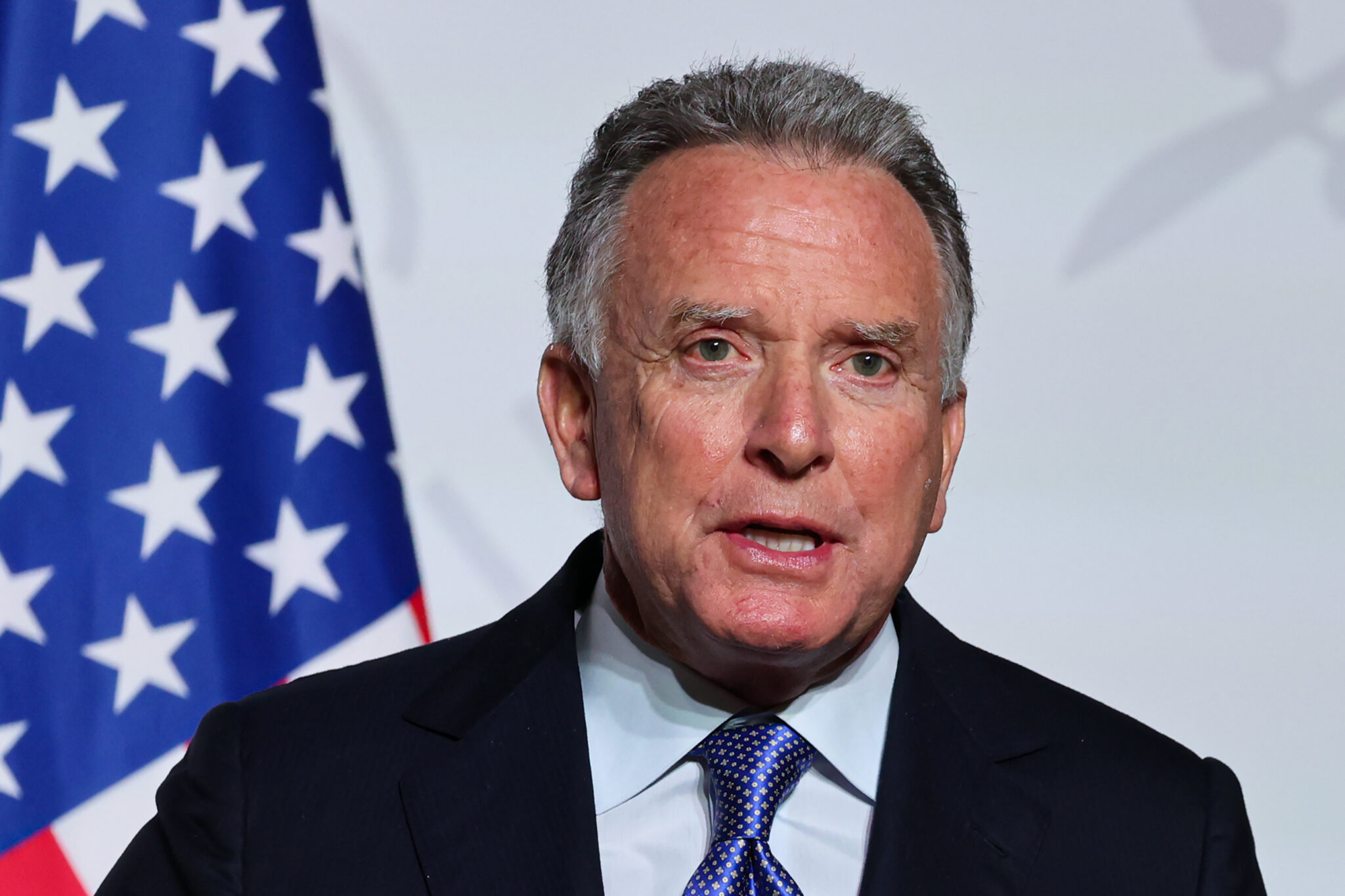
Witkoff: Trump-Brokered Gaza Peace Deal Advances to Next Phase/ Newslooks/ WASHINGTON/ J. Mansour/ Morning Edition/ The Trump administration says Gaza is entering phase two of a U.S.-brokered ceasefire plan. The next step includes disarming Hamas and installing a U.S.-supervised technocratic government. Major obstacles remain, including reconstruction, security deployment, and uncertain leadership appointments.
Gaza Ceasefire Plan Quick Looks
- Gaza enters phase two of Trump-brokered ceasefire deal
- U.S. envoy Steve Witkoff announces next steps via X
- Plan includes disarming Hamas and rebuilding Gaza
- Technocratic Palestinian government to be formed under U.S. supervision
- Hamas expected to return final hostage per agreement terms
- Trump-led “Board of Peace” to oversee transitional governance
- UN estimates $50 billion needed for Gaza reconstruction
- Appointees for the new government and board remain unnamed
Deep Look: Witkoff: Trump-Brokered Gaza Peace Deal Advances to Next Phase
WASHINGTON (AP) — The Trump administration on Wednesday announced that Gaza has entered the second phase of a U.S.-brokered ceasefire plan that aims to end years of violent conflict between Israel and Hamas. The announcement was made by presidential envoy Steve Witkoff, who shared an update on social media platform X, stating that this phase will focus on disarming Hamas, rebuilding the war-torn territory, and installing a new technocratic administration in Gaza under American supervision.
The ceasefire agreement, negotiated under President Donald Trump’s 20-point peace framework, initially took effect in October after two years of intense warfare. While the deal dramatically reduced active fighting, the path forward remains fraught with complexity. The next phase of implementation seeks to solidify gains made under the first stage and transition Gaza into a period of political and infrastructural recovery.
Witkoff confirmed that the U.S. expects Hamas to meet its remaining obligation under the deal: the return of the final dead hostage. During the first phase, Hamas had released all other hostages in exchange for the release of hundreds of Palestinian prisoners held by Israel.
Despite the announcement, the Trump administration has provided few concrete details about how the new governance in Gaza will function. Witkoff did not disclose who would serve on the transitional Palestinian leadership team, which is expected to form a technocratic committee to manage daily affairs in Gaza. Additionally, no information has been provided on the identities of members of the “Board of Peace,” the Trump-led body that will supervise the committee’s work.
This technocratic committee is a centerpiece of a broader U.S. plan aimed at ending Hamas’ 18-year control over the Gaza Strip. The group’s responsibilities will include managing basic services, maintaining civil order, and overseeing the early stages of Gaza’s massive reconstruction effort — all while navigating the political sensitivities of working under American oversight.
However, the challenges ahead are significant. Among the most pressing is the disarmament of Hamas, a process that would require cooperation from the militant group and potentially involve the deployment of an international peacekeeping or security force to enforce the ceasefire on the ground. No details about such a force or its composition have yet been released.
Another major obstacle is Gaza’s shattered infrastructure. Years of conflict, blockade, and political isolation have left roads, hospitals, utilities, and homes in ruins. The United Nations estimates that rebuilding Gaza will require at least $50 billion, a staggering figure that underscores the scale of destruction and the long-term investment needed. Yet, so far, financial pledges from international donors have been minimal, and timelines for reconstruction remain vague.
Moreover, questions remain about how the new administration will operate under American supervision, especially in a region deeply skeptical of U.S. intentions. The lack of transparency around the selection of the committee and oversight board has raised eyebrows among regional analysts and international observers, many of whom worry that the plan could falter without broader Palestinian buy-in or support from neighboring states.
Despite these uncertainties, the announcement marks a potential milestone in the ongoing efforts to stabilize Gaza. The ceasefire, though fragile, has so far held, and the reduction in violence has allowed humanitarian efforts to resume in parts of the territory. However, sustainable peace will likely depend on the successful formation of the technocratic administration and meaningful progress toward long-term governance, security, and economic revitalization.
For now, the world waits to see how the Trump-brokered initiative will unfold as Gaza attempts to emerge from nearly two decades of isolation and war.