ICE Officer Shoots Man in Minneapolis Arrest Clash/ Newslooks/ WASHINGTON/ J. Mansour/ Morning Edition/ A federal officer shot a man in the leg during an attempted arrest in Minneapolis after being attacked, officials say. The city remains tense following Renee Good’s death by ICE, sparking protests and legal challenges. Federal crackdowns continue amid mounting criticism and resignations.
Minneapolis ICE Clash Quick Looks
- ICE officer shoots man allegedly attacking with shovel, broom handle
- DHS says officer acted in self-defense during chaotic arrest
- Incident occurred amid ongoing protests after Renee Good’s death
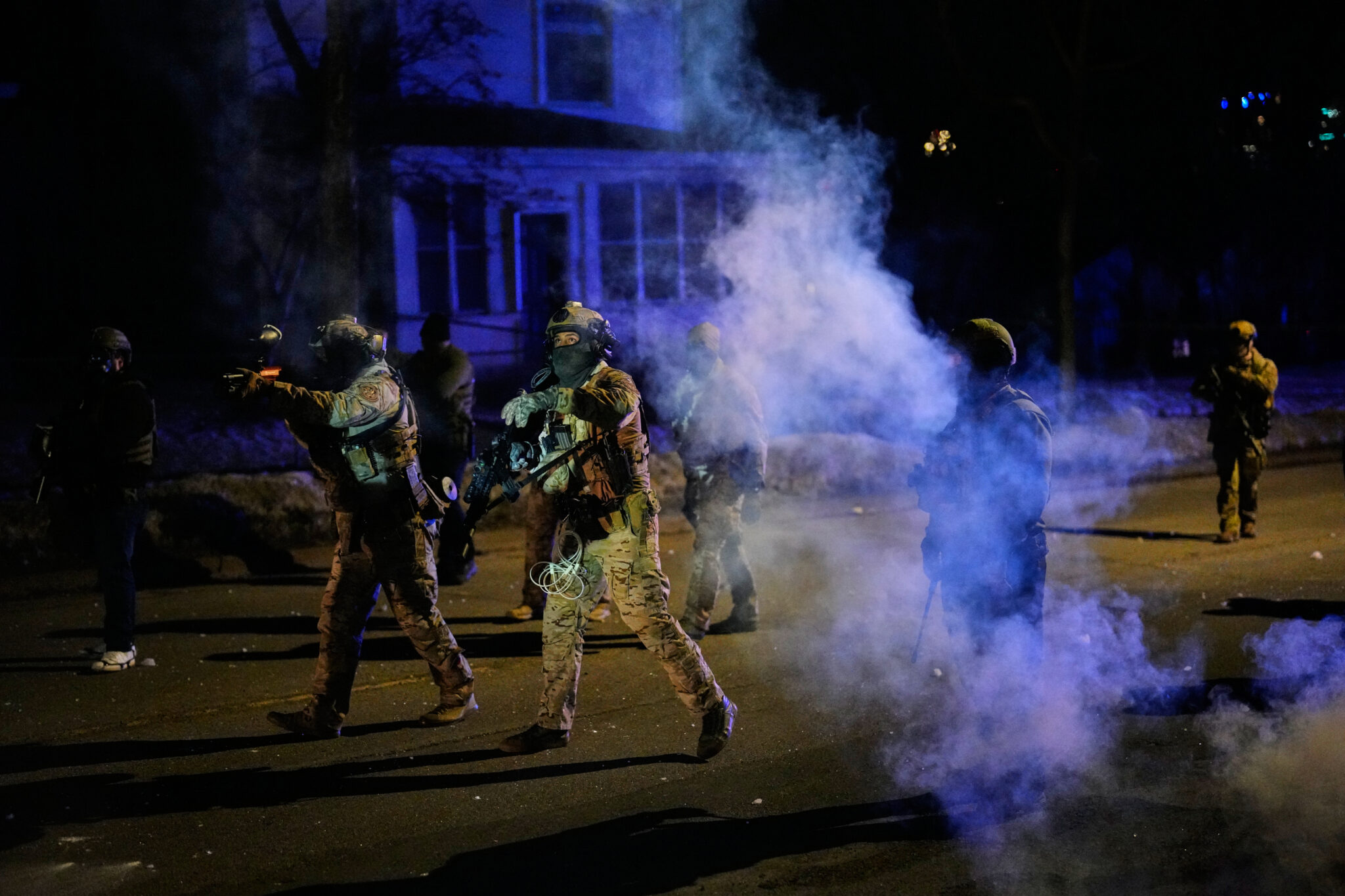
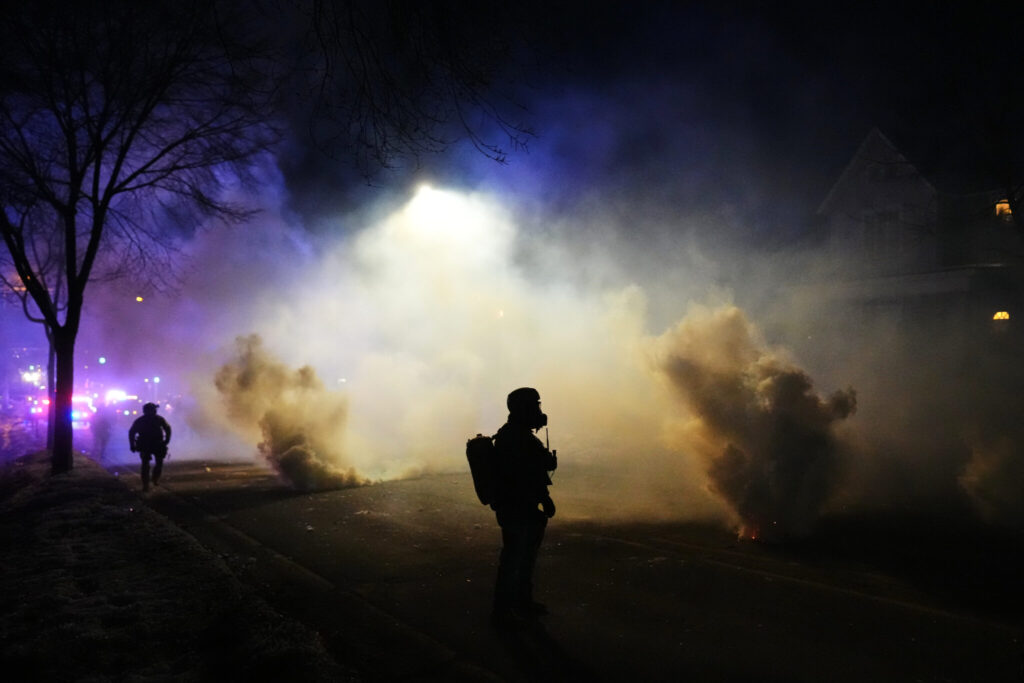
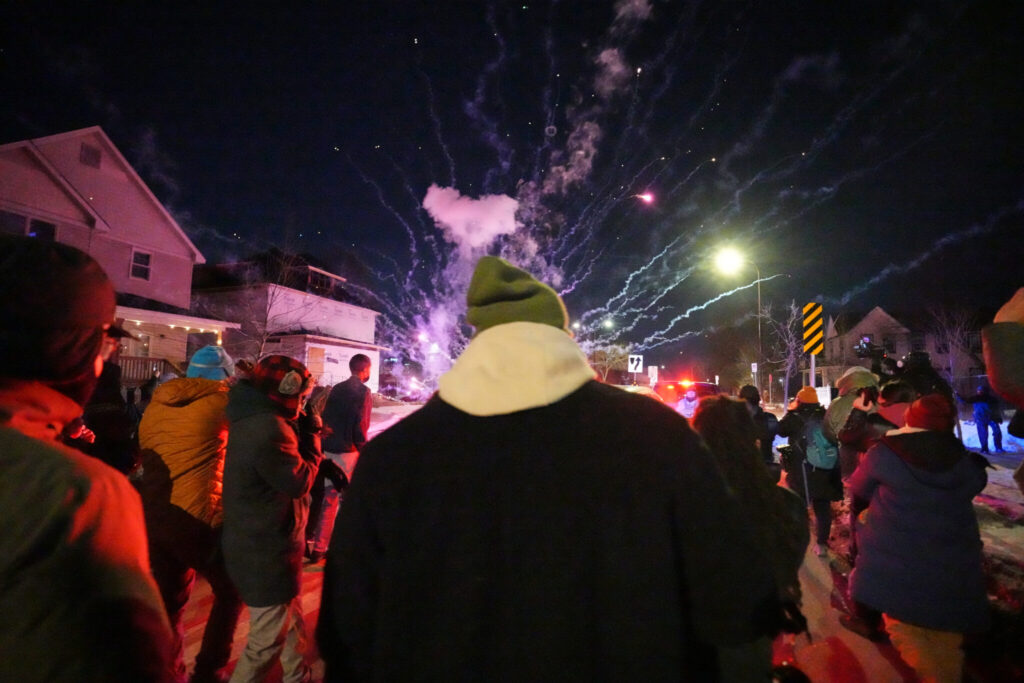
- Tear gas used as federal agents clash with protesters in streets
- Trump administration expands immigration enforcement and legal presence in Minnesota
- Judge delays ruling in lawsuits challenging crackdown and federal force
- Pentagon mobilizing military lawyers to support DHS operations
- Officer who killed Good suffered internal bleeding, DHS confirms
- Good’s family hires George Floyd legal team for independent investigation
- Students across Minnesota protest federal immigration presence
Deep Look: ICE Officer Shoots Man in Minneapolis Arrest Clash
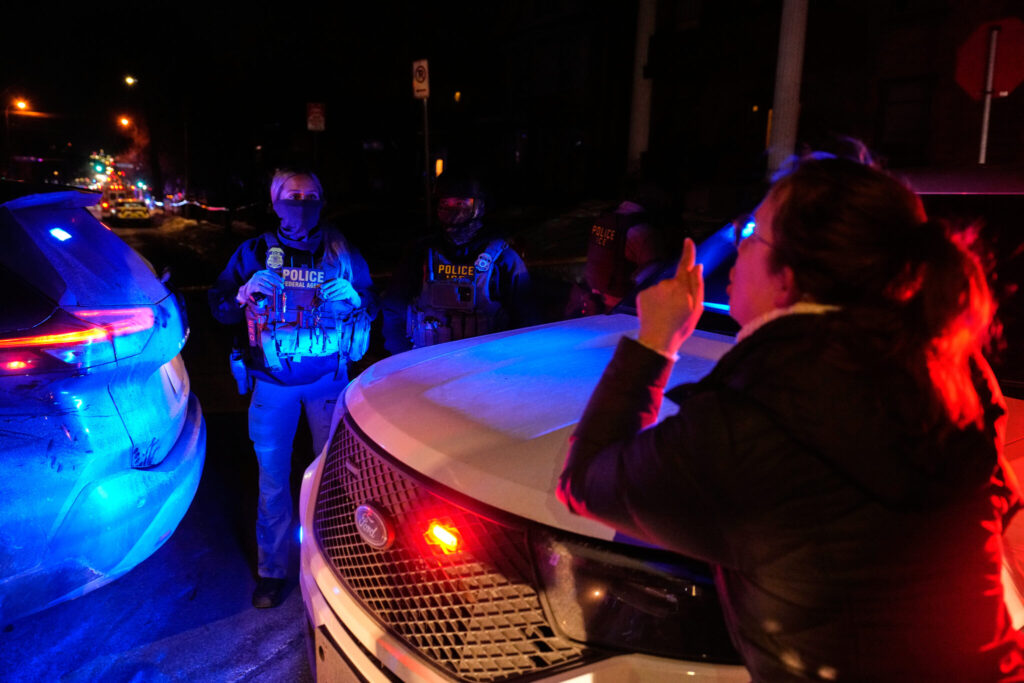
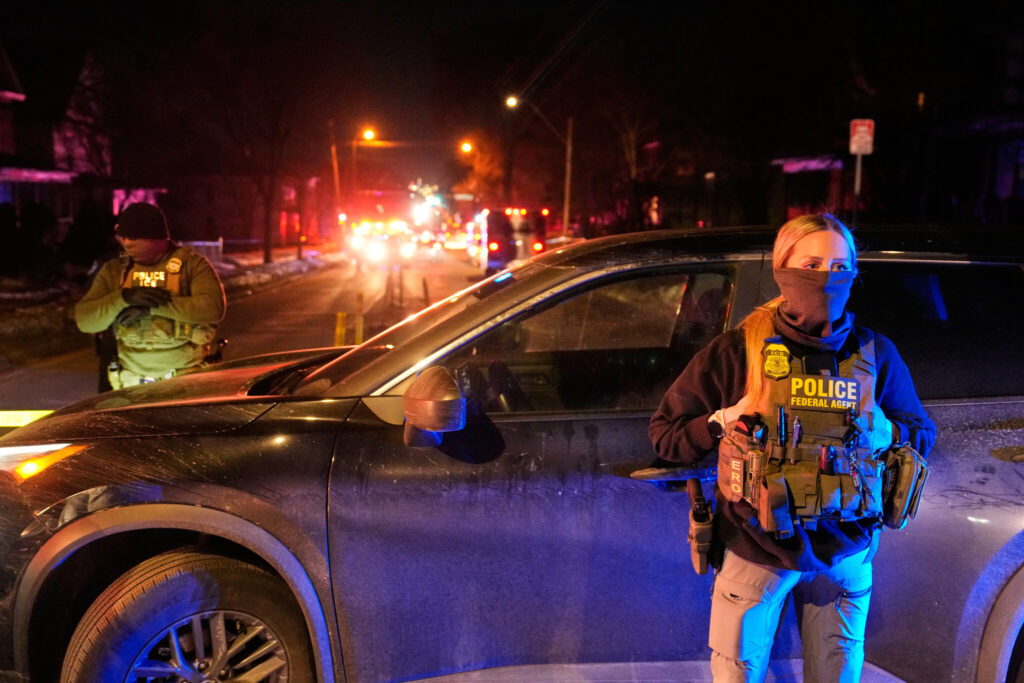
MINNEAPOLIS (AP) — Federal immigration enforcement in Minnesota erupted into new violence Wednesday when a federal officer shot a man in the leg during an arrest in Minneapolis, officials said. The Department of Homeland Security (DHS) reported the shooting happened after the officer was attacked with a shovel and broom handle during the attempted apprehension of a man from Venezuela, who DHS said was in the U.S. illegally.
According to DHS, the man tried to flee arrest, crashing his vehicle into a parked car before fleeing on foot. When federal officers caught up, two others emerged from a nearby apartment and allegedly began attacking the officer. DHS claimed the officer fired his weapon in self-defense while being ambushed by three individuals. Two of the alleged attackers were taken into custody.
The city of Minneapolis confirmed that the man shot is in stable condition with non-life-threatening injuries. “We understand there is anger,” the city posted on social media. “We ask the public to remain calm.”
This latest confrontation unfolded just 4.5 miles from the site where federal agents fatally shot Renee Good on January 7, triggering widespread protests, legal challenges, and political fallout. The streets of Minneapolis have been consumed by civil unrest ever since, with protesters clashing with federal agents who have deployed tear gas, grenades, and mass arrest tactics.
Videos from Wednesday’s confrontation show heavily armed officers in gas masks firing into a small crowd while protesters responded by chanting and throwing snowballs. The incident escalated a volatile environment already reeling from Good’s killing.
Federal Crackdown Sparks Legal Battles
Earlier in the day, a federal court in Minnesota heard arguments in a lawsuit filed by the state and the cities of Minneapolis and St. Paul seeking to halt the Trump administration’s immigration crackdown. Assistant Attorney General Brian Carter urged the court to issue a pause, warning that the situation “defies belief” and that “the temperature needs to be lowered.”
U.S. District Judge Katherine Menendez declined to issue an immediate restraining order but pledged to keep the matter “on the front burner.” The Justice Department now has until Monday to respond formally. Menendez is also presiding over a related case that challenges the tactics federal agents have used against protest observers and demonstrators.
Governor Tim Walz, in a statewide address, condemned the crackdown as “a campaign of organized brutality” and called for accountability. “This long ago stopped being a matter of immigration enforcement,” Walz said. “This is about the federal government’s use of force against our communities.”
Military Lawyers to Assist Federal Prosecutions
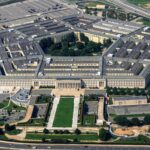
As protests continue, the Trump administration is doubling down on legal infrastructure in Minnesota. The Pentagon, under Defense Secretary Pete Hegseth, is preparing to deploy 25 military lawyers, or JAG officers, to Minneapolis to serve as special assistant U.S. attorneys in immigration-related cases. This follows a similar deployment to Memphis last week.
A Pentagon spokesperson posted a confirmation on X, stating the military is “proud to support” the Justice Department. Critics, however, fear the move is draining legal resources from military personnel who also rely on JAG support.
“There are not many JAGs but there are over one million members of the military, and they all need legal support,” said Mark Nevitt, a law professor and former Navy JAG.
Updates in Renee Good Case
As Minneapolis reels, new information has emerged regarding ICE officer Jonathan Ross, who shot and killed Renee Good. A Homeland Security official confirmed Ross suffered internal bleeding during the encounter, though DHS has not disclosed how or when it was diagnosed. Ross, a military veteran and longtime deportation officer, has not publicly commented on the case.
Bystander video shows officers surrounding Good’s vehicle on a snowy street. After repeated commands to exit the SUV, the vehicle begins moving forward. Ross, standing in front of it, fires multiple rounds. Good’s vehicle collided with other cars, and she died on the scene.
Homeland Security Secretary Kristi Noem defended Ross, claiming Good used her SUV as a weapon and struck the agent — a narrative challenged by Minnesota officials. Mayor Jacob Frey and Governor Walz have both called the incident unjustified, and protesters have demanded Ross’s arrest.
Romanucci & Blandin, the civil rights law firm that secured the $27 million settlement for George Floyd’s family, is now representing Good’s partner, Becca Good, as well as her family. The firm is conducting its own investigation and criticized the lack of transparency from federal authorities.
“They do not want her used as a political pawn,” the firm said in a statement. “But rather as an agent of peace for all.”
Youth Protests and Rising Tensions
Public anger continues to mount. In St. Paul, hundreds of high school students staged walkouts, carrying signs reading “Love Melts ICE” and “DE-ICE MN” as they marched in freezing weather to the state Capitol.
At the University of Minnesota, administrators warned students that campus disruptions may affect the beginning of the term. In a message to more than 50,000 students, University President Rebecca Cunningham said that “violence and protests have come to our doorstep.”
The university borders one of the city’s largest Somali neighborhoods — a community directly impacted by the immigration raids and increasingly vocal in opposing federal enforcement.
With protests widening and federal resources intensifying, Minneapolis remains a flashpoint in a national debate over immigration, civil rights, and federal power. As court cases unfold and public resistance grows, the events of January 7 and beyond continue to reshape the political and legal landscape in Minnesota.