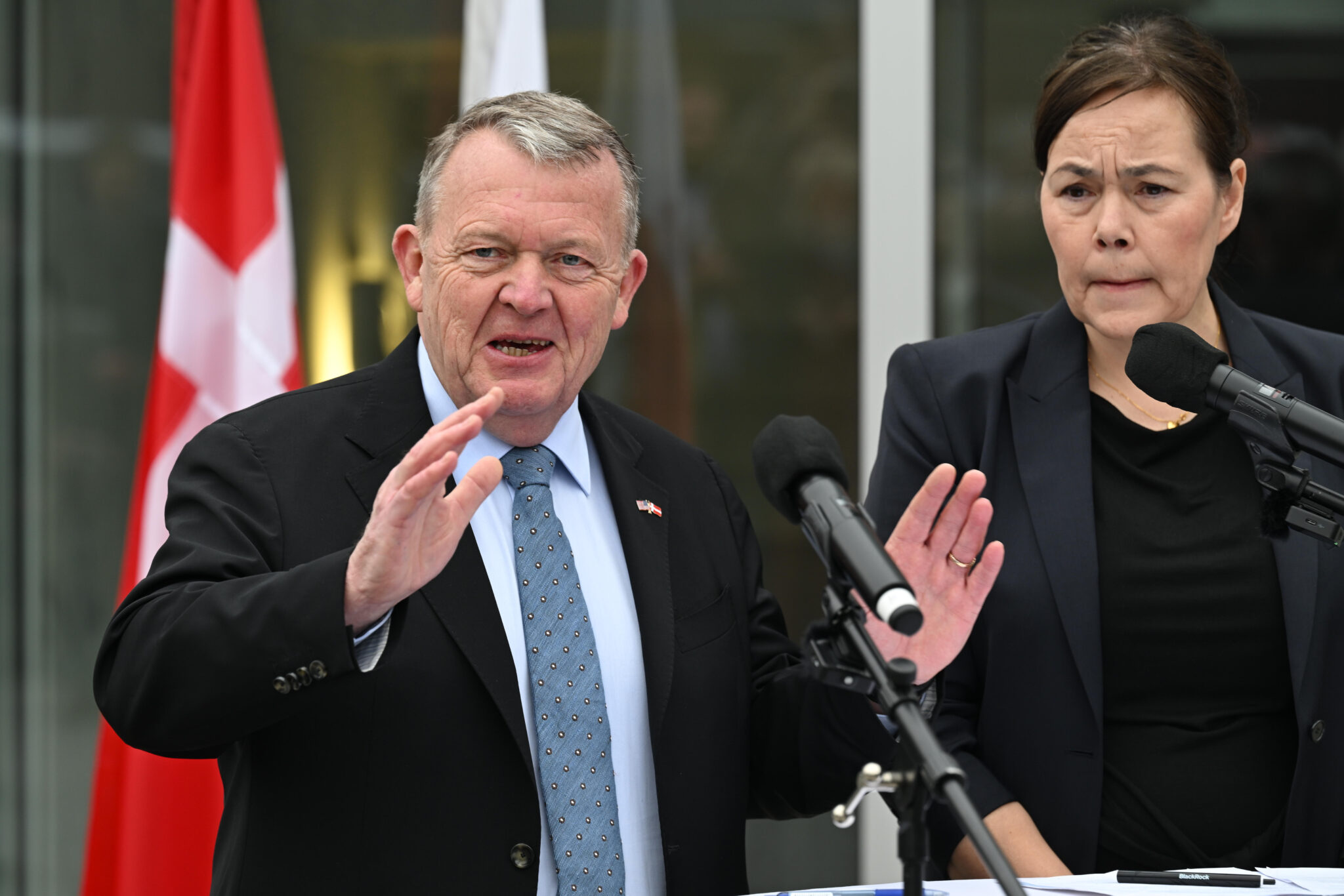
European Troops Arrive in Greenland Amid U.S. Tensions/ Newslooks/ WASHINGTON/ J. Mansour/ Morning Edition/ European allies sent troops to Greenland in a united show of support for Denmark amid mounting tensions with the U.S. over the island’s future. Denmark and Greenland oppose President Trump’s interest in acquiring the territory. Despite a diplomatic breakthrough, key disagreements remain unresolved.
Greenland Defense Talks Quick Looks
- Denmark ramps up military presence in Greenland to counter U.S. ambitions.
- Troops from France, Germany, UK, Sweden, Norway, and the Netherlands deployed.
- NATO presence framed as deterrence against Russian and Chinese Arctic interests.
- Trump administration still seeks influence or control over Greenland.
- Greenland and Denmark emphasize the island is not for sale or governance change.
- A U.S.-Denmark working group will attempt to bridge differences diplomatically.
- Locals support European troop arrivals, fearing U.S. overreach.
- Russia criticizes NATO’s Arctic military buildup as antagonistic.
Deep Look
Greenland Tensions Rise as European Troops Arrive to Counter U.S. Pressure
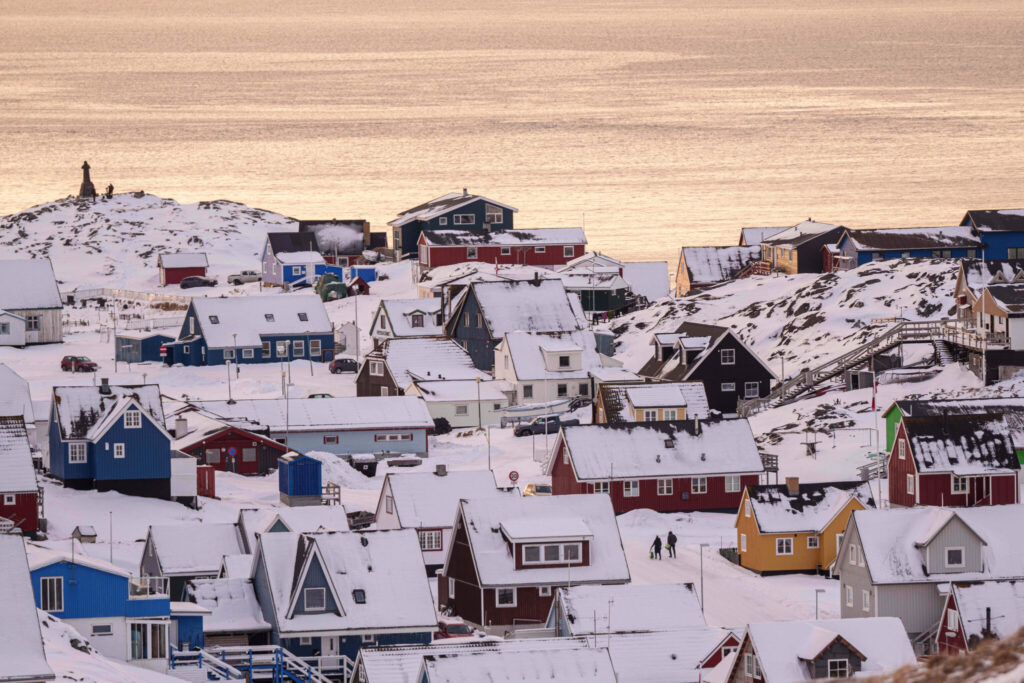
NUUK, Greenland — The geopolitical spotlight on Greenland intensified Thursday as troops from several European nations arrived on the Arctic island, signaling solidarity with Denmark in opposition to President Donald Trump’s aspirations to expand U.S. influence—or even control—over the region. The move underscores rising tensions in the Arctic, a region increasingly seen as critical to global security, energy resources, and international diplomacy.
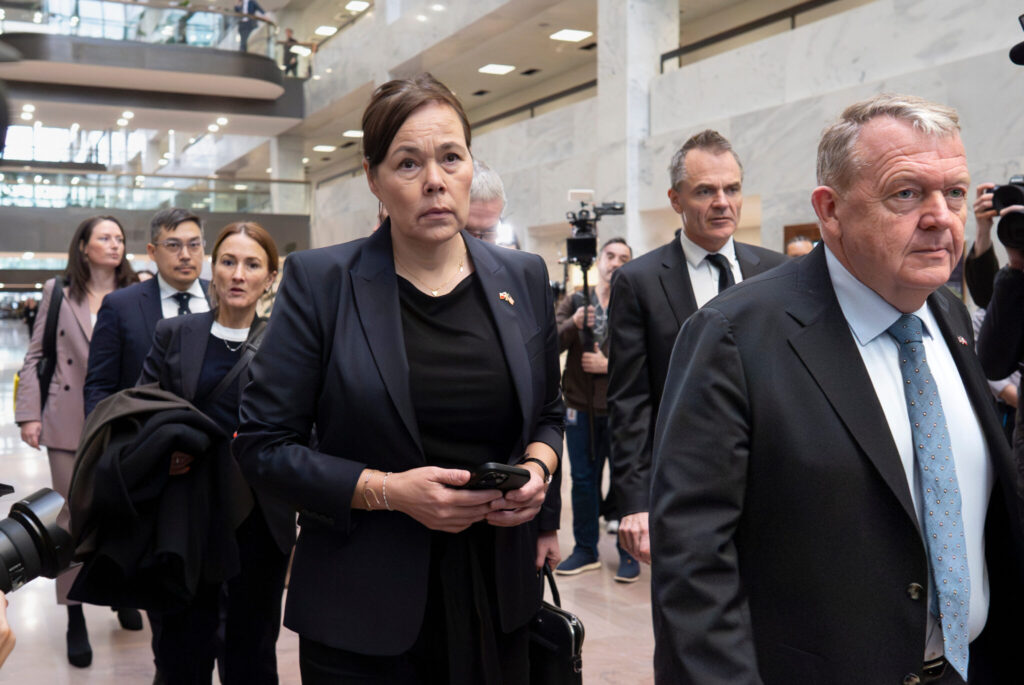
As part of an evolving standoff, Denmark announced an increase in its military presence on Greenland. The move was timed alongside a trilateral diplomatic effort in Washington between Denmark, Greenland, and U.S. officials. Those talks, however, revealed what Danish Foreign Minister Lars Løkke Rasmussen called a “fundamental disagreement” with President Trump over Greenland’s future.
In a bid to present a united European front, Denmark was joined by symbolic troop deployments from France, Germany, the United Kingdom, Norway, Sweden, and the Netherlands. French President Emmanuel Macron confirmed Wednesday that the first wave of French troops—specifically, mountain infantry—had already reached Nuuk. Germany followed suit with a 13-person reconnaissance team, while other NATO allies pledged to rotate troops in and out in the coming weeks.
Danish Defense Minister Troels Lund Poulsen emphasized the strategic importance of this enhanced presence. “We are committed to building a permanent military capability in Greenland,” he said, calling it a “necessity” in light of unpredictable global threats.
U.S. Ambitions and Greenland’s Resistance
The heart of the dispute lies in President Trump’s continued interest in acquiring or controlling Greenland—an idea he floated during his previous term and has since revived. Despite the firm stance from both Denmark and Greenland rejecting any sale or transfer of governance, the Trump administration remains undeterred.
Greenland’s Prime Minister Jens-Frederik Nielsen offered a categorical rejection: “Greenland is not for sale. We do not want to be owned or governed by the United States.”
That message was echoed by many in Nuuk, the capital, where residents expressed both anxiety and guarded optimism. Maya Martinsen, a 21-year-old local, said she found it “comforting” to see European forces arrive.
“This is about our resources—our oil and minerals—not just about security,” she said.
The Bigger Picture: Arctic Strategy and Global Players
The Arctic’s growing strategic importance is clear. As ice melts and new shipping lanes open, the area is drawing interest from Russia, China, and now the U.S. The enhanced European troop presence, while small in number, sends a clear political message: Greenland is not alone.
Still, the deployments have drawn international criticism. The Russian embassy in Brussels condemned the West’s move, calling it part of “bellicose plans” and accusing NATO of fabricating threats to justify a military buildup.
“Russia maintains that the Arctic should remain a space for peace and cooperation,” the embassy said in a statement.
Diplomacy: A Working Group Emerges
Despite the contentious tone, there were signs of diplomatic movement. The Danish and Greenlandic delegations met with U.S. Vice President JD Vance and Secretary of State Marco Rubio at the White House. While little was resolved, the sides agreed to establish a bilateral working group focused on navigating U.S. security interests and Denmark’s sovereignty concerns.
Rasmussen noted that the group’s primary aim would be to address U.S. worries “while respecting Denmark’s red lines.” Defense Minister Poulsen cautiously called it “a step in the right direction,” although he warned that “the danger has not passed.”
Danish Prime Minister Mette Frederiksen acknowledged that U.S. interest in Greenland remains strong but welcomed the start of a formal dialogue process.
For pro-independence voices in Greenland, the opportunity to be directly involved in discussions was a breakthrough.
Juno Berthelsen, a lawmaker with the Naleraq party, said, “The diplomatic dialogue has begun, and that’s what matters most to Greenlanders.”
He proposed a potential area for constructive cooperation: the creation of a Greenlandic coastguard with U.S. funding and training—a project that could boost local employment and regional security simultaneously.
The Arctic Equation
Although NATO has not formally coordinated the troop movements, it is reportedly assessing ways to increase its Arctic footprint. For now, NATO officials are deferring inquiries to Danish authorities, underscoring the nuanced political dynamics at play.
Back in Copenhagen, citizens like 38-year-old Line McGee expressed cautious optimism. “I don’t think the threat is gone,” she said. “But I feel slightly better than I did yesterday.”
Meanwhile, President Trump remained noncommittal. “We’ll see how it all works out,” he told reporters in the Oval Office. “I think something will work out.”
As the Arctic transforms from a frozen frontier into a strategic flashpoint, Greenland is at the center of a global power play. And for now, it appears the island’s people, and their European allies, intend to hold their ground.