Trump Threatens Countries with Tariffs for Not Backing US Control of Greenland/ Newslooks/ WASHINGTON/ J. Mansour/ Morning Edition/ President Donald Trump suggested Friday that countries refusing to support U.S. control over Greenland could face punitive tariffs. The remarks come amid heightened tensions with Denmark and Greenland, where leaders reject the idea of U.S. ownership. Congressional leaders visiting Copenhagen sought to ease diplomatic strain and reinforce long-standing alliances.
Greenland Dispute Quick Looks
- Trump hints at tariffs for nations opposing U.S. control of Greenland
- U.S. has increased pressure on Denmark, Greenland over Arctic territory
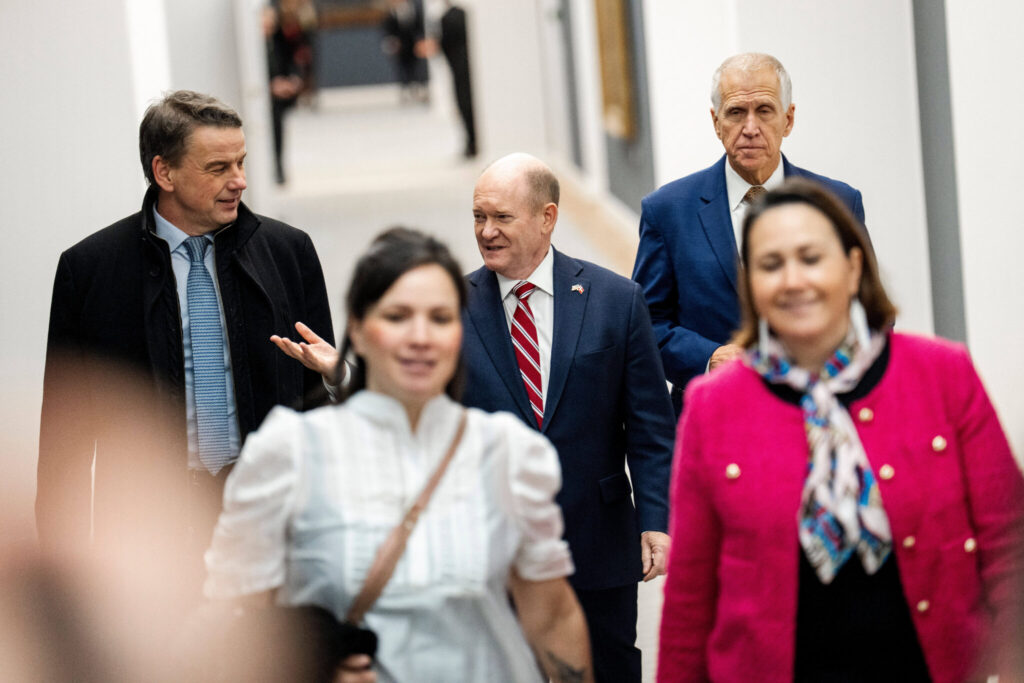
- Bipartisan U.S. lawmakers visit Copenhagen to ease tensions
- Greenland’s leaders firmly back Denmark, NATO, and the EU
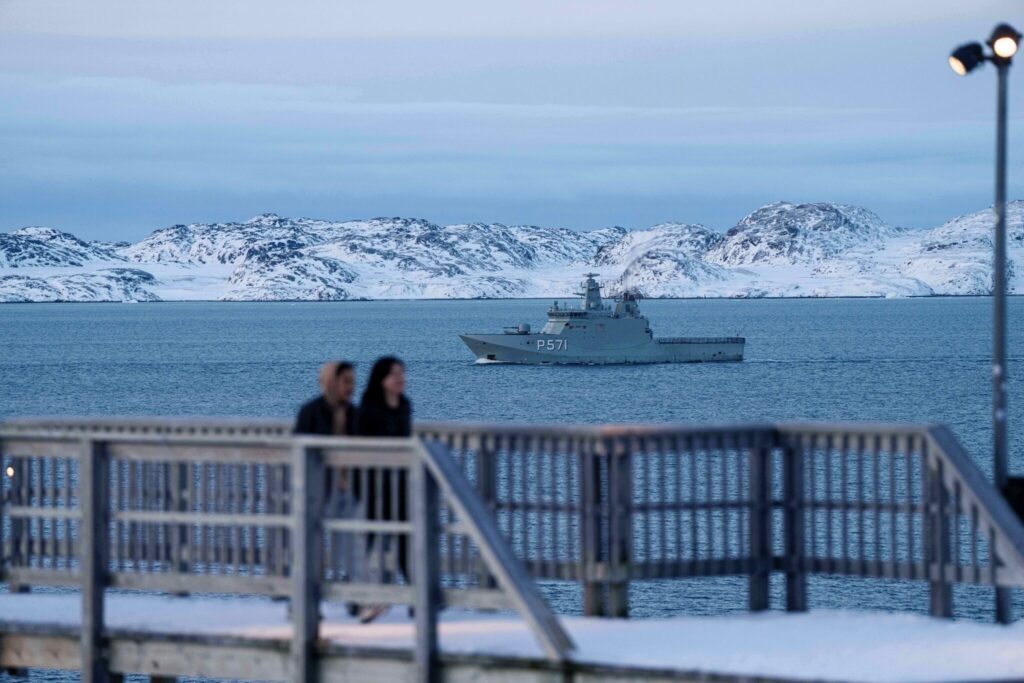
- Denmark increases military presence in Greenland amid rising tensions
- Inuit leaders condemn U.S. stance as colonial and disrespectful
- Congress members introduce bill to block any forced acquisition of NATO land
- Trump claims Greenland vital to national security, cites Russian and Chinese interest
Deep Look: Trump Threatens Countries with Tariffs for Not Backing US Control of Greenland
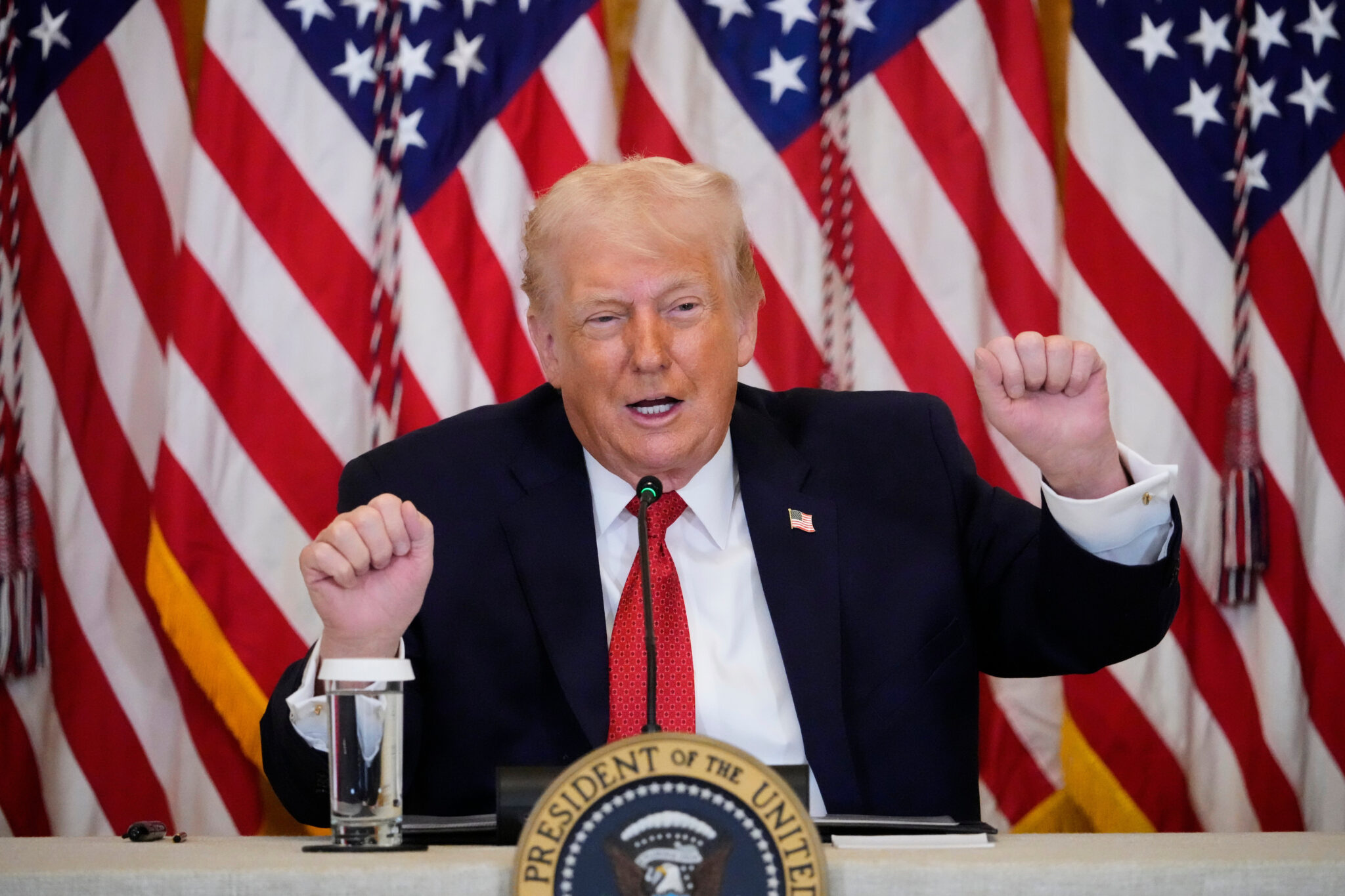
U.S. President Donald Trump intensified his push for American control over Greenland on Friday, warning that countries refusing to support the move may face new tariffs — a dramatic escalation in a diplomatic standoff that has already strained ties with key allies in Europe.
Speaking during an unrelated White House event on rural healthcare, Trump revisited his controversial claim that Greenland is essential to U.S. national security. He recalled threatening tariffs on European pharmaceuticals and suggested a similar tactic could apply to Greenland’s future.
“I may put a tariff on countries if they don’t go along with Greenland, because we need Greenland for national security,” Trump said. “So I may do that.”
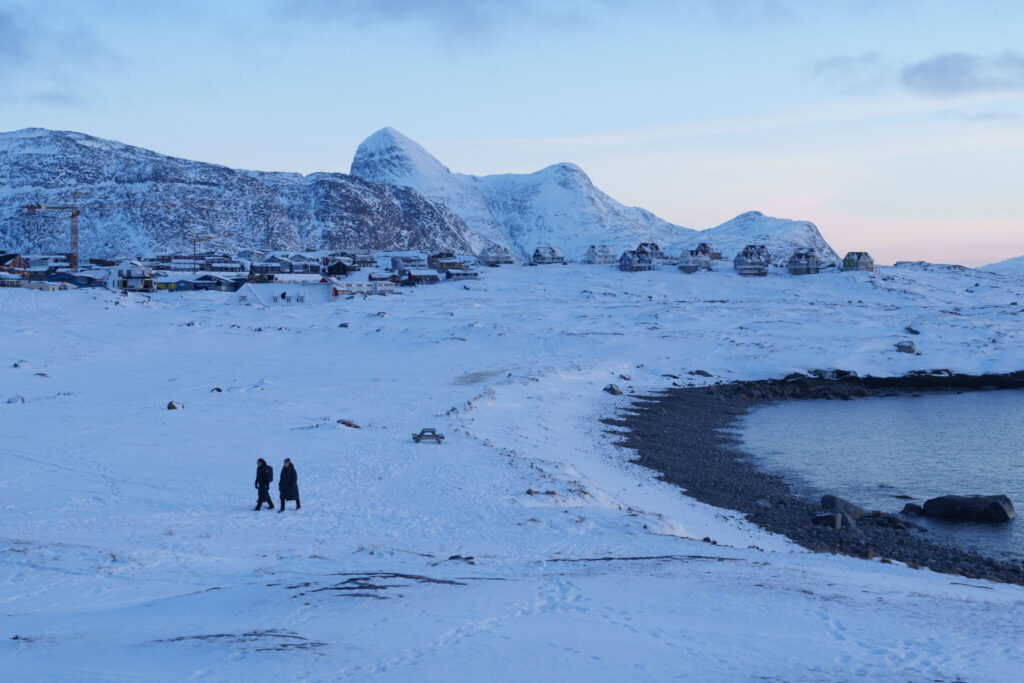
It’s the first time Trump has publicly floated the idea of using economic pressure to gain leverage over Greenland, a semiautonomous territory of Denmark and a strategic location in the Arctic due to its proximity to shipping routes, natural resources, and military interests.
Mounting Tensions Despite Diplomatic Efforts
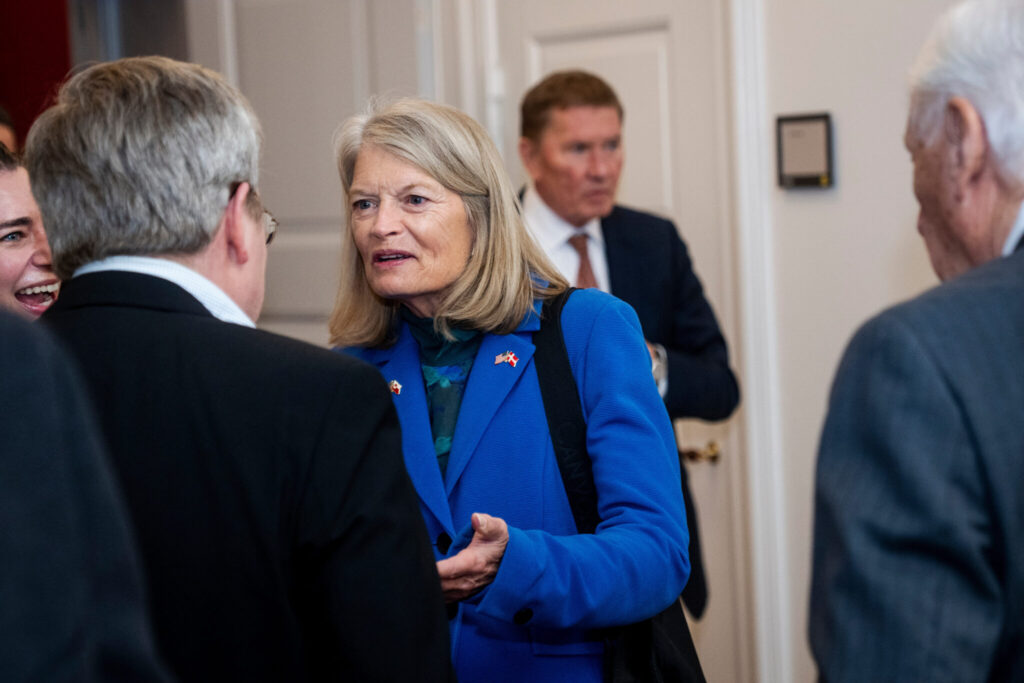
The latest remarks came as a bipartisan delegation of U.S. lawmakers arrived in Copenhagen, hoping to ease tensions and reaffirm traditional alliances. Their visit followed high-level meetings earlier in the week in Washington between U.S. officials and foreign ministers from Denmark and Greenland.
Despite the talks, deep divisions remain. While the U.S. and Denmark agreed to create a working group focused on Greenland, their public interpretations of that group’s purpose sharply diverged. Denmark has reiterated that all decisions regarding Greenland must be made by Greenlanders and the Danish government — a position echoed strongly by European leaders.
Denmark, in response to U.S. pressure, announced it is increasing its military presence in Greenland in coordination with NATO allies.
Congress Pushes Back on White House Rhetoric
In Copenhagen on Friday, U.S. lawmakers struck a markedly different tone than that of the White House. Senator Chris Coons (D-DE), who led the delegation, thanked Denmark for more than two centuries of alliance and emphasized continued cooperation.
Senator Lisa Murkowski (R-AK) added that Greenland should be treated as an ally, “not as an asset.”
“The relationship is one that we need to nurture,” Murkowski said, adding that she believes most Americans oppose the idea of acquiring Greenland by force or coercion. “When you ask the American people whether or not they think it is a good idea… some 75% will say, we do not think that that is a good idea.”
Murkowski and Senator Jeanne Shaheen (D-NH) have introduced legislation to block any attempt by the U.S. to annex NATO-member territory, including Greenland, without explicit consent from the nation involved and the North Atlantic Council.
Greenland Chooses Denmark
Greenland’s Prime Minister Jens-Frederik Nielsen made his government’s position clear earlier this week, saying that if forced to choose, Greenland sides with Denmark, NATO, and the European Union.
“If we have to choose between the United States and Denmark here and now, we choose Denmark,” he said. “We choose NATO. We choose the Kingdom of Denmark. We choose the EU.”
The comment followed reports that the White House had not ruled out the possibility of forcibly asserting control over the Arctic territory, citing national security threats posed by China and Russia.
Indigenous Leaders: U.S. Views Are Colonial
The rhetoric from Washington has deeply unsettled Indigenous leaders in Greenland and elsewhere in the Arctic. Sara Olsvig, chair of the Nuuk-based Inuit Circumpolar Council, which represents over 180,000 Inuit people across the Arctic, criticized the Trump administration’s position as imperialist and dismissive of Indigenous sovereignty.
“These statements offer a clear picture of how the U.S. administration views the people of Greenland,” she said in an interview. “They see us as a territory, not as a people. That really is concerning.”
Olsvig warned against repeating history, saying Indigenous Greenlanders “do not want to be colonized again.”
Strategic Stakes and Global Tensions
Trump has repeatedly argued that Greenland’s untapped reserves of rare minerals, its geographic position, and growing international interest make it critical to U.S. security. He claims both Russia and China have Arctic ambitions that the U.S. must counter.
While the White House has avoided directly discussing military action, it has refused to rule it out, further inflaming tensions. European and Arctic leaders remain firm that Greenland’s future must be decided democratically by its people — not through pressure or geopolitical gamesmanship.
As the situation evolves, global attention remains focused on whether the U.S. will continue to push for control through tariffs, diplomacy, or more aggressive means — and how its closest allies will respond.