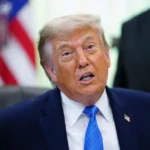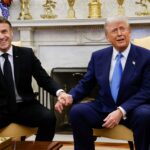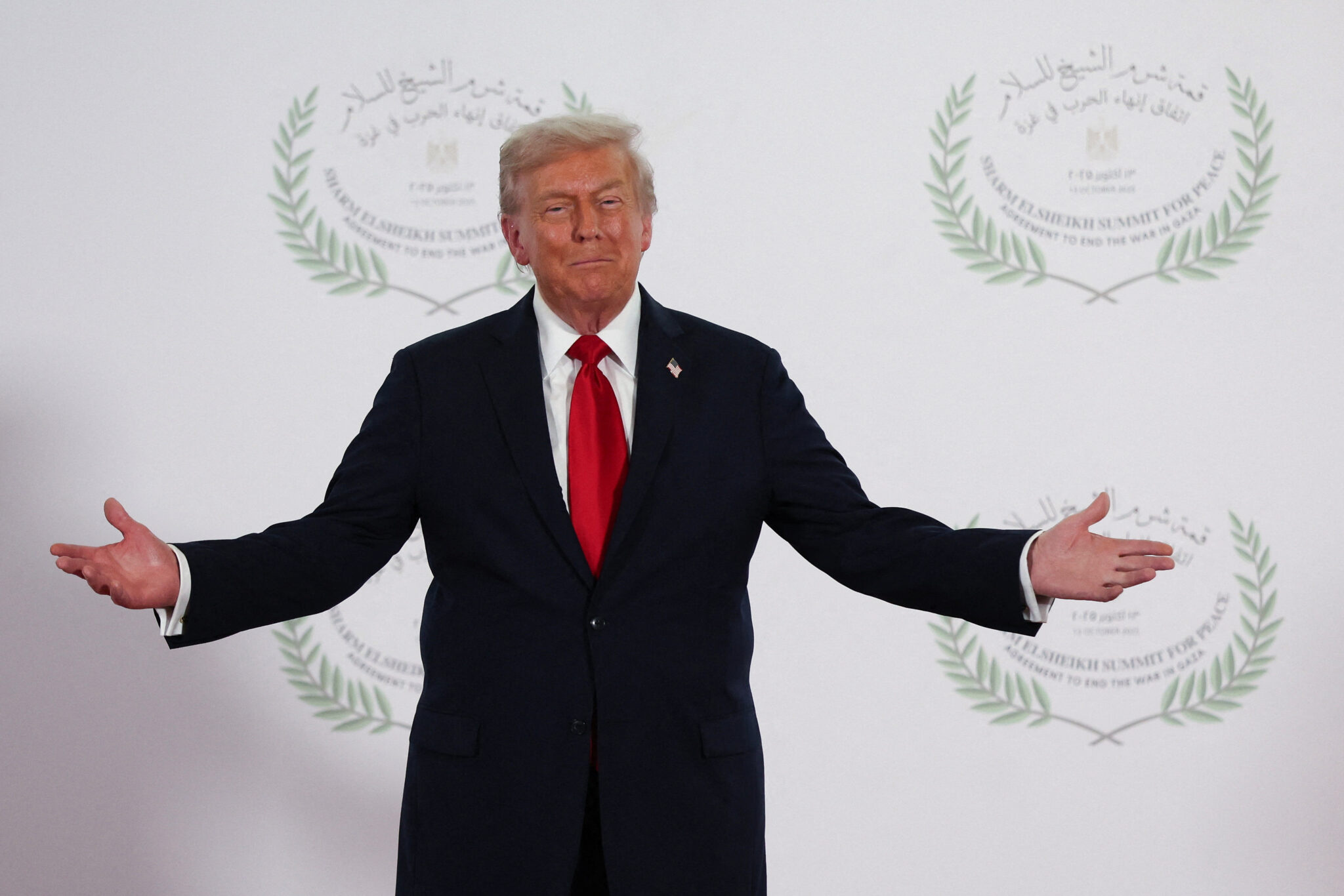
Trump’s Gaza Peace Board Offers $1 Billion Permanent Seat/ Newslooks/ WASHINGTON/ J. Mansour/ Morning Edition/ President Trump is forming a new Board of Peace for Gaza, inviting nations worldwide to join. A $1 billion contribution guarantees permanent membership, while others serve three-year terms. The board, which includes global leaders and Trump allies, aims to oversee Gaza’s reconstruction and future governance.
Trump’s Gaza Board of Peace: Quick Looks
- Trump’s Board of Peace to oversee post-ceasefire efforts in Gaza.
- $1 billion contribution secures permanent board membership; others serve 3-year terms.
- Hungary and Vietnam confirmed participation; India, Australia, and others reviewing invitations.
- The board includes U.S. officials, global leaders, and business figures.
- Aims to manage disarmament of Hamas, security deployment, and Gaza reconstruction.
- Seen as potential alternative to the U.N. Security Council.
- Official member list expected to be released at Davos.
- Israel criticizes the board’s executive committee for lack of coordination.
- Trump’s 20-point ceasefire plan endorsed by the U.N. Security Council.
- Committee includes Jared Kushner, Tony Blair, and World Bank President Ajay Banga.
Deep Look
Trump’s Gaza Peace Board Gains Global Attention with $1 Billion Buy-In Offer
WASHINGTON — President Donald Trump’s newly announced Board of Peace for Gaza is beginning to take shape as at least eight countries confirmed they have received formal invitations from the United States. Designed to steer Gaza’s post-conflict future, the initiative offers an ambitious and controversial path toward broader global conflict resolution, with a $1 billion contribution securing permanent membership on the board.
According to a U.S. official, who spoke under condition of anonymity, the charter for the Board of Peace — not yet publicly released — allows countries to obtain permanent board seats in exchange for a $1 billion contribution, while others may serve limited three-year terms with no monetary requirement. The funds are expected to support the reconstruction of Gaza following months of warfare and humanitarian crisis.
Confirmed Members and Global Invitations
Hungary and Vietnam are among the first to publicly accept Trump’s invitation. Hungarian Foreign Minister Péter Szijjártó confirmed Prime Minister Viktor Orbán — one of Trump’s strongest allies in Europe — would participate. Vietnam’s Communist Party Chief, To Lam, also accepted through a foreign ministry statement.
India, Australia, Jordan, Greece, Cyprus, and Pakistan have all received invitations, though they have not yet confirmed participation. Deputy Australian Prime Minister Richard Marles said on Monday that Australia would consult with the U.S. “to properly understand what this means and what’s involved.”
Previously, Canada, Turkey, Egypt, Paraguay, Argentina, and Albania confirmed receiving invitations, though the full scope of invited countries remains unclear.
The official list of board members is expected to be announced during the World Economic Forum in Davos, signaling the Trump administration’s efforts to promote the initiative as a major diplomatic endeavor.
A New Global Power Structure?
Trump’s “Board of Peace” may serve as a counterweight to the United Nations Security Council, which has been hamstrung in Gaza by veto powers — most notably the U.S. itself. With the U.N.’s influence diminished due to funding cuts and diplomatic gridlock, the Board of Peace is being framed as a faster, results-driven body to handle complex global conflicts.
Letters sent Friday to world leaders called on them to become “founding members,” positioning the board as the vanguard of a “bold new approach to resolving global conflict.”
Though the ceasefire agreement that took effect on October 10 paused hostilities, the road ahead for Gaza includes difficult objectives: establishing a Palestinian governance body, deploying international peacekeeping forces, disarming Hamas, and rebuilding critical infrastructure.
The U.S. maintains that the Board of Peace was created in line with the 20-point Gaza ceasefire plan, which received U.N. Security Council endorsement.
Executive Committee Sparks Tension with Israel
The announcement of the board’s executive committee caused friction with Israel, whose government claims it was not consulted. A statement from Prime Minister Benjamin Netanyahu’s office declared the plan “contrary to Israeli policy,” though no specific objections were outlined.
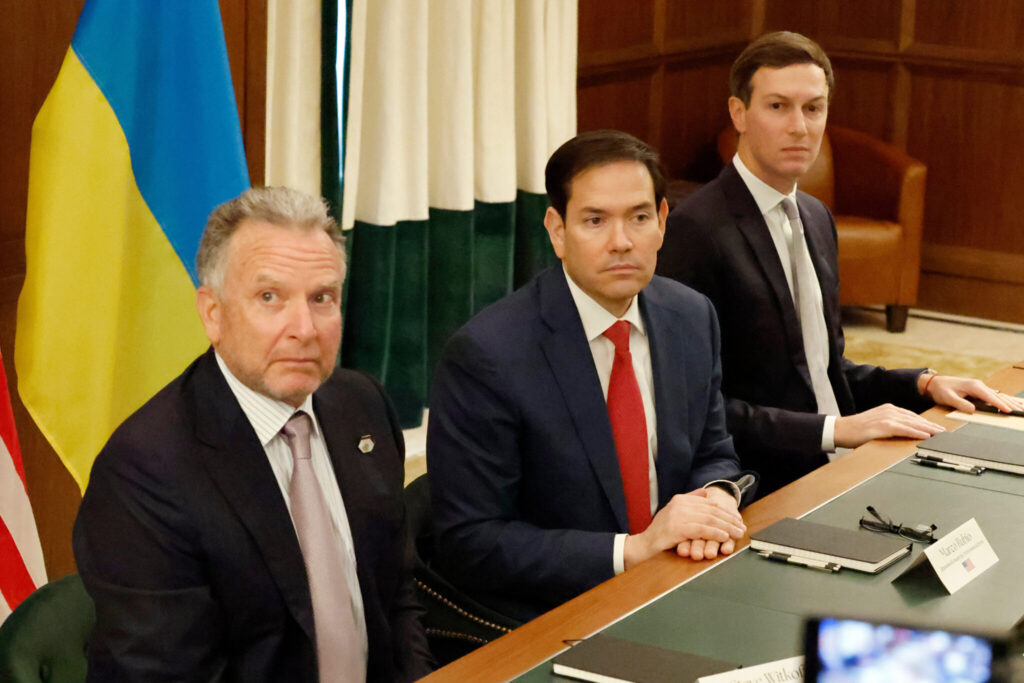
The executive committee is tasked with implementing the board’s directives. Its members include:
- U.S. Secretary of State Marco Rubio
- Trump adviser Jared Kushner
- Trump envoy Steve Witkoff
- Former U.K. Prime Minister Tony Blair
- World Bank President Ajay Banga
- Deputy National Security Adviser Robert Gabriel
- Israeli business magnate Yakir Gabay
In addition, representatives from Qatar, Egypt, and Turkey — all serving as ceasefire monitors — are part of the committee. Their inclusion is significant due to Turkey’s influence over Hamas and strained diplomatic relations with Israel.
Criticism and Controversy
Critics argue that the buy-in system, allowing wealthier nations to secure permanent influence, raises concerns about the commodification of global peacekeeping. Some also view the board as another channel for Trump’s allies and business interests to shape Middle East policy outside traditional international structures.
Supporters of the initiative, however, describe it as a pragmatic alternative to deadlocked global bodies, highlighting the immediate need for leadership in Gaza’s reconstruction and security.
While the White House has not revealed whether Israel will ultimately participate, its opposition to the executive committee raises questions about the board’s long-term viability and legitimacy.
For now, world leaders and observers await the official rollout at Davos, which will likely shape how the Board of Peace is perceived — as either a credible diplomatic tool or a political outgrowth of Trump’s alternative approach to global governance.