Trump to Tout Housing Plan at Billionaire-Filled Davos Summit/ Newslooks/ WASHINGTON/ J. Mansour/ Morning Edition/ President Trump plans to unveil a housing affordability plan at the World Economic Forum in Davos, despite criticism over the elite setting. Critics say Trump’s focus on billionaires over working families weakens his economic credibility. Polls show most Americans believe Trump has worsened the cost of living.
Trump’s Davos Housing Pitch Quick Looks
- Trump to unveil housing plan in billionaire-dense Davos
- Speech marks one-year anniversary of Trump’s second term
- $4.4M ski chalets in Davos highlight wealth gap
- Trump’s agenda contrasts with working-class populist campaign image
- 6 in 10 Americans say he’s worsened affordability
- Proposed plan includes $200B mortgage debt purchase, home-buying restrictions
- Housing costs outpacing wages due to short supply, inflation
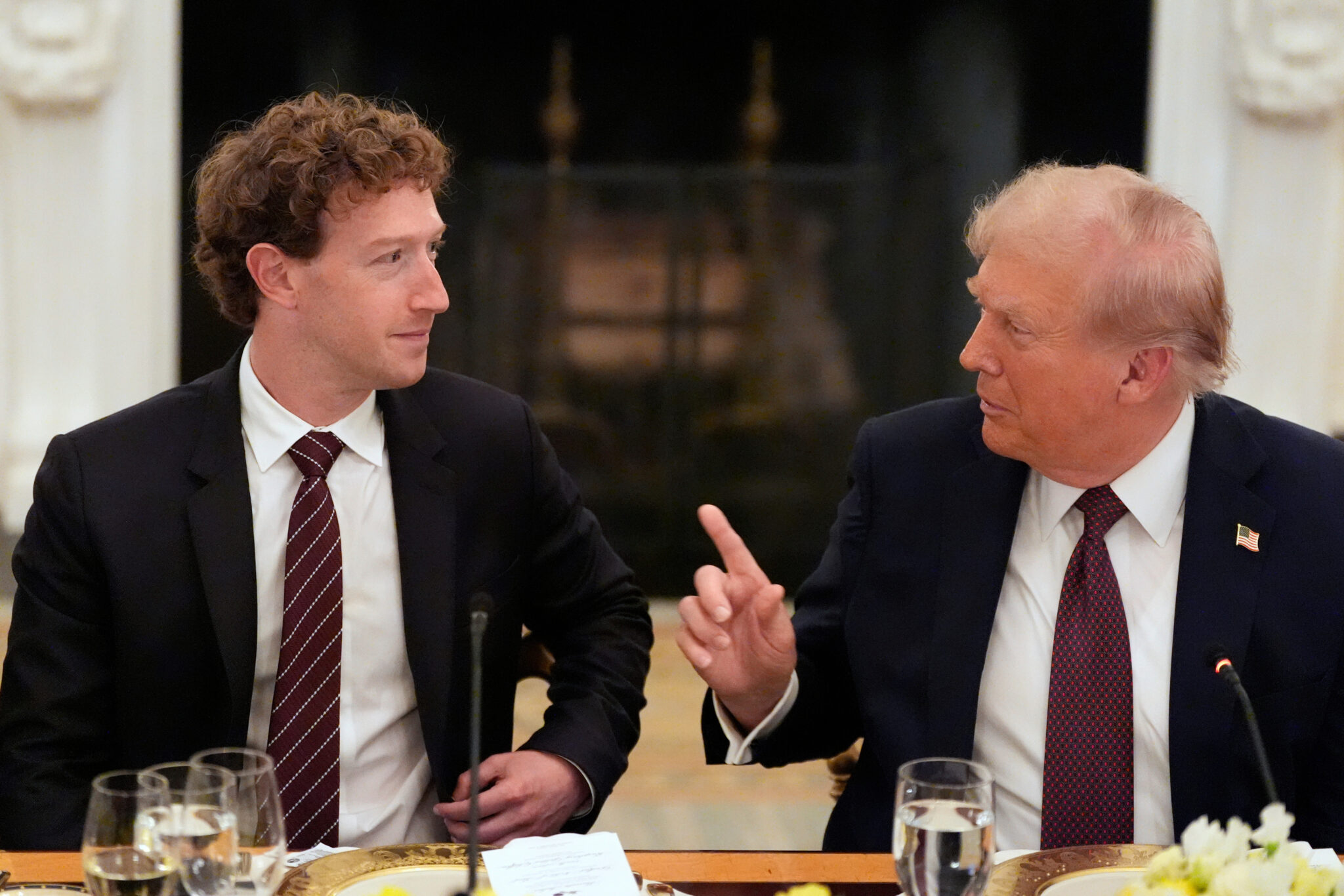
- Trump surrounded by billionaires like Gates, Zuckerberg, Huang
- Critics say Trump’s wealth-focused policies neglect working-class needs
Deep Look: Trump’s Davos Housing Pitch Faces Backlash Over Billionaire Optics
WASHINGTON — On the anniversary of his 2025 inauguration, President Donald Trump is set to unveil a new housing affordability initiative. But the setting — the snow-capped, ultra-exclusive World Economic Forum in Davos, Switzerland — raises sharp questions about whether the populist message can land amid ski chalets that sell for $4.4 million.
As Trump prepares to speak on Wednesday to the global elite gathered in Davos, his administration aims to refocus attention on domestic cost-of-living issues that polls show are weighing heavily on American voters. Yet the optics of the announcement — surrounded by billionaires — have already triggered fierce criticism.
“At the end of the day, it’s the investors and billionaires at Davos who have his attention, not the families struggling to afford their bills,” said Alex Jacquez, chief of policy and advocacy at Groundwork Collaborative, a progressive think tank.
The White House insists that the speech will outline actionable plans to lower housing costs, build jobs, and stabilize inflation. But Trump’s critics say his first year back in office has prioritized foreign policy and billionaire relationships over everyday Americans.
Populist in Campaign, Elite in Office
Trump famously campaigned as a man of the people, flipping burgers at fast food restaurants and railing against elites. But his governing style, critics argue, has favored the wealthy — from tax cuts to corporate deregulation and billionaire advisory dinners at the White House.
During his first year back in office, he has focused more on international flashpoints — including Ukraine, Venezuela, and the Middle East — than domestic economic policy. The administration’s controversial push to acquire Greenland has dominated headlines, threatening to overshadow even this housing rollout.
Trump himself acknowledged the looming tensions in Europe: “Let’s put it this way: It’s going to be a very interesting Davos,” he told reporters before departure.
That may be an understatement.
Polls Show Voter Frustration Over Cost of Living
Recent polling from the Associated Press-NORC Center for Public Affairs Research reveals why the administration is now trying to pivot back to affordability issues. According to the data, nearly 60% of U.S. adults believe Trump has hurt the cost of living, including growing skepticism among Republican voters.
Just 16% of respondents said Trump had helped “a lot” on affordability — a sharp drop from the 49% who said the same in 2024 during his campaign for a second term.
Even as the president boasts about stock market gains and investment deals, Americans are feeling the squeeze — especially in housing. Prices have soared while wages have remained largely stagnant, and inflation driven partly by Trump’s sweeping tariffs has made essentials harder to afford.
Trump’s Housing Proposal: Big Promises, Small Reach?
The plan Trump is set to introduce reportedly includes:
- A $200 billion government-backed purchase of mortgage debt to reduce interest rates
- A ban on major financial institutions from purchasing single-family homes
- Regulatory streamlining for faster construction approvals
However, experts argue that these measures barely scratch the surface of the core issue: a long-term shortage in homebuilding.
“There’s been years of underbuilding, and Trump’s plan doesn’t really address the supply side,” said Darrell West, a senior fellow at the Brookings Institution. “Limiting investors won’t matter if there simply aren’t enough homes for families to buy.”
West added that Trump’s housing proposals appear designed to appeal to middle-class frustrations but lack the structural depth needed to make lasting change.
The Company Trump Keeps
Since returning to the White House, Trump has surrounded himself with ultra-wealthy allies and industry titans. His administration includes:
- Commerce Secretary Howard Lutnick (net worth: $3.3B)
- Special Envoy Steve Witkoff (net worth: $2B)
- Occasional adviser and now-publicly-reconciled ally Elon Musk (net worth: $780B)
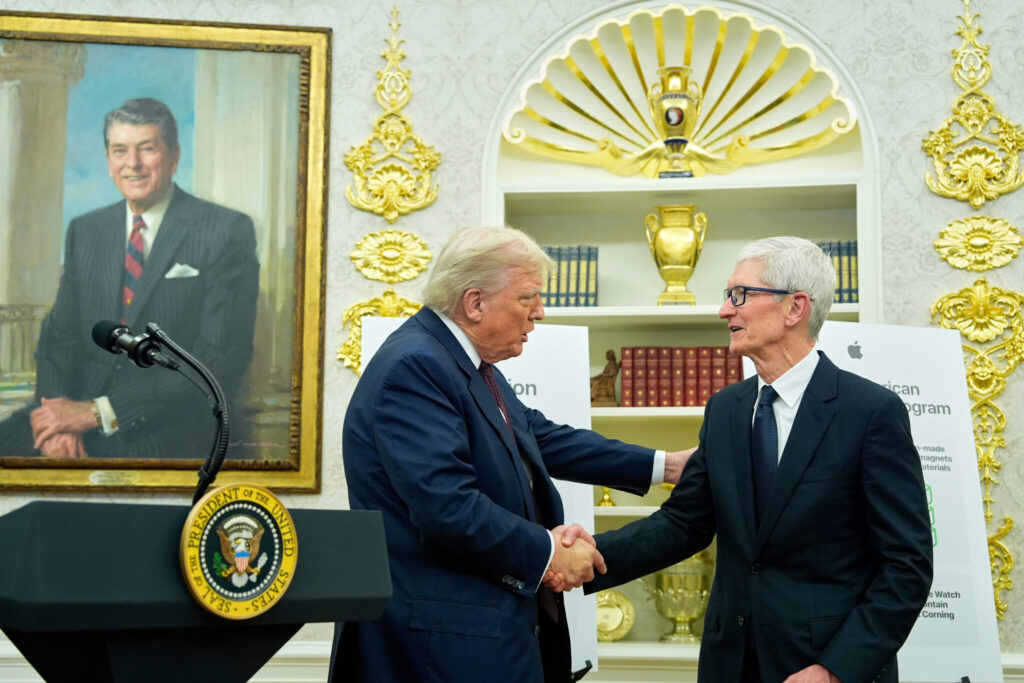
At a recent White House dinner, Trump praised tech giants like Bill Gates, Tim Cook, Sergey Brin, and Mark Zuckerberg, calling it “the highest IQ room I’ve ever been in.”
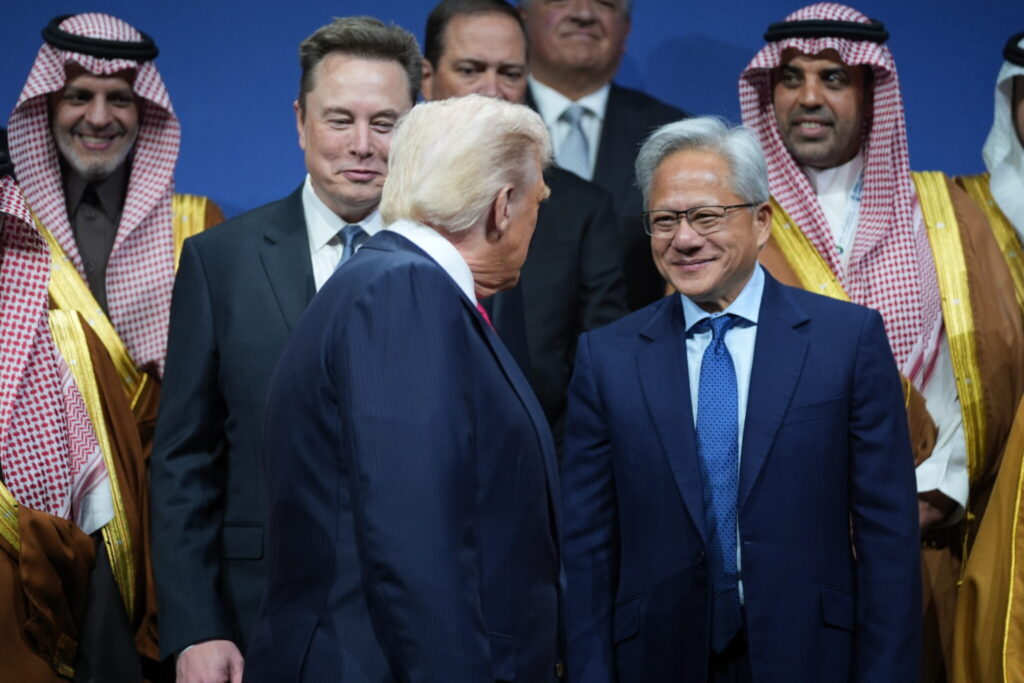
He’s also kept in close contact with Nvidia CEO Jensen Huang (net worth: $162B), often mentioning him in speeches as a symbol of American innovation.
White House press secretary Karoline Leavitt insists that Trump’s wealth and business success resonate with voters.
“He’s a businessman who understands the economy and knows how to fix it,” she said. “That’s why Americans brought him back to the White House.”
But the wealth gap under Trump has grown sharply. According to Federal Reserve data:
- The top 0.1% saw wealth grow by $11.98 trillion since Trump’s first term
- The bottom 50% of households gained only $2.94 trillion — about one-quarter as much
This stark disparity undermines Trump’s claim that prosperity will “trickle down” through billionaire investments and deregulation.
Tax Plans Skew Toward the Wealthy
Trump’s “One Big Beautiful Bill” — his signature tax proposal — promises savings on tips and overtime pay. But analysis from the Congressional Budget Office paints a different picture.
- Middle-income families may see annual savings of $800 to $1,200
- Top 10% of earners could receive $13,600
- Millionaires and above stand to gain $66,510 or more
The Tax Policy Center has noted that while the bill offers token relief for workers, the biggest beneficiaries are those already at the top of the economic ladder.
Davos Optics and Political Risk
Trump’s appearance at Davos — among global billionaires and CEOs — may resonate poorly with struggling voters who see rising rent, food prices, and shrinking savings. Republican pollster Frank Luntz called the setting politically tone-deaf.
“If you’re asking me, ‘Are billionaires popular?’ The answer is no,” Luntz said. “Trump is selling trickle-down growth at a time when people are desperate for direct help.”
While Trump will tout investment deals and promises of future jobs, voters increasingly want immediate, tangible results — especially with the 2026 midterms approaching and control of Congress on the line.
Even as Trump continues to attract massive rally crowds and dominate headlines, the question remains: Will economic anxiety erode his support among the very voters who handed him a comeback victory?