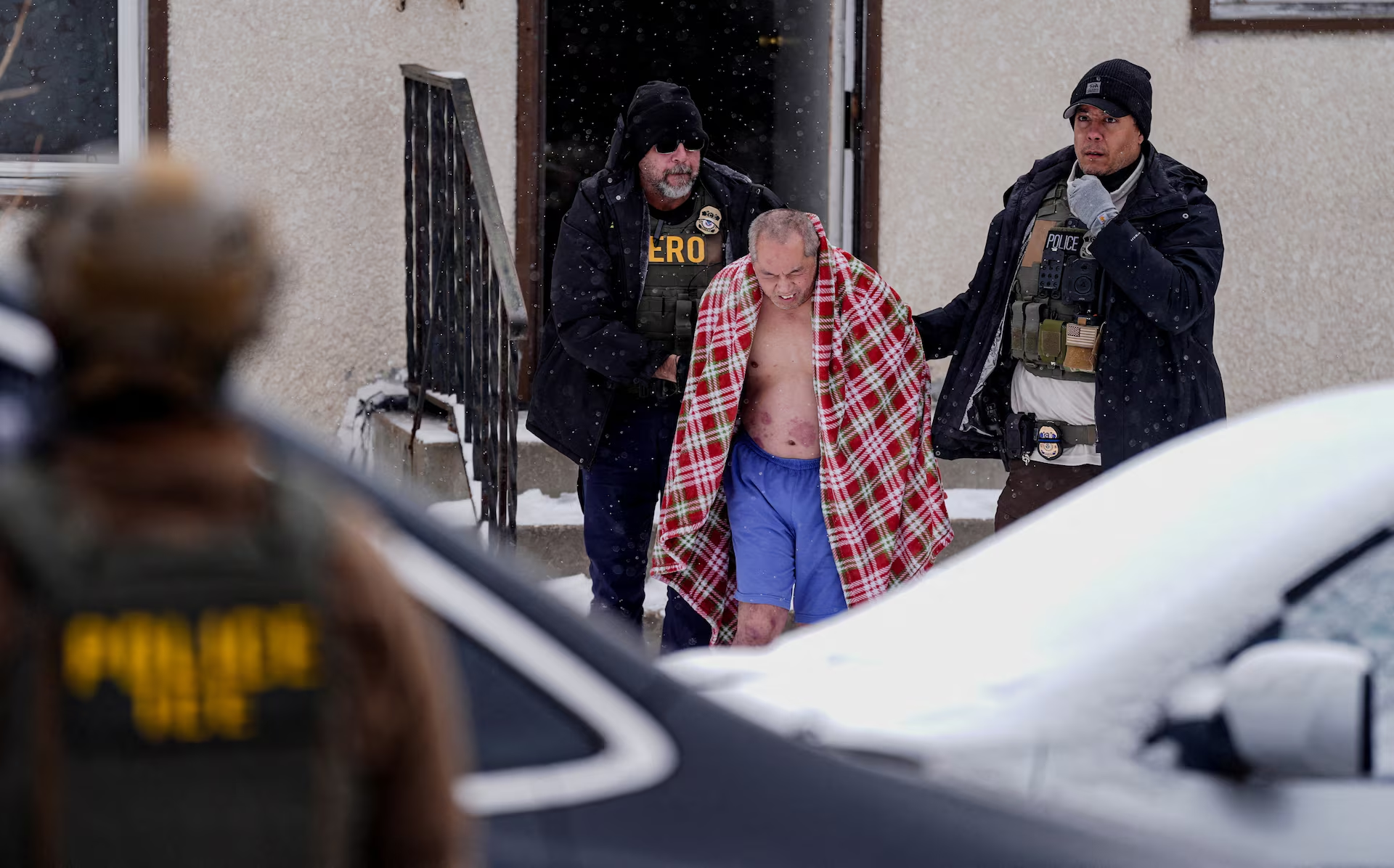
ICE Detains U.S. Citizen in His Underwear Without Warrant in Minnesota/ Newslooks/ WASHINGTON/ J. Mansour/ Morning Edition/ A Minnesota man says ICE agents broke into his home without a warrant, detained him at gunpoint, and led him outside in freezing weather wearing only underwear. The U.S. citizen, ChongLy Thao, plans to sue the Department of Homeland Security, calling the ordeal traumatic and unjust. DHS claims agents were targeting sex offenders, which the family disputes.
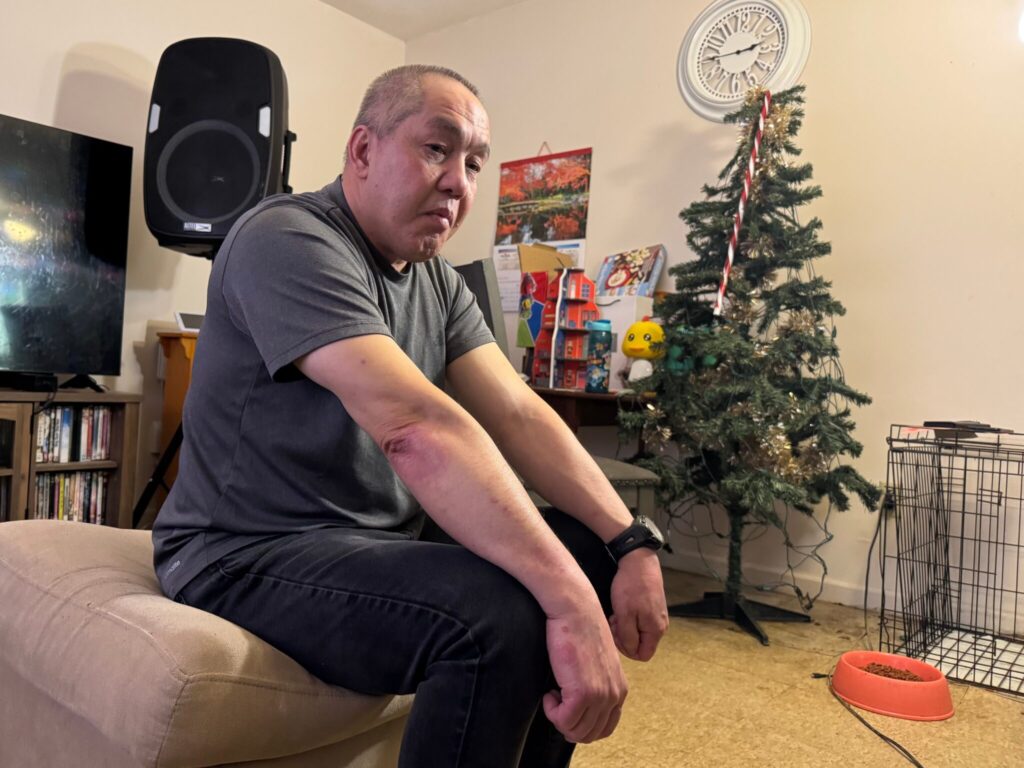
ICE Minnesota Raid Controversy Quick Looks
- U.S. citizen ChongLy “Scott” Thao says ICE broke into his St. Paul home
- Thao claims agents detained him without a warrant or cause
- He was taken outside in subzero temperatures wearing only underwear
- Video shows neighbors shouting at armed agents during the raid
- DHS says agents were targeting two convicted sex offenders
- Thao and his family say no such individuals lived at the home
- Incident raises concerns about warrantless immigration enforcement
- Thao, whose family fled Laos after aiding U.S. forces, plans to sue DHS
Deep Look
Minnesota Man Says ICE Detained Him Without Warrant and Dragged Him Outside in His Underwear
Federal immigration agents are facing renewed scrutiny after a Minnesota man says he was wrongfully detained at gunpoint by U.S. Immigration and Customs Enforcement (ICE) without a warrant and taken from his home wearing only his underwear in subfreezing temperatures. The incident, caught on video, has sparked outrage in the community and led to calls for accountability.
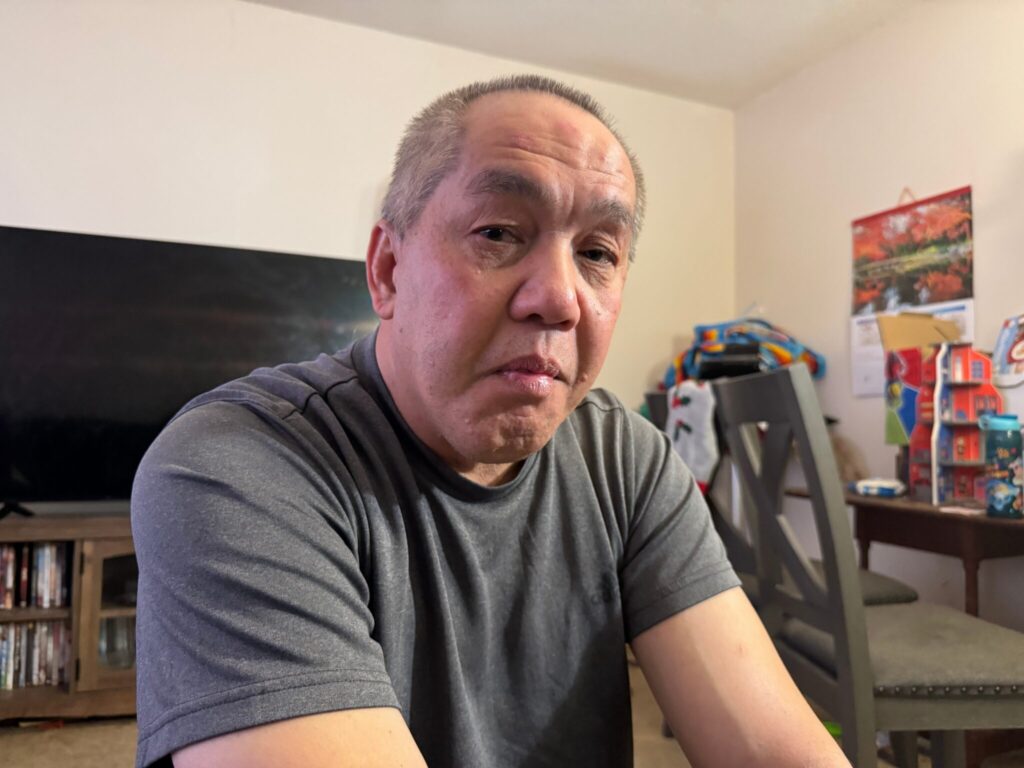
ChongLy “Scott” Thao, a longtime U.S. citizen residing in St. Paul, told the Associated Press that the raid occurred on Sunday afternoon. He was alerted by his daughter-in-law that agents were banging on the door of their home. He told her not to open it. Moments later, masked ICE agents broke down the door, entered with guns drawn, and began shouting at the family.
“I was shaking,” Thao recalled. “They didn’t show any warrant; they just broke down the door.”
Thao was handcuffed and taken outside wearing only sandals and his underwear, with a blanket wrapped around his shoulders. Temperatures in St. Paul at the time were well below freezing. His four-year-old grandson witnessed the scene and began crying as over a dozen armed officers surrounded the property.
Videos shared with and reviewed by the Associated Press show neighborhood residents shouting at the agents, blowing whistles, and demanding that they leave the Thao family alone.
Thao said that agents transported him to a remote location and forced him to exit the vehicle so they could photograph him. Despite requesting to show identification, he was told earlier that they didn’t need to see it. Eventually, ICE agents confirmed his identity and returned him to his home more than an hour later, without issuing an apology or repairing the door.
According to Thao, none of the agents offered an explanation for why he was targeted. He said he has no criminal record and has been a citizen for decades.
The Department of Homeland Security issued a statement defending the ICE operation, calling it a “targeted operation” aimed at locating two convicted sex offenders. DHS claimed that Thao matched the description of one of the suspects and had refused fingerprinting or facial identification.
“The U.S. citizen lives with these two convicted sex offenders at the site of the operation,” DHS said.
Thao’s family, however, flatly denies the agency’s version of events. In a statement, they said, “We categorically dispute the DHS account and strongly object to their attempt to justify this conduct with false and misleading claims.”
Thao maintains that only he, his son, his daughter-in-law, and his grandson live in the house. Public records show that neither he nor any known resident at that address appears on Minnesota’s sex offender registry. The nearest offender listed in the area lives more than two blocks away.
DHS later released names and photos of the two men it claimed agents were pursuing, labeling them “violent illegal alien sexual offenders.” Thao said he had never seen these individuals before and that they have never lived in his home.
Adding another layer of complexity to the situation, Thao’s son, Chris Thao, told reporters that ICE agents stopped him earlier the same day while he was on his way to work. He was driving a vehicle borrowed from his cousin’s boyfriend, whose first name reportedly matches that of one of the men DHS was seeking. Chris said he did not know the man’s last name, and the family believes this case of mistaken identity may have led to the raid.
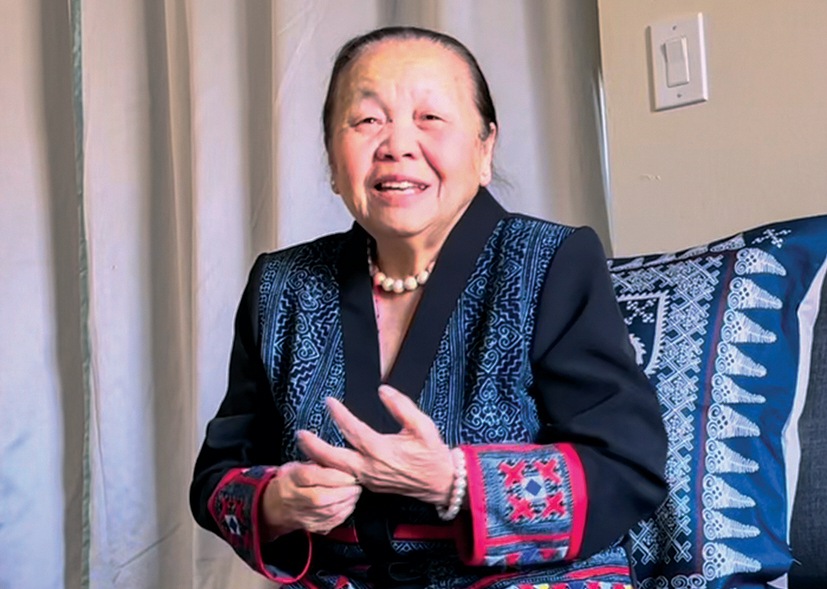
The case is especially painful for Thao’s family, who fled Laos after aiding U.S. forces during the Vietnam War-era “Secret War.” His adopted mother, Choua Thao, was a nurse who treated CIA-backed Hmong fighters from 1961 to 1975, according to the Hmong Nurses Association. She passed away just weeks before the ICE raid.
“She treated countless civilians and American soldiers, working closely with U.S. personnel,” Thao’s daughter-in-law Louansee Moua wrote on a GoFundMe page for the family.
Now, Thao says he no longer feels safe in his home and is preparing to file a civil rights lawsuit against the Department of Homeland Security.
“I don’t feel safe at all,” he said. “What did I do wrong? I didn’t do anything.”
The episode has drawn criticism from local leaders.
St. Paul Mayor Kaohly Her, a Hmong American, condemned the raid, saying, “ICE is not doing what they say they’re doing. They’re not going after hardened criminals. They’re going after anyone and everyone in their path. It is unacceptable and un-American.”
As videos of the raid circulate online, community organizers and legal advocates are demanding a formal investigation into ICE’s tactics and calling for new safeguards against warrantless searches and mistaken identity arrests.