Trump’s Greenland Push Worries, Delights Russian Leaders/ Newslooks/ WASHINGTON/ J. Mansour/ Morning Edition/ Russia is responding with mixed emotions to President Trump’s aggressive push to acquire Greenland, highlighting the resulting U.S.-Europe tensions. While pro-Kremlin voices celebrate the weakening of NATO unity, others express concern over increased U.S. presence in the Arctic. Moscow sees both opportunity and strategic threat in America’s Greenland ambitions.
Trump’s Greenland Ambitions: Russia’s Quick Looks
- Mixed Russian Reactions: Kremlin offers muted praise, state media gloats, experts express concern.
- Historic Comparisons: Russian outlets compare Trump’s Greenland move to Lincoln and Napoleon.
- Security Fears: Russia warns of U.S. encroachment in Arctic territory, threatening its Northern Fleet.
- NATO Tensions: Kremlin officials claim a deep crisis is emerging within the alliance.
- Ukraine War Overshadowed: Kremlin media says Greenland drama weakens focus on Ukraine.
- Military Bloggers Sound Alarm: Claims arise that U.S. wants to dominate Arctic resources.
- Lavrov Links to Crimea: Russia draws parallels between Greenland and the annexation of Crimea.
- Putin’s Strategic Calculations: Russia boosts Arctic forces while promoting cautious U.S. cooperation.
Deep Look: Trump’s Greenland Push Worries, Delights Russian Leaders
As the world watched tensions mount between the United States and its European allies over President Donald Trump’s bold push to acquire Greenland from Denmark, Russia observed with a potent blend of satisfaction, sarcasm, and strategic anxiety.
In Moscow, Kremlin officials, pro-government media, and influential commentators reacted to the transatlantic divide with a curious mixture of gloating and caution. While the geopolitical spat served as an opportunity to highlight Western division and deflect attention from Russia’s ongoing war in Ukraine, it also raised alarms over growing American ambitions in the Arctic—a region Russia considers a strategic stronghold.
Muted Kremlin Response, Loud Media Reactions
The Kremlin has carefully avoided taking a definitive stance on Trump’s Greenland ambitions. However, presidential spokesman Dmitry Peskov acknowledged that Trump’s actions could be historic, saying that acquiring Greenland might make Trump “go down in world history,” regardless of legal or ethical judgments.
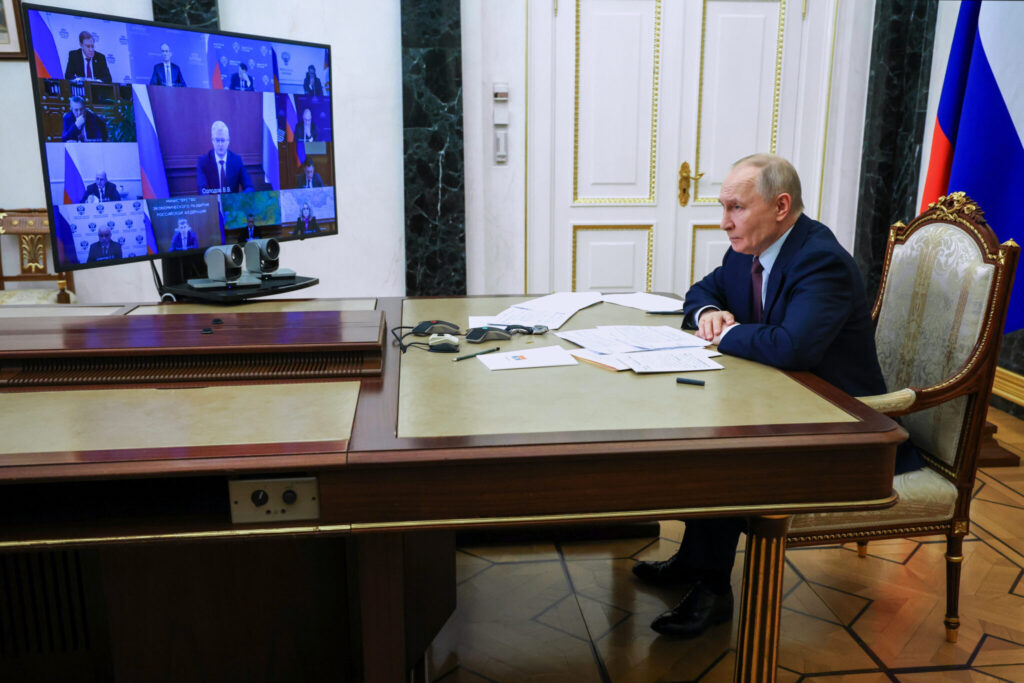
President Vladimir Putin echoed this long-view perspective, noting that American interest in Greenland dates back centuries, including a post-WWII offer to purchase the island. He added that the U.S. would undoubtedly continue advancing its influence in the Arctic — a region vital to Russian interests.
Russian state newspaper Rossiyskaya Gazeta was less restrained, comparing Trump’s plan to transformative historical moments like the abolition of slavery or the conquests of Napoleon. The publication went so far as to predict that Trump, if successful by July 4, 2026, could cement his status among America’s legendary leaders.
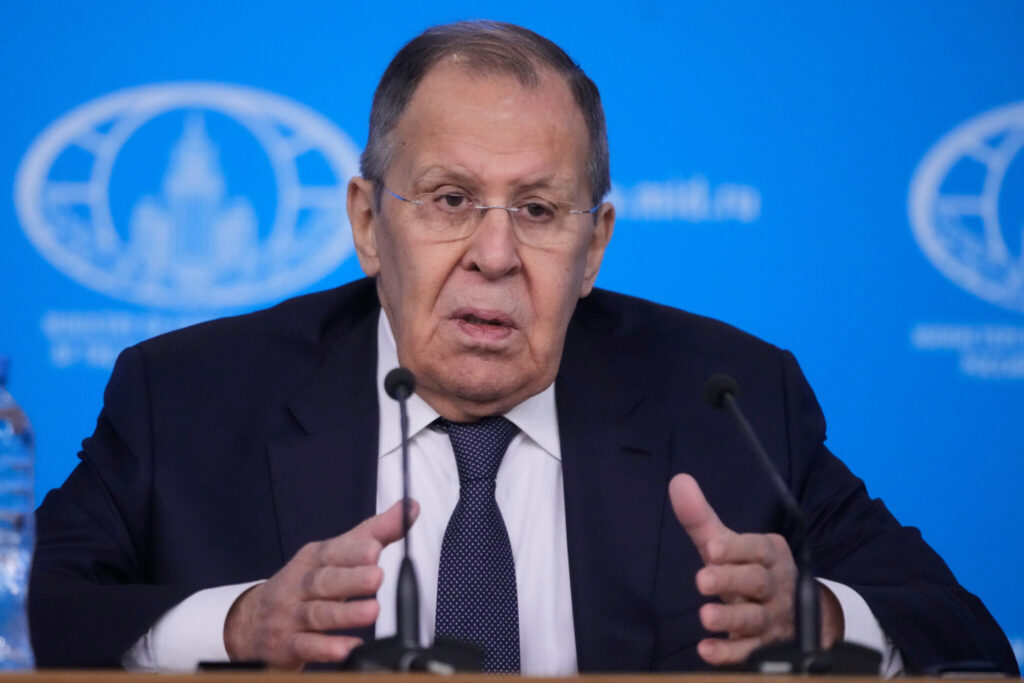
Foreign Minister Sergey Lavrov contributed to the discourse with subtle nods toward Trump’s vision. He suggested Greenland was not a “natural” part of Denmark and, more provocatively, compared the move to Russia’s controversial 2014 annexation of Crimea — drawing a geopolitical parallel that’s unlikely to go unnoticed in the West.
Cracks in NATO: Russia’s Opportunity
Russian officials and commentators repeatedly emphasized what they see as the crumbling unity of NATO and Western cohesion. Lavrov stated that Trump’s Greenland move signals a “deep crisis” for NATO, questioning its ability to function as a united bloc.
Kirill Dmitriev, a Kremlin envoy involved in U.S.-Russia negotiations, posted online that “Transatlantic unity is over,” accusing EU and UK leaders of failing to counter Trump’s aggressive diplomacy.
State media outlets like RIA Novosti doubled down, describing Europe’s response to Trump’s Greenland push as “impotent rage.” One column ridiculed symbolic European troop movements to Greenland, portraying them as feeble attempts to assert influence in a game already lost to Washington.
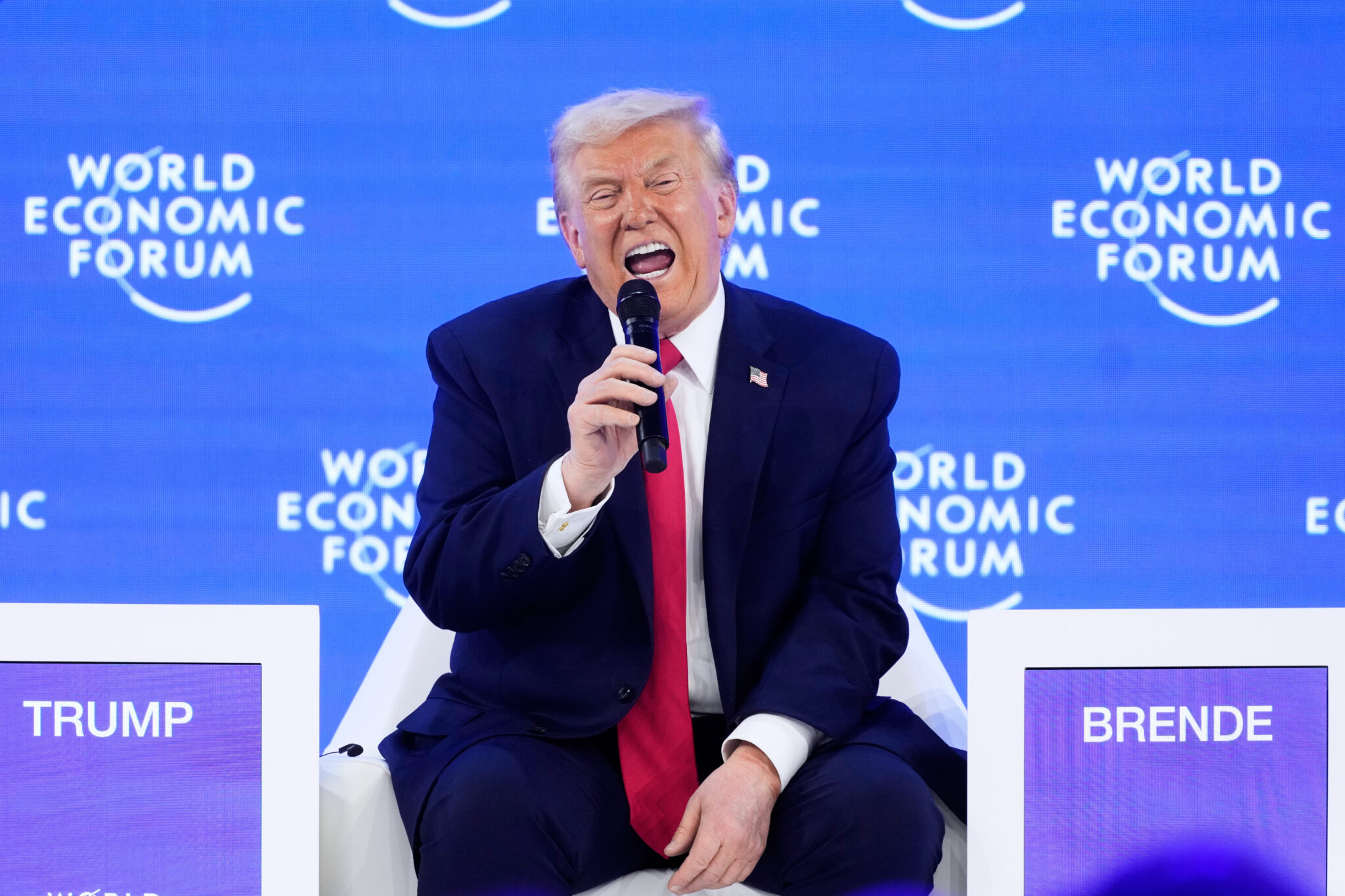
Another commentary mocked the World Economic Forum in Davos — traditionally a symbol of transatlantic solidarity — as the burial ground of “Atlantic unity.”
Ukraine Conflict Relegated to Background
Pro-Kremlin outlets noted with approval that the global focus on Greenland was distracting attention from the ongoing war in Ukraine. The tabloid Moskovsky Komsomolets asserted that Ukraine’s President Volodymyr Zelenskyy had been sidelined, while U.S. negotiators prepared for direct talks with Moscow.
In a bold headline, RIA Novosti declared: “Greenland Knocked Out Zelenskyy,” suggesting that Ukraine’s geopolitical importance had diminished significantly in the face of Trump’s Arctic maneuvering.
Despite this, Trump announced he would still meet with Zelenskyy at Davos, stating, “I want to stop it,” referring to the war, and labeling it a “horrible” conflict.
Fears of Arctic Escalation
While some Russian reactions appeared celebratory, others voiced real concern about the implications of increased U.S. presence in Greenland and the Arctic at large.
Former President Dmitry Medvedev acknowledged parallels with Russia’s expansion in Ukraine but emphasized the different contexts. He raised doubts about Trump’s willingness to pay the political and diplomatic costs of annexing Greenland — especially if it meant breaking NATO altogether.
Popular military blogger Aleksander Kots warned that Trump’s true aim may be to “seize the Russian Arctic” by positioning forces and exploiting natural resources long sought after by Moscow.
An editorial in Moskovsky Komsomolets was particularly ominous, calling Greenland the “icy noose around Russia’s throat.” The article outlined fears that Trump’s plan would threaten the Russian Northern Fleet, hamper economic projects, and degrade the effectiveness of Russia’s nuclear deterrence.
These anxieties stand in contrast with Putin’s more diplomatic public statements. While he promotes Arctic cooperation with the West, he also underscores Russia’s intent to bolster military readiness in the region — especially in response to what he sees as expanding NATO activity.