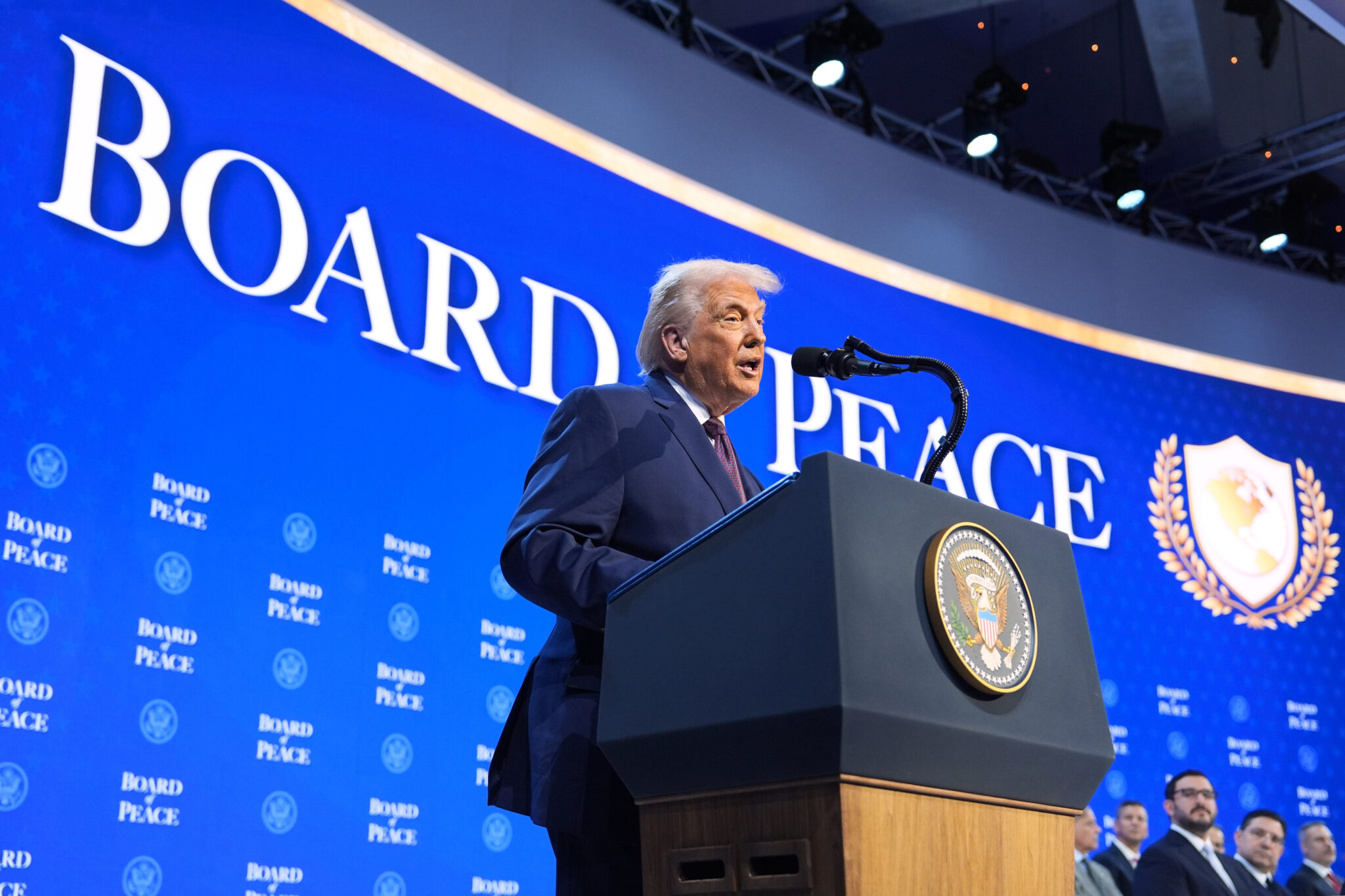
Trump Launches Global Board of Peace at Davos/ Newslooks/ WASHINGTON/ J. Mansour/ Morning Edition/ U.S. President Donald Trump launched the new “Board of Peace” at Davos with global leaders. The board’s structure and mission remain vague, especially concerning its role alongside the UN. Initial focus is on Gaza, but Trump envisions global influence.
Board of Peace Quick Looks
- Trump introduced the “Board of Peace” at Davos, promoting it as a new global peace initiative.
- The board lacks clarity on membership, mandate, and how it operates.
- Gaza is the board’s initial focus, but Trump aims to expand globally.
- Key U.S. figures include Secretary of State Marco Rubio, envoy Steve Witkoff, and Jared Kushner.
- Several world leaders from the Middle East and South America attended, but major European allies were largely absent.
- Israel has not commented on the Rafah border opening announcement.
- The board may rival the United Nations in future peace efforts.
- Trump emphasized real estate development potential in Gaza.
- The logo and branding suggest a U.S.-centric or Western Hemisphere approach.
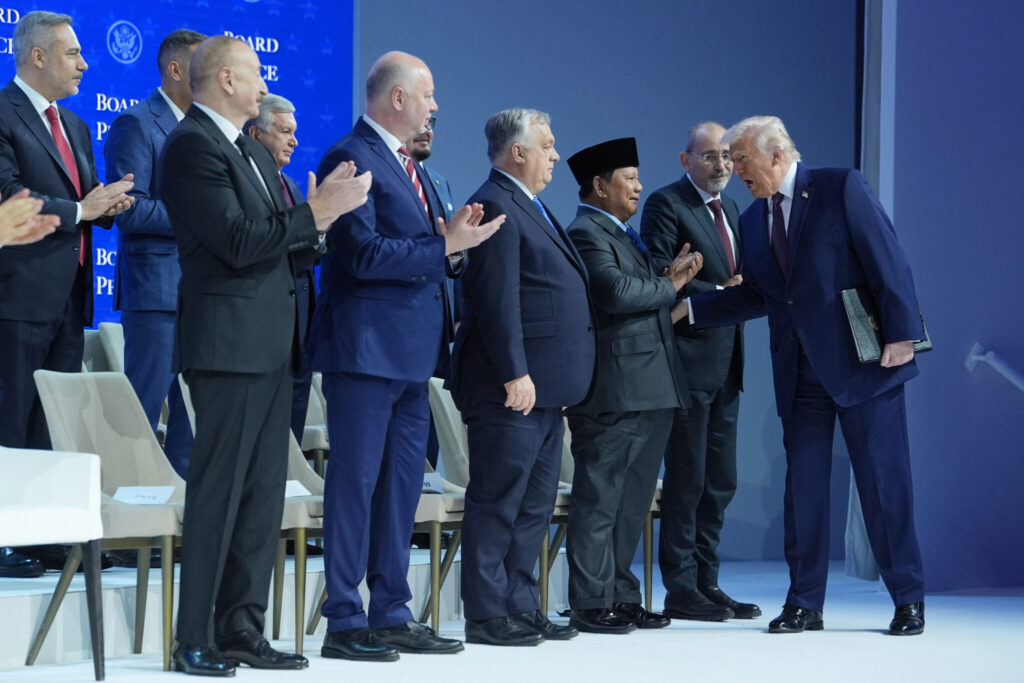
Deep Look: Trump’s Board of Peace Launched at Davos Amid Questions and Global Ambitions
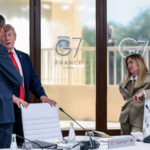
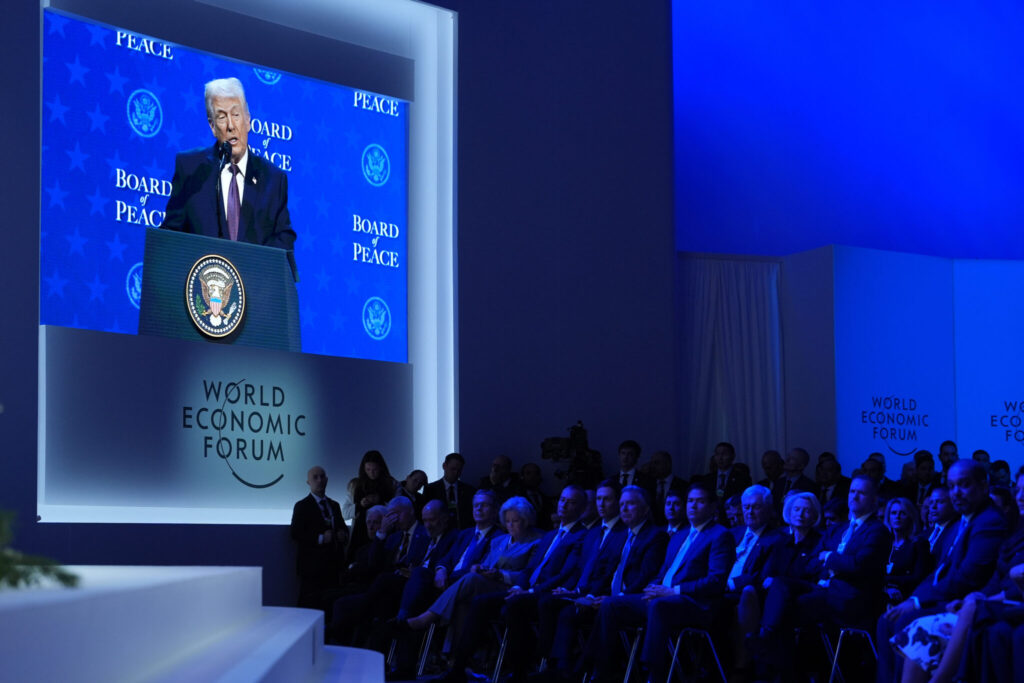
DAVOS, Switzerland — At the World Economic Forum in Davos, U.S. President Donald Trump inaugurated the much-anticipated “Board of Peace,” a new multinational initiative he claims will bring transformative change to global diplomacy, starting with Gaza. Despite the fanfare, the initiative’s framework, authority, and long-term goals remain clouded in ambiguity.
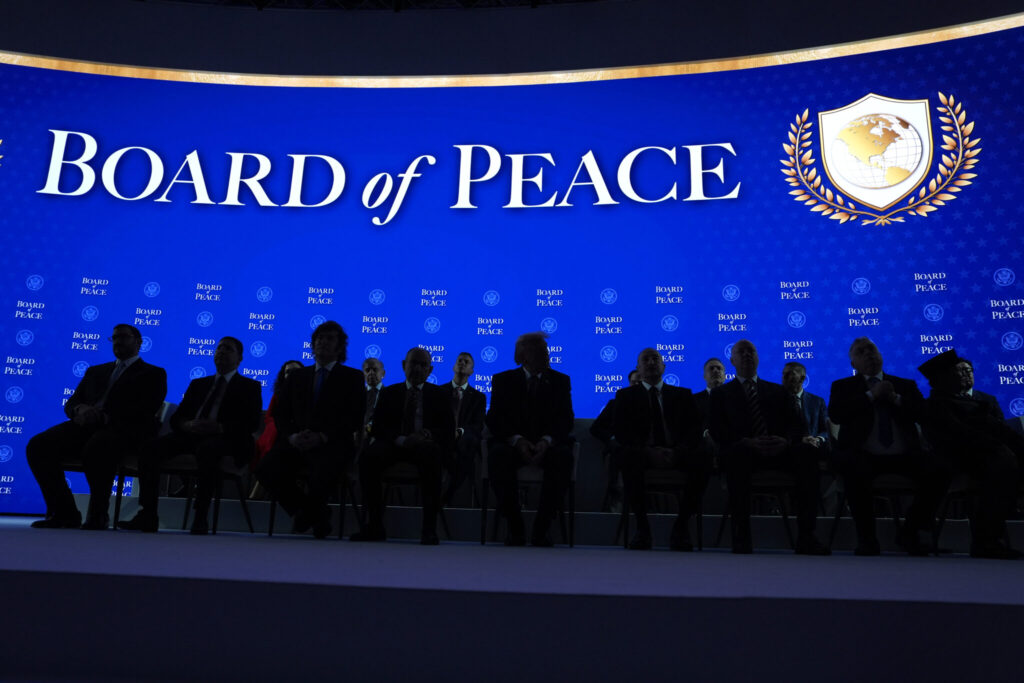
Surrounded by heads of state, foreign ministers, and senior advisors, Trump pitched the Board as a “very, very unique” force for peace. While the ceremony featured symbolic document signings and bold rhetoric, critical operational details—including the full member list, official mandate, and governance structure—were conspicuously absent.
Focus on Gaza, Then Global Reach
The board’s launch centered around the conflict between Israel and Hamas in Gaza. Trump, invoking his real estate background, described the area as “a beautiful piece of property,” suggesting peace efforts could pave the way for regional development. Jared Kushner, Trump’s son-in-law and a familiar face from previous Middle East diplomacy efforts, presented real estate development plans for Gaza using a slide deck, hinting at a reconstruction-driven peace plan.
Secretary of State Marco Rubio called the board “a group of leaders that is about action,” emphasizing its mission to solidify peace in Gaza as a foundational project. He acknowledged, however, that many prospective member countries were still navigating internal processes or had hesitations about joining.
Ali Shaath, head of Gaza’s new technocratic government, announced that the Rafah border crossing between Gaza and Egypt would open next week. The Israeli government and military have not publicly responded to this development.
Uneven Global Support and European Reluctance
Although leaders from countries such as Argentina, Indonesia, Paraguay, Uzbekistan, Pakistan, Armenia, and Azerbaijan were present, notable absences from major European powers raised eyebrows. Trump’s recent reversal on imposing tariffs on eight European nations—related to his bid for U.S. control over Greenland—was met with relief but did little to clarify European support for the new board.
German Chancellor Friedrich Merz expressed support for trilateral talks between the U.S., Denmark, and Greenland, while also affirming Denmark’s sovereignty—a subtle pushback against Trump’s earlier moves.
Meanwhile, European skepticism toward the Board of Peace seems rooted in concern that it could undercut or attempt to replace the United Nations. Trump has repeatedly criticized the U.N. in past speeches and has pulled the U.S. from several international organizations, fueling suspicion about the board’s true intentions.
Trump Mentions the U.N., But Critics Are Wary
Despite his contentious history with the U.N., Trump stated that the Board of Peace would work “in conjunction with the United Nations.” Yet he continued to fault the U.N. for failing to resolve longstanding conflicts, positioning his board as a more dynamic and results-driven entity.
He suggested that the board, once fully operational, could engage in conflict resolution worldwide. “We can do numerous other things. Once this board is completely formed, we can do pretty much whatever we want to do,” Trump declared.
Critics argue that such statements highlight the ambiguity and potential overreach of the board, especially given the lack of transparency surrounding its charter—no public draft has been released—and how decisions will be made or enforced.
U.S.-Centric Symbolism and the ‘Donroe Doctrine’
The Board of Peace’s logo, prominently displayed at Davos, features North America and only portions of South America, hinting at a U.S.-centric worldview. The Trump administration has focused heavily on Western Hemisphere diplomacy during his second term, branding this approach the “Donroe Doctrine,” a modern echo of the historic Monroe Doctrine.
Secretary of State Rubio, special envoy Steve Witkoff, and Jared Kushner are leading the U.S. delegation. All three are central figures in shaping the board’s diplomatic strategies, particularly regarding the Middle East.
Kushner’s role, while unofficial, is reminiscent of his previous tenure as a key negotiator in Trump’s first presidency. His presence at Davos and involvement in the Gaza proposal underscore Trump’s continued reliance on his inner circle rather than traditional diplomatic channels.
What Comes Next?
For now, the Board of Peace exists more as an idea than a structured organization. While Trump’s ambitions are global and sweeping, tangible results and defined protocols are yet to be seen. Membership remains fluid, and the charter, if one exists, has not been shared with the public.
The Board’s ability to influence international peace efforts will depend not only on its membership but also on whether it can distinguish itself from or collaborate meaningfully with existing institutions like the U.N.
Until then, it remains to be seen whether this board will be a transformative new diplomatic force—or merely symbolic.