
ICE Can Now Enter Homes Without Judicial Warrant Under Trump-Era Memo/ Newslooks/ WASHINGTON/ J. Mansour/ Morning Edition/ A new ICE memo allows agents to forcibly enter homes without a judge’s warrant. The policy shift under Trump’s mass deportation campaign has sparked legal and safety concerns. Immigrants and advocacy groups fear the change undermines decades of Fourth Amendment protections.
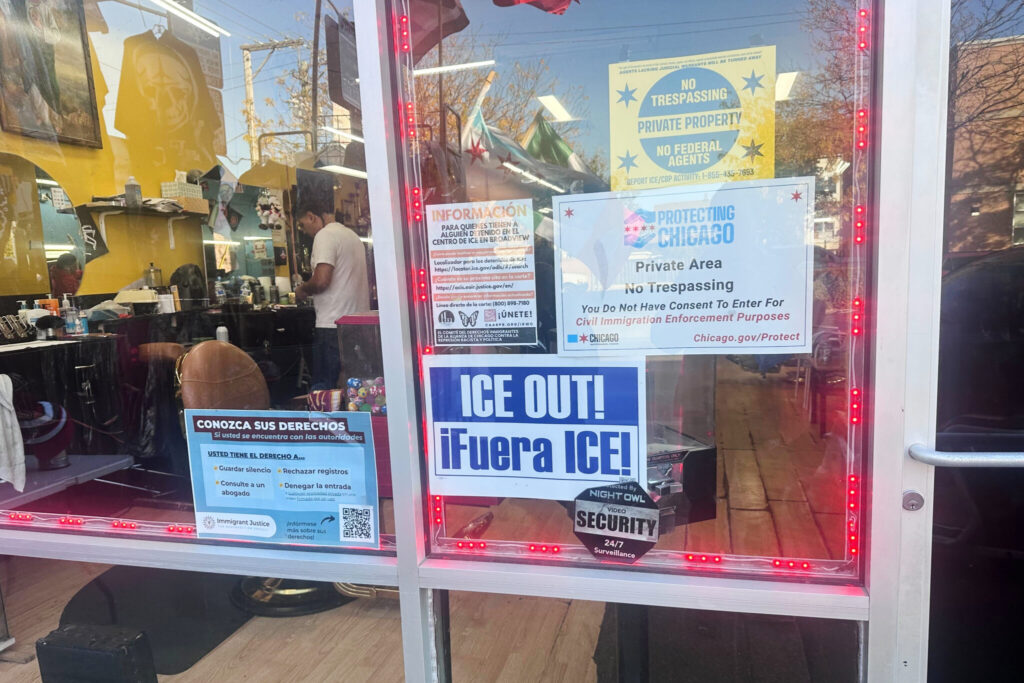
ICE Home Raids Policy Shift – Quick Looks
- New ICE memo permits home entry without judge-issued warrant
- Memo aligns with Trump’s aggressive 2026 deportation campaign
- Immigrants long advised not to open doors without judicial warrants
- Legal experts warn forced entries risk constitutional rights and safety
- Officers seen breaking into homes with only administrative warrants
- Memo directs forced entry if entry is denied after identification
- Fourth Amendment implications raise alarms among civil rights groups
- Lawmakers call for hearings into the memo’s legality and risks
- Immigrant communities report heightened fear, avoid going outside
- ICE tactics criticized for risking wrongful raids and potential violence

Deep Look: ICE May Enter Homes Without Judge’s Warrant Under New Trump-Era Memo
SAN DIEGO (Jan. 23, 2026) — A newly surfaced internal memo from U.S. Immigration and Customs Enforcement (ICE) signals a dramatic shift in federal immigration enforcement: agents may now enter homes without a judge-signed warrant, overturning years of established legal advice and stoking fear in immigrant communities nationwide.
For decades, it’s been a known survival tactic: don’t open the door unless immigration officers present a warrant signed by a federal judge. That advice, rooted in the Fourth Amendment’s protection against unlawful search and seizure, is now under threat.
The memo — obtained by the Associated Press — outlines conditions under which ICE agents can forcibly enter private residences using only administrative warrants, the type signed internally by ICE, not a court.
“There Are Rules… But They Keep Changing”
Fernando Perez, a day laborer living in the U.S. for 30 years, said ICE has knocked on his door many times — but he never answered.
“There are rules, and I know them,” he said in a San Diego parking lot.
“But if they are going to start coming into my home — where I pay rent — that’s the last straw.”
Perez’s sentiment reflects growing anxiety among undocumented residents as Trump’s mass deportation campaign escalates. Since re-entering office, the president has promised sweeping enforcement, and this policy marks a major escalation in tactics.
Home Raids Without Judges
Historically, administrative warrants — issued by immigration officers — allowed ICE to arrest people in public, but not enter homes. That distinction forced officers to rely on public surveillance and long wait times, hoping to catch targets leaving their residences.
But on January 11, AP witnessed ICE agents in tactical gear break down the front door of a Liberian man’s home in Minneapolis using only an administrative warrant — no judge’s signature.
This aggressive approach has legal experts and lawmakers demanding answers.
“Terrifying” Constitutional Implications
Senator Richard Blumenthal (D-CT) condemned the memo, calling for immediate congressional hearings and action from Homeland Security Secretary Kristi Noem.
“Every American should be terrified,” Blumenthal said,
“by this secret ICE policy that authorizes agents to kick down your door.”
The Fourth Amendment, long a barrier to such tactics, has been upheld by the U.S. Supreme Court as protection from warrantless home entry. Justice John Paul Stevens wrote in 1980 that the “physical entry of the home is the chief evil” the Fourth Amendment protects against.
Decades of “Know Your Rights” Training Upended
Since ICE was created in 2003, immigrant advocates have educated communities through flyers, social media, and workshops: never open the door without judicial authorization.
Ahilan Arulanantham, co-director of UCLA’s Center for Immigration Law and Policy, called the new policy “disturbing.”
“Even people who barely know their rights know to ask to see a warrant signed by a judge,” he said.
“This has been foundational Fourth Amendment guidance.”
In places like Santa Ana, California, schools have distributed flyers instructing parents on how to respond to ICE visits. Jesus Delgado, a father of three, said they were taught: “Don’t answer the door, don’t speak to agents.”
One man told AP he learned that advice on TikTok.
ICE Memo: Entry Allowed After Announcement
The internal memo outlines new procedures:
- Officers must announce themselves and state their purpose
- Entry can occur between 6 a.m. and 10 p.m.
- Individuals must be given a “reasonable chance” to comply
- If denied entry, agents can forcibly enter with an administrative warrant — if the person inside has a final order of removal
Risks of Mistaken Raids and Violence
Critics say the policy change endangers lives.
With “stand-your-ground” laws in many states, unannounced or aggressive entry could lead to armed confrontations. Immigration agents may also risk entering wrong homes, especially given ICE’s history of outdated or incorrect addresses.
“Someone grabs a bat or gun in panic — it could end in tragedy,” Arulanantham warned.
He also noted the change builds on increasing federal aggression since the Supreme Court lifted a block on race-based stops in Los Angeles last September.
“This suggests you’re not even safe in your own house anymore.”
Trump’s Top Officials Defend Tactics
Tom Homan, Trump’s former ICE director and now border czar, has dismissed civil rights concerns.
“They call it ‘know-your-rights,’ I call it ‘how to escape arrest,’”
Homan said on CNN last year.
Trump’s administration has doubled down on enforcement, increasing street patrols and home visits across cities like Minneapolis, Los Angeles, and Atlanta.
What’s Next?
It remains unclear how widely the memo has been implemented, but immigration lawyers nationwide are preparing for more home raids and legal challenges.
Civil liberties groups are urging communities to stay informed, document all encounters, and seek legal support if they believe their rights have been violated.
Meanwhile, lawmakers are expected to introduce legislation to reinstate judicial oversight, with pressure mounting from legal scholars and community groups warning of constitutional crises.