Federal Judge to Hear Emergency Arguments on Minnesota ICE Shootings/ Newslooks/ WASHINGTON/ J. Mansour/ Morning Edition/ A federal judge in Minneapolis is set to hear arguments Monday over whether to temporarily block the Trump administration’s controversial immigration crackdown in Minnesota, following two fatal shootings by federal officers. The state of Minnesota, joined by the cities of Minneapolis and St. Paul, filed a lawsuit against the Department of Homeland Security (DHS) and are demanding a rollback of “Operation Metro Surge.” The case could have broad national implications as federal enforcement intensifies in Democratic-led cities.
Quick Look:
- Two deaths: Renee Good and Alex Pretti were both shot and killed during federal immigration raids in January.
- Legal showdown: Minnesota and its major cities are suing DHS to halt “Operation Metro Surge.”
- Judge Katherine Menendez: Will hear arguments Monday in U.S. District Court.
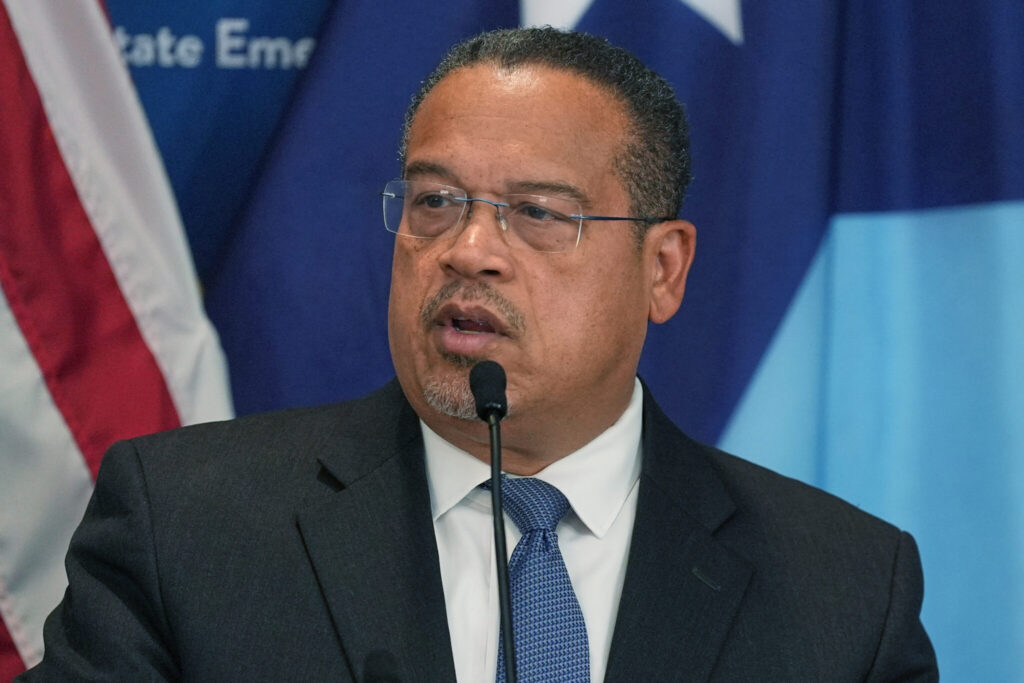
- Democratic AG Keith Ellison: Says the surge is an “unprecedented abuse” of constitutional authority.
- DOJ calls the lawsuit “frivolous”: Federal attorneys argue states can’t block federal enforcement.
- 19 states back Minnesota: California leads multi-state legal brief in support.
- Tensions mounting: Additional legal rulings and emergency motions filed to preserve evidence.

Federal Judge to Hear Emergency Arguments on Minnesota ICE Shootings: Deep Look
Background: Federal Immigration Raids Turn Deadly
Federal immigration enforcement operations in Minnesota have drawn national attention after two controversial fatalities in less than three weeks.
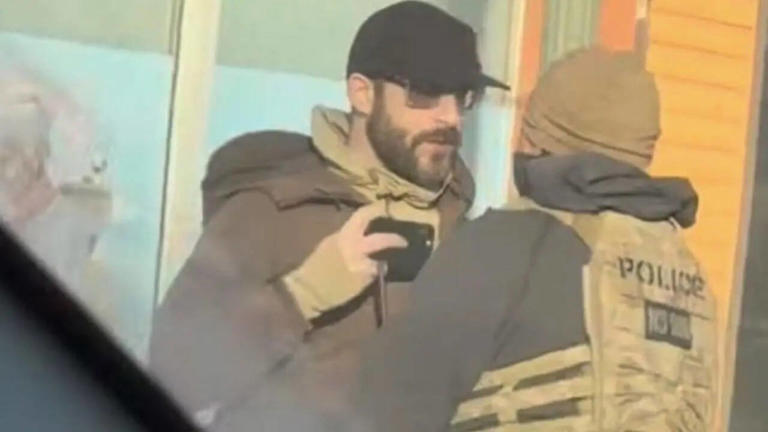
- January 7: Renee Good, a mother of three, was fatally shot by an Immigration and Customs Enforcement (ICE) officer during a vehicle stop in Minneapolis.
- January 24: Alex Pretti, a 37-year-old ICU nurse and lawful gun owner, was killed during a Border Patrol raid in the city. Video footage of the incident has sparked widespread protests and legal action.
Following the escalation, Minnesota Attorney General Keith Ellison (D) and local leaders moved swiftly to take the matter to federal court.
What’s at Stake in Court
The plaintiffs — the State of Minnesota, the City of Minneapolis, and the City of St. Paul — argue that the Trump administration’s “Operation Metro Surge” is unconstitutional and dangerous. They are requesting a temporary injunction to:
- Reduce federal agent presence to pre-December 1, 2025 levels
- Restrict ICE and Border Patrol operations in urban areas
- Limit federal jurisdiction within state borders
The lawsuit specifically targets the Department of Homeland Security, including ICE and Customs and Border Protection (CBP), which have increased their presence in Minneapolis since early December under Trump’s orders.
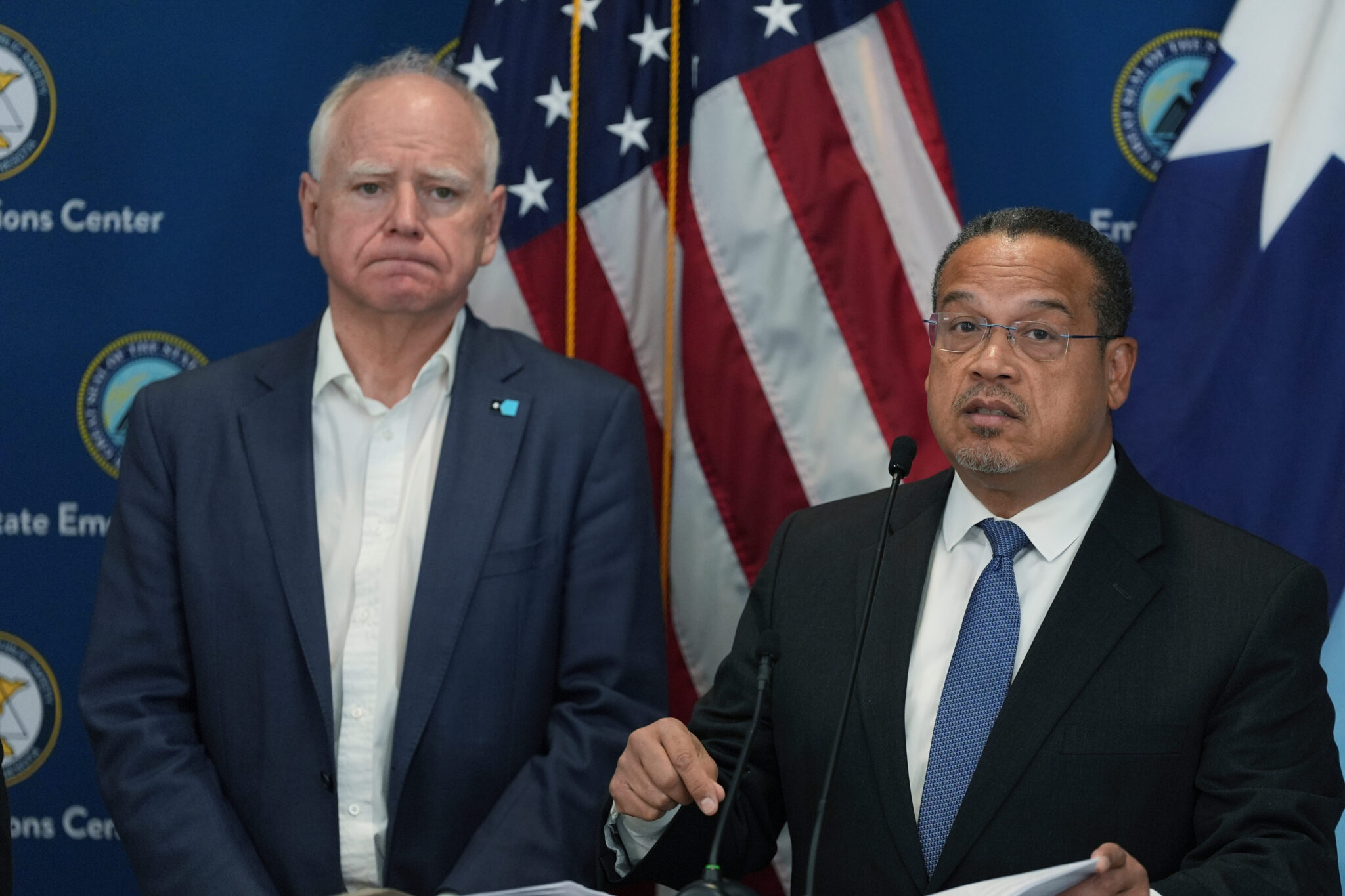
“This is a novel abuse of the Constitution,” Ellison said at a Sunday press conference.
“No one can remember a time when we’ve seen something like this.”
The Judge: Katherine Menendez
U.S. District Judge Katherine Menendez will preside over the case in Minneapolis federal court. While it remains unclear when she will rule, her previous decisions suggest a focus on civil liberties.
Earlier this month, Menendez ruled in a separate case that federal officers may not detain or use tear gas on peaceful observers — a ruling that was temporarily stayed by an appeals court just days before Pretti’s shooting.
Federal Response: DOJ Pushes Back
Federal officials have dismissed the lawsuit as meritless.
- The Justice Department called Minnesota’s lawsuit “legally frivolous,” arguing that “a state cannot veto federal law enforcement.”
- In court filings, DOJ attorneys have requested that if Judge Menendez grants an injunction, it should be stayed pending appeal.
Meanwhile, federal agents have continued operations, and DHS officials insist the crackdown is legal and necessary due to “sanctuary” policies in Minnesota that they claim obstruct immigration law enforcement.
19 States Join the Fight
A coalition of 19 states and the District of Columbia — led by California — have filed an amicus brief supporting Minnesota.
“If left unchecked, the federal government will no doubt be emboldened to continue its unlawful conduct in Minnesota and to repeat it elsewhere,” the brief states.
This growing interstate coalition highlights how the outcome of the case could set a precedent for federal immigration enforcement across the U.S., especially in blue states.
Parallel Legal Battles: Evidence Preservation, Civil Rights
In a related emergency motion, Judge Eric Tostrud issued an order late Saturday blocking federal agents from destroying or altering evidence connected to Pretti’s killing.
- The motion was filed by Ellison and Hennepin County Attorney Mary Moriarty, who have yet to access evidence in federal custody.
- The goal is to preserve bodycam footage, internal reports, and the physical scene of the shooting.
Separately, the ACLU of Minnesota is appealing to lift the federal court’s stay that blocked protections for peaceful protesters, especially in light of Pretti’s death.
“We never imagined we’d need to file emergency motions to stop evidence destruction by federal agents,” Ellison said.
“But that’s the situation we’re now in.”
What Happens Next
- Monday Morning: U.S. District Court hearing before Judge Menendez
- Monday Afternoon: Evidence preservation hearing before Judge Tostrud in St. Paul
- Ongoing: Appeals court weighs ACLU’s request to reinstate protester protections
- Midweek: Congress debates DHS funding amid calls to block ICE operations (related story)
The legal, political, and social consequences of Minnesota’s immigration crackdown continue to build. With two people dead, multiple lawsuits pending, and federal-state relations deteriorating, Monday’s rulings could shape national immigration policy for years to come.